

Best Organic Bug Repellent for Patios & Outdoor Living
When you invest time and money creating a beautiful outdoor sanctuary, the last thing you want is mosquitoes turning every evening into a swat-fest or forcing you to douse your family in sticky chemicals. Homeowners across America are searching for the best organic bug repellent that actually works without the compromises of DEET, synthetic sprays, or candles that barely keep a single mosquito at bay. The shift toward natural solutions isn't just a trend; it reflects growing awareness of chemical exposure near pets and children, plus a desire for protection that doesn't require everyone to apply product to their skin before stepping onto the patio.
What Makes a Bug Repellent "Organic" or Natural
The term "organic" in pest control doesn't carry the same regulated meaning as organic food labels. When consumers search for the best organic bug repellent, they typically mean products derived from botanical or naturally occurring ingredients rather than synthetic chemicals like DEET, picaridin, or permethrin.
Regulatory Framework and Ingredient Classifications
The Environmental Protection Agency oversees insect repellent registration under FIFRA (Federal Insecticide, Fungicide, and Rodenticide Act). Products formulated from certain plant oils and extracts may qualify under 25(b) minimum-risk pesticides, a category that includes ingredients like citronella oil, geraniol, peppermint oil, and eugenol. These botanical ingredients don't require the same extensive EPA registration process as conventional synthetic repellents, though manufacturers must still follow labeling requirements and demonstrate safety.
Key natural repellent ingredients recognized by regulators include:
- Citronella oil (from lemongrass)
- Geraniol (from geraniums and other plants)
- Peppermint and cornmint oils
- Eugenol (from clove)
- Rosemary oil
- Lemon eucalyptus oil (PMD/OLE)
Research published in peer-reviewed journals shows that essential oils offer promise as alternatives to synthetic repellents, though formulation and concentration significantly impact effectiveness. Understanding these distinctions helps consumers make informed choices when evaluating the best organic bug repellent for their needs.

Comparing Application Methods: Sprays, Candles, and Ground-Based Solutions
Not all natural repellents work the same way or fit the same situations. The delivery method fundamentally changes user experience, coverage area, and who gets protected.
Topical Sprays and Lotions
Traditional spray repellents (whether natural or synthetic) require direct skin application and frequent reapplication. You spray yourself, your kids, and ideally every guest who arrives for your patio dinner. Consumer Reports testing consistently finds that many essential oil spray formulations provide limited protection duration compared to DEET or picaridin products.
Drawbacks of spray-based organic repellents:
- Sticky, oily feel on skin (especially with essential oil carriers)
- Must reapply every 30 minutes to two hours
- Difficult to apply evenly to children
- Awkward to offer to guests
- Individual protection only; each person needs their own application
- Residue on clothing and furniture
Candles and Torch Fuels
Citronella candles remain popular because they create ambiance while claiming to repel bugs. However, UC Davis Integrated Pest Management research indicates that citronella candles provide minimal protection beyond the immediate vicinity of the flame. Wind disperses the scent, and coverage rarely extends beyond two to three feet.
| Repellent Type | Coverage Area | Duration | Skin Contact | Guest-Friendly |
|---|---|---|---|---|
| Spray (natural) | One person | 30-120 min | Required | No |
| Citronella candle | 2-3 ft radius | Until burned | None | Limited |
| Ground beads | Up to 1,000 sq ft | 1-2 days peak | None | Yes |
Ground-Based Scent Masking
A newer category of the best organic bug repellent works by addressing how mosquitoes detect and target humans. Mosquitoes hunt primarily by scent, tracking carbon dioxide, lactic acid, and other chemical signatures from ground level. Ground-applied biodegradable granules infused with essential oil blends create a scent barrier that masks human odors across an entire gathering space.
This approach protects everyone in the zone without requiring anyone to wear product. You pour biodegradable beads where people gather, and the essential oils (typically combinations of geraniol, citronella, peppermint, eugenol, cornmint, and rosemary) interfere with mosquitoes' ability to locate targets. Nothing touches skin. No flames. No sticky applications. The space itself becomes protected.
Evaluating Effectiveness: What Research Actually Shows
When shopping for the best organic bug repellent, effectiveness matters more than marketing claims. Independent testing and published studies offer the clearest picture.
Clinical Trial Evidence
A systematic review of topical repellents published in PLOS Global Public Health analyzed clinical trial data for various ingredients. DEET and picaridin showed the longest protection times in controlled studies. Among botanical options, oil of lemon eucalyptus (PMD) demonstrated measurable efficacy, though generally shorter duration than synthetic alternatives.
Essential oil blends show variable results depending on formulation, concentration, and application method. The National Pesticide Information Center notes that plant-based ingredients often require higher concentrations and more frequent reapplication than synthetic chemicals to achieve comparable protection.
Real-World Performance vs. Lab Testing
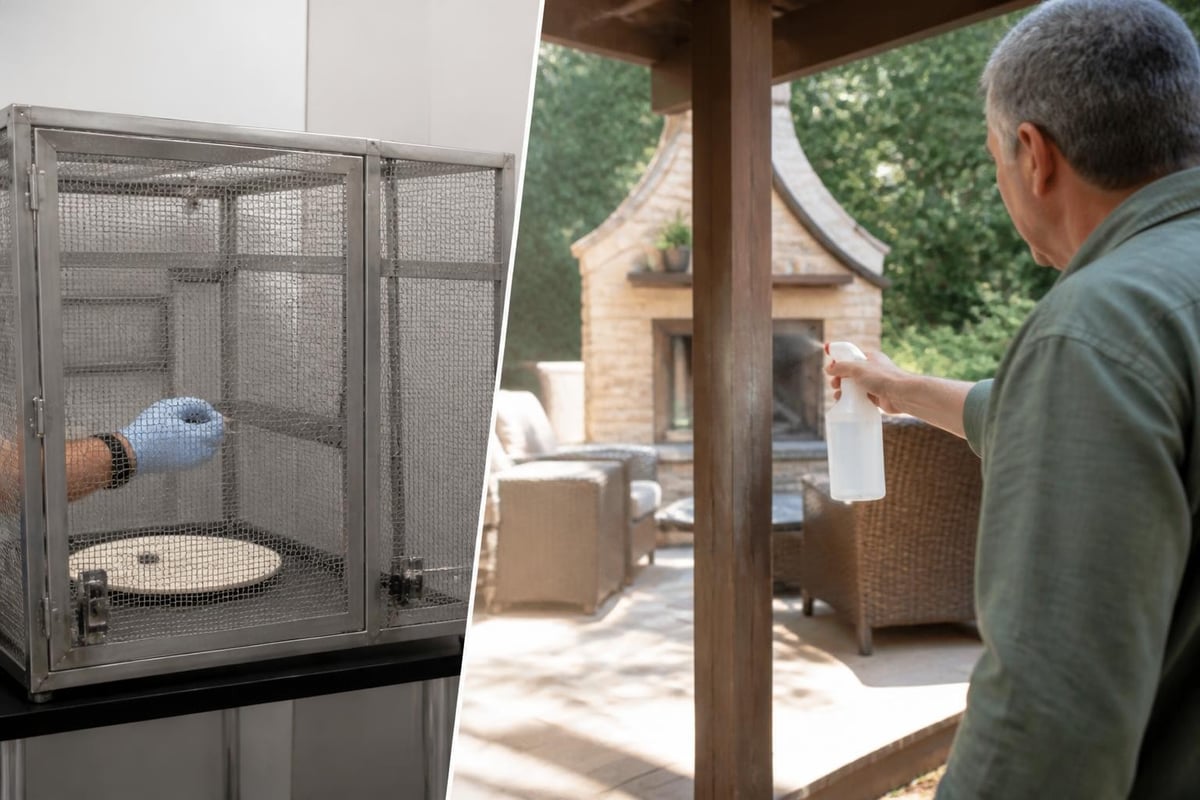
Laboratory cage tests measure how long a product prevents mosquitoes from landing on a treated surface. Real-world performance includes factors labs don't capture: wind, temperature, humidity, user behavior, and coverage consistency.
Factors affecting natural repellent performance:
- Concentration of active botanical ingredients
- Formulation stability (oils can evaporate quickly)
- Environmental conditions (heat accelerates evaporation)
- Application thoroughness and frequency
- Mosquito species and hunger level
- Individual body chemistry (with skin-applied products)
Recent developments show progress. Researchers at North Carolina State University achieved a milestone with the first all-natural, EPA-registered insect repellent, demonstrating that botanical formulations can meet rigorous regulatory standards when properly developed.
Safety Considerations for Families and Pets
One primary reason people seek the best organic bug repellent involves reducing chemical exposure around vulnerable household members. Natural doesn't automatically mean safer, but botanical ingredients generally present lower toxicity risks than conventional pesticides.
Ingredient Safety Profiles
NPIC fact sheets provide detailed toxicology summaries for common repellent ingredients. DEET, while effective, raises concerns for some parents regarding neurological effects with heavy exposure, particularly in young children. Picaridin shows a better safety profile than DEET but still represents a synthetic chemical.
Essential oils used in natural formulations come with their own considerations. Some people experience skin sensitivity to concentrated geraniol or eugenol. Peppermint and citronella oils are generally recognized as safe at typical use concentrations. The key difference: when you avoid skin-applied products entirely by using ground-based scent masking, you eliminate absorption concerns altogether.
Pet-Friendly Options
Dogs and cats process certain compounds differently than humans. Permethrin, common in yard sprays and some clothing treatments, is highly toxic to cats. Many homeowners worry about chemical exposure when pets share outdoor living spaces.
Natural solutions using 25(b)-listed botanical ingredients, when used as directed on the ground rather than applied to pets, typically pose minimal risk. Biodegradable corn-based granules infused with essential oils break down naturally, and pets walking through treated areas aren't directly exposed to concentrated product.
Matching Repellent Type to Your Outdoor Lifestyle
The best organic bug repellent for your neighbor might not suit your needs. Application method, coverage area, and social context matter tremendously.
The Outdoor Sanctuary Host
If you've invested in creating a beautiful patio space that functions as an extension of your home, you need protection that respects the aesthetic and doesn't burden guests. Asking dinner party attendees to spray themselves down feels awkward. Citronella candles create table clutter and smoke.
For protecting your patio naturally, ground-based solutions offer distinct advantages. Pour biodegradable beads around the perimeter and seating areas before guests arrive. Peak performance lasts through your entire evening without anyone wearing product, breathing smoke, or dealing with sticky residue.
Active Families and Sports Parents
Parents watching youth soccer games or spending weekends at camping sites need portable, easy-to-deploy protection. A mesh bag filled with scent-masking beads clips onto camp chairs or hangs from canopy frames, creating a protected zone around your immediate area without requiring constant spray reapplication on squirmy kids.
RV and Outdoor Enthusiasts
RV owners and campers often seek natural mosquito protection that works around their outdoor living setup. Setting an open container of biodegradable essential oil beads near your RV door or spreading them around your campsite perimeter provides multi-day protection without the hassle of spraying down before every trip outside.
Application Strategies for Maximum Protection
Even the best organic bug repellent won't perform well if you don't apply it correctly. Strategy matters.
Understanding Mosquito Behavior
Mosquitoes detect CO2 from 30 feet away and track chemical plumes from ground level toward their source. They fly low, rarely above ankle height in calm conditions, following scent gradients upward to locate landing spots on legs, arms, and exposed skin.
This hunting behavior explains why ground-level scent masking works. When you create a barrier of competing scents at the source level where mosquitoes track you, they lose the trail and drift past rather than zeroing in on targets. You're not killing mosquitoes or creating a chemical barrier. You're making humans harder to find.
Coverage and Placement
For ground-based biodegradable bead systems:
- Identify where people will gather and sit
- Pour beads in a perimeter around seating areas
- Concentrate application near entry points and edges
- Refresh high-traffic areas at peak performance windows (days one and two)
- For larger spaces, use the coverage ratio (18 oz covers approximately 1,000 square feet)
For spray products (when unavoidable):
- Apply outdoors to avoid inhaling vapors
- Spray onto hands first, then spread on face
- Cover all exposed skin thoroughly
- Reapply according to product instructions (often 30-90 minutes)
- Wash off immediately when returning indoors
Timing Your Protection
Mosquitoes feed most actively during dawn and dusk, though some species bite throughout the day. Apply ground-based repellents an hour or two before your outdoor event for optimal scent dispersion. With spray products, apply immediately before exposure and set a timer for reapplication.

Cost Analysis: Natural vs. Conventional Options
Budget-conscious homeowners want effective protection without breaking the bank. Comparing natural repellent costs to conventional approaches reveals surprising value differences.
Per-Use Economics
| Solution Type | Initial Cost | Coverage | Duration | Cost per Evening |
|---|---|---|---|---|
| DEET spray (family size) | $12-18 | 4-5 people | 1-2 hours | $3-6 (reapplication) |
| Natural spray | $15-25 | 3-4 people | 30-90 min | $4-8 (reapplication) |
| Citronella candles (3-pack) | $15-20 | 10 sq ft | 3-4 hours | $5-7 |
| Biodegradable beads (18 oz) | $25-35 | 1,000 sq ft | Peak 1-2 days | $2-4 |
| Professional barrier spray | $75-150 | Whole yard | 3-4 weeks | $10-20 |
Ground-based systems often deliver better value per protected square foot, especially for regular entertainers. One application covers your entire gathering space for multiple evenings without additional purchases or reapplication labor.
Hidden Costs of Spray Methods
Beyond sticker price, spray repellents carry hidden costs: time spent applying and reapplying, wasted product from overspray, stained clothing from oil-based natural formulas, and the social awkwardness of asking guests to participate in protection protocols. These friction points add up.
When protecting your backyard space, pour-and-forget simplicity means you spend your time enjoying the evening rather than managing mosquito control logistics.
Regional Considerations and Climate Factors
The best organic bug repellent for a Texas patio differs from what works in Minnesota. Mosquito species, season length, and humidity all influence product choice.
High-Humidity, Year-Round Mosquito Regions
Florida residents and Houston homeowners face aggressive mosquito pressure nearly year-round. High humidity helps essential oils disperse but also accelerates evaporation. Ground-based biodegradable systems work well because you can refresh applications easily without waiting for sprays to dry or worrying about rain washing skin-applied products away.
Temperate Zones with Seasonal Pressure
Northern states experience intense but seasonal mosquito activity. Peak season runs May through September, with July and August bringing the worst pressure. Homeowners in these regions benefit from stockpiling natural repellent during peak months and using it intensively during the outdoor living season.
Dry, Arid Climates
Desert and arid regions have fewer mosquitoes overall, but when water sources exist (pools, irrigation, pet bowls), mosquitoes concentrate heavily around them. In dry air, essential oils evaporate rapidly from skin-applied sprays, requiring very frequent reapplication. Ground-based scent masking maintains effectiveness better since the beads release oils gradually rather than in a single application burst.
Making the Switch: Transitioning from Conventional Products
If you've relied on DEET sprays or professional chemical treatments and want to explore the best organic bug repellent options, a thoughtful transition helps ensure success.
Setting Realistic Expectations
Natural repellents work differently than synthetic chemicals. DEET creates a vapor barrier that directly repels mosquitoes on contact. Ground-based botanical solutions use scent masking to make mosquitoes lose your trail. Both reduce bites, but the mechanisms differ.
Expect a learning curve as you determine optimal application amounts and refresh timing for your specific yard and mosquito pressure. Most users find that adjusting quantity and coverage patterns during the first few applications leads to consistent results.
Combination Approaches
You don't have to choose all-or-nothing. Many families use ground-based natural protection for their primary patio space and keep a natural spray bottle for occasional hikes or kids' soccer games. This hybrid approach minimizes chemical exposure while maintaining flexibility.
Effective combination strategy:
- Primary patio and deck: biodegradable essential oil beads poured on ground
- Occasional camping trips: portable mesh bag of beads for campsite perimeter
- Last-resort situations only: DEET-free spray alternative for targeted use
Tracking What Works
Keep notes during your first season with natural repellents. Record mosquito pressure levels, amounts applied, weather conditions, and results. You'll quickly identify the perfect application rate for your space and build confidence in your organic approach.
Product Formats and Packaging Innovations
The best organic bug repellent continues evolving beyond traditional sprays and candles. New delivery mechanisms address the limitations of first-generation botanical products.
Biodegradable Bead Technology
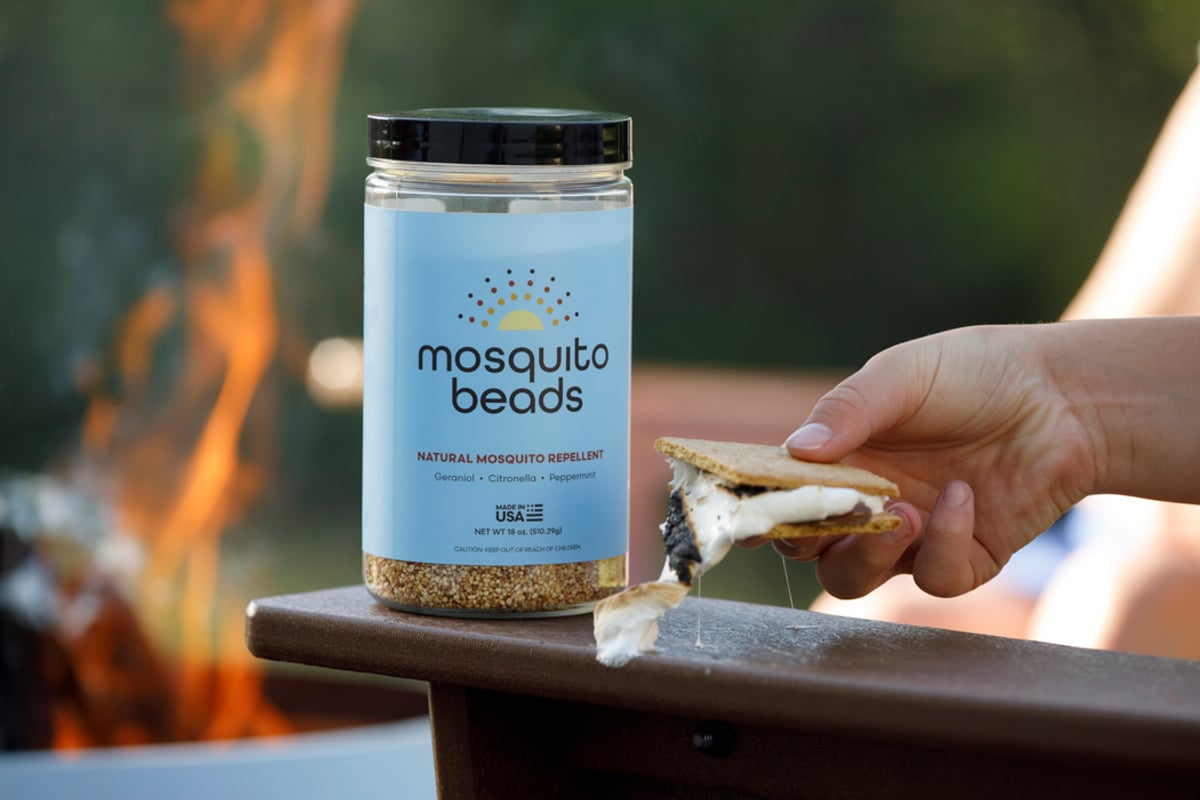
Corn-based granules infused with essential oil blends represent a significant format innovation. The beads slowly release botanical compounds as they biodegrade, extending effective duration beyond what liquid sprays can achieve. This technology addresses one of the main criticisms of natural repellents: short protection windows requiring constant reapplication.
For homeowners seeking alternatives to spray repellents, biodegradable beads offer genuine differentiation. You pour them where you'll gather, and they protect your space for days without anyone wearing product or breathing aerosol mist. When the beads dissolve back into the earth, you simply refresh the application.
Portable and Flexible Formats
Modern natural repellents come in formats suited to different use cases. Larger containers (18 oz) work well for backyard applications covering up to 1,000 square feet. Smaller portable sizes (5 oz) fit in a beach bag or RV storage for on-the-go protection at sports fields and campsites.
Mesh bags and clip-on containers let you hang natural repellent from chair backs, canopy frames, or tent poles, creating personal protection zones without ground application. This versatility helps natural solutions compete with the convenience that made chemical sprays dominant for decades.
Concentrated vs. Ready-to-Use
Some natural repellents ship as concentrates requiring dilution, while others come ready to use. Concentrates often offer better value but require careful measurement and mixing. Ready-to-use formats cost more per application but eliminate preparation steps and dosing errors.
For ground-based bead systems, no mixing or dilution is necessary. You pour directly from the container onto the ground, making them as convenient as ready-to-use sprays but without the spray mechanism or skin contact.
Environmental Impact and Sustainability
Choosing the best organic bug repellent often reflects environmental values beyond personal health concerns. Ecological footprint matters to conscious consumers.
Biodegradability and Persistence
Conventional pesticides can persist in soil and water, accumulating in ecosystems and affecting non-target species. DEET, while effective, doesn't readily biodegrade and has been detected in water supplies. Natural botanical ingredients typically break down much faster.
Biodegradable corn-based carriers decompose completely, returning to soil as organic matter. Essential oils evaporate or biodegrade within days to weeks, leaving no persistent residues. For homeowners who worry about chemical load near family and pets, this rapid breakdown provides peace of mind.
Non-Target Effects
Broad-spectrum insecticides kill beneficial pollinators, predatory insects, and other wildlife. Scent-masking approaches work specifically on mosquitoes' hunting behavior without harming other species. Bees, butterflies, and ladybugs continue their beneficial activities unaffected when you use botanical ground applications instead of chemical yard sprays.
Packaging and Waste
Aerosol sprays create disposal challenges with pressurized metal containers and propellant chemicals. Pump spray bottles generate less waste but still require plastic that may not be recyclable in all jurisdictions. Ground-based bead containers use standard recyclable plastic, and the product itself leaves no waste once biodegraded.
Addressing Common Concerns and Misconceptions
When evaluating the best organic bug repellent, consumers often encounter conflicting information. Clearing up common misconceptions helps you make informed choices.
"Natural Always Means Safe"
Natural ingredients aren't automatically risk-free. Concentrated essential oils can cause skin reactions in sensitive individuals. Some botanical compounds are toxic if ingested in large quantities. The advantage of natural repellents lies in lower toxicity at typical use concentrations and faster environmental breakdown, not zero risk.
Ground-based applications that don't touch skin eliminate the main exposure route for sensitive users. You gain the benefits of botanical ingredients without direct contact concerns.
"If It Doesn't Kill Mosquitoes, It Doesn't Work"
Many people assume effective mosquito control requires killing insects. Scent masking offers a different approach. By making humans harder to detect, you prevent bites without necessarily reducing the total mosquito population. For personal and patio protection, preventing detection accomplishes the same goal as elimination without the ecological downsides of broad-spectrum pesticides.
"Organic Products Don't Last Long Enough"
Early natural repellents earned a reputation for requiring frequent reapplication, sometimes every 30 minutes. Modern formulations and delivery systems extend protection duration significantly. Biodegradable beads maintain peak effectiveness for one to two days per application, with residual protection extending further. This duration rivals or exceeds single applications of conventional products for spatial protection.
"Natural Repellents Cost More"
Initial purchase price sometimes runs higher for natural products, but per-use cost often favors botanical solutions. A single ground-based application protecting 1,000 square feet for two days costs less than buying enough spray bottles to cover four to six people for the same period with hourly reapplications.
Protecting your outdoor sanctuary from mosquitoes shouldn't require compromising on health, aesthetics, or environmental responsibility. The best organic bug repellent for your needs depends on your specific situation: the size of your space, how you use it, and what matters most to your family. Whether you choose botanical sprays, enhanced candle systems, or innovative ground-based scent masking, natural solutions now offer genuine performance that meets or exceeds traditional chemical approaches in many contexts. For homeowners who want to protect their patio without sticky applications or chemical concerns, Mosquito Beads deliver biodegradable, DEET-free mosquito control you simply pour on the ground where your family gathers, creating a protected outdoor sanctuary with nothing on your skin and nothing to spray.