

Natural Mosquito Repellent Backyard: Create Your Space
Creating a natural mosquito repellent backyard is about more than just avoiding bites. It is about reclaiming your outdoor space without introducing harsh chemicals, sticky sprays, or smoke-filled evenings. For homeowners who treat their patio as an extension of their living room, the choice of mosquito control matters. You want protection that respects the environment, keeps pets safe, and does not ask every guest to cover themselves in aerosol before sitting down. The good news is that modern natural solutions have evolved far beyond weak citronella candles and endless reapplications of DEET. Understanding how mosquitoes hunt and what truly disrupts their ability to find you transforms how you protect your space.
How Mosquitoes Find You in Your Backyard
Mosquitoes do not wander randomly. They hunt by scent, tracking carbon dioxide from up to 30 feet away and locking onto body heat and human odor as they close in. Understanding how mosquitoes detect CO2 helps explain why conventional strategies often fail. Most of the detection happens at ground level, where air currents carry scent molecules across your patio and lawn.
When you create a natural mosquito repellent backyard, your goal is to interrupt this scent trail. Traditional wearable repellents protect only the person wearing them. They require every guest to spray down, and they feel sticky and smell medicinal. Ground-based scent-masking approaches protect the entire gathering area by confusing mosquitoes before they reach anyone.
Why Ground-Level Protection Works Better
Key advantages of protecting the space instead of individuals:
- No one needs to apply anything to their skin
- Guests arrive and are immediately protected
- Pets move freely without exposure to topical chemicals
- Protection lasts days, not hours
- No reapplication every time someone sits down
This shift from wearable to environmental protection changes the entire experience of outdoor entertaining. You set up the space once and enjoy it repeatedly without sticky hands or chemical odors on clothing.
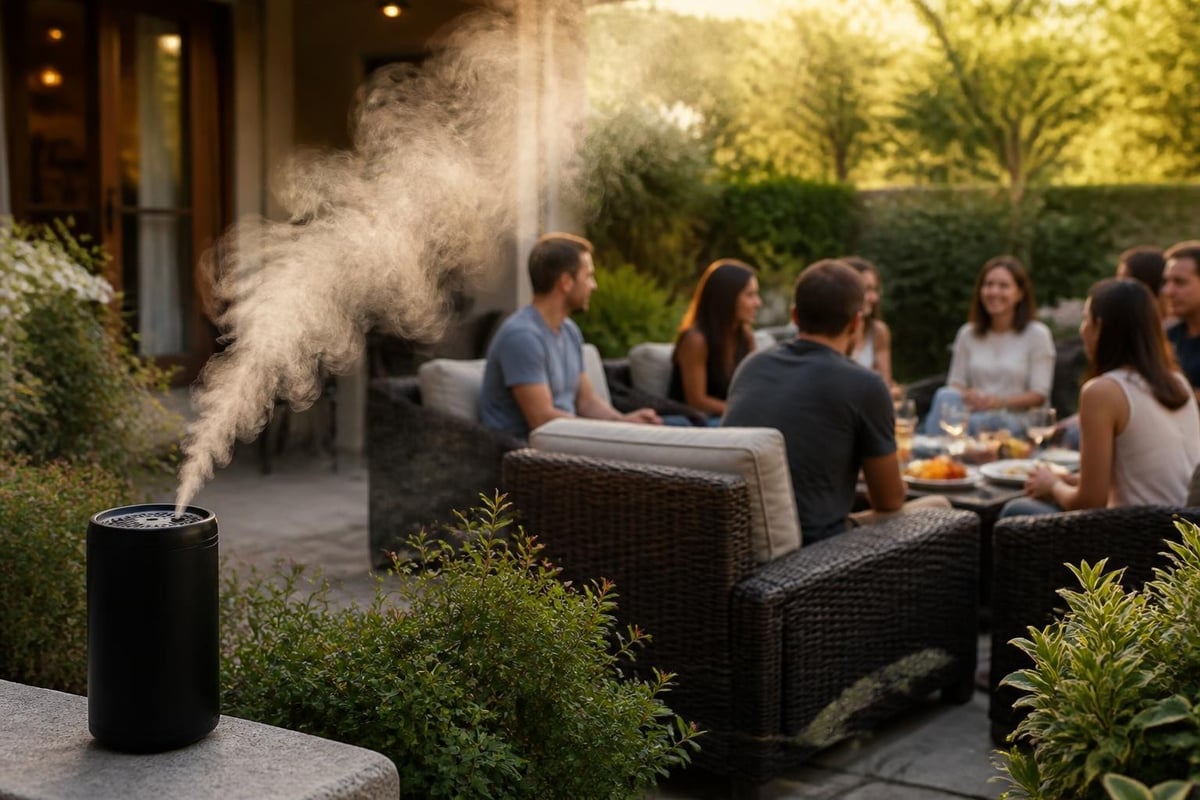
Natural Ingredients That Actually Repel Mosquitoes
Not all natural mosquito repellent backyard solutions are created equal. Some ingredients have peer-reviewed research backing their effectiveness, while others rely more on folklore than science. The most effective natural repellents work by overwhelming mosquito scent receptors, making it difficult for them to detect human presence.
| Essential Oil | Mechanism | Duration | Best Use |
|---|---|---|---|
| Geraniol | Masks human scent, interrupts CO2 tracking | 1-2 days (ground application) | Area protection, patio coverage |
| Citronella | Confuses scent receptors | 2-4 hours (candle), longer (ground beads) | Combined with other oils for synergy |
| Peppermint | Strong aromatic barrier | 3-6 hours | Perimeter reinforcement |
| Eugenol | Disrupts attraction signals | 1-2 days | Blended formulations |
| Rosemary | Aromatic masking | 4-8 hours | Border plantings and blends |
| Cornmint | Intense scent barrier | 6-12 hours | Concentrated protection zones |
Why Blended Formulas Outperform Single Oils
Mosquitoes adapt to single-scent barriers faster than complex blends. A natural mosquito repellent backyard strategy that combines multiple essential oils creates layers of confusion. One oil masks carbon dioxide detection, another disrupts heat sensing, and a third overwhelms the insect's ability to track lactic acid.
Professional formulations balance these oils at ratios that maximize effectiveness without creating overpowering smells for humans. The right blend smells pleasant on a summer evening while remaining intolerable to mosquito sensory organs.
Ground Application Methods That Protect Your Whole Patio
The delivery system matters as much as the ingredients. Candles provide minimal coverage and require open flame. Foggers and misters apply chemicals to every surface, including food prep areas and furniture. Ground-based biodegradable solutions offer a middle path: effective protection without coating everything in your space.
Steps to set up ground-level scent masking:
- Identify high-traffic zones where people sit, stand, and gather
- Calculate square footage of your primary entertaining area
- Apply natural repellent evenly across the ground surface
- Focus heavier application near seating edges and entry points
- Refresh application every 2-3 days during peak mosquito season
This method protects the entire zone without asking guests to do anything. They walk into a protected bubble where mosquitoes cannot effectively track human scent.
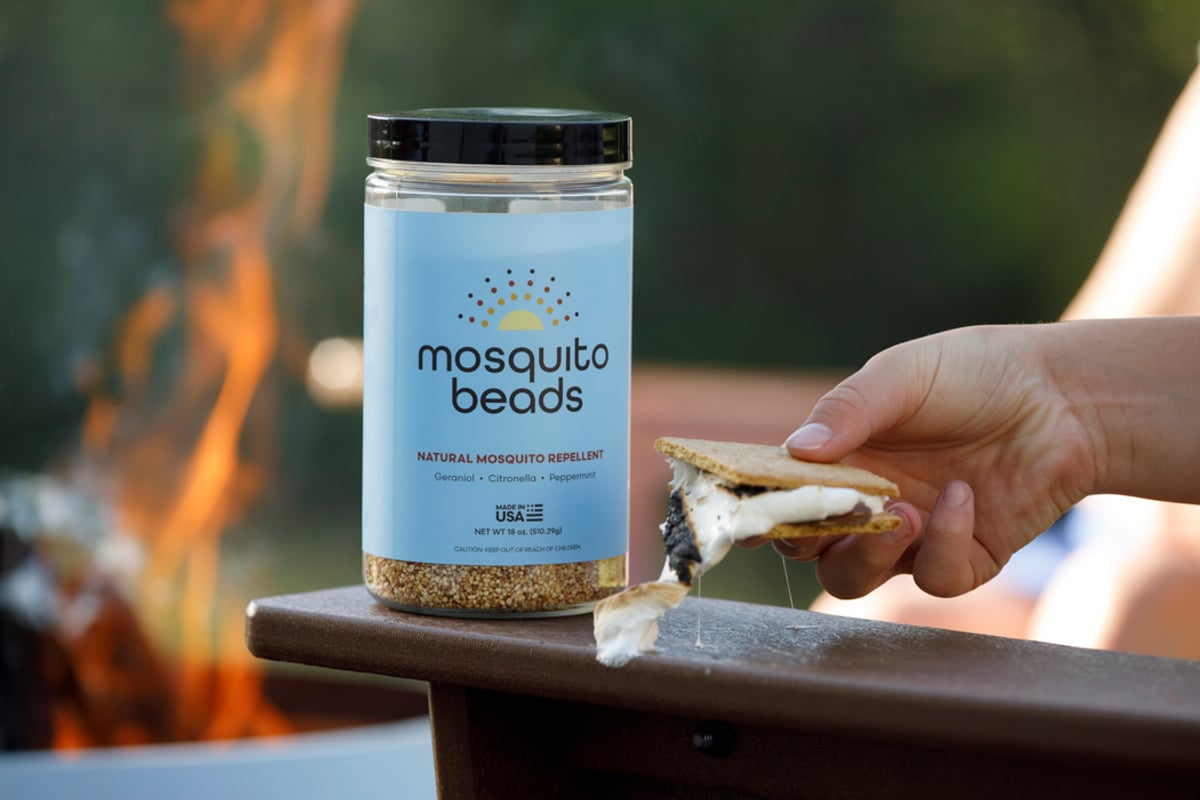
For those seeking a solution that works this way, Mosquito Beads provide biodegradable corn-based granules infused with six essential oils. You pour them on the ground where people gather, and the oils create a scent barrier that masks human presence at the level where mosquitoes hunt. Nothing touches skin, there is no smoke or flame, and peak performance runs through days one and two per application.
Plants That Support a Natural Mosquito Repellent Backyard
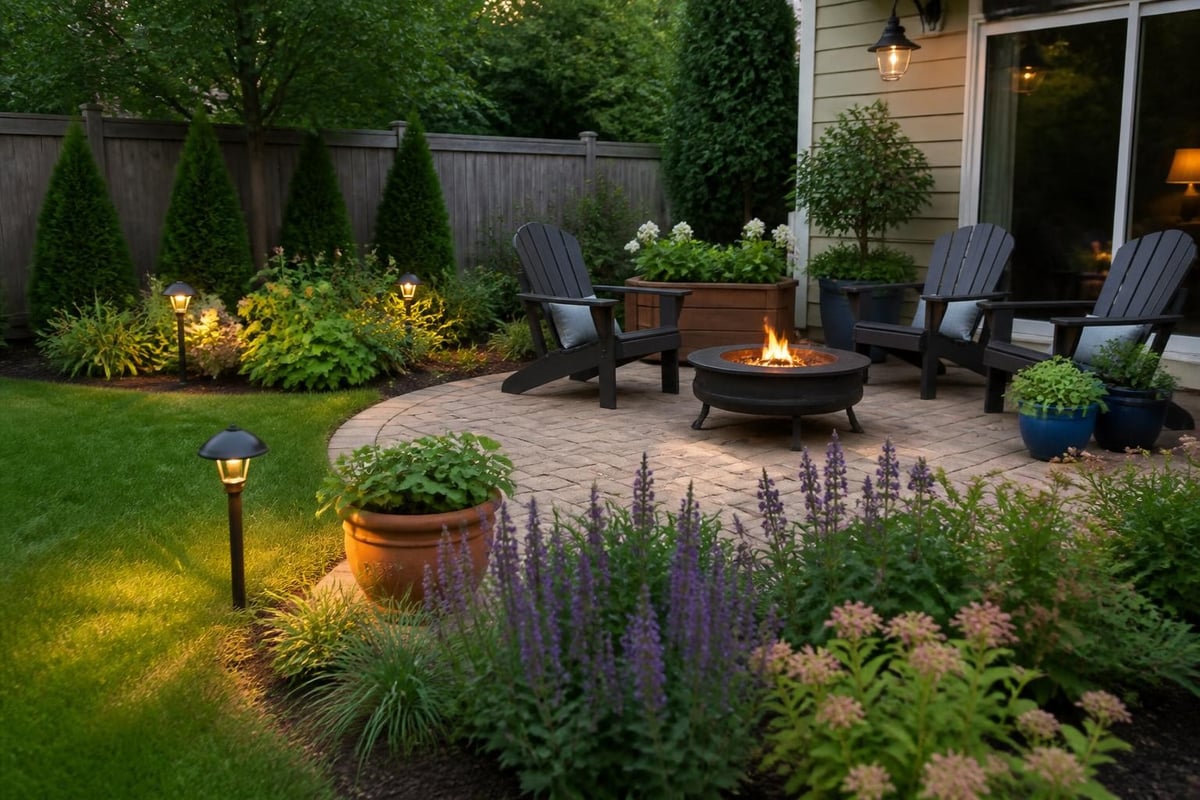
Strategic landscaping adds another layer of protection. While plants alone will not eliminate mosquito problems, they complement ground treatments and create a more hostile environment for mosquitoes seeking breeding sites and resting spots.
Repellent Plants Worth Adding
- Lavender: Strong scent mosquitoes avoid, beautiful purple blooms
- Marigolds: Contain pyrethrum, a natural insect deterrent
- Basil: Multiple varieties, all release oils mosquitoes dislike
- Lemon balm: Citronella-scented leaves, spreads readily
- Catnip: Contains nepetalactone, more effective than DEET in some studies
Place these plants in containers near seating areas or as border plantings along patio edges. Brushing against leaves releases more oils into the air, strengthening the protective barrier.

Eliminating Breeding Sites Reduces Pressure
Even the most effective natural mosquito repellent backyard setup works better when you reduce the local mosquito population. Female mosquitoes need standing water to lay eggs. Each elimination of a breeding site means fewer mosquitoes emerging to hunt in your space.
Common backyard breeding sites:
- Clogged gutters holding rainwater
- Plant saucers under containers
- Birdbaths unchanged for more than three days
- Tarps or covers that collect water
- Decorative ponds without circulation
- Unused toys or equipment that catch rain
Walk your property weekly during warm months. Dump any standing water. Change birdbath water every two days. Ensure gutters drain properly. These simple steps cut the number of mosquitoes hatching within flight range of your patio.
Water Features Done Right
You can still enjoy water elements without creating mosquito nurseries. Moving water does not support mosquito larvae, which need still surfaces to breathe. Adding a small fountain to a birdbath or pond keeps water circulating. Mosquito dunks containing Bacillus thuringiensis israelensis (BTI) kill larvae without harming birds, pets, or beneficial insects.
Timing Your Natural Protection for Maximum Effect
Mosquitoes feed most actively at dawn and dusk. A natural mosquito repellent backyard strategy accounts for these peak hours. If you entertain primarily in the evening, apply ground treatments in late afternoon so oils reach peak effectiveness as the sun sets.
| Time of Day | Mosquito Activity | Protection Strategy |
|---|---|---|
| Dawn (5-7 AM) | High | Overnight ground treatment still effective |
| Mid-morning (8-11 AM) | Low | Minimal protection needed |
| Afternoon (12-4 PM) | Very Low | Prepare for evening application |
| Evening (5-8 PM) | Very High | Peak protection required, fresh application |
| Night (9 PM-4 AM) | Moderate | Ground barrier maintains effectiveness |
Understanding these patterns helps you apply protection when it matters most. You avoid wasting product during low-risk hours and ensure coverage during prime mosquito hunting time.
Weather Impacts on Natural Repellents
Rain washes away surface treatments. Wind disperses scent barriers faster. High humidity can either enhance or diminish effectiveness depending on the formulation. Plan to reapply ground treatments after heavy rain. On windy evenings, increase coverage area by 20-30% to compensate for faster scent dispersal.
Temperature matters too. Essential oils volatilize faster in heat, providing strong initial protection but shorter duration. In cooler weather, they release more slowly but maintain effectiveness longer. Adjust application frequency based on local conditions and observed performance.
Comparing Natural Methods to Chemical Treatments
Many homeowners start with DEET sprays or professional chemical services before seeking natural mosquito repellent backyard alternatives. Understanding the tradeoffs helps you make informed decisions about what belongs in your outdoor sanctuary.
DEET-based sprays:
- Protect only the person wearing them
- Require reapplication every 2-4 hours
- Feel sticky and smell harsh
- Cannot reasonably ask all guests to use
- Raise concerns near children and pets
- Effective but narrow in scope
Professional chemical services:
- Spray entire yard including plants, furniture, play areas
- Kill beneficial insects along with mosquitoes
- Require keeping pets inside during application
- Cost $70-150 per monthly treatment
- Effective but broad environmental impact
Natural ground treatments:
- Protect the entire gathering space
- Last 2-3 days per application
- Nothing touches skin or furniture
- Pet-friendly when used as directed
- Biodegradable and environmentally responsible
- Targeted protection where people gather
The choice depends on your priorities. If you value control over what touches your family and pets, natural solutions align with those concerns. If you need whole-property suppression and do not mind chemical exposure, professional services work. Most homeowners seeking a natural mosquito repellent backyard fall somewhere in the middle, wanting effective protection without the chemical load.
Setting Up Zones for Different Activities
Not every part of your yard needs equal protection. Focus resources on areas where people actually spend time. A dining table under the pergola needs more coverage than the far corner of the lawn. A play area gets daily use and deserves consistent treatment. The vegetable garden sees occasional visits and can rely on planted repellents.
High-Priority Zones
Dining and conversation areas:
- Apply ground treatment in a 10-foot radius around seating
- Refresh every two days during heavy use periods
- Add potted repellent plants as table centerpieces
Play zones:
- Treat entire area children access regularly
- Choose pet and child-safe formulations only
- Combine with habitat modification (remove standing water)
Entry and exit points:
- Create scent barriers where people enter the patio
- Heavier application along pathways from house to seating
- Prevents mosquitoes from following people into protected space
Lower-priority areas can rely on plantings, water management, and occasional treatments. This targeted approach maximizes effectiveness while minimizing product use and effort.
Maintaining Your Natural Protection Through the Season
A natural mosquito repellent backyard requires ongoing attention, not one-time setup. Mosquito populations fluctuate with temperature, rainfall, and seasonal breeding cycles. Your protection strategy should adapt to these changes.
Monthly maintenance checklist:
- Inspect all potential water collection points
- Trim vegetation mosquitoes use as resting spots
- Assess coverage needs based on upcoming events
- Refresh ground treatments in high-use areas
- Monitor effectiveness and adjust application rates
Early season (April-May in most regions) sees mosquito populations building. This is the time to establish strong protection and eliminate breeding sites aggressively. Peak season (June-August) demands consistent treatment and frequent water checks. Late season (September-October) allows you to reduce frequency as populations decline naturally.
Adjusting for Special Events
When hosting outdoor gatherings, increase protection 24 hours before guests arrive. This ensures oils reach peak effectiveness as people gather. Apply to a larger radius than usual, accounting for guests who might wander beyond your typical seating area. Have a small container ready to refresh high-traffic zones if the event runs long.
For everyday family use, establish a routine. Many homeowners treat their patio every Sunday evening and again Wednesday evening, providing consistent protection through the peak activity nights when outdoor meals and relaxation are most appealing. Learn more about natural approaches that actually work for maintaining season-long comfort.
Storage and Application Best Practices
Natural products work best when stored and applied correctly. Essential oils degrade with heat and light exposure. Keep containers sealed in cool, dark locations. Garages in summer heat are poor choices. A utility closet or basement shelf preserves potency longer.
Application tips for ground treatments:
- Pour evenly across the target area, not in piles
- Focus on perimeter edges where mosquitoes enter
- Avoid applying before heavy rain in the forecast
- Store remaining product in original containers
- Check expiration dates on natural formulations
Natural mosquito repellent backyard products often come in measured containers designed for specific square footage. The Signature 18 oz jar typically covers up to 1,000 square feet. The Sidekick 5 oz jar handles smaller spaces up to 300 square feet, perfect for balconies or game day seating areas.
Calculate your patio dimensions before purchasing. A 20x20 foot patio equals 400 square feet. A 30x30 space reaches 900 square feet. Knowing your coverage needs prevents running out mid-application and helps you maintain consistent protection.
The Real Cost of Different Approaches
Budget matters when choosing long-term mosquito control. Initial costs differ significantly from ongoing expenses. A natural mosquito repellent backyard strategy costs more upfront than a can of spray but less over a full season than professional services.
| Method | Initial Cost | Monthly Cost | Annual Cost | Coverage |
|---|---|---|---|---|
| DEET spray (individual) | $8-12 per can | $30-45 (family of 4) | $180-270 | Per person only |
| Citronella candles | $15-25 per set | $20-30 replacement | $120-180 | 5-10 ft radius |
| Professional service | $0-99 setup | $70-150 per visit | $420-900 | Whole yard |
| Natural ground beads | $20-35 per jar | $40-70 (2x monthly) | $240-420 | 300-1000 sq ft |
These numbers assume typical suburban use from May through September. Families who entertain weekly spend toward the higher end. Those using outdoor spaces occasionally spend less. The key difference is that ground treatments protect everyone in the space simultaneously, while sprays protect only those who apply them.
Consider hidden costs too. DEET sprays feel sticky and require shower time afterward. Professional services require being away from home during application and keeping pets inside. Natural ground applications involve no disruption to your routine or comfort.
Building Your Complete Natural Strategy
The most effective natural mosquito repellent backyard combines multiple approaches. No single method eliminates every mosquito, but layered strategies create protection that rivals chemical treatments without the downsides.
Your complete natural mosquito defense:
- Ground-based scent masking in gathering areas
- Strategic repellent plants along patio borders
- Weekly elimination of standing water
- Targeted application timing around dawn and dusk
- Proper storage and fresh application every 2-3 days
Start with the gathering spaces you use most. Master protection there before expanding to secondary areas. Monitor results honestly. If a particular zone still sees mosquito activity, increase coverage or application frequency rather than switching to chemicals immediately.
Many homeowners discover that natural protection works better than expected once they commit to proper application and maintenance. The challenge is not effectiveness but consistency. Natural solutions require slightly more attention than setting up an automated spray system, but they deliver peace of mind about what your family and pets encounter in your outdoor sanctuary.
Special Considerations for Pets and Children
Creating a natural mosquito repellent backyard often stems from concerns about chemical exposure to vulnerable family members. Pets and young children spend time on the ground where sprays settle. They put hands and paws in their mouths. They cannot understand warnings about treated surfaces.
Natural ground treatments designed for biodegradability solve these concerns. Corn-based granules infused with essential oils break down naturally. Pets walk through treated areas without coating their fur in synthetic chemicals. Children play without exposure to DEET or permethrin.
Choosing Pet-Safe Formulations
Not all essential oils are equally safe for pets. High concentrations of certain oils can irritate sensitive paws or cause reactions if ingested in quantity. Professional formulations designed for ground application balance effectiveness against safety. They use dilution rates and carrier materials that protect pets while still repelling mosquitoes.
Always check product specifications for pet safety claims. Reputable manufacturers test with pets and children in mind. When in doubt, contact the manufacturer with specific questions about your situation.
Why Spray-Free Matters for Modern Families
The shift toward spray-free mosquito control reflects broader concerns about chemical exposure in living spaces. Families increasingly treat their patio as an outdoor room, complete with rugs, cushions, and dining tables set for meals. Coating these surfaces in aerosol spray feels wrong.
Ground-based natural solutions respect this evolution. You create a scent barrier at the source of the problem without changing the character of your space. No greasy residue on chair arms. No chemical smell on throw pillows. No asking guests to cover themselves in sticky repellent before sitting down to dinner.
This approach particularly resonates with hosts who care about presentation. A beautifully set outdoor table does not need citronella candles as a centerpiece or require explaining why everyone must spray down. The protection works invisibly, letting your design and hospitality take center stage.
The tagline "Pour. Don't Spray." captures this philosophy perfectly. It acknowledges that traditional approaches fail on multiple levels for people who treat outdoor spaces as seriously as indoor rooms. It offers a clear alternative that protects without compromising aesthetics, comfort, or values around chemical use near family and pets.
Creating a natural mosquito repellent backyard is completely achievable with the right combination of ground protection, habitat management, and strategic plant choices. When you are ready to protect your outdoor sanctuary without sticky sprays or harsh chemicals, Mosquito Beads offers a biodegradable solution you pour on the ground where people gather. The scent-masking formula keeps mosquitoes from detecting you at all, protecting your whole space for days at a time. Pour, do not spray, and take your patio back.