

Natural Mosquito Repellent Patio Solutions for 2026
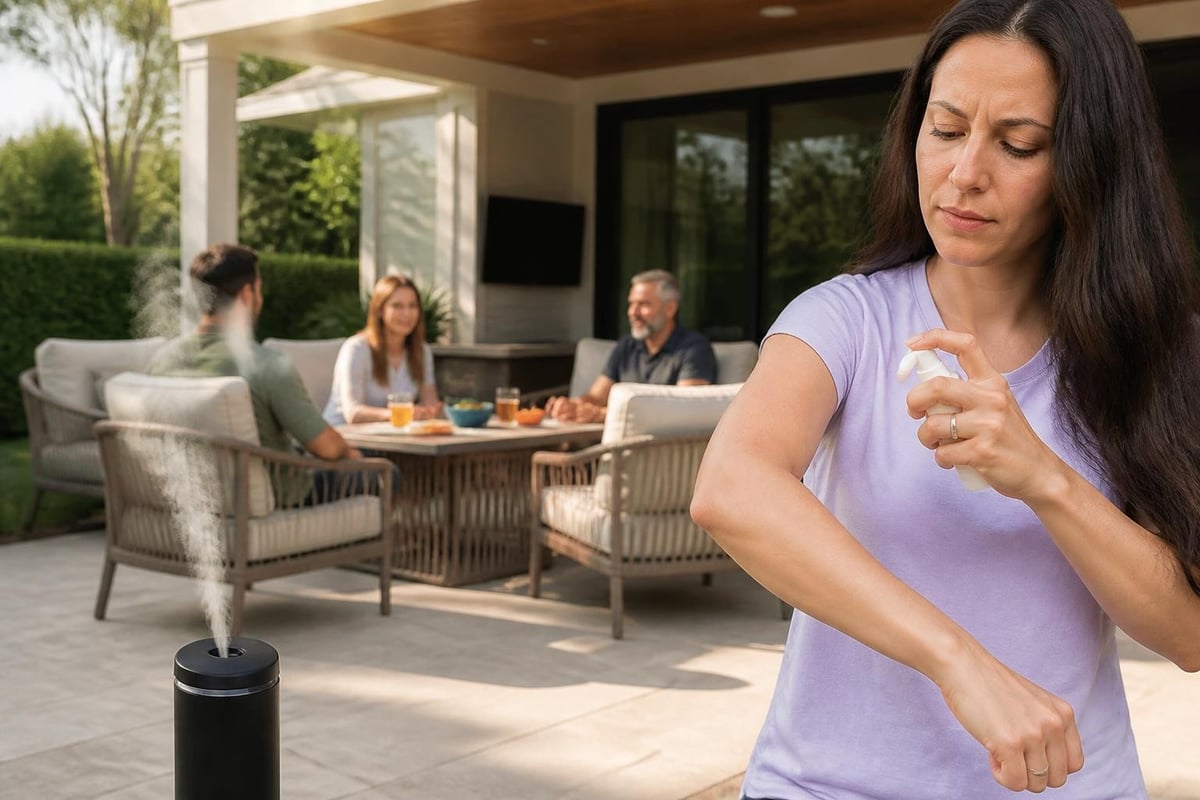
Your patio is more than a slab of concrete or composite deck. It's an outdoor room where you've invested in comfortable seating, ambient lighting, and the kind of atmosphere that makes guests linger well past sunset. The only problem? Mosquitoes don't respect property lines or well-designed entertaining spaces. Creating a natural mosquito repellent patio means rethinking how you approach protection-moving away from personal sprays and toward strategies that shield the entire space without coating anyone in chemicals or creating visual clutter.
Why Traditional Patio Mosquito Solutions Fall Short
Most homeowners start with citronella candles. They're decorative, widely available, and promise mosquito-free evenings. The reality is far less impressive. According to research on oil of citronella, candles produce minimal active ingredient concentration in open air, and any breeze scatters the protective zone within seconds. You're left with ambiance but little actual protection.
DEET sprays present a different challenge. While the EPA confirms DEET's effectiveness for personal protection, applying chemical repellent doesn't fit the outdoor sanctuary aesthetic. Guests rarely appreciate being handed a bottle of spray before dinner, and the greasy residue on skin conflicts with the relaxed environment you've created.
The core problem: Both solutions protect individuals, not spaces. Your natural mosquito repellent patio needs area-wide coverage that doesn't require anyone to wear, spray, or reapply anything.
Building Blocks of a Natural Mosquito Repellent Patio
Eliminate Breeding Sites First
No repellent strategy succeeds if mosquitoes breed steps from your seating area. Texas A&M AgriLife Extension research emphasizes source reduction as the foundation of backyard mosquito control. Female mosquitoes lay eggs in standing water-even a bottle cap holds enough moisture.
Walk your patio perimeter weekly and address:
- Clogged gutters and downspout extensions
- Saucers under planters
- Birdbaths (change water every three days)
- Decorative fountain basins
- Children's toys that collect rainwater
- Tarps covering outdoor furniture
For water features you want to keep, NC State Extension recommends mosquito dunks containing Bacillus thuringiensis israelensis (Bti). This biological larvicide kills mosquito larvae without harming birds, fish, or beneficial insects. One dunk treats 100 square feet of water for 30 days.
Strategic Plant Selection and Placement
Certain plants produce oils that interfere with mosquito navigation, though their effectiveness varies considerably. Understanding why mosquitoes target specific people reveals they hunt primarily by carbon dioxide and body heat, not random flight patterns.
| Plant | Active Compound | Placement Strategy |
|---|---|---|
| Lemon balm | Citronellal | Near seating edges |
| Rosemary | Camphor, cineole | Cluster in pots |
| Lavender | Linalool | Pathway borders |
| Marigolds | Pyrethrum | Perimeter planting |
The critical detail: plants release mosquito-disrupting oils when leaves are crushed, not from passive growth. Brushing past a rosemary shrub creates temporary protection, but stationary pots across the patio provide minimal active repellency. Treat aromatic plants as pleasant landscaping with modest mosquito benefits rather than primary defense.
Air Movement as a Physical Barrier
Mosquitoes are weak fliers. Purdue Extension guidance on barrier methods notes that sustained airflow below two miles per hour grounds most mosquito species. Oscillating fans placed at ground level disrupt their ability to locate and land on targets.
Position fans strategically:
- Under dining tables to protect legs and feet where mosquitoes often strike first
- Behind seating areas to create a buffer zone
- At patio entry points to prevent mosquitoes from drifting in
Outdoor-rated fans serve double duty, cooling guests on warm evenings while physically blocking mosquito access. This non-chemical approach integrates seamlessly into your patio's design without introducing visual clutter or requiring maintenance beyond occasional cleaning.
Ground-Level Scent Masking: The Next Generation
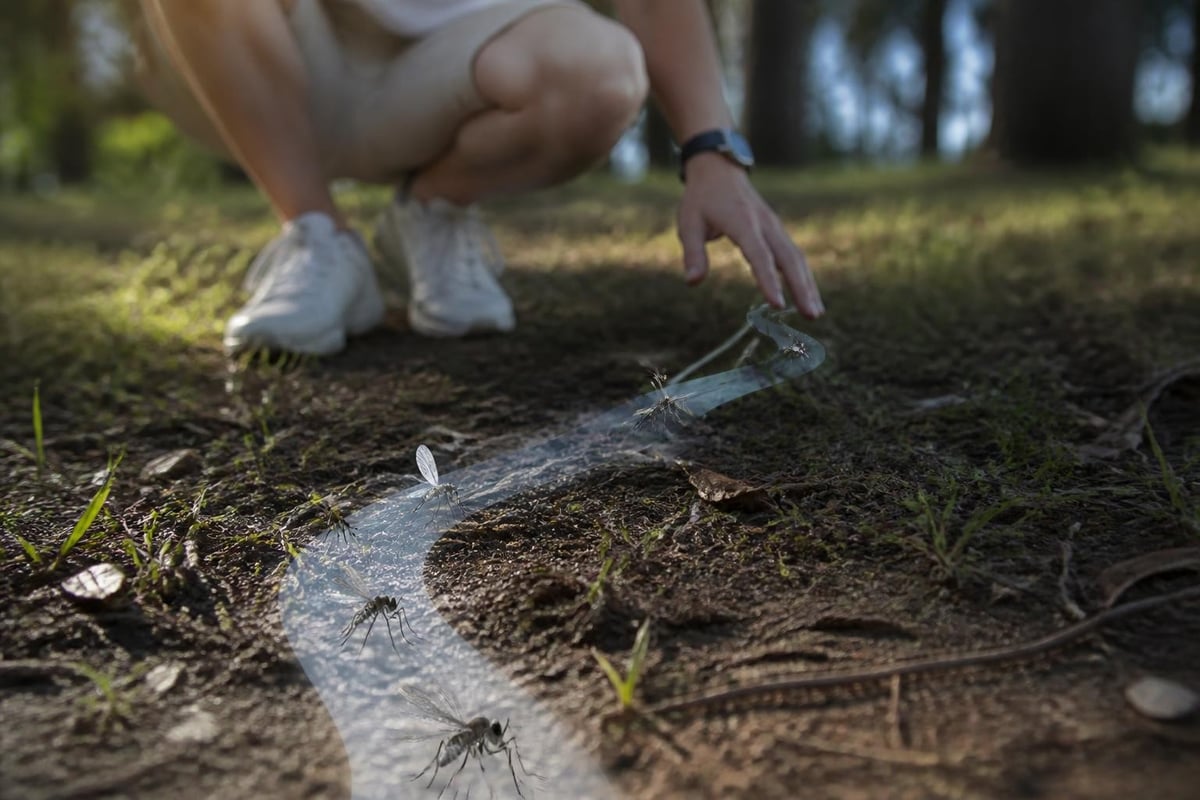
Mosquitoes hunt by tracking carbon dioxide, body heat, and human scent markers from ground level upward. Traditional candles and torches release repellent compounds at flame height-well above the zone where mosquitoes navigate. Ground-based solutions reverse this approach by masking scent where mosquitoes actually hunt.
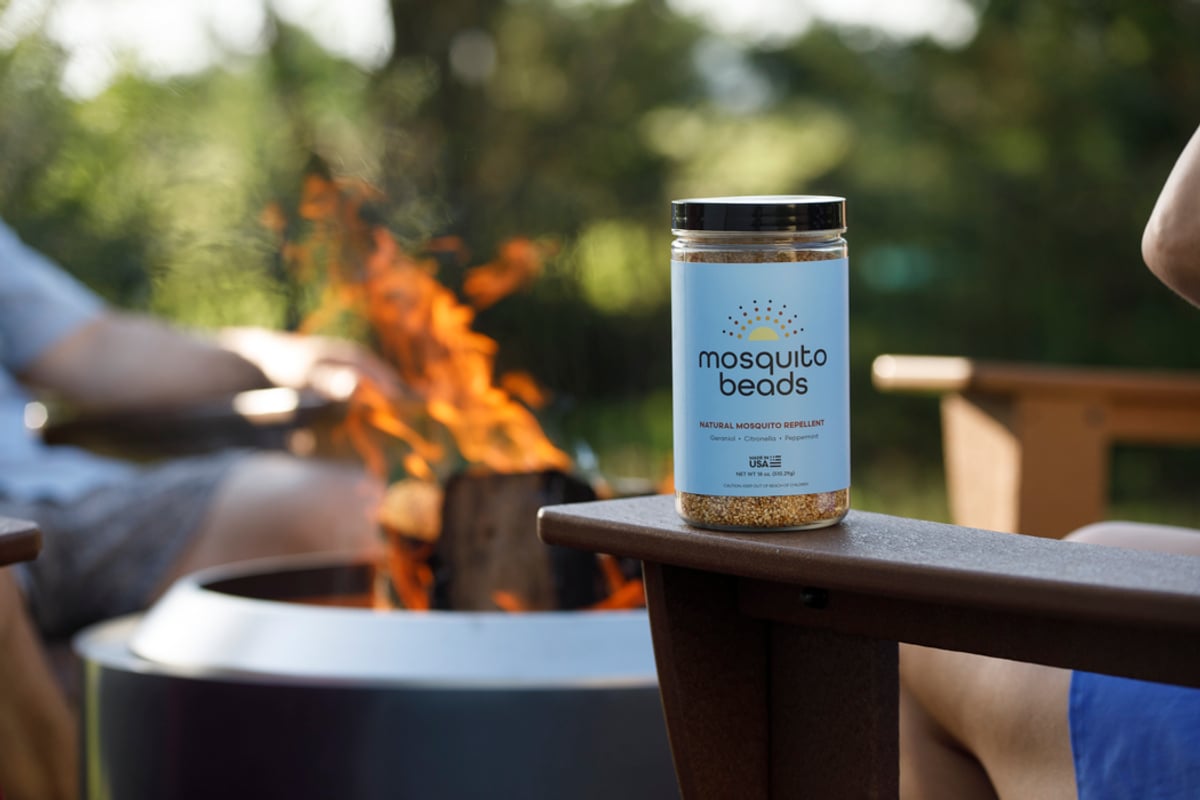
Biodegradable granules infused with essential oil blends work differently than wearable repellents. Instead of coating skin with chemicals, you pour them on the ground where people gather. The released scent masks human odors at the exact level mosquitoes track, causing them to drift past rather than land. Nothing touches your guests, no reapplication interrupts conversation, and the entire patio gains protection rather than just individuals.
Peak performance typically runs one to two days per application, making this approach ideal for weekend entertaining or planned outdoor dinners. Coverage scales to space size-larger patios require more product, while compact seating areas need less.
How Scent-Masking Differs from Killing
Many patio treatments focus on killing adult mosquitoes through chemical barriers or foggers. These approaches raise concerns about non-target insects, pet exposure, and chemical residue on surfaces where children play. Scent-masking takes a fundamentally different path.
By disrupting a mosquito's ability to detect humans rather than killing the insect, you maintain ecological balance while protecting your space. Beneficial pollinators, fireflies, and other insects remain unharmed. The biodegradable nature of corn-based granules means they break down naturally without leaving synthetic compounds in soil.
This matters particularly for families treating their patio as an extension of indoor living space. You wouldn't spray chemical insecticide across your living room carpet before guests arrive-the same logic applies to outdoor rooms where pets lounge and children play barefoot.
Essential Oil Effectiveness in Outdoor Settings
A systematic review of essential oils as mosquito repellents confirms that certain plant-derived compounds provide measurable protection. The challenge lies in formulation and delivery. Pure essential oils evaporate quickly when applied to skin, requiring reapplication every 30 to 60 minutes. This makes them impractical for extended patio use.
Promising essential oil compounds include:
- Geraniol (from geraniums and roses) - disrupts mosquito olfactory receptors
- Citronella (from lemongrass) - masks attractant scents
- Peppermint oil - creates sensory confusion
- Eugenol (from clove) - interferes with CO₂ detection
- Rosemary oil - multi-compound mosquito deterrent
Combining multiple oils creates synergistic effects stronger than single-compound formulas. When suspended in slow-release carriers rather than applied directly to skin, these oils maintain effective concentrations in the air for extended periods. This delivery method solves the evaporation problem that limits topical applications.
For those concerned about chemical load near family, understanding how to protect your space naturally offers peace of mind. Six-oil blends provide coverage without introducing synthetic pesticides into your outdoor living environment.
Ground-applied granules eliminate the sticky, greasy feel of traditional sprays. Guests never need to coat their skin or ask "did I miss a spot?" The protection exists at the space level, not the individual level. This shift transforms how you host outdoor gatherings-no pre-party spray stations, no bottles cluttering your beautifully set table, no chemical odor competing with dinner aromas.
Application Strategies for Different Patio Configurations
Coverage patterns vary based on patio size, layout, and typical mosquito pressure. Understanding application zones maximizes protection while minimizing product waste.
| Patio Size | Coverage Pattern | Application Frequency |
|---|---|---|
| Up to 300 sq ft | Perimeter plus seating areas | Every 48 hours |
| 300-600 sq ft | Grid pattern, 3-foot spacing | Every 48 hours |
| 600-1,000 sq ft | Perimeter heavy, center light | Every 48 hours |
| Over 1,000 sq ft | Zone treatment for active areas | As needed |
For evening entertaining, apply granules 20 to 30 minutes before guests arrive. This allows scent compounds to disperse and establish the protective zone. On multi-day occasions like weekend barbecues or outdoor parties, a single application covers the entire event period.
Open jars placed near seating areas provide supplemental protection in high-traffic zones. The passive release creates concentrated scent-masking where people linger longest-around dining tables, conversation areas, and outdoor kitchens. This approach requires no flame, produces no smoke, and integrates visually into any décor style.
Integrated Natural Mosquito Repellent Patio Management
The most effective natural mosquito repellent patio strategies layer multiple approaches. Relying on a single method rarely delivers the protection suburban families expect from their outdoor sanctuary.
Morning routine (5 minutes):
- Empty any water that collected overnight in planters, toys, or furniture
- Check birdbaths and change water if needed
- Note areas where mosquitoes rest during heat (under furniture, in vegetation)
Weekly maintenance (15 minutes):
- Trim vegetation to reduce mosquito resting sites
- Clear leaf litter and debris where humidity concentrates
- Inspect gutters and drainage areas for standing water
- Refresh mosquito dunks in water features
Pre-event preparation (10 minutes):
- Apply ground-level scent-masking granules around seating
- Position fans at strategic locations
- Ensure pathway lighting guides guests away from mosquito-prone areas
- Place open jars near high-traffic zones for concentrated protection
This integrated approach addresses mosquitoes at every life stage-preventing breeding through source reduction, disrupting adult navigation with scent masking and airflow, and maintaining long-term pressure through consistent habitat management.
Pet Safety and Natural Repellents
Families with dogs and cats face unique concerns when treating their patio for mosquitoes. Chemical sprays and foggers often carry warnings about pet exposure, requiring animals to stay indoors for hours after application. Understanding pet-friendly mosquito protection becomes essential for households where pets share outdoor space.
Natural essential oil formulations used as directed typically pose minimal risk to pets. The key phrase is "used as directed"-this means ground application rather than direct contact with animals. Cats are particularly sensitive to certain essential oils, making proper application critical.
Pet-safe practices:
- Apply granules where pets won't directly ingest them
- Allow scent compounds to disperse before pets access the area
- Keep concentrated product in closed containers out of reach
- Monitor pets during initial applications to ensure no adverse reactions
- Choose formulas specifically tested for pet safety
Unlike spray applications that coat surfaces where pets walk and groom, ground granules remain in specific zones. Pets don't rub against treated grass or pick up residue on paws that later transfers to their coat during grooming. This separation between product and pet provides the safety margin families need.
Timing Your Natural Mosquito Repellent Patio Strategy
Mosquito activity follows predictable patterns based on time of day, season, and weather conditions. Understanding what attracts mosquitoes most helps you anticipate when protection matters most.
Daily Activity Peaks
Mosquitoes hunt most aggressively during low-light periods:
- Dawn (5:30-7:30 AM) - Early coffee on the patio requires morning protection
- Dusk (7:00-9:00 PM) - Prime entertaining hours overlap with peak mosquito activity
- Nighttime (after 9:00 PM) - Sustained activity continues until temperatures drop
Apply natural repellents before these windows open. Morning applications protect breakfast and afternoon outdoor work. Late afternoon applications (4:00-5:00 PM) establish protection before the evening rush when most patio entertaining begins.
Seasonal Considerations
Mosquito populations peak at different times across the United States. Southern states face year-round pressure, while northern regions see intense summer concentrations. Understanding your regional pattern determines when to maintain consistent protection versus occasional treatment.
Texas homeowners know that effective natural mosquito strategies must account for extended warm seasons and multiple mosquito species. Spring rains create ideal breeding conditions, requiring early-season vigilance around standing water.
Mid-Atlantic and Northeastern families typically focus protection from May through September, with July and August demanding the most consistent coverage. Pacific Northwest regions face shorter but intense seasons where coastal humidity supports mosquito populations despite cooler temperatures.
Visual Integration: Keeping Your Patio Beautiful
The outdoor sanctuary host invests significant thought into patio aesthetics. Every element-from furniture selection to lighting design-contributes to a cohesive visual environment. Introducing mosquito protection shouldn't disrupt this careful curation.
Citronella torches and bug zappers create obvious visual statements that conflict with refined outdoor design. The blue glow of an electric zapper contradicts warm ambient lighting, while torch flames introduce fire hazard concerns around fabric cushions and wooden furniture.
Ground-applied products remain invisible once dispersed. No equipment clutters corners, no devices hang from pergolas, no candles demand space on tabletops. The protection operates unseen, allowing your design choices to remain the focal point.
For supplemental coverage, open jars blend into existing décor. A small glass container fits naturally on a side table, windowsill, or bar surface without announcing its purpose. Guests simply enjoy a mosquito-free evening without encountering obvious pest-control equipment.
This invisible approach matters particularly for event photography. Wedding receptions, milestone birthday parties, and holiday gatherings create memories captured in photos. No one wants bug zappers or repellent bottles visible in the background of treasured images.
Common Mistakes in Natural Mosquito Repellent Patio Setup
Even well-intentioned homeowners make errors that undermine protection. Recognizing these patterns helps you avoid wasted effort and disappointing results.
Mistake 1: Treating only the patio surface
Mosquitoes rest in surrounding vegetation during the day and emerge at dusk. Ignoring landscaping within 20 feet of your patio means you're protecting a small island while mosquitoes mass just beyond the perimeter. Extend your treatment zone into adjacent grass, flower beds, and under shrubs where mosquitoes shelter during heat.
Mistake 2: Inconsistent application timing
Natural repellents work best with regular reapplication. Waiting until you notice mosquitoes means they've already established presence. Set a schedule-every 48 hours during peak season-and maintain it regardless of immediate mosquito visibility. Prevention always outperforms reaction.
Mistake 3: Ignoring humidity and shade
Mosquitoes thrive in humid, shaded areas. Dense plantings along north-facing walls, spaces under decks, and areas near irrigation systems create perfect mosquito habitat. Increase coverage in these zones rather than applying uniformly across sunny, dry sections that naturally deter mosquitoes.
Mistake 4: Over-reliance on plants alone
Aromatic herbs and mosquito-repelling plants provide marginal benefits compared to their reputation. Lavender smells wonderful but won't protect your dinner party. Use plants as part of an integrated strategy, not as primary defense.
Mistake 5: Forgetting about guests' arrival path
You protect the patio perfectly but ignore the walkway from the driveway or side gate. Guests pick up mosquitoes during the 30-second walk to your seating area, then wonder why your "mosquito-free" zone has biting insects. Extend protection along approach paths, especially through shaded areas.
Measuring Success: What Protection Actually Looks Like
Natural mosquito repellent patio strategies won't eliminate every single mosquito. That's an unrealistic standard even professional chemical treatments struggle to meet. Instead, success means dramatically reducing encounters to the point where mosquitoes don't interrupt your outdoor experience.
Realistic expectations:
- Before protection: 5-15 mosquito bites per person per hour during peak times
- After comprehensive natural strategy: 0-2 mosquito encounters per person per evening
- Guests notice: Ability to sit outside comfortably without constant swatting
- Children play freely: Kids don't rush indoors complaining about bites
Track your results over two to three weeks. Note mosquito encounters before implementing changes, then document improvement after establishing your natural protection routine. Most families report 80-90% reduction in mosquito nuisance within the first week of consistent application.
Some evenings will still present challenges. Unusual wind patterns, temperature inversions, or neighboring properties with severe mosquito breeding can overwhelm even excellent protection. The goal is making 90% of your patio time comfortable, not achieving impossible perfection.
Cost Analysis: Natural vs. Chemical Treatments
Professional mosquito services charge $60-$100 per monthly application for average suburban lots. Annual costs run $600-$1,200 depending on property size and treatment frequency. These services typically use synthetic pyrethroids applied as barrier sprays to vegetation.
Natural ground-applied solutions range from $20-$35 per application for comparable coverage. Assuming twice-weekly applications during a 20-week mosquito season (May through September), total seasonal cost reaches $800-$1,400. This compares favorably to professional services while eliminating synthetic chemicals from your property.
For families seeking cost-effective natural alternatives, the calculation includes more than dollars. Peace of mind about chemical exposure near children and pets, elimination of sticky personal sprays for guests, and compatibility with organic gardening practices all contribute value beyond simple price comparison.
DIY implementation requires minimal time investment-10 minutes twice weekly for application plus 20 minutes weekly for habitat management. Professional services save time but require being home for appointments and keeping pets indoors during and after treatment.
Building a natural mosquito repellent patio requires layering habitat management, strategic airflow, and effective ground-level scent masking to protect your outdoor sanctuary without chemical sprays. When you're ready to eliminate sticky applications and create space-wide protection that keeps mosquitoes away without touching anyone's skin, Mosquito Beads offers biodegradable granules infused with six essential oils that mask human scent at ground level-just pour where you gather, and let the beads protect your space naturally.