

Pet Mosquito Repellent: Safe Protection for Your Animals
As pet owners spend more time outdoors with their furry companions in 2026, protecting animals from mosquito bites has become a priority for health-conscious families. The challenge lies in finding effective solutions that don't compromise pet safety, as many traditional repellents contain ingredients that can be toxic to dogs and cats. Understanding the options available and how to use pet mosquito repellent properly ensures your animals can enjoy outdoor time without the risk of bites, disease transmission, or chemical exposure.
Understanding the Risks Mosquitoes Pose to Pets
Mosquitoes represent more than just a nuisance to your pets. These insects can transmit serious diseases that affect both dogs and cats, making protection essential for animal health.
Heartworm disease remains the most significant mosquito-borne threat to pets, with cases reported across all 50 states. When an infected mosquito bites your pet, it can transmit heartworm larvae that develop into foot-long worms living in the heart, lungs, and blood vessels. The U.S. EPA provides comprehensive information about mosquito biology and disease risks that affect both humans and animals.
Disease Transmission Beyond Heartworm
While heartworm gets the most attention, mosquitoes can also carry other pathogens that affect pets:
- West Nile virus, which can cause neurological symptoms in dogs
- Eastern Equine Encephalitis (EEE), affecting horses and occasionally dogs
- Systemic febrile illness from various mosquito-borne viruses
- Secondary infections from excessive scratching and bite wounds
The European Medicines Agency has established guidelines for veterinary products designed to reduce vector-borne pathogen transmission in dogs and cats, emphasizing the global nature of this concern.
Why Traditional Repellents Can Harm Pets
Many mosquito repellents designed for human use contain ingredients that pose serious health risks to pets. Understanding these dangers helps pet owners make informed choices about protection methods.
DEET Toxicity in Animals
DEET, the most common active ingredient in conventional repellents, should never be applied to pets. Dogs and cats can experience severe reactions including:
- Neurological symptoms such as tremors and seizures
- Excessive drooling and vomiting
- Skin irritation and chemical burns
- Behavioral changes and disorientation
According to Preventive Vet's safety guidelines, even minimal exposure to DEET-containing products can trigger these reactions, particularly in smaller animals or those with existing health conditions.
Other Harmful Ingredients
| Ingredient | Risk Level | Symptoms in Pets |
|---|---|---|
| Permethrin | Extremely High (Cats) | Seizures, tremors, death |
| Picaridin | Moderate | Gastrointestinal upset, lethargy |
| Oil of Lemon Eucalyptus | Moderate to High | Vomiting, weakness, depression |
| Citronella (concentrated) | Low to Moderate | Skin irritation, GI upset if ingested |
Permethrin deserves special attention because it's highly toxic to cats, even in small amounts. Products safe for dogs can be fatal to felines, making household choices critical when you have multiple species of pets.
Natural Pet Mosquito Repellent Options
Pet-safe mosquito protection focuses on natural ingredients and spatial repellent strategies rather than topical applications containing synthetic chemicals.
Essential Oil-Based Solutions
When properly formulated, certain essential oils can provide effective mosquito deterrence without the toxicity of synthetic chemicals. The key lies in using pet-safe oils at appropriate concentrations.
Safe essential oils for pet mosquito repellent include:
- Cedarwood oil, which disrupts mosquito sensory receptors
- Peppermint oil, providing a scent barrier mosquitoes avoid
- Lemongrass oil, masking the attractant scents pets produce
- Geraniol, a naturally occurring compound in several plants
These ingredients work by creating an olfactory barrier that makes it difficult for mosquitoes to locate their targets. Rather than killing insects, they mask the carbon dioxide and other attractants that draw mosquitoes from up to 30 feet away.
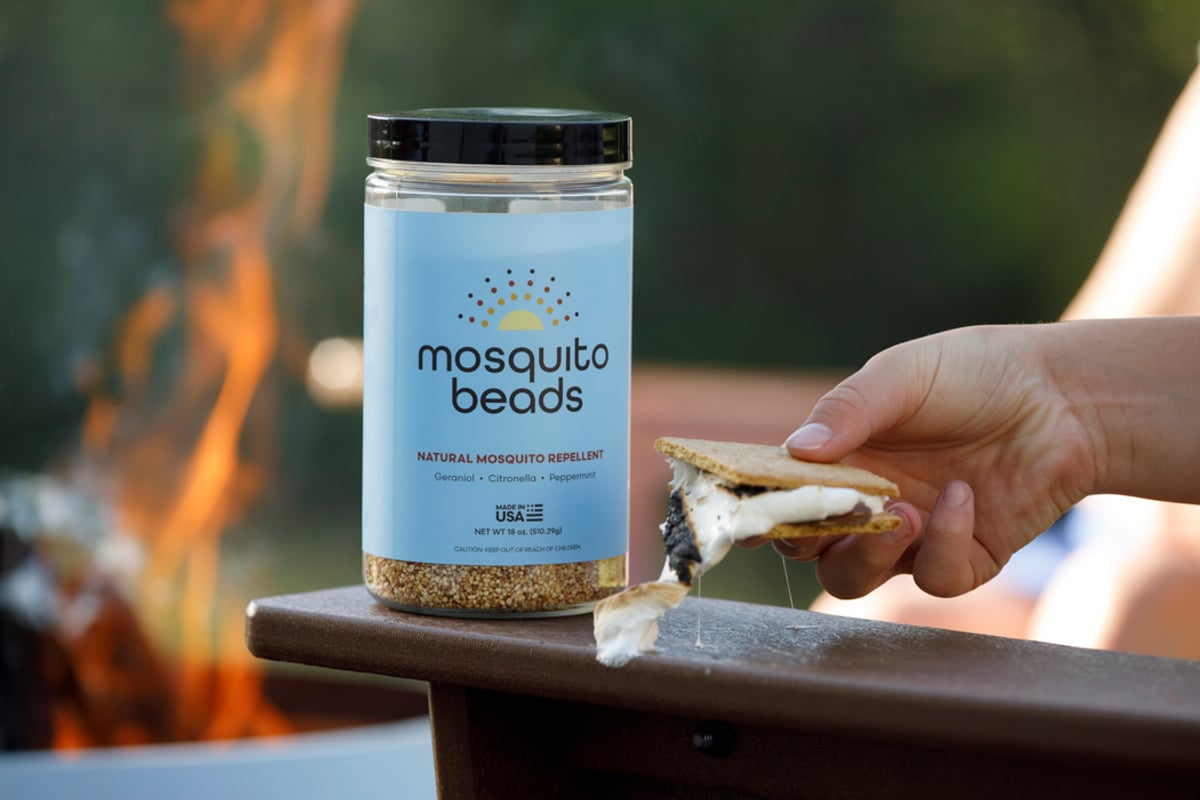
For pet owners looking for a convenient application method, Natural Mosquito Repellent products like Mosquito Beads offer a spatial protection approach. These biodegradable beads contain a blend of six essential oils and can be poured on the ground where pets play, creating a protected zone without requiring any direct application to your animal's fur or skin.
Spatial vs. Topical Protection
The distinction between spatial and topical pet mosquito repellent matters significantly for safety and effectiveness.
Spatial repellents create a protective zone around an area rather than on the pet's body. This approach offers several advantages:
- No risk of ingestion when pets groom themselves
- Protects multiple pets simultaneously
- No skin irritation or allergic reactions
- Easy to refresh and maintain
Research on volatile pyrethroid spatial repellents has demonstrated the effectiveness of area-wide protection strategies, though natural alternatives provide similar benefits without synthetic chemicals.
Topical repellents applied directly to pets require extreme caution. Even "natural" products need veterinary approval, as concentration levels safe for humans may overwhelm a pet's smaller body mass and different metabolism.
Creating a Mosquito-Free Environment for Pets
Beyond using pet mosquito repellent products, environmental management plays a crucial role in protecting your animals from bites.
Eliminating Breeding Sites
Mosquitoes require standing water to complete their life cycle. Removing these breeding grounds dramatically reduces the mosquito population where your pets spend time.
- Empty and scrub pet water bowls daily
- Clean bird baths and refill with fresh water twice weekly
- Eliminate standing water in plant saucers, gutters, and yard debris
- Cover or treat ornamental ponds with pet-safe mosquito dunks
- Ensure proper drainage in areas where pets frequently play
The European Centre for Disease Prevention & Control emphasizes environmental control as a cornerstone of preventing mosquito-borne disease transmission to both humans and animals.
Timing Outdoor Activities
Strategic scheduling reduces your pet's exposure to peak mosquito activity periods.
| Time of Day | Mosquito Activity | Recommendation |
|---|---|---|
| Dawn (5-7 AM) | Very High | Limit outdoor time or use repellent |
| Morning (7 AM-11 AM) | Low to Moderate | Generally safe with normal precautions |
| Afternoon (11 AM-5 PM) | Low | Safest time for extended outdoor play |
| Dusk (5-8 PM) | Very High | Limit outdoor time or use repellent |
| Night (8 PM+) | High | Supervise closely, use protection |

Application Methods for Different Pet Types
Dogs and cats have different needs when it comes to mosquito protection, influenced by their behavior patterns, grooming habits, and physiological differences.
Protecting Dogs from Mosquitoes
Dogs typically spend more time outdoors than cats, requiring robust protection strategies. Their varied coat types and sizes also influence product selection.
For short-haired breeds, mosquitoes can easily access skin, making comprehensive coverage essential. Spatial repellents work particularly well because they protect the entire area where dogs play, rest, or exercise. Consider using mesh bag applications that can hang near kennels, on patios, or in areas where your dog spends significant time.
Long-haired dogs have some natural protection from their coats, but mosquitoes still target exposed areas like ears, nose, and belly. Creating a protected outdoor space allows these dogs to enjoy the outdoors without constant harassment.
Special Considerations for Cats
Cats present unique challenges for mosquito protection due to their grooming behavior and sensitivity to many compounds safe for dogs.
- Never use dog-specific products on cats without veterinary approval
- Avoid any products containing permethrin, which is lethal to felines
- Focus on environmental control rather than topical applications
- Keep outdoor cats inside during peak mosquito hours when possible
Indoor-outdoor cats benefit from spatial protection strategies around doorways, porches, and favorite outdoor lounging spots. This approach provides protection without the risks associated with applying any substance directly to their fur.
Evaluating Pet Mosquito Repellent Effectiveness
Determining whether your chosen pet mosquito repellent actually works requires observation and understanding what realistic protection looks like.
Signs Your Protection Strategy Is Working
- Reduced scratching and bite-related discomfort in pets
- Ability to spend time outdoors without constant harassment
- Fewer visible welts or irritated spots on exposed skin
- Pets voluntarily spending more time in protected areas
- Observable reduction in mosquito presence around pet zones
Realistic expectations matter because no repellent provides 100% protection. The goal is significant reduction in bites and mosquito encounters, not complete elimination of every insect.
When to Reassess Your Approach
If you notice continued problems despite using pet mosquito repellent, consider these factors:
- Product concentration may be insufficient for severe mosquito pressure
- Application frequency might need adjustment (spatial products typically protect for 24-48 hours)
- Environmental factors like nearby standing water may be overwhelming protection efforts
- Weather conditions such as rain can reduce effectiveness of outdoor applications
Many pet owners find success with combination strategies that include environmental management, spatial repellents, and strategic timing of outdoor activities. You can learn more about protecting your space from mosquitoes through comprehensive approaches.
Safe Application Guidelines and Best Practices
Using pet mosquito repellent correctly maximizes protection while minimizing any potential risks to your animals.
Reading Labels and Following Instructions
Every repellent product, natural or synthetic, comes with specific usage guidelines that should be followed precisely.
Critical label information includes:
- Age restrictions (many products aren't safe for puppies or kittens)
- Species limitations (dog vs. cat approved)
- Application frequency recommendations
- Active ingredient concentrations
- Storage and handling requirements
When choosing products from the featured collection, verify that formulations align with your pet's specific needs and any existing health conditions.
Testing for Sensitivities
Even natural pet mosquito repellent products can cause reactions in sensitive animals. Before widespread use, conduct a small test application.
- Apply a small amount of product in a limited area
- Observe your pet for 24 hours for any adverse reactions
- Watch for excessive scratching, redness, or behavioral changes
- Discontinue use immediately if any concerning symptoms appear
- Consult your veterinarian if reactions occur
This precautionary approach prevents larger-scale problems and helps identify sensitivities before they become serious health issues.
Seasonal Considerations for Pet Protection
Mosquito pressure varies dramatically throughout the year, requiring adjusted protection strategies as seasons change.
Peak Season Intensification
In most regions, mosquito populations surge during warm, humid months from May through September. During this period:
- Increase application frequency of spatial repellents
- Be especially vigilant during dawn and dusk outdoor time
- Monitor standing water more carefully after rainfall
- Consider using bundle packs to ensure adequate supply throughout peak season
Southern states may experience year-round mosquito activity, requiring consistent protection rather than seasonal application.
Winter and Off-Season Strategy
| Region | Winter Mosquito Risk | Recommended Action |
|---|---|---|
| Northern States | Minimal to None | Pause active protection, focus on prevention |
| Central States | Low, occasional warm spells | Monitor temperatures, apply as needed |
| Southern States | Moderate, ongoing risk | Maintain regular protection schedule |
| Coastal Areas | Variable, depends on rainfall | Adjust based on local conditions |
Even during cooler months, eliminate standing water to prevent early spring population explosions when the first warm weather arrives.
Cost-Effective Pet Mosquito Protection
Managing mosquito protection for pets throughout an entire season requires balancing effectiveness with budget considerations.
Comparing Protection Methods
Natural spatial repellents often provide better value than topical products because they protect multiple pets simultaneously and don't require per-animal application. A single application can create a protected zone for all household pets.
Monthly cost comparison for average household:
- Professional mosquito control services: $75-150 per month
- Topical pet-specific repellents: $30-60 per month per pet
- Spatial natural repellents: $25-40 per month for entire outdoor space
- DIY environmental management: $10-20 per month in supplies
For families with multiple pets, bundled products offer volume savings while ensuring consistent protection throughout peak season. You can explore detailed cost comparisons to determine the most economical approach for your situation.
Long-Term Value Considerations
The true cost of pet mosquito repellent extends beyond initial purchase price. Factor in:
- Veterinary costs for treating mosquito-borne diseases (heartworm treatment can exceed $1,000)
- Monthly heartworm preventive medications ($8-15 per pet)
- Replacement costs if products cause adverse reactions requiring vet visits
- Time investment required for various application methods
Prevention investment typically costs far less than treating mosquito-borne illnesses, making effective repellent use a sound financial decision.
Integrating Repellents with Veterinary Care
Pet mosquito repellent works best as part of a comprehensive health strategy coordinated with your veterinarian.
Preventive Medication Compatibility
Heartworm preventive medications remain essential even when using repellents. These monthly treatments kill larvae transmitted during any breakthrough bites, providing a critical safety net.
Your veterinarian should know about:
- All repellent products you're using around your pets
- Any natural remedies or spatial applications in pet areas
- Plans to introduce new protection methods
- Any skin sensitivities or reactions you've observed
This communication ensures all protection layers work together without creating conflicts or unexpected interactions.
Annual Testing and Monitoring
Dogs should receive annual heartworm testing regardless of repellent use and preventive medication compliance. This testing:
- Confirms protection strategies are working effectively
- Catches any infections before symptoms develop
- Allows early intervention if transmission occurred
- Provides peace of mind about your pet's health status
Cats also benefit from heartworm testing, though they're tested less frequently than dogs since they're not natural heartworm hosts.
Protecting your pets from mosquitoes requires a thoughtful combination of safe repellent products, environmental management, and strategic outdoor timing. By choosing natural, pet-friendly solutions that create protective zones rather than relying on potentially harmful topical chemicals, you can ensure your animals enjoy outdoor time safely. Discover how Mosquito Beads provides biodegradable, DEET-free protection that keeps your pets safe while they play, whether you're relaxing on the patio, camping, or watching the game from the sidelines.