

Alternative Mosquito Repellent: Options Beyond DEET
The demand for alternative mosquito repellent solutions has grown significantly as homeowners seek protection without the drawbacks of conventional DEET sprays. Families gathering on patios, RV enthusiasts, and outdoor hosts are turning away from sticky aerosols and citronella candles that deliver inconsistent results. Today's options range from EPA-registered plant-derived compounds to innovative spatial repellent technologies that protect entire areas rather than individual skin surfaces. Understanding these alternatives requires examining how they work, their effectiveness, and whether they align with your lifestyle and safety priorities.
Understanding the Shift Away from Conventional Repellents
Traditional DEET-based products have dominated the market for decades, yet many households are reconsidering their reliance on these formulations. The primary concerns center on chemical exposure, especially in spaces where children and pets play freely.
DEET works effectively by interfering with mosquito sensory receptors, but it requires direct skin application and frequent reapplication. For hosts who entertain regularly or families who spend hours outside, this means repeated chemical contact. The greasy residue, potential fabric damage, and the impracticality of asking guests to spray themselves have prompted many to explore other paths.
The Problem with Spray-Based Solutions
Skin-applied repellents share common limitations regardless of their active ingredient:
- Require individual application to every exposed person
- Need reapplication every one to three hours
- Leave sticky or oily residue on skin and clothing
- Cannot be easily applied to pets or young children
- Protect only the person wearing them, not the shared space
The EPA's guide to finding the right repellent lists numerous approved ingredients, but nearly all require topical application. This creates a barrier for hosts who want seamless outdoor entertaining without asking guests to participate in a pre-gathering spray routine.

Plant-Derived Active Ingredients
The EPA recognizes several plant-derived active ingredients for topical mosquito repellents. These alternatives to DEET include oil of lemon eucalyptus (OLE), para-menthane-diol (PMD), and catnip oil.
Oil of lemon eucalyptus has demonstrated efficacy comparable to lower concentrations of DEET in controlled studies. PMD, the synthesized version of a compound found in lemon eucalyptus, offers similar protection. Both require application every few hours and still involve placing chemicals directly on skin.
| Active Ingredient | Source | Application Method | Duration | Key Limitation |
|---|---|---|---|---|
| OLE/PMD | Lemon eucalyptus | Topical spray/lotion | 2-6 hours | Skin contact required |
| Catnip oil | Nepeta cataria | Topical spray | 1-3 hours | Frequent reapplication |
| IR3535 | Synthetic amino acid | Topical spray/lotion | 2-4 hours | Still a spray product |
| 2-undecanone | Tomato plant extract | Topical spray | 3-4 hours | Limited availability |
These plant-derived options address concerns about synthetic chemicals but retain the fundamental inconvenience of topical application. They represent a step toward natural solutions while remaining firmly in the "something you wear" category.
Essential Oil Blends and Their Mechanisms
Essential oils function differently than EPA-registered active ingredients. Rather than blocking mosquito receptors chemically, they work through scent interference and deterrence. A systematic review of essential oils against Aedes aegypti documented repellent properties in compounds including geraniol, citronella, peppermint, eugenol, and rosemary oils.
Key essential oils studied for mosquito deterrence:
- Geraniol: Derived from geraniums and roses, masks human scent markers
- Citronella: Traditional outdoor repellent with moderate vapor action
- Peppermint: Contains menthol compounds that confuse mosquito tracking
- Eugenol: Clove oil component with strong aromatic properties
- Rosemary: Woody scent that interferes with CO2 detection
- Cornmint: High menthol content, sharper than standard peppermint
When combined strategically, these oils create layered scent profiles that make it harder for mosquitoes to locate their targets. The challenge with most essential oil products has been delivery: candles provide inconsistent coverage, skin oils wash off quickly, and diffusers work only in enclosed spaces.
Spatial Repellent Technologies
The emerging category of spatial repellents marks a significant departure from individual protection models. Instead of treating people, these solutions treat the environment itself.
Research published in PLOS Neglected Tropical Diseases explores novel delivery mechanisms for repellent compounds that create protective zones. The concept shifts from "protect each person" to "protect the gathering space."
How Ground-Level Scent Masking Works
Mosquitoes hunt using a multi-sensory approach. They detect carbon dioxide from up to 30 feet away, then home in using body heat and scent compounds released through human skin. Much of this sensory processing happens at ground level as mosquitoes approach in low flight patterns.
The scent-masking approach:
- Deploy essential oil compounds at ground level where mosquitoes fly
- Create aromatic barrier that masks human scent markers
- Interrupt tracking before mosquitoes reach skin level
- Maintain protection across entire treated area, not individual bodies
This methodology addresses the fundamental limitation of spray repellents: they protect one person at a time and require cooperation from everyone present. When you mask scent at the source level, the entire patio or campsite benefits simultaneously.
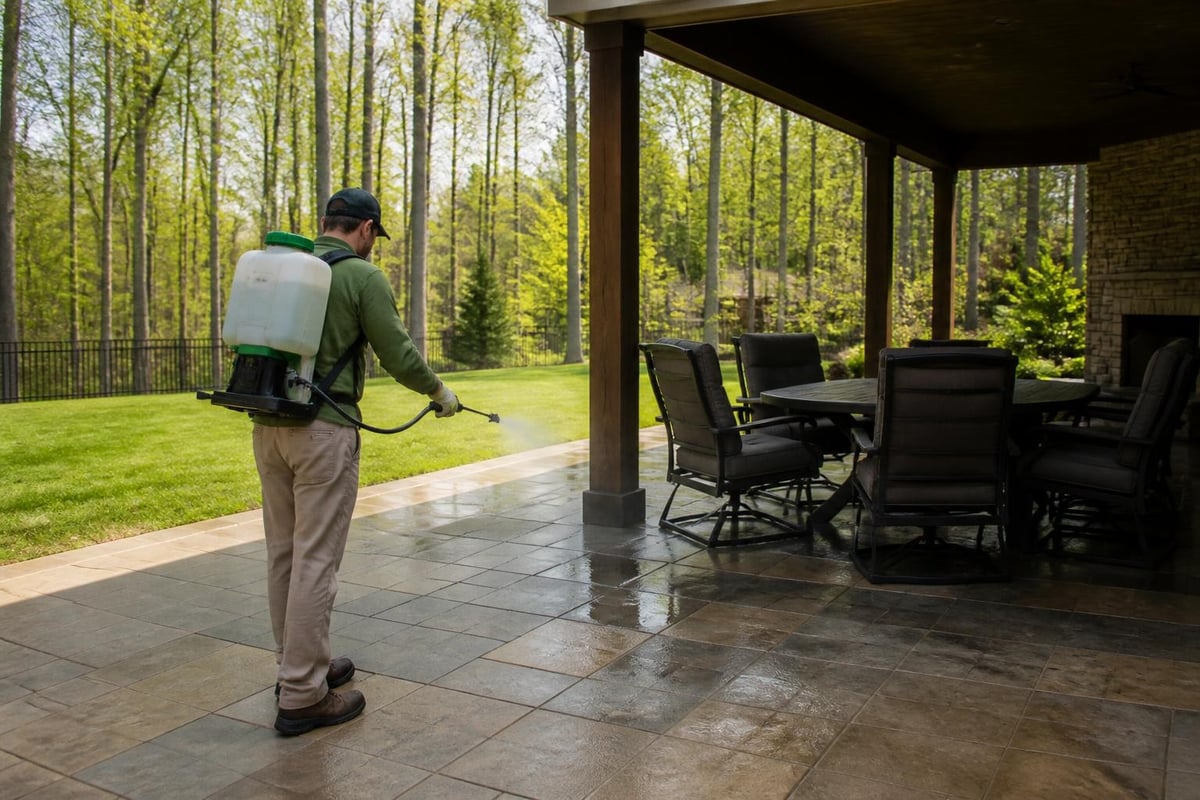
Ground-applied solutions offer particular advantages for the suburban patio host. Nothing touches guest skin. No one needs instruction. Pets move freely without risk. The aesthetic remains clean without devices, flames, or visible equipment cluttering the table.
For families prioritizing a chemical-free approach to outdoor living, biodegradable granules infused with essential oil blends deliver protection where it matters most. When you pour natural mosquito repellent on the ground, you're creating an invisible shield that works continuously across the entire gathering space for days rather than hours.

Comparing Performance and Practicality
Effectiveness matters, but so does real-world usability. An alternative mosquito repellent that requires constant attention or complicated application will collect dust regardless of its ingredient profile.
Duration and Coverage
Traditional DEET sprays require reapplication every two to four hours depending on concentration. Plant-based topical alternatives fall into similar windows. Citronella candles work only while burning and protect roughly three to five feet around the flame.
Performance comparison across alternative methods:
| Method Type | Protection Duration | Coverage Area | Reapplication Frequency | Guest Participation |
|---|---|---|---|---|
| Essential oil spray | 1-3 hours | Per person | Every few hours | Required |
| Citronella candle | While burning | 3-5 ft radius | Relight as needed | None |
| Coil burners | 5-7 hours | 10-15 ft radius | Replace coil | None (but smoke present) |
| Ground-applied beads | Peak days 1-2 | Up to 1,000 sq ft | Every 2-3 days | None |
The University of Florida IFAS extension guidance on mosquito repellents emphasizes matching the product to your specific use case. For quick outdoor tasks, a topical spray makes sense. For extended patio gatherings, spatial solutions eliminate the reapplication burden.
Safety and Environmental Considerations
Pet safety concerns frequently drive the search for alternative mosquito repellent options. DEET and permethrin pose documented risks to cats and can irritate dog skin. Plant-derived topical products may be safer but still require preventing pets from licking treated skin.
Ground-level applications using food-grade carriers and properly diluted essential oils present fewer pet hazards when used as directed. The compounds disperse into air rather than concentrating on fur or skin. Biodegradable carriers break down naturally without leaving residue that curious pets might ingest.
Environmental persistence matters too. Aerosol propellants, plastic packaging, and non-degradable carriers accumulate in landfills. Corn-based or plant-derived granules that break down completely align better with sustainability values.
Regulatory Framework and Product Evaluation
The EPA regulates mosquito repellents under FIFRA (Federal Insecticide, Fungicide, and Rodenticide Act). Products fall into two primary categories: conventional pesticides and minimum-risk pesticides under 25(b) exemption.
Understanding product classifications:
- EPA-registered pesticides: Require extensive testing, clear efficacy data, formal registration (DEET, picaridin, OLE/PMD)
- 25(b) minimum-risk products: Use specific low-risk ingredients, don't require registration but must follow composition rules (certain essential oils)
- WHO prequalified products: Meet international standards for vector control, useful indicator of global acceptance
The WHO Vector Control Advisory Group evaluates emerging technologies including spatial repellents. While focused on disease-endemic regions, their frameworks help assess what constitutes credible evidence for alternative approaches.
Products in the 25(b) category use ingredients generally recognized as safe but may have less extensive field testing than registered pesticides. This doesn't mean they don't work, but buyers should understand the regulatory distinction. Questions about specific products can often be addressed through the contact page or detailed FAQ sections.

Practical Application Strategies
Selecting an alternative mosquito repellent is only the first step. Effective deployment requires understanding the product's optimal use conditions.
Matching Method to Activity
Different outdoor activities demand different protection strategies:
Stationary entertaining (patio dinners, deck gatherings):
- Ground-applied spatial repellents excel here
- Coverage remains consistent across the entire area
- Guests don't need individual treatment
- Works while people move between table and grill
Active outdoor recreation (hiking, running):
- Topical plant-based repellents work better
- Protection moves with the person
- Reapplication possible during breaks
- Contained to individual, not broader environment
Camping and RV sites:
- Combination approach often optimal
- Ground treatment for sleeping and cooking zones
- Portable options for perimeter extension
- Consider wildlife-safe formulations
Youth sports sidelines:
- Parents need hassle-free solutions
- No time to spray multiple children repeatedly
- Portable ground applications around chairs and blankets
- Avoid products requiring open flame near active play
Understanding how mosquitoes detect humans helps explain why location-specific treatments work. When you know they track from ground level following scent plumes, placing deterrents at that intercept point makes strategic sense.
Layering Approaches
Some situations benefit from combining alternative mosquito repellent methods rather than relying on a single solution.
Effective layering strategies:
- Perimeter and zone approach: Treat primary gathering area with ground application, use topical for individuals venturing beyond coverage
- Time-based switching: Ground treatment for evening hours in stationary space, carry portable option for afternoon garden work
- Environmental modification plus repellent: Eliminate standing water, trim vegetation, then add spatial repellent for remaining pressure
The key is avoiding redundancy that wastes money without improving protection. Two spray products don't double effectiveness. But a treated space plus personal protection for someone allergic to certain oils creates smart redundancy.
Cost and Value Considerations
Price comparisons between alternative mosquito repellent options require looking beyond the purchase price to cost per use and convenience factors.
A $15 bottle of essential oil spray might seem economical until you calculate per-application cost for a family of four hosting twice weekly. If each person needs reapplication every two hours over a four-hour gathering, you're looking at eight applications per event, sixteen per week.
Cost breakdown example:
| Product Type | Initial Cost | Coverage | Applications per Container | Cost per Event (4 people, 4 hours) |
|---|---|---|---|---|
| Natural spray | $14.99 | 100 sprays | ~100 | $5.99 (16 applications) |
| Citronella candles | $12.99 (3-pack) | 8 hrs each | 3 candles | $4.33 (2 candles) |
| Ground beads (18 oz) | $34.99 | 1,000 sq ft | Multiple events | $2.33 (lasts 2-3 events) |
The comparison of costs versus professional mosquito services adds another dimension. Monthly spray contracts from pest companies run $80 to $150 depending on yard size. DIY alternatives offer significant savings while maintaining control over what chemicals contact your property.
Regional Considerations and Seasonal Factors
Mosquito pressure varies dramatically by geography and time of year. What works in Kansas differs from Florida's mosquito challenges, and Texas presents its own unique conditions.
Regional factors affecting alternative repellent choice:
- Southern humidity: Makes topical applications more uncomfortable, increases preference for non-contact methods
- Northern seasonal intensity: Short but intense mosquito season favors temporary solutions over permanent installations
- Coastal areas: Wind patterns may disperse spatial repellents faster, requiring adjusted application rates
- Urban vs. rural: Different mosquito species with varying behavior patterns
Understanding your local mosquito species and their habits informs product selection. Asian tiger mosquitoes, common in suburbs, are aggressive day biters. Culex species peak at dusk. Alternative mosquito repellent strategies should align with the specific threat pattern you face.
Seasonal Application Timing
Peak mosquito season in most U.S. regions runs May through September, with southern areas seeing activity into November. Planning your repellent strategy before the season begins saves frustration.
Spring preparation (March-April):
- Eliminate standing water from winter debris
- Test selected alternative repellent before hosting events
- Stock up on preferred products while availability is best
- Establish application routine before mosquitoes reach peak numbers
Summer maintenance (June-August):
- Increase application frequency during heat waves (more breeding activity)
- Monitor coverage areas as outdoor use expands
- Adjust methods if initial choice proves inadequate
- Keep backup options for unexpected mosquito pressure spikes
Fall transition (September-October):
- Continue protection as long as temperatures stay above 50°F
- Take advantage of declining pressure to test new methods
- Evaluate season's effectiveness for next year planning
Integration with Broader Mosquito Management
The most effective alternative mosquito repellent strategy fits within a comprehensive approach to mosquito control. Repellents alone rarely solve persistent problems without addressing breeding sites and harborage.
Integrated mosquito management components:
- Source reduction: Remove standing water in gutters, planters, tarps, toys
- Habitat modification: Trim dense vegetation, improve drainage, maintain screens
- Biological controls: Encourage natural predators like dragonflies, bats, purple martins
- Repellent barrier: Apply chosen alternative method to final defense layer
When you protect your space from mosquitoes using multiple tactics, each component performs better. Ground-applied scent masking works more effectively when you've already reduced the overall mosquito population through source elimination.
This integrated approach mirrors professional pest management principles while keeping chemical use minimal and focused. You're not trying to eliminate every mosquito from your quarter-acre lot, just making your patio comfortable enough to actually use.
Special Considerations for Families and Pets
Households with young children and pets face unique constraints when selecting alternative mosquito repellent products. Safety concerns that seem minor for adults become significant when toddlers put hands in mouths constantly or dogs lick everything.
Child-Safe Application Methods
Pediatricians generally recommend avoiding DEET on children under two months and limiting concentration and frequency for older children. Plant-based topical repellents carry age restrictions too.
Child-friendly alternative approaches:
- Ground-applied spatial methods that don't touch skin
- Mesh bags clipped to strollers rather than spray on baby
- Loose-fitting protective clothing as primary barrier
- Screened play areas combined with perimeter treatment
The advantage of scent-masking ground applications is that children don't need to cooperate or remain still during application. You treat the space before they arrive, and protection covers them automatically.
Pet-Friendly Formulations
Essential oils pose varying risks to pets depending on concentration and specific compounds. Tea tree oil is toxic to cats; pennyroyal should be avoided around all pets. However, properly diluted geraniol, citronella, and peppermint have established safety profiles when used as directed.
Pet-safe mosquito repellent options focus on preventing direct contact and ingestion while maintaining effectiveness. Ground applications allow pets to move through treated areas without the concentrated exposure they'd get from topical products.
Pet safety checklist:
- Verify ingredient list against known pet toxins
- Ensure application method prevents licking or ingestion
- Follow dilution rates exactly as specified
- Observe pets for any adverse reactions during first use
- Provide untreated areas where pets can retreat if sensitive
Dogs and cats benefit from mosquito protection too, as they can contract heartworm from infected mosquitoes. A spatial solution that protects the entire backyard helps pets and people simultaneously.
Alternative mosquito repellent options have evolved far beyond citronella candles and sticky DEET sprays. From EPA-registered plant compounds to innovative spatial scent-masking technologies, today's solutions let you protect your outdoor sanctuary without compromising safety or comfort. If you're ready to reclaim your patio with a natural, ground-applied solution that protects your whole space without touching anyone's skin, explore how Mosquito Beads delivers days of protection from biodegradable granules you simply pour where you gather.