

Natural Mosquito Repellent RV: DEET-Free Solutions 2026
RV travel offers freedom, adventure, and the chance to wake up in spectacular locations. Yet mosquitoes can quickly turn your outdoor sanctuary into a frustrating experience. Traditional DEET sprays leave skin sticky and greasy, candles add visual clutter to your beautifully set outdoor table, and you cannot reasonably ask every visitor or child to apply chemical repellents every hour. The good news: natural mosquito repellent rv strategies in 2026 focus on protecting the space around your recreational vehicle rather than just treating individual people. This shift toward scent-masking and ground-level solutions gives RV owners control over their environment without compromising family health, pet safety, or outdoor aesthetics.
Why RV Camping Attracts Mosquitoes
Recreational vehicles park near the very environments mosquitoes love most. Campgrounds often sit alongside lakes, rivers, and wooded areas where standing water breeds mosquito populations. Your RV becomes ground zero for mosquito activity at dusk when you want to enjoy the outdoors most.
Mosquitoes hunt by scent, tracking carbon dioxide from up to 30 feet away and detecting body heat, sweat, and other human markers. When you set up camp chairs, open the awning, or grill dinner, you create a concentrated human scent zone that draws mosquitoes directly to your site. Traditional camping relied heavily on skin-applied DEET products, but EPA-registered repellents require frequent reapplication and direct skin contact that many families now prefer to avoid.
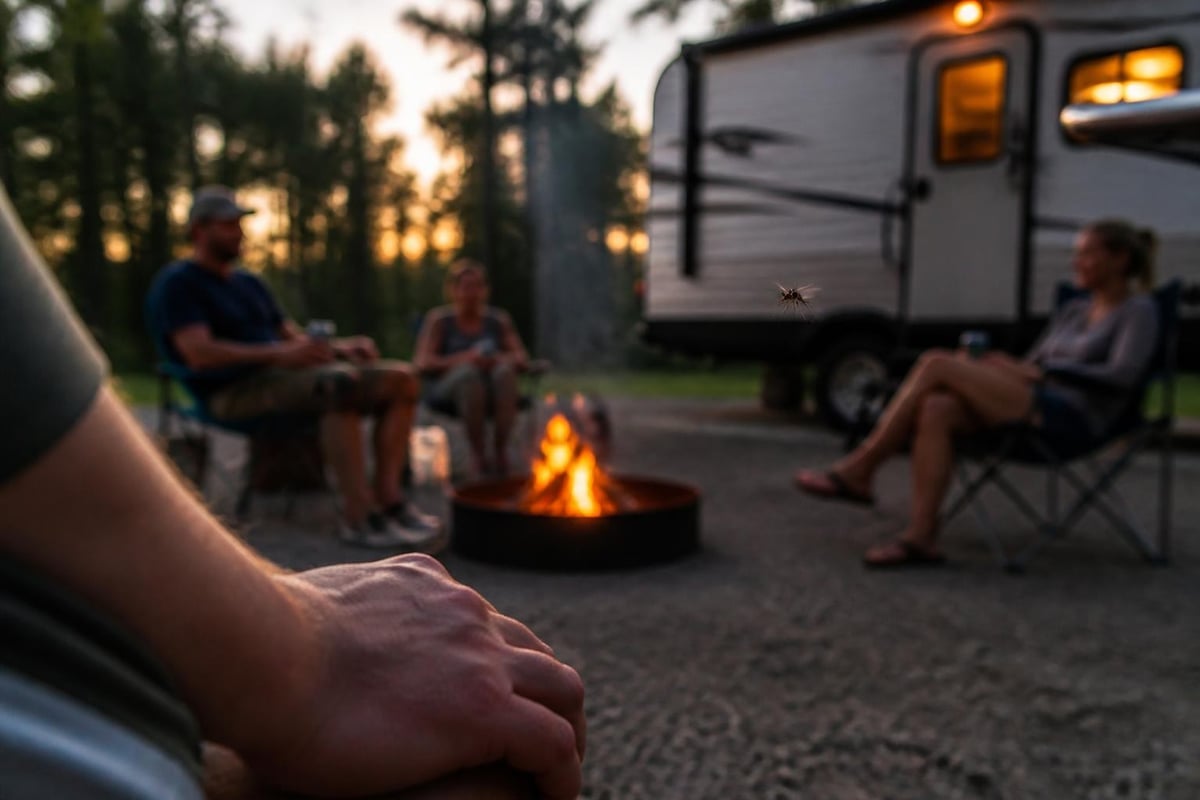
Water sources near campgrounds accelerate mosquito breeding cycles. Even a bottle cap filled with rainwater can support larvae development. Your RV awning, outdoor rugs, and camping gear can collect moisture that attracts egg-laying females. Understanding these attraction factors helps you deploy natural mosquito repellent rv methods more strategically.
The Chemical Concern at Campsites
DEET remains the most studied synthetic repellent, but applying it to every family member multiple times per evening raises legitimate concerns. Parents hosting kids at the campsite hesitate to spray chemicals on young skin. Pet owners worry about dogs and cats grooming treated fur or walking through spray residue.
The sticky texture of most spray repellents collects dust and feels uncomfortable during warm summer nights. You cannot control ventilation in outdoor spaces the way you do at home, yet you want protection without asking guests to undergo a spray-down ritual before joining you around the fire ring.
Ground-Level Scent Masking for RV Sites
Modern natural mosquito repellent rv solutions work at ground level where mosquitoes navigate. Rather than coating every person in your party with chemicals, you create a protected zone around your RV by masking the human scent mosquitoes track.
Scent-masking technology uses essential oil blends that confuse mosquito sensory organs. When these oils disperse at the height where mosquitoes fly and hunt, the insects lose their ability to pinpoint human targets. They drift past your campsite rather than landing on skin.
This approach protects the space, not just one person. A single application around your RV awning, picnic table, and camp chairs creates a barrier that benefits everyone in the protected area without requiring individual treatment.
Application Methods That Work
Ground application involves pouring biodegradable granules or beads in a perimeter around high-traffic areas. Place product near:
- RV entry steps and door thresholds
- Underneath and around picnic tables
- Perimeter of your outdoor rug or mat
- Along the drip line of your awning
- Near camp chairs and fire rings
For portable protection, fill mesh bags with natural repellent beads and clip them to chair backs, awning poles, or table edges. The elevated placement improves scent dispersion without adding visual clutter to your carefully arranged outdoor space.
You can also set open containers near seating areas, allowing the essential oil blend to diffuse naturally without flame, smoke, or electricity. This method suits RV owners who value clean aesthetics and refuse to sacrifice style for function.
Essential Oil Ingredients That Deliver Results
Not all plant-based repellents perform equally. Research on citronellal and citronella derivatives shows that formulation and concentration matter significantly for real-world effectiveness. The most reliable natural mosquito repellent rv products combine multiple essential oils rather than relying on a single ingredient.
Effective essential oil blends typically include:
- Geraniol: Derived from geraniums and roses, disrupts mosquito scent receptors
- Citronella: Classic mosquito deterrent from lemongrass, effective when properly concentrated
- Peppermint oil: Strong scent confuses mosquito navigation, adds fresh aroma
- Eugenol: From clove, provides additional masking properties
- Cornmint: Menthol-rich oil that enhances scent barrier
- Rosemary: Woody scent that mosquitoes avoid, pleasant to humans
The synergy among these six oils creates a more robust scent wall than any single ingredient. When infused into biodegradable corn-based carriers, these oils release gradually over 48 hours, providing extended protection without reapplication.
Why Multiple Oils Outperform Single-Ingredient Products
Mosquitoes adapt to single scents more readily than complex blends. A six-oil formula presents multiple sensory obstacles that make it harder for mosquitoes to navigate through the treated zone. This layered defense explains why premium natural repellents combine several plant-derived ingredients rather than maximizing one oil's concentration.

Comparing Natural Options for RV Protection
| Product Type | Application | Coverage Area | Reapplication | Skin Contact | Visual Impact |
|---|---|---|---|---|---|
| DEET Spray | Individual skin | One person | Every 2-4 hours | Direct, sticky | None |
| Citronella Candle | Tabletop flame | 3-5 foot radius | Continuous burn | None | High (flame, jar) |
| Coil Burner | Ground, smoldering | 10-15 feet | Replace every 5-7 hours | Smoke exposure | Medium (smoke, stand) |
| Essential Oil Beads | Pour on ground | Up to 1,000 sq ft | Every 1-2 days | None | Minimal (hidden) |
| Permethrin Treated Gear | Clothing treatment | Wearer only | Lasts multiple washes | Fabric only | None |
Ground-applied biodegradable beads deliver the widest protection zone with the least intrusion. You avoid the hourly reapplication cycle of sprays, the smoke and flame of candles and coils, and the limited single-person coverage of wearable treatments.
Setting Up Your RV Site for Maximum Protection
Strategic placement of natural mosquito repellent rv materials creates overlapping zones of protection. Start by identifying where people spend the most time. Your RV door, outdoor kitchen area, and seating cluster typically see the highest traffic.
Step-by-step site preparation:
-
Survey your layout before pouring any repellent. Note prevailing wind direction, door locations, and seating arrangements.
-
Create a primary barrier around the immediate living space. Pour a line of repellent beads approximately two feet from your RV perimeter, focusing on the side where you set up chairs and tables.
-
Protect high-activity zones by applying heavier concentration near the picnic table, grill station, and camp chairs. These areas generate the most human scent and attract mosquitoes most aggressively.
-
Add elevated protection using mesh bags clipped to awning poles, chair backs, and table umbrellas. This creates a three-dimensional scent barrier rather than just ground-level coverage.
-
Refresh key areas on day two of your stay. Most natural repellents deliver peak performance during the first 48 hours, so a light reapplication maintains consistent protection.
The goal: build a seamless scent wall that mosquitoes cannot penetrate without sticky applications or visible devices disrupting your outdoor aesthetic. For families who have explored various natural ways to combat mosquitoes, this ground-based approach eliminates the need to repeatedly spray down children or pets throughout the evening.
Biodegradable Solutions for Leave No Trace Camping
Responsible RV camping means leaving your site as pristine as you found it. Biodegradable corn-based granules break down naturally in soil without leaving synthetic residues or microplastics. This matters especially in national parks and wilderness areas where chemical contamination poses environmental risks.
When properly formulated, natural repellent beads dissolve back into earth within days of application. Rain and soil microbes break down the corn carrier and essential oils return to the ecosystem without harm. This aligns with leave-no-trace principles while delivering the mosquito protection RV campers need.
Pet-Friendly Considerations for RV Families
Many RV travelers bring dogs along for the adventure. Traditional DEET sprays pose ingestion risks when pets lick treated skin or fur. Permethrin products, while effective on clothing, prove toxic to cats and should never contact feline companions.
Natural mosquito repellent rv products formulated from essential oils and corn-based carriers offer pet-friendly protection when used as directed. Dogs and cats can move freely through treated areas without the toxic exposure synthetic chemicals create. The ground application method means pets never walk through wet spray or inhale aerosol mist.
Still, basic precautions apply. Allow beads to settle before letting pets explore newly treated areas. Prevent direct consumption of granules just as you would any outdoor product. When properly deployed around your RV site's perimeter rather than in pet play zones, natural repellents protect both people and animals without compromise. You will find additional guidance in resources about pet mosquito repellent strategies that keep four-legged family members safe.
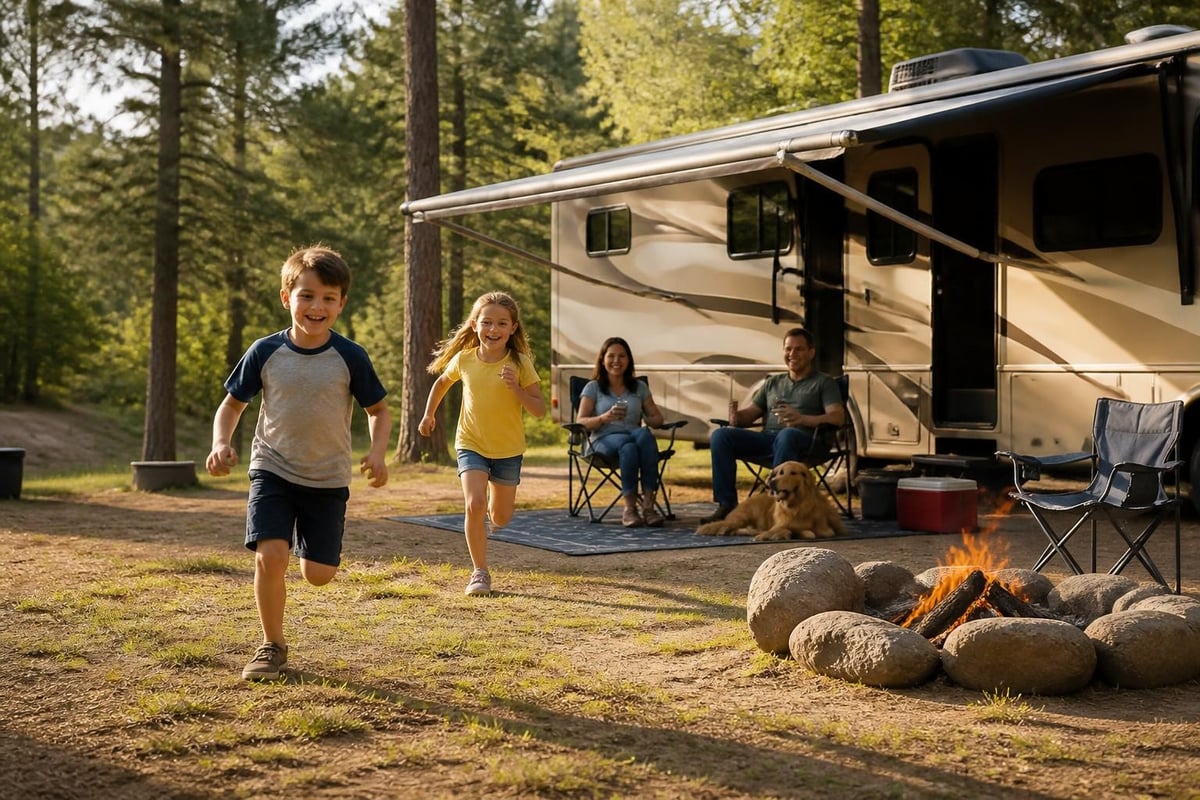
Regional Considerations Across the United States
Mosquito species and pressure vary dramatically by geography. Gulf Coast RV destinations face aggressive Asian tiger mosquitoes year-round, while northern campgrounds see intense but seasonal swarms from May through September. Your natural mosquito repellent rv strategy should account for local mosquito behavior.
Southern states require consistent protection from March through November. High humidity and warm temperatures accelerate mosquito reproduction, meaning campgrounds near water can support multiple generations of mosquitoes in a single season. RV travelers heading to Florida or Texas should deploy natural repellents immediately upon arrival and maintain treatment throughout their stay.
Midwest and Plains regions experience concentrated mosquito seasons peaking in June and July. Afternoon thunderstorms create temporary standing water that explodes into mosquito swarms within days. If you are camping in Kansas or similar states, monitor weather patterns and increase protection after rain events.
Mountain West and Pacific Northwest sites often feature cooler evenings that reduce mosquito activity but do not eliminate it. Marshy areas near rivers and lakes still produce significant populations. Even desert RV parks can harbor mosquitoes around irrigation systems and water features.
Adapting to Local Mosquito Pressure
High-pressure environments require broader coverage zones and more frequent reapplication. Calculate your RV site's square footage and deploy enough natural repellent to create complete perimeter protection. A Signature 18 oz container typically covers up to 1,000 square feet, while smaller Sidekick 5 oz options handle approximately 300 square feet for compact setups.
Track performance over your first evening at each new location. If you notice mosquito breakthrough in specific areas, reinforce those zones with additional product. Microclimates within a single campground can vary significantly, so adaptive deployment beats rigid application schedules.
Integration with Other Mosquito Management Tactics
No single solution eliminates mosquitoes entirely. The most effective natural mosquito repellent rv programs combine multiple strategies into an integrated approach. Penn State Extension resources emphasize this integrated pest management philosophy for sustainable mosquito control.
Supplementary tactics include:
- Eliminating standing water around your RV site daily
- Running fans to create air movement that disrupts mosquito flight
- Scheduling outdoor activities for mid-afternoon when mosquitoes are least active
- Using screened enclosures for meal times in extreme mosquito environments
- Wearing light-colored, loose-fitting clothing that reduces attractiveness to mosquitoes
Ground-applied natural repellents form the foundation of your defense, while these additional measures fill gaps and reinforce protection during peak mosquito hours.
Understanding Product Limitations
Even the best natural repellents cannot match DEET's duration in controlled laboratory settings. However, real-world RV camping rarely requires eight-hour protection on individual skin. You move between your RV interior, screened areas, and treated outdoor zones throughout the evening.
Natural products excel at creating pleasant, protected spaces where you gather socially without asking everyone to apply sticky chemicals. This matches how RV families actually live outdoors, making natural solutions more practical than clinical protection time statistics suggest. Understanding how to protect your space from mosquitoes helps you deploy products more strategically.
Practical Tips from Experienced RV Travelers
Veteran RV enthusiasts have refined their mosquito management through years of trial and error. Their collective wisdom offers shortcuts that new RV owners can implement immediately.
Experienced travelers recommend:
- Arriving at your campsite in daylight to apply repellents before mosquito activity peaks
- Keeping mesh bags pre-filled with natural repellent beads for quick deployment at each stop
- Storing backup supplies in your RV so you never run short during extended trips
- Noting which campsites had minimal mosquito pressure for return visits
- Coordinating with neighboring RV sites to create larger protected zones
When camping in national parks or remote areas covered by NPS guidance, add head nets and screened shelters to your kit as backup protection during extreme mosquito hatches. Natural repellents handle typical conditions excellently but cannot overcome massive swarm events single-handedly.
Seasonal Storage and Product Shelf Life
Essential oil-based repellents maintain potency when stored properly. Keep containers sealed tightly and store in a cool, dry location inside your RV or home between trips. Avoid leaving product in outdoor RV storage compartments where temperature extremes can degrade essential oils faster.
Most quality natural repellents remain effective for two to three years from manufacture date. Check packaging for specific guidance. Refresh your supply each season if you notice diminished scent strength or reduced mosquito deterrence compared to fresh product.
Cost Analysis: Natural Repellents vs. Synthetic Alternatives
Budget-conscious RV travelers often compare costs across mosquito control options. Initial purchase price tells only part of the story. Calculate cost per evening of protection across your entire camping party for accurate comparisons.
| Solution | Initial Cost | Coverage | Duration | Cost Per Evening (4 people) |
|---|---|---|---|---|
| DEET Spray (6 oz) | $8 | Individual | 2-4 hrs (multiple applications) | $4-6 |
| Citronella Candle (3-pack) | $12 | 15 sq ft | 4-5 hrs per candle | $3-4 |
| Essential Oil Beads (18 oz) | $32 | 1,000 sq ft | 48 hrs peak | $2-3 |
| Professional Spray Service | $75-150 | Home yard | 3-4 weeks | Not portable |
Natural repellent beads deliver the lowest per-evening cost when protecting multiple people across a larger area. The upfront investment pays for itself within a few camping trips compared to repeatedly purchasing aerosol sprays for every family member.
Professional mosquito services work well at home but offer zero value for RV travel. You cannot bring a spray truck to your campsite. The portability and reusability of natural ground-applied repellents make them the economical choice for mobile camping. Detailed cost comparisons explore this financial advantage further.
Advanced Deployment for Extended RV Stays
Monthly campground residents and snowbirds face different challenges than weekend campers. Extended stays require sustainable mosquito management that does not demand daily maintenance or break the budget.
For long-term sites, create defined outdoor rooms using natural repellent perimeters. Treat your patio area heavily, maintain lighter protection around walkways, and refresh high-use zones every two days. This zone-defense approach concentrates resources where they matter most while maintaining acceptable protection across your entire site.
Monthly RV residents should:
- Establish a reapplication schedule that aligns with trash day or another regular routine
- Document which areas require more frequent treatment based on mosquito observation
- Coordinate with campground management to address breeding sites like standing water in communal areas
- Build relationships with neighboring long-term residents to share mosquito intelligence and strategies
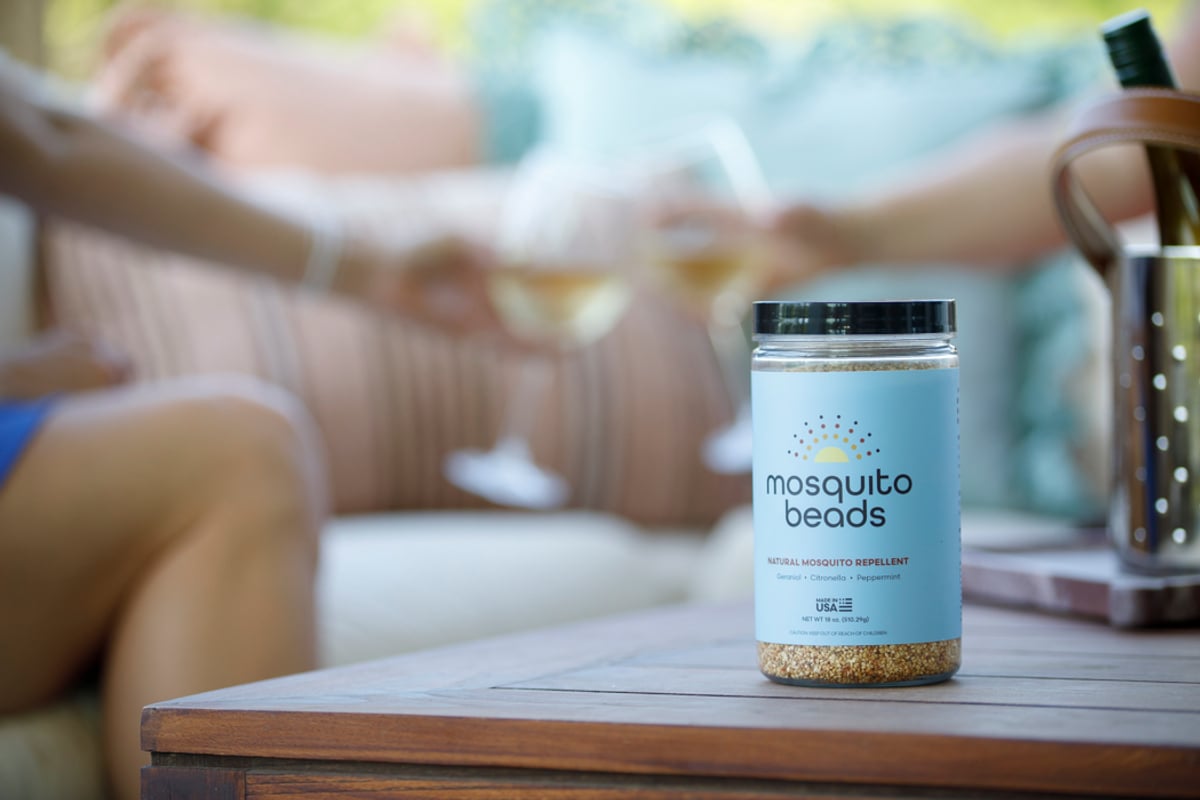
Those committed to chemical-free outdoor living will find that natural solutions integrate seamlessly into extended RV life. You avoid the cumulative skin exposure that comes with months of daily DEET application while maintaining comfortable outdoor spaces throughout mosquito season. When you need comprehensive coverage over many weeks, products like Natural Mosquito Repellent offer biodegradable beads you simply pour on the ground around your RV perimeter and living areas, creating a scent barrier that masks human odors mosquitoes track without requiring anyone to spray chemicals on their skin.
Special Situations: Boondocking and Dry Camping
Primitive camping without hookups tests your self-sufficiency skills. Boondocking sites often sit near the wild spaces mosquitoes love most, yet you have no electrical power for fans or bug zappers. Natural repellents shine in these scenarios precisely because they require no infrastructure.
Boondocking mosquito management priorities:
- Maximize scent barrier coverage since you cannot retreat to screened areas as easily
- Pack extra product because resupply options do not exist in remote locations
- Scout your site carefully before settling in, avoiding obvious mosquito habitat when possible
- Time activities strategically to minimize exposure during peak mosquito hours at dawn and dusk
- Use mesh bags liberally on every chair, tent pole, and lantern hook to create multiple scent sources
Dry campers appreciate that natural repellent beads add zero weight to water or power budgets. The biodegradable formulation aligns with primitive camping ethics better than synthetic chemicals that could contaminate pristine wilderness.
Emergency Backup Plans
Even with thorough preparation, you may encounter unexpected mosquito swarms. Keep emergency supplies accessible: extra repellent beads, backup mesh bags, and lightweight head nets for worst-case scenarios. If mosquito pressure becomes truly unbearable, retreat to your RV interior and adjust your plans rather than suffering through miserable conditions or resorting to emergency DEET purchases.
Product Selection Criteria for RV Applications
Not every natural repellent suits RV use equally well. Evaluate options based on criteria specific to mobile camping rather than home patio applications.
Essential features for RV-suitable natural repellents:
- Portable packaging that survives vibration and movement during transit
- Resealable containers that prevent spills in storage compartments
- Odor profile acceptable in close quarters (avoid overly medicinal scents)
- Clear usage instructions for varying site sizes and mosquito pressure
- Verifiable ingredient lists showing genuine essential oil content, not just fragrance
- Manufacturer transparency about protection duration and limitations
Read product details carefully. Some natural repellents marketed for camping actually require frequent reapplication that makes them impractical for multi-day RV trips. Others use such low essential oil concentrations that they function more as pleasant scents than functional repellents. If you want to learn more about specific formulations, contact reputable manufacturers directly with questions about ingredients and performance data.
Products registered under FIFRA 25(b) demonstrate that formulation and labeling meet federal standards for minimum-risk pesticides. While not a guarantee of effectiveness, this designation shows manufacturer commitment to regulatory compliance and consumer safety.
Weather Adaptation Strategies
Rain, wind, and temperature swings all affect natural mosquito repellent rv performance. Smart deployment accounts for forecasted weather and adjusts accordingly.
Wind: Breezy conditions help disperse scent barriers but also carry them away faster. On windy days, increase application density upwind of your primary seating area and use mesh bags clipped closer to where people gather. Wind generally reduces mosquito activity anyway, so you may need less total product despite faster scent dispersal.
Rain: Heavy precipitation washes away ground-applied repellents. If rain is forecast within 24 hours of application, hold off until conditions clear or focus on elevated mesh bag placement that stays dry under your awning. After storms pass, reapply to ground areas and enjoy the temporary reduction in mosquito activity that rain often brings.
Heat: High temperatures accelerate essential oil evaporation, potentially shortening effective duration. In desert or summer Gulf Coast conditions, plan for more frequent reapplication. The upside: hot weather drives people to seek shade and shelter where concentrated protection is easier to maintain anyway.
Humidity: Moisture-heavy air helps essential oils disperse and linger. You may find extended performance in humid environments compared to arid climates, though mosquito pressure also increases with humidity.
Creating the Complete RV Mosquito Defense Kit
Assemble a dedicated mosquito management kit that lives in your RV year-round. This eliminates last-minute scrambling before each trip and ensures you always have adequate supplies.
Your RV mosquito kit should include:
- Primary natural repellent supply (Signature 18 oz containers based on typical site size)
- Backup travel size (Sidekick 5 oz for quick trips or supplemental coverage)
- Multiple mesh bags, both filled and empty
- Small notebook to log effectiveness at different campgrounds
- Carabiners or clips for hanging mesh bags
- Backup head nets for extreme conditions
- Site layout template showing effective repellent placement patterns
Store this kit in an accessible RV compartment, not buried under seasonal gear. Rotate stock annually, using older product at home before it loses potency and replacing with fresh supplies for travel season. Visit the store locator to find retailers near your home base or along common travel routes for convenient restocking.
Final Considerations for Chemical-Free RV Living
The shift toward natural mosquito management reflects broader awareness about chemical exposure and environmental impact. RV families spending significant time outdoors naturally gravitate toward solutions that protect health while delivering real results.
Success requires understanding that natural products work differently than synthetic alternatives. Rather than creating a chemical barrier that repels on contact, plant-based formulations mask the scent signatures mosquitoes hunt. This mechanism proves highly effective when properly deployed but cannot be evaluated using the same metrics as DEET or picaridin.
For additional context about how mosquito repellent regulation works globally and what independent research reveals about natural options, scientific resources provide valuable background. Just remember that academic studies often test individual ingredients under controlled conditions that differ significantly from real-world RV camping.
Your goal: create an outdoor sanctuary around your RV where family and friends gather comfortably throughout the evening without sticky sprays, smoky candles, or chemical concerns. Natural mosquito repellent solutions make this vision achievable across thousands of campgrounds nationwide.
Protecting your RV site from mosquitoes no longer requires compromising on health, aesthetics, or effectiveness. Modern natural mosquito repellent rv approaches using biodegradable beads infused with essential oils create scent barriers that mask human odors at ground level, so mosquitoes drift past instead of landing. Mosquito Beads delivers this exact solution through corn-based granules you simply pour where people gather around your RV, protecting up to 1,000 square feet for days without asking anyone to spray chemicals on their skin. Pour, don't spray, and reclaim your outdoor evenings at every campsite you visit.