

Outdoor Mosquito Protection: Natural, DEET-Free Solutions
Protecting your patio, deck, or backyard from mosquitoes shouldn't mean coating your family in sticky chemicals or fumbling with candles that barely work. As more homeowners transform their outdoor spaces into true living areas, the need for effective outdoor mosquito protection has never been greater. Whether you're hosting weekend dinners, watching kids play in the yard, or simply enjoying a quiet evening outside, mosquitoes can turn your sanctuary into a battleground. In 2026, outdoor enthusiasts are looking beyond traditional sprays and exploring solutions that protect the entire space rather than just one person at a time.
Understanding How Mosquitoes Find Their Targets
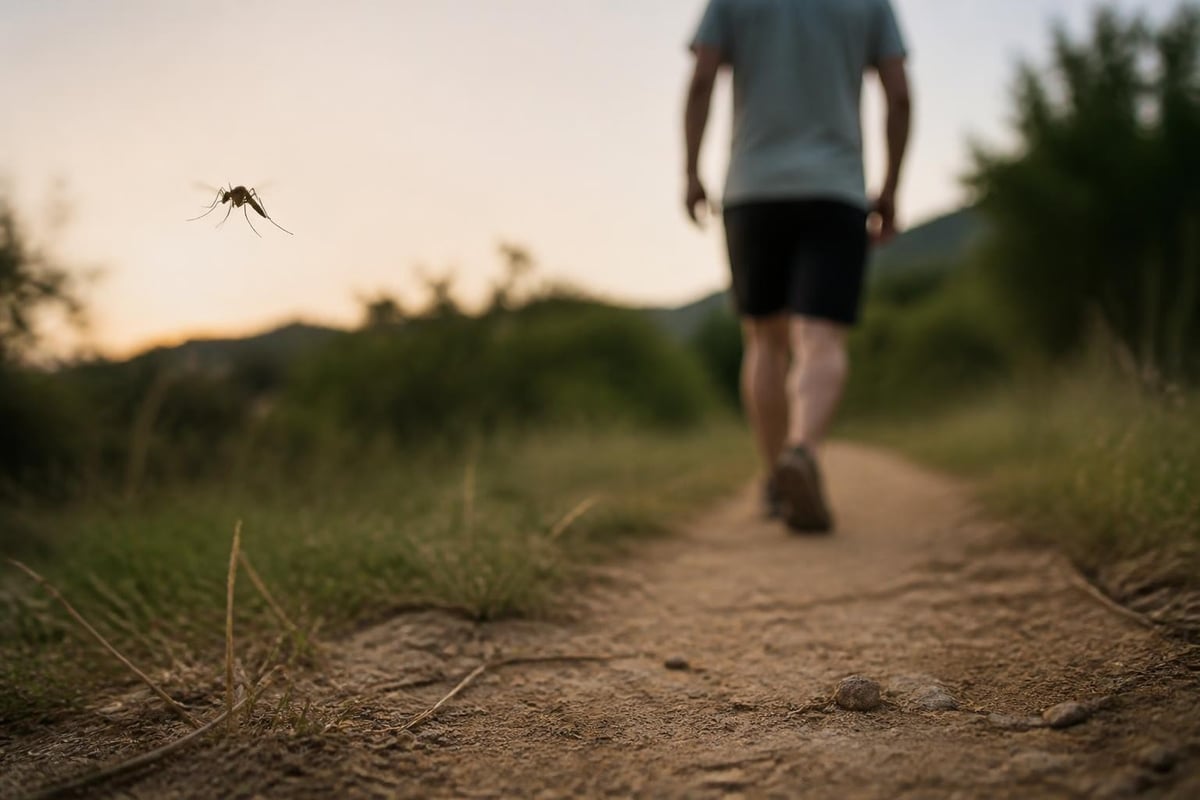
Mosquitoes are expert hunters, relying primarily on scent to locate their next meal. These insects detect carbon dioxide from up to 30 feet away, which means every breath you take outdoors signals your location. Beyond CO2, mosquitoes track body heat, moisture, and the unique blend of compounds released through human skin. This hunting mechanism operates at ground level, where mosquitoes patrol looking for scent plumes that lead them to people.
Understanding this behavior is critical for outdoor mosquito protection. Traditional methods often focus on killing mosquitoes after they've already found you. A more strategic approach interrupts their ability to track human scent in the first place, making your entire outdoor area less detectable rather than turning yourself into a walking target for insects already in the zone.
The Scent-Masking Approach
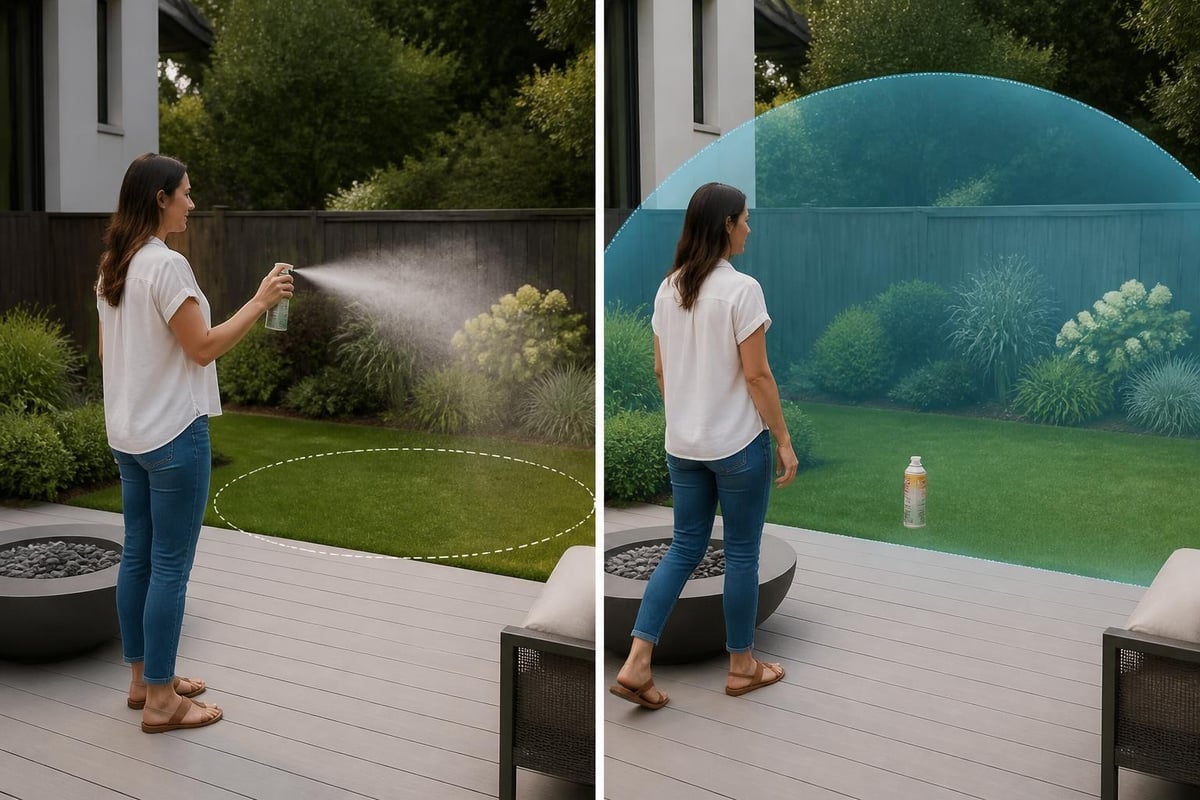
Recent research shows that spatial repellency works by creating a scent barrier that confuses mosquitoes before they can locate their target. Rather than killing insects or coating your skin, this method masks the human scent mosquitoes hunt. When applied to the ground where people gather, scent-masking compounds create a protective zone that causes mosquitoes to drift past instead of landing.
This approach offers several advantages for suburban homeowners. It protects everyone in the space simultaneously, requires no skin contact, and eliminates the need for constant reapplication every hour. For families concerned about chemical exposure near children and pets, natural options are gaining attention as viable alternatives to synthetic repellents.
Comparing Traditional Versus Ground-Based Protection Methods
The outdoor mosquito protection market offers numerous options, each with distinct trade-offs that matter when you're trying to enjoy your patio without compromise.
| Method | Application | Coverage Area | Duration | Skin Contact | Reapplication |
|---|---|---|---|---|---|
| DEET Sprays | Skin/clothing | Individual | 2-6 hours | Direct | Frequent |
| Citronella Candles | Stationary flame | 3-6 ft radius | Until burned | None | Replace candle |
| Foggers/Misters | Aerial spray | Temporary zone | 2-4 hours | Potential drift | Multiple per event |
| Ground Beads | Pour on ground | Up to 1,000 sq ft | 1-2 days peak | None | Every 2-3 days |
Why Sprays Fall Short for Outdoor Spaces
Personal sprays protect only the person wearing them. When hosting guests, asking everyone to coat themselves in DEET or similar chemicals creates an uncomfortable situation. The sticky, greasy feel bothers many adults, and parents often hesitate to apply synthetic repellents on young children.
Aerosol sprays also require hourly reapplication. During a three-hour dinner party, that means interrupting conversation multiple times to retreat indoors and reapply. For homeowners who view their patio as an extension of their living room, this constant maintenance disrupts the seamless indoor-outdoor flow they've worked to create.
Key drawbacks of spray-based outdoor mosquito protection:
- Requires every person to apply product
- Sticky, oily residue on skin and furniture
- Strong chemical odor that competes with food aromas
- Cannot protect pets in the same space
- Wears off quickly, demanding frequent reapplication
- Guests may refuse chemical application
The Ground-Based Alternative
Pouring biodegradable beads where people gather shifts the protection paradigm. Instead of treating individuals, you treat the space itself. This method works particularly well for patios, decks, and yards where people remain in a defined area rather than constantly moving.
Natural mosquito repellent options applied at ground level create a scent barrier that masks human odor from mosquitoes patrolling the area. Because the product sits on the ground rather than on skin, there's no greasy residue, no reapplication during the event, and no asking guests to spray themselves before sitting down.
Essential Oils and Natural Compounds in Outdoor Protection
The movement away from synthetic chemicals has driven innovation in plant-based outdoor mosquito protection. Six essential oils have shown consistent effectiveness in peer-reviewed studies: geraniol, citronella, peppermint, eugenol, cornmint, and rosemary.
How Plant-Based Compounds Work
These oils produce aromatic compounds that interfere with mosquito scent receptors. When released at ground level where mosquitoes hunt, they create a confusing scent environment that masks the CO2 and body odor signals mosquitoes use to track people. Unlike DEET, which works through a different mechanism when applied to skin, these plant compounds function as spatial repellents.
Effective natural compounds for outdoor mosquito protection:
- Geraniol - derived from rose and citronella plants, disrupts mosquito olfactory receptors
- Citronella - classic repellent oil with proven spatial effectiveness
- Peppermint - menthol compounds confuse scent tracking
- Eugenol - clove-derived compound with repellent properties
- Cornmint - high menthol content for enhanced masking
- Rosemary - aromatic terpenes that interfere with mosquito detection
Application Methods That Protect the Space
The delivery method matters as much as the active ingredients. Candles release these compounds but in concentrations too low to protect more than a few feet. Concentrated beads poured on the ground release higher volumes of scent exactly where mosquitoes patrol, creating a more effective barrier around your outdoor area.
For homeowners serious about protecting their backyard naturally, the goal is sustained release over days rather than hours. Biodegradable corn-based granules infused with essential oils dissolve slowly, maintaining protection without daily reapplication. This approach works particularly well for patios and decks where you can define the treatment perimeter and keep coverage consistent.
When applied to areas up to 1,000 square feet, quality formulations provide peak performance for the first two days, then gradual decline. This timeline aligns well with weekend entertaining patterns, allowing you to apply before Friday evening and enjoy protection through Sunday without touching up.
Strategic Placement for Maximum Effectiveness
Success with ground-based outdoor mosquito protection depends on understanding where mosquitoes travel and where people gather. The intersection of these two zones determines optimal placement.
Mapping Your Protection Zone
Walk your patio or deck and identify the primary seating areas, pathways from the yard, and any low-lying areas where moisture collects. Mosquitoes fly close to the ground, typically below knee height, so ground application intercepts them before they rise to biting level.
Strategic placement locations:
- Perimeter of deck or patio (create a barrier at entry points)
- Under tables and seating areas (protect where people sit)
- Along pathways from yard to entertaining space
- Near planters and potted plants (common mosquito rest spots)
- Around pet areas if dogs or cats share the space
Pour more heavily where people congregate. A dining table with six chairs benefits from concentrated application underneath and around all sides. Lighter application along the perimeter maintains the protective zone without overuse.
Coverage Calculations for Different Spaces
An 18-ounce container typically covers up to 1,000 square feet for peak two-day protection. For smaller areas like a compact patio or RV outdoor setup, a 5-ounce option covers approximately 300 square feet, ideal for targeted protection.
| Space Type | Square Footage | Recommended Coverage | Application Frequency |
|---|---|---|---|
| Small patio | 200-300 sq ft | 5 oz | Every 2-3 days |
| Medium deck | 400-600 sq ft | 12 oz | Every 2-3 days |
| Large yard area | 800-1,000 sq ft | 18 oz | Every 2-3 days |
| Poolside zone | 500-700 sq ft | 15 oz | Every 2 days |
Measure your primary entertaining area and calculate accordingly. Most suburban patios fall in the 400-600 square foot range, making coverage straightforward without waste.
Addressing Common Concerns About Chemical-Free Protection
Homeowners switching from traditional sprays to natural outdoor mosquito protection often ask similar questions about effectiveness, safety, and practical use.
Pet Safety and Outdoor Spaces
One significant advantage of ground-based natural repellents is pet compatibility. Dogs and cats share outdoor spaces with families, and many pet owners worry about exposure to synthetic chemicals. When used as directed, plant-based essential oil formulations designed for ground application pose minimal risk to pets.
The key phrase is "used as directed." This means pouring on the ground in areas where pets walk but not directly in food or water bowls. Unlike sprays that drift through the air or liquids that pool, biodegradable beads sit on surfaces and gradually release scent compounds. Pets naturally avoid areas with strong unfamiliar scents, and the concentrations used in outdoor mosquito protection products formulated for spatial use are well below levels that cause concern.
For families with both children and pets using the same outdoor space, exploring natural alternatives removes the anxiety about chemical exposure entirely. You can enjoy your patio knowing everyone in the family, two-legged and four-legged, is protected without risky trade-offs.
Effectiveness Compared to Professional Treatments
Professional mosquito services typically spray synthetic pyrethroids or organophosphates around your property perimeter monthly. These treatments kill mosquitoes on contact and provide residual killing power for weeks. The trade-off is introducing broad-spectrum insecticides that affect beneficial pollinators, natural predators, and the overall ecosystem.
Natural outdoor mosquito protection takes a different approach. Rather than killing all insects in the area, it makes your specific gathering space less detectable to mosquitoes through scent masking. This targeted strategy means you're not eliminating every mosquito in your yard, but you're protecting the 500 square feet where you actually sit and eat.
For the suburban homeowner who values both effectiveness and environmental responsibility, this balance often makes sense. You maintain habitat for butterflies, bees, and beneficial insects in most of your yard while creating a protected zone around your patio or deck.
Visual Aesthetics and Outdoor Design
Homeowners who treat their outdoor space as an extension of their home care deeply about visual appeal. Citronella torches and bug zappers introduce industrial elements that clash with carefully curated patio furniture and landscape design.
Ground-based beads eliminate this visual noise. Poured under furniture, along borders, or in landscape beds, the product remains invisible while performing its function. For the host setting an elegant outdoor table, there's no need to place smoking candles among the centerpiece or ask guests to navigate around tiki torches.
Additionally, small jars can be tucked discreetly near seating areas, and mesh bags can clip onto furniture or hang from hooks without dominating the visual space. This understated approach aligns with the aesthetic standards of homeowners who refuse to compromise their outdoor sanctuary's appearance for function.
Seasonal Strategies and Application Timing
Effective outdoor mosquito protection requires understanding your local mosquito season and adjusting application timing accordingly. In 2026, climate patterns have extended mosquito activity in many regions, making year-round awareness necessary even in traditionally seasonal areas.
Spring Preparation
Mosquito season begins when temperatures consistently stay above 50°F. In southern states, this can mean year-round vigilance, while northern climates see activity from April through October. Understanding where mosquitoes come from helps you anticipate population surges.
Spring outdoor mosquito protection checklist:
- Eliminate standing water in planters, gutters, and yard debris
- Trim overgrown vegetation where mosquitoes rest during the day
- Apply ground-based protection before first outdoor gathering
- Establish a regular application routine (every 2-3 days for peak protection)
- Monitor for mosquito activity at dusk and dawn
Start protection early, before mosquito populations peak. Early-season application establishes your defended zone and prevents mosquitoes from developing breeding sites near your patio.
Summer Maintenance
Peak mosquito season runs June through August in most regions. During this period, consistent outdoor mosquito protection becomes essential for regular patio use. Plan applications around your entertaining schedule.
For weekend hosts, apply Friday afternoon for peak protection Friday evening through Sunday. If you use your outdoor space daily, establish a twice-weekly application routine. Mark your calendar or set phone reminders to maintain consistency.
Weather affects performance. Heavy rain may wash away ground applications, requiring reapplication afterward. Extremely hot, dry conditions actually reduce mosquito activity, allowing you to extend time between applications.
Fall Transitions
As temperatures drop, mosquito activity decreases but doesn't stop immediately. September and October still see significant mosquito presence, particularly during warm afternoon periods. Don't abandon outdoor mosquito protection too early in fall.
Continue applications through the first hard frost. In southern regions, this may mean protecting your space through November or December. Monitor local vector-borne disease reports for your area, as mosquito-borne illness risk often extends beyond the period when mosquitoes are merely annoying.
Combining Methods for Comprehensive Protection
No single outdoor mosquito protection method works perfectly in every situation. Strategic combinations often deliver the best results while maintaining the chemical-free, non-intrusive approach discerning homeowners prefer.
Habitat Modification Plus Scent Masking
The most effective long-term strategy combines source reduction with active protection. Eliminating breeding sites reduces the overall mosquito population in your yard, while ground-based repellents protect the specific areas where you gather.
Walk your property weekly and dump standing water from:
- Flower pot saucers
- Bird baths (refresh every 2-3 days)
- Clogged gutters
- Tarps or covers that collect rain
- Children's toys left outside
- Low spots in the lawn
University extension services provide detailed guidance on identifying local mosquito breeding sites specific to your region. After eliminating these sources, apply outdoor mosquito protection around your patio to handle mosquitoes flying in from neighboring properties.
Portable Protection for Flexible Spaces
Some outdoor activities don't happen in fixed locations. Youth sports games, camping trips, and backyard barbecues that roam across the yard require portable protection.
Mesh bags filled with scent-masking beads clip onto chairs, tents, or coolers, creating a mobile protection zone. For a soccer game, hang bags on both sides of your folding chair and pour additional beads in a small perimeter around your setup. This combination provides protection without requiring anyone to spray themselves before cheering for the team.
The portable approach works particularly well for camping scenarios, where traditional methods fail. You can't install permanent solutions at a campsite, and smoke from citronella candles bothers fellow campers. Clipping filled mesh bags to tent corners and camp chairs creates a protected zone that moves with you.
Cost Comparison and Long-Term Value
When evaluating outdoor mosquito protection options, initial price per container tells only part of the story. Coverage area, duration, and hidden costs determine true value.
Breaking Down the Economics
Professional mosquito services charge $75-150 per monthly application for a typical suburban lot. Over a six-month season, that's $450-900 for chemical treatments that impact your entire yard's ecosystem.
Personal sprays cost $8-15 per bottle, but a family of four goes through multiple bottles weekly during peak season. Calculate $20-30 weekly for adequate coverage, totaling $240-360 for a three-month intensive period. Add the hidden costs: greasy furniture from transfer, time spent reapplying, and the hassle of convincing guests to spray themselves.
Ground-based natural outdoor mosquito protection runs approximately $20-35 per 18-ounce container, covering 1,000 square feet for peak two-day protection. For twice-weekly application over three months (roughly 24 applications), you'd use 12-15 containers, totaling $240-525 depending on the specific product.
| Protection Method | Initial Cost | Season Cost | Hidden Costs | Environmental Impact |
|---|---|---|---|---|
| Professional spray | $75-150/month | $450-900 | Pollinator harm | High |
| Personal DEET sprays | $8-15/bottle | $240-360 | Skin irritation, furniture residue | Moderate |
| Citronella candles | $6-12/candle | $180-300 | Limited coverage, smoke | Low |
| Ground beads | $20-35/container | $240-525 | None significant | Very low |
Value Beyond Price
The true value calculation includes factors that don't appear on receipts. For the homeowner who has invested thousands in patio furniture, landscape design, and outdoor lighting, protecting that investment from chemical overspray and smoke damage matters.
Consider the time saved not reapplying personal sprays, not lighting and monitoring candles, and not coordinating professional service appointments. For busy professionals who work all week and want to simply enjoy their weekend evenings outside, convenience carries significant value.
Additionally, the confidence that your solution is safe for children and pets, doesn't harm beneficial insects, and won't leave sticky residue on your carefully selected outdoor furniture adds intangible but real value to your outdoor mosquito protection choice.
Making the Transition to Natural Protection
Homeowners accustomed to DEET sprays or professional treatments often hesitate when considering natural alternatives. Understanding what to expect during the transition helps set realistic expectations and ensures success.
First Application Best Practices
Start with a clean slate. If you've recently had professional chemical treatment, wait at least two weeks before applying natural ground-based products. This allows residual pesticides to break down and prevents unexpected interactions.
Step-by-step first application:
- Calculate your primary gathering area square footage
- Purchase appropriate quantity (18 oz per 1,000 sq ft)
- Remove debris from application area (sweep patio or deck)
- Pour beads in a light, even layer around seating perimeter
- Apply heavier concentration directly under tables and chairs
- Place open containers or mesh bags near secondary seating
- Note application date for scheduling next treatment
For those exploring natural ways to combat mosquitoes, consider starting with a small test area. Apply to your primary patio seating zone for one week while monitoring results. Once satisfied, expand coverage to additional outdoor areas.
Setting Realistic Expectations
Natural outdoor mosquito protection works differently than chemical knockdown products. You won't see dead mosquitoes on the ground because the mechanism is scent masking rather than killing. Mosquitoes simply fly past your protected area rather than landing.
During the first few days, you may still notice occasional mosquitoes, particularly if your property has significant breeding sites or if neighbors aren't controlling standing water. Consistency matters. Regular application every two to three days maintains the scent barrier and provides the best protection.
Weather impacts performance. Expect to reapply after heavy rain, and understand that extremely windy conditions may disperse the scent barrier more quickly than calm evenings. Plan your application timing around forecasted weather when possible.
Biodegradable beads infused with essential oils offer an elegant solution for outdoor mosquito protection without compromise. When poured on the ground where families gather, they mask the human scent mosquitoes track, protecting the entire space rather than just one person. This approach eliminates sticky sprays, chemical concerns, and constant reapplication while maintaining the aesthetic integrity of your outdoor sanctuary.

Effective outdoor mosquito protection in 2026 means understanding how mosquitoes hunt by scent and interrupting that process at ground level where they patrol. By choosing natural, DEET-free options that protect your space rather than coating your skin, you create an outdoor sanctuary where family and guests can relax without sticky chemicals or visual clutter. Mosquito Beads delivers this protection through biodegradable corn-based granules infused with six essential oils that mask human scent from mosquitoes, letting you simply pour and enjoy your patio without compromise.