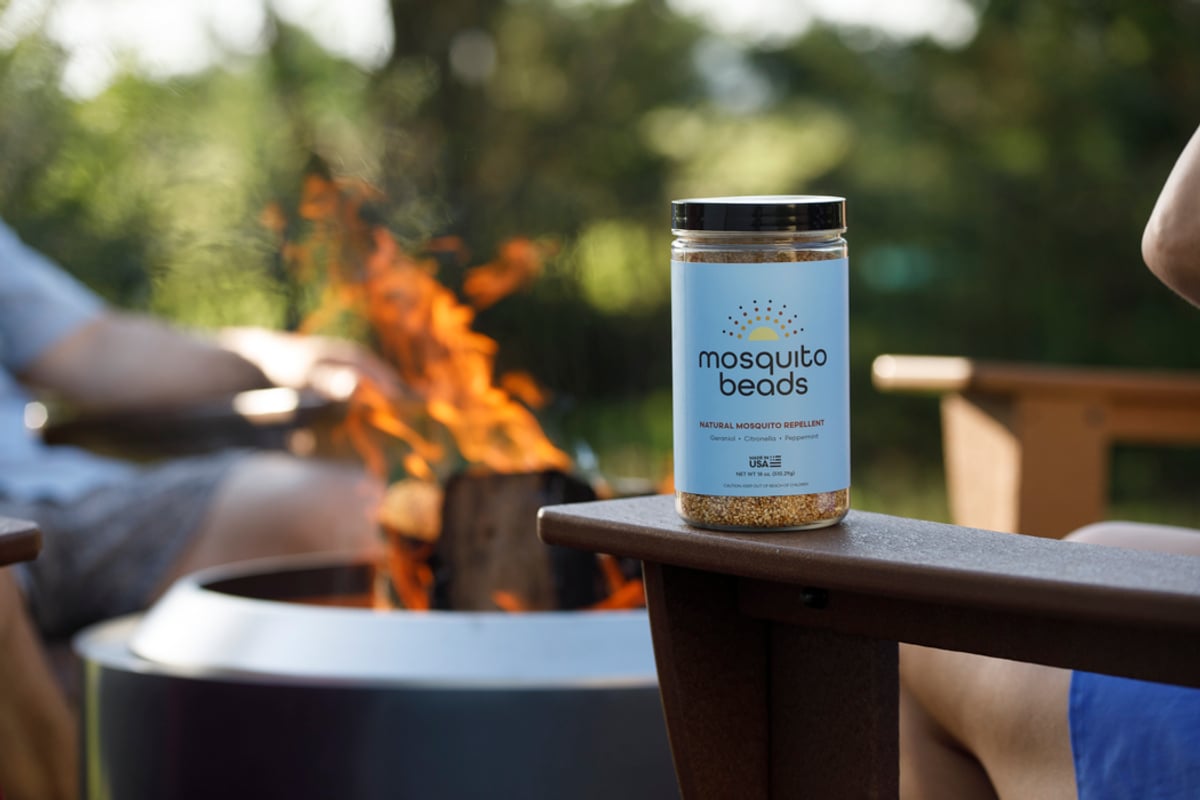
Environmentally Friendly Bug Repellent for Your Patio
When you've invested time and care into creating a beautiful outdoor space, the last thing you want is to compromise it with harsh chemicals or ask your guests to coat themselves in sticky spray. The shift toward environmentally friendly bug repellent reflects a broader understanding that effective protection doesn't require trading off health, aesthetics, or comfort. Today's options work with nature rather than against it, giving you control over your outdoor sanctuary without the baggage of traditional DEET-based products.
Understanding What Makes Repellents Environmentally Friendly
The definition of environmentally friendly bug repellent extends beyond simply avoiding synthetic chemicals. True environmental responsibility considers biodegradability, manufacturing processes, packaging waste, application methods, and impact on non-target species including beneficial insects and pets.
Traditional chemical repellents often contain DEET, picaridin, or permethrin. While the EPA has evaluated these ingredients for human safety, they persist in the environment and can accumulate in waterways. DEET has been detected in streams and groundwater, raising questions about long-term ecological impact.
Key characteristics of genuinely green repellents include:
- Biodegradable active ingredients that break down naturally
- Minimal packaging or recyclable containers
- No propellants or aerosol delivery systems
- Safe for pets and wildlife when used as directed
- Manufactured using sustainable practices
- Effective without requiring frequent reapplication
The EPA Safer Choice program provides guidance on identifying products with lower environmental and health hazards, though not all natural repellents carry this certification.

Plant-Based Active Ingredients That Actually Work
Not all natural ingredients deliver equal performance. Research published in systematic reviews has identified specific essential oils with documented repellent properties, though efficacy varies significantly based on concentration, formulation, and application method.
Geraniol: The Leading Natural Active
Geraniol, derived from geranium and other plants, has emerged as one of the most effective natural mosquito deterrents. Studies show it disrupts mosquitoes' ability to detect carbon dioxide and lactic acid, the primary markers they use to locate human hosts. When deployed properly, geraniol creates an effective scent barrier.
Citronella and Supporting Oils
Citronella has been used for decades, though its effectiveness when burned in candles is limited. The smoke disperses quickly, and the concentration remains too low for reliable protection. However, when combined with other essential oils in higher concentrations, citronella contributes to a more robust scent-masking effect.
Effective essential oil combinations typically include:
- Citronella (primary masking agent)
- Peppermint and cornmint (cooling, volatile compounds)
- Eugenol from clove (strong aromatic barrier)
- Rosemary (additional masking and antimicrobial properties)
| Essential Oil | Primary Function | Duration | Concentration Needed |
|---|---|---|---|
| Geraniol | CO2 detection disruption | 24-48 hours | 5-10% |
| Citronella | Scent masking | 12-24 hours | 10-15% |
| Peppermint | Volatile barrier | 6-12 hours | 3-5% |
| Eugenol | Strong deterrent | 12-24 hours | 2-4% |
Why Ground Application Beats Skin Sprays
The traditional approach to mosquito protection focuses on the individual: spray yourself, reapply every hour, accept the greasy residue. This model creates several problems for anyone hosting guests or managing a shared outdoor space.
Mosquitoes hunt primarily by scent at ground level. They detect carbon dioxide plumes, body heat, and skin bacteria from several feet away. Rather than coating every person in the space, environmentally friendly bug repellent can work by masking the scent trail at its source.
Ground-based protection offers distinct advantages:
- No skin contact required – eliminates concerns about chemical absorption or allergic reactions
- Protects the entire space – everyone benefits without individual application
- Guest-friendly – no awkward request to spray down before sitting
- Pet-safe zones – animals in the space aren't exposed to skin-applied chemicals
- No reapplication every hour – set protection lasts through the evening
The concept parallels how you might approach your outdoor living area at large. You don't ask guests to bring their own climate control; you create an environment where everyone is comfortable. The same logic applies to pest management. For those seeking comprehensive strategies, outdoor mosquito repellent approaches that protect spaces rather than individuals align better with hospitality and aesthetics.
Comparing Application Methods and Formats
The delivery system for environmentally friendly bug repellent matters as much as the active ingredients. Each format carries different environmental implications and practical considerations.
Aerosol Sprays: Convenience With Costs
Aerosol sprays offer quick application but create several environmental concerns. The propellants themselves contribute to air quality issues. Overspray means a significant portion of the product never reaches the intended target, instead settling on furniture, food prep surfaces, and soil. The fine mist can drift into water features or gardens where it may affect beneficial insects.
According to NC State Extension guidance, spray formulations often require reapplication every 1-2 hours, multiplying the environmental load over an evening outdoors.
Pump Sprays and Lotions
Non-aerosol sprays reduce propellant concerns but still require skin application and frequent reapplication. Lotions minimize product waste but create the same sticky-skin problem that drives many people away from conventional repellents in the first place.
Candles and Incense
Citronella candles are popular but independent testing shows limited effectiveness beyond the immediate flame area. The smoke may irritate sensitive guests, and open flames near children and pets present safety concerns. Aesthetically, they add visual clutter to carefully designed outdoor spaces.
Biodegradable Granules: The Space Protection Approach
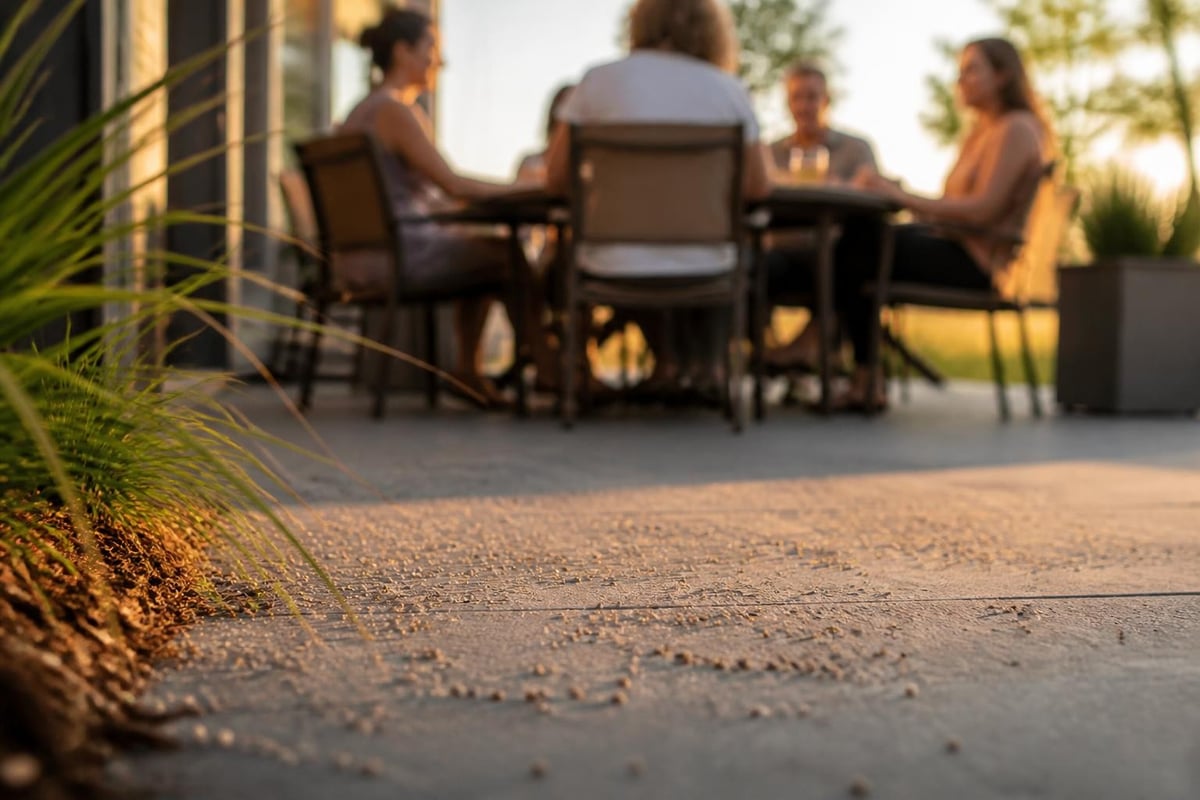
Corn-based biodegradable granules infused with essential oil blends represent a different philosophy entirely. Rather than treating people, you treat the space. The granules release concentrated scent compounds at ground level where mosquitoes hunt, creating a masking barrier that prevents detection.
The biodegradable carrier breaks down naturally into soil without leaving synthetic residues. One application typically provides peak protection for 48 hours without requiring anyone to touch the product. For families concerned about the best organic bug repellent options, granular formats eliminate the skin-contact concerns entirely.
Environmental Impact Beyond Active Ingredients
True environmental responsibility requires looking at the complete product lifecycle, not just what happens during the hours of protection.
Manufacturing and Sourcing
Sustainable production starts with ingredient sourcing. Essential oils can be produced through steam distillation with minimal environmental impact, or through chemical extraction that leaves significant waste. Corn-based carriers utilize renewable agricultural resources, though farming practices vary.
Questions to consider:
- Are ingredients sourced from sustainable, certified operations?
- Does manufacturing minimize water use and energy consumption?
- Are byproducts recycled or repurposed?
- What is the carbon footprint of transportation?
Packaging Waste
Single-use plastic bottles and aerosol cans contribute substantially to landfill waste. Glass containers offer better recyclability. Bulk sizing reduces packaging per application. Some brands now offer refill options or concentrate formulas that reduce shipping weight and packaging materials.
Water Contamination Risk
Repellents applied to skin inevitably wash off during showers, swimming, or sweating. These chemicals enter water systems where they may affect aquatic life. Recent research on minimum-risk products highlights that even "natural" ingredients can impact ecosystems when concentrated in waterways.
Ground-applied products that biodegrade in soil present lower water contamination risk than skin-applied formulas that rinse directly into storm drains and waterways.
Making Environmentally Friendly Choices Practical
The gap between environmental values and daily convenience often determines whether sustainable products stick. The best environmentally friendly bug repellent is the one you'll actually use consistently.
Coverage Area and Application Frequency
Calculate your typical outdoor space to determine how much product you need and how often. A 1,000 square foot patio requires different volume than a 10x10 tent site. Products with longer duration reduce both cost and environmental impact per gathering.
| Space Type | Typical Size | Product Volume Needed | Reapplication Frequency |
|---|---|---|---|
| Patio table area | 100-300 sq ft | 5-8 oz | Every 2 days |
| Full deck | 500-1,000 sq ft | 16-20 oz | Every 2 days |
| Backyard party zone | 1,000+ sq ft | 20-36 oz | Every 2 days |
| Camping site | 200-400 sq ft | 8-12 oz | Every 2 days |
Storage and Shelf Life
Essential oils degrade when exposed to light, heat, and air. Proper storage in cool, dark locations extends effectiveness and reduces waste from expired product. Glass containers preserve potency better than plastic for long-term storage.
Cost Per Application vs. Environmental Cost
While natural products may carry higher upfront costs, comparing the cost per protection hour and environmental impact per use provides better perspective. A $25 bottle of biodegradable granules covering 1,000 square feet for 48 hours costs roughly $0.50 per hour. A $12 aerosol spray protecting one person for 2 hours runs $6.00 per hour, requires skin application, and multiplies across every guest.
When evaluating environmentally friendly mosquito spray alternatives, factor in the hidden costs: reapplication time, product waste through overspray, and disposal of empty containers.
Real-World Performance in Different Settings
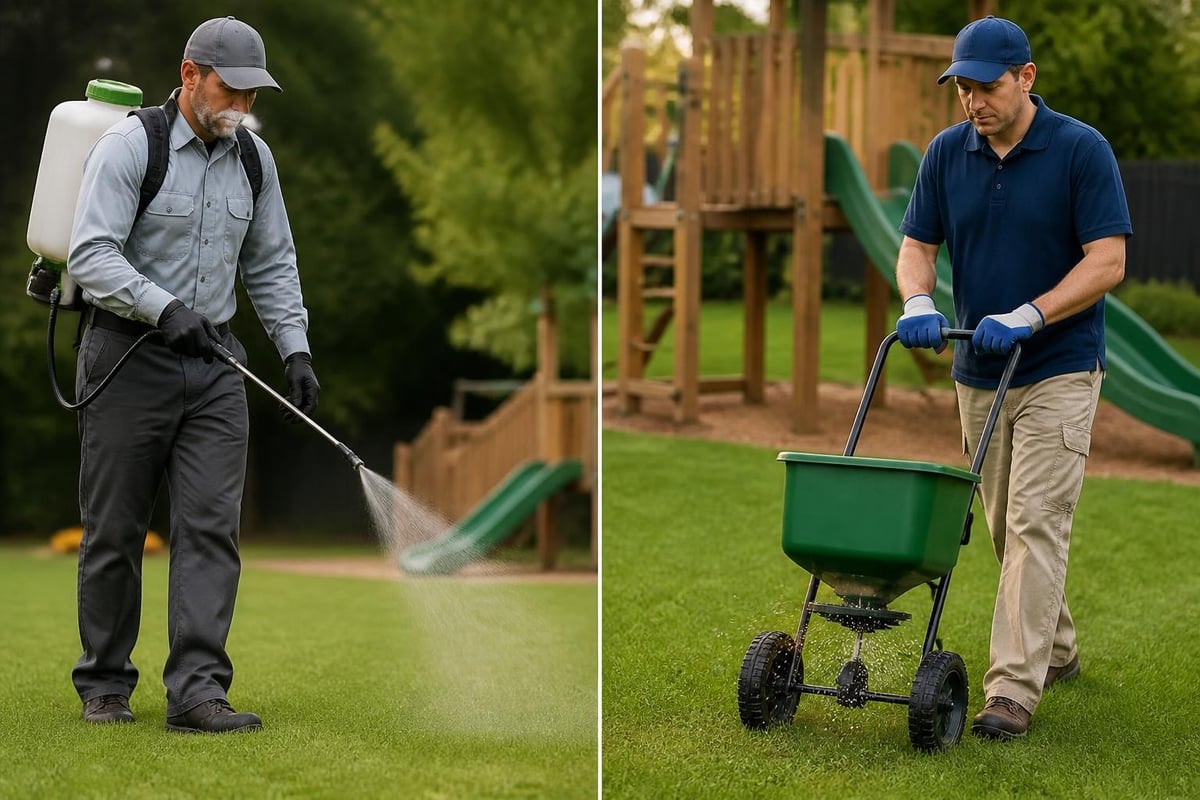
Understanding how environmentally friendly bug repellent performs across various outdoor scenarios helps set realistic expectations.
Backyard Patios and Decks
Suburban outdoor living spaces benefit most from area protection rather than individual sprays. When you're hosting a dinner party, asking guests to spray themselves creates an awkward moment and often meets resistance. Ground-applied protection works invisibly, requiring no participation from guests.
The controlled environment of a patio or deck allows for optimal product placement. Perimeter application around seating areas creates an effective barrier. The lack of wind common in these semi-enclosed spaces helps maintain scent concentration.
Camping and RV Sites
Portable outdoor adventures require different considerations. Weight, packability, and multi-day effectiveness matter more. Biodegradable options align well with leave-no-trace ethics that most campers value. For those exploring destinations like Maine's beautiful beaches, packing repellent that won't harm coastal ecosystems shows respect for these natural treasures.
Fill a mesh bag with granules and clip it to your camp chair or RV awning. Place small amounts around your tent perimeter. The portability eliminates the need for bulky spray bottles while providing protection that doesn't require touching your skin after a long day on the trail.
Outdoor Dining and Entertainment Spaces
Creating a refined outdoor dining experience means controlling all the details. Luxury outdoor cooking setups from specialists like Cotswold Cooking Company represent significant investment in creating the perfect alfresco environment. Chemical sprays and smoking citronella candles clash with that carefully curated aesthetic.
Discreet ground protection maintains the visual integrity of your space. Guests appreciate the thoughtfulness of protection they don't have to manage themselves. The absence of chemical smell preserves the aroma of your carefully prepared meal.
Regional Travel and Recreation
Different geographic areas present varying mosquito pressure. The Kennebec Valley region and similar outdoor recreation destinations combine beautiful scenery with seasonal mosquito challenges. Travelers need portable, effective solutions that won't damage the environments they've come to enjoy.
Whether you're whitewater rafting, hiking, or simply enjoying lakeside evenings, biodegradable protection respects the natural areas while keeping you comfortable.
Addressing Common Concerns and Misconceptions
Several persistent myths about natural repellents deserve clarification.
"Natural Means Ineffective"
This assumption stems from experience with underpowered formulations, particularly citronella candles. University of Florida extension research confirms that concentration and application method dramatically affect performance. A 2% citronella candle provides minimal protection. A 15% multi-oil blend applied at ground level where mosquitoes hunt offers substantially better results.
"If It's Natural, I Can Use More"
Higher doses don't necessarily improve performance and can create waste. Follow application guidelines based on coverage area. Over-application simply accelerates biodegradation without added benefit.
"All Essential Oils Repel Mosquitoes"
Not all plant extracts demonstrate repellent properties. Lavender smells pleasant but shows minimal mosquito deterrence. Lemongrass, peppermint, and geraniol have documented efficacy. Choose products with proven active ingredients rather than pleasant-smelling botanicals.
"Natural Products Are Always Safer"
Natural doesn't automatically mean safe for all applications. Some essential oils can irritate skin or prove toxic to cats in concentrated form. Ground application rather than skin contact eliminates most safety concerns while providing effective protection. WHO guidance on vector control emphasizes proper use protocols regardless of whether products are synthetic or natural.
Integrating Repellent into Your Outdoor Lifestyle
Effective mosquito management becomes effortless when integrated into your outdoor routine rather than treated as an afterthought.
Pre-Event Preparation
Apply ground protection 30-60 minutes before guests arrive. This allows the scent barrier to establish fully. The subtle aroma disperses while maintaining effectiveness, so your space smells like your garden, not like a product.
Combining Methods for Maximum Protection
Layer strategies for high-pressure situations. Ground protection creates the primary barrier. Strategic fan placement disrupts mosquito flight patterns. Eliminate standing water to reduce breeding sites. This integrated approach reduces reliance on any single product.
Seasonal Adjustments
Mosquito pressure varies through the season. Spring may require lighter application, while humid summer evenings demand full coverage. Early fall often brings a second wave as populations surge before cold weather.
Seasonal application guide:
- Spring (March-May): Light coverage, focus on peak activity hours (dusk)
- Summer (June-August): Full coverage, extend protection earlier in evening
- Fall (September-October): Moderate coverage, watch for temperature-driven activity spikes
- Winter (November-February): Minimal to none in most regions
Teaching Family Members and Guests
When everyone understands how ground protection works, compliance improves. Explain that the product masks human scent at ground level so mosquitoes can't find us. This helps guests understand why they don't need to spray themselves and why walking through treated areas provides protection.
Pet-Safe Considerations in Outdoor Spaces
Dogs and cats share outdoor spaces with us, making their safety paramount when choosing environmentally friendly bug repellent.
Understanding Essential Oil Toxicity
Cats lack certain liver enzymes that metabolize essential oils, making them more vulnerable to toxicity from concentrated exposure. Dogs tolerate most essential oils better but can still experience irritation from direct contact.
Ground-applied products present lower risk than skin-applied formulas. Pets aren't coated in the product, and biodegradable granules break down before significant exposure occurs. Even so, choose formulations tested for pet safety and follow application guidelines carefully.
Application Zones and Pet Access
Apply product around the perimeter of gathering areas rather than where pets primarily play or rest. Allow granules to settle before permitting pets into treated zones. Most ground-applied products become pet-safe within 15-30 minutes as the carrier begins breaking down and oils disperse into the air.
For specific guidance on protecting both pets and people, resources on pet-friendly mosquito repellent offer detailed protocols.
The Economics of Green Pest Control
Understanding the full cost picture helps justify the sometimes higher upfront price of quality natural products.
Comparing Professional Services
Monthly mosquito service contracts run $75-150 per treatment, requiring 4-6 applications per season. Annual costs reach $300-900. These services typically spray synthetic pyrethroids that kill mosquitoes and beneficial insects alike.
DIY natural solutions cost $20-50 per month for the same coverage, preserve beneficial insects, and give you control over timing and application areas. The cost comparison becomes clearer over a full season.
Value of Outdoor Living Space
Your patio represents an extension of your home. If it's unusable due to mosquitoes, you've lost functional square footage. Calculate the cost per evening of comfortable outdoor use. A $30 investment providing 10 evenings of protection costs $3 per use, less than a single movie ticket.
Reducing Healthcare Costs
Mosquito-borne illnesses carry real costs. While West Nile Virus and other diseases remain relatively rare in most suburban areas, avoiding even one illness justifies preventive measures. Natural repellents that actually work provide this protection without the chemical load of conventional options.
Storage, Application, and Maintenance Best Practices
Proper handling maximizes effectiveness and longevity of your environmentally friendly bug repellent while minimizing waste.
Optimal Storage Conditions
Essential oil-based products maintain potency when:
- Stored in cool locations (60-75°F)
- Kept away from direct sunlight
- Sealed tightly between uses to prevent volatile oil escape
- Used within recommended timeframes (typically 1-2 years from manufacture)
Granular products stored in airtight containers in a garage or shed maintain full effectiveness through multiple seasons. Avoid storing in hot vehicles or outdoor sheds in summer, as heat accelerates oil degradation.
Application Techniques for Maximum Coverage
Even distribution ensures consistent protection across your space. For granular products, pour in a perimeter pattern around seating areas, then fill in interior zones. Walking paths and entry points to the space benefit from slightly heavier application.
Creating a scent barrier involves understanding air movement patterns in your space. Place product upwind of seating areas when possible, allowing natural breeze to carry the scent across the entire zone.
Natural alternatives to traditional spraying methods work by approaching the problem differently. When you protect your backyard space through ground-level scent masking, you're leveraging how mosquitoes actually hunt rather than fighting their biology with toxic chemicals.
Tracking Effectiveness and Adjusting Application
Pay attention to mosquito activity patterns in your specific location. If you notice increased activity near the edges of your treated zone, expand coverage by 10-20%. If protection remains strong with your current application, you may be able to reduce volume slightly and extend product life.
Keep notes on weather conditions, application amounts, and perceived effectiveness. Humidity, temperature, and wind all influence how long protection lasts. Over 2-3 applications, you'll dial in the perfect amount for your specific environment.
Making the Switch From Conventional Products
Transitioning to environmentally friendly bug repellent requires some adjustment, but the process is straightforward.
Setting Realistic Expectations
Natural products won't create a 100% mosquito-free environment in extreme conditions. They reduce mosquito encounters by 70-90% in most settings, making outdoor time comfortable rather than miserable. This represents a practical success threshold for most outdoor hosts.
Compare this to the false promise of complete elimination through chemical fogging, which requires reapplication every few weeks and kills beneficial pollinators along with pests.
Trial Runs Before Major Events
Test your chosen product during a quiet evening before hosting a large gathering. This allows you to determine optimal application amount and placement without the pressure of guests arriving. Take notes on coverage area and duration so you can replicate success.
Building Confidence Through Consistency
The first time you host an evening gathering without asking guests to spray themselves may feel uncomfortable. Trust the science behind scent-masking and ground-level protection. After a successful evening or two, confidence builds and the method becomes second nature.
Choosing environmentally friendly bug repellent means prioritizing your health, your guests' comfort, and environmental responsibility without sacrificing effectiveness. When you switch from sticky skin sprays to ground-applied protection, you gain control over your outdoor space while eliminating the chemical load that concerned you in the first place. Mosquito Beads offer a biodegradable solution that masks human scent at ground level, protecting your patio sanctuary for up to 48 hours per application without asking anyone to spray down or compromise the aesthetic you've worked to create. Pour the beads where you gather, step back, and reclaim your evenings outdoors.