

Mosquito Repellent for Outside: Ground-Based Solutions
When your patio becomes a second living room, mosquitoes feel like uninvited guests who refuse to leave. Traditional mosquito repellent for outside typically means spraying chemicals on everyone's skin or lighting citronella candles that barely work. But modern outdoor protection has evolved beyond sticky aerosols and smoky torches. Ground-based scent-masking solutions now offer a way to reclaim your outdoor sanctuary without asking family members to coat themselves in DEET or tolerating the greasy residue that comes with conventional sprays. Understanding how different outdoor repellents work helps you choose the right protection for your space.
Understanding How Outdoor Mosquito Protection Works
Mosquitoes locate their targets through a sophisticated scent-tracking system. Research shows mosquitoes detect carbon dioxide from up to 30 feet away, then use body heat and odor compounds to zero in on exposed skin. Traditional repellents work by either masking those scents or creating a chemical barrier that confuses the mosquito's sensory receptors.
The EPA regulates mosquito repellents as pesticides, requiring specific testing and labeling for safety and efficacy. Active ingredients range from synthetic compounds like DEET and picaridin to plant-derived options such as oil of lemon eucalyptus and essential oil blends.
Wearable Versus Spatial Protection
Most people think of mosquito repellent for outside as something you apply directly to skin. Wearable repellents include:
- Aerosol sprays with DEET concentrations ranging from 10% to 30%
- Lotion formulations that require rubbing into exposed areas
- Pump sprays that create a sticky film on clothing and skin
- Towelette applications for targeted coverage
Spatial repellents take a different approach by treating the environment instead of individual people. These solutions protect an area rather than a single person, making them practical for patios, decks, and outdoor gathering spaces where multiple people congregate.

Recent studies on spatial repellent efficacy demonstrate that environment-focused approaches can reduce mosquito landing rates across treated areas. The key difference lies in coverage: sprays protect whoever wears them, while spatial solutions protect the space itself.
Why People Move Away From Traditional Sprays
The suburban homeowner who treats their patio as an outdoor room faces unique challenges with conventional mosquito repellent for outside. Sticky sprays create several practical problems that make them less than ideal for regular entertaining.
Chemical exposure concerns top the list for families with young children and pets. DEET, while effective, raises questions about repeated skin contact, especially when outdoor time happens daily throughout warm months. Parents worry about little hands touching treated skin then going near eyes or mouths.
The reapplication burden makes sprays impractical for extended outdoor sessions. Most formulations require fresh applications every two to four hours, interrupting conversation, meals, and activities. Asking dinner guests to excuse themselves to reapply bug spray disrupts the atmosphere you worked to create.
Sensory objections run deeper than many realize. The greasy film left by aerosol sprays feels unpleasant in humidity. Strong chemical odors compete with food aromas during outdoor dining. Sticky residue attracts dust and feels wrong on furniture cushions and outdoor pillows.
| Spray Type | Protection Duration | Reapplication Needed | Skin Contact |
|---|---|---|---|
| DEET 25% | 3-4 hours | Every few hours | Direct |
| Picaridin 20% | 4-6 hours | Mid-event | Direct |
| Essential oil blends | 1-2 hours | Frequent | Direct |
| Ground-based scent masking | 2-3 days peak | Once per application | None |
The American Mosquito Control Association notes that personal protection products require individual compliance, meaning everyone in your space must remember to apply and reapply. This becomes particularly challenging when hosting groups or when children play outdoors for hours.
Ground-Based Scent Masking Solutions
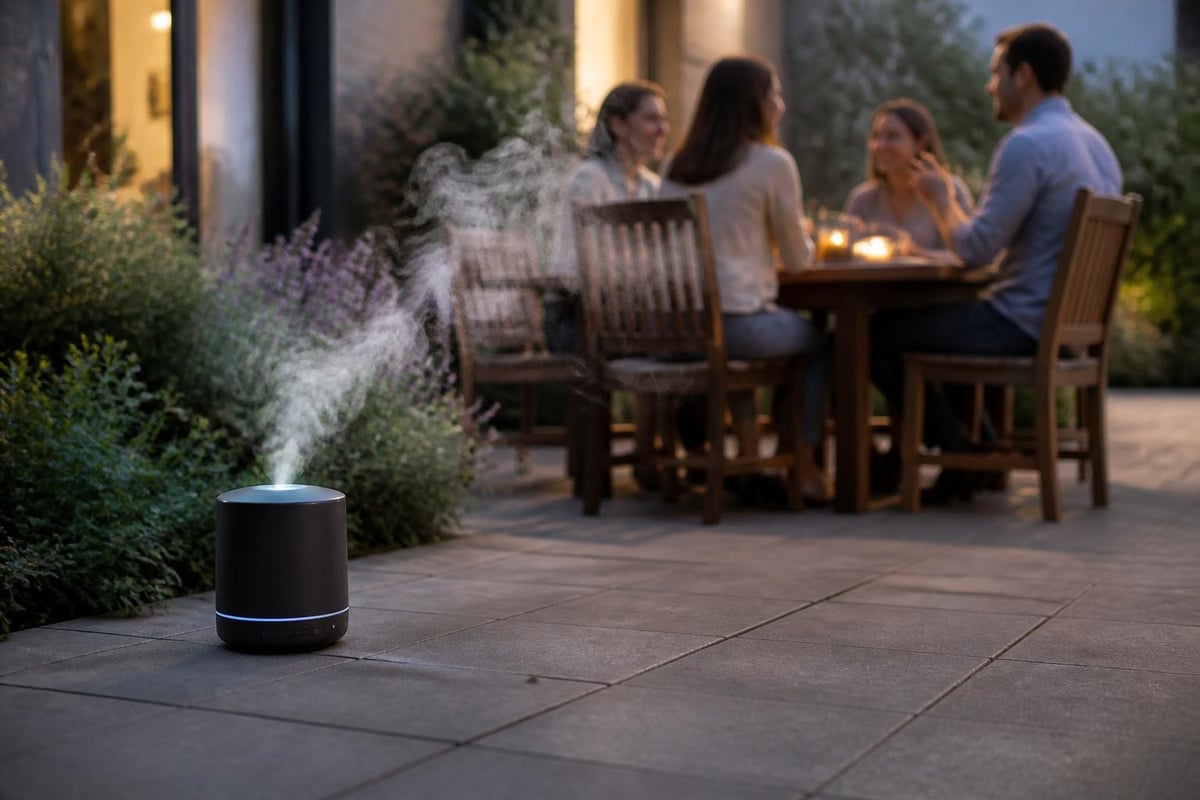
A different category of mosquito repellent for outside works by disrupting how mosquitoes track human scent at ground level. Rather than creating a chemical barrier on skin, these products release botanical compounds that interfere with a mosquito's ability to detect the carbon dioxide and body odors they hunt.
Biodegradable granules infused with essential oil blends represent one approach to this method. When distributed across the ground where people gather, they release scent compounds that mask human odor signatures. Mosquitoes searching for blood meals drift past the treated area because they cannot detect their usual targets.
How Scent Masking Differs From Killing
Ground-based repellents using scent masking do not kill mosquitoes. Instead, they make the protected space unattractive or undetectable to mosquitoes searching for a meal. This distinction matters for people concerned about beneficial pollinators and ecosystem balance.
The mechanism works through olfactory confusion. Mosquitoes rely on specific scent markers to identify suitable hosts. When those markers become obscured by competing scents, the mosquito's tracking system fails. The insect continues searching elsewhere rather than landing in the treated zone.
For the outdoor sanctuary host, this approach offers specific advantages:
- Nothing touches anyone's skin
- One application protects the entire gathering space
- No spray bottles on the patio table
- Pet-friendly when used as directed
- No sticky residue on furniture or clothing
Natural options using botanical ingredients like geraniol work within this scent-masking framework, using plant-derived compounds that mosquitoes find disruptive to their hunting behavior.
Choosing The Right Coverage For Your Space
Patio size determines how much mosquito repellent for outside you need. A small bistro seating area requires less coverage than a full outdoor dining setup with multiple conversation zones.
Calculating Square Footage
Measure your primary gathering area, not your entire yard. Focus on the deck, patio, or poolside zone where people actually spend time. Most outdoor living spaces fall between 200 and 1,000 square feet.
Small spaces (up to 300 square feet) include balconies, compact decks, and cozy patio corners. These areas typically accommodate four to six people comfortably. A single application point often provides adequate coverage.
Medium spaces (300 to 600 square feet) cover standard backyard patios with dining tables and seating groups. These zones need broader distribution to maintain consistent protection across the entire area.
Large spaces (600 to 1,000 square feet) encompass wraparound decks, poolside entertaining areas, and extensive outdoor rooms. Multiple application points ensure complete coverage without gaps where mosquitoes can penetrate.
Consider traffic patterns when placing any ground-based repellent. Entry and exit points need attention since people moving between indoors and outdoors can inadvertently create corridors for mosquitoes to follow.
Application Strategies For Maximum Effectiveness
Ground-based mosquito repellent for outside works best when applied strategically rather than randomly scattered. Understanding air movement and mosquito behavior helps optimize placement.
Perimeter applications create a protective boundary around seating areas. Mosquitoes approaching from surrounding vegetation encounter the scent barrier before reaching your guests. This works particularly well for patios backed by wooded areas or natural landscaping.
Focal point placement concentrates protection around specific zones where people gather most. Under tables, near chairs, and around conversation areas become priority locations. This targeted approach uses less product while maximizing protection where it matters.
Windward positioning takes advantage of natural air movement to distribute scent compounds across your space. Place granules upwind of seating areas so breezes carry the masking scent across the entire patio.
Timing Your Applications
Peak mosquito activity occurs during dawn and dusk, but outdoor entertaining happens whenever you want to enjoy your space. Plan applications before events rather than after mosquitoes have already found your patio.
- Apply product 30 minutes before guests arrive
- Focus on areas where people will sit and stand
- Refresh high-traffic zones if the gathering extends beyond two days
- Monitor effectiveness and adjust placement as needed
The best organic bug repellent options maintain effectiveness through multiple outdoor sessions, reducing the need for constant reapplication that disrupts your enjoyment.
Natural Ingredients That Actually Work
Plant-derived mosquito repellent for outside has come far beyond the ineffective citronella candles of past decades. Modern formulations combine multiple essential oils that work synergistically to disrupt mosquito behavior.
Geraniol, derived from geranium plants, acts as a primary scent-masking agent. Research indicates mosquitoes find this compound particularly disruptive to their normal hunting patterns. When released at ground level, it creates an olfactory barrier that obscures human scent markers.
Citronella remains relevant when properly concentrated and delivered. The difference between a weak candle and an effective product lies in concentration and distribution method. Ground-based delivery releases more compound into the space than a single flame can vaporize.
Peppermint, cornmint, and rosemary add additional scent complexity that compounds the masking effect. Mosquitoes evolved to track specific odor combinations, and disrupting that tracking with competing scents confuses their sensory equipment.
Eugenol, found in clove oil, rounds out professional-grade blends. This compound contributes both masking properties and a pleasant scent profile that humans find acceptable in outdoor entertaining spaces.
Biodegradable carriers allow these essential oils to release gradually over time. Corn-based granules break down naturally while delivering the botanical compounds that make mosquito repellent for outside effective without environmental persistence.
Much like how botanical scents are carefully blended for pleasant indoor fragrances, outdoor scent-masking products balance effectiveness with sensory appeal, ensuring your patio smells inviting to guests while remaining undetectable to mosquitoes seeking their next meal.
Avoiding Common Outdoor Repellent Mistakes
Even effective mosquito repellent for outside fails when applied incorrectly. Several common errors reduce protection and waste product.
Under-treating the space leaves gaps where mosquitoes penetrate your defenses. Skimping on coverage to stretch a container creates weak spots that compromise the entire protective zone. Follow manufacturer recommendations for square footage rather than guessing.
Ignoring environmental factors means missing shade patterns, air flow disruption, and moisture accumulation that affect product performance. Heavy rain can wash away some ground treatments, requiring fresh application after storms.
Mixing incompatible methods sometimes cancels out protection. Using multiple products simultaneously can create sensory confusion for humans without improving mosquito control. Choose one primary method and use it consistently.
What Doesn't Work Well
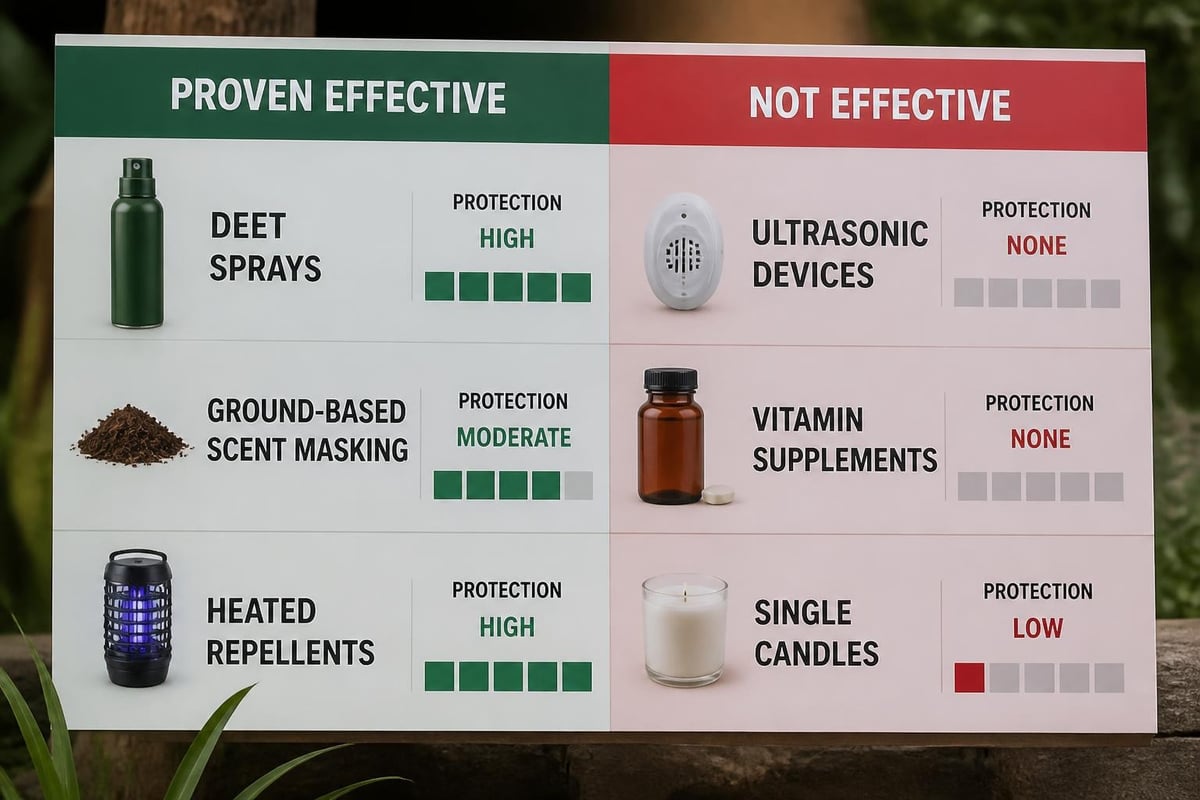
Certain popular mosquito repellent for outside options underperform despite widespread use:
- Single citronella candles provide minimal protection beyond immediate flame proximity
- Ultrasonic devices show no scientific evidence of effectiveness
- Bug zappers kill beneficial insects but rarely target mosquitoes
- Vitamin B supplements offer no proven mosquito deterrence
- Wristbands lack sufficient surface area for meaningful repellent delivery
Consumer Reports testing consistently shows that products requiring skin application or those with insufficient active ingredient concentrations fail to provide reliable outdoor protection during peak mosquito hours.
Special Considerations For Pet-Friendly Spaces
Pet owners face additional complexity when selecting mosquito repellent for outside. Dogs and cats share outdoor spaces with their families, and their safety requires careful product selection.
Ground-based biodegradable options offer advantages for households with pets. Because the product remains on the ground rather than being applied to skin or fur, animals avoid direct contact with concentrated formulations. When used as directed, properly formulated natural granules allow pets to move freely through treated areas.
Key pet safety factors include:
- Product placement away from areas where pets dig or roll
- Choosing formulations without ingredients toxic to animals
- Avoiding spray drift that might reach pet food or water bowls
- Monitoring initial applications to ensure pets don't consume granules
- Reading labels specifically for pet safety certifications
The University of Florida IFAS extension provides guidance on managing mosquito control in yards where pets play, emphasizing source reduction and pet-safe application methods.
For families prioritizing pet-safe mosquito control, ground-based natural repellents eliminate the concern about animals licking treated skin or inhaling aerosol sprays during application.
Integrating Repellents Into Your Outdoor Routine
Making mosquito repellent for outside part of your regular patio preparation removes the last-minute scramble when company arrives. Successful outdoor hosts develop systems that become automatic.
Store products in accessible locations near the door leading to your patio. This placement serves as a visual reminder to apply protection before settling into outdoor furniture. Many people keep a dedicated container in a deck box or outdoor storage cabinet.
Pre-event checklists help ensure complete preparation:
- Check weather forecast for rain that might affect application
- Sweep or clear debris from application areas
- Apply repellent to perimeter and focal points
- Set outdoor furniture and table settings
- Allow 20-30 minutes before guests arrive
Creating this routine makes protection second nature rather than an afterthought. Just as you automatically turn on patio lights before evening gatherings, applying mosquito control becomes part of preparing your outdoor space.
Professional Services Versus DIY Solutions
Some homeowners consider professional mosquito control services for comprehensive outdoor protection. These services typically involve monthly treatments using barrier sprays around property perimeters.
Cost considerations make a significant difference. Professional services range from $75 to $150 per monthly treatment throughout mosquito season. Annual costs easily reach $600 to $1,200 for suburban properties. Comparing costs between natural DIY approaches and professional services reveals substantial savings with self-directed methods.
Control versus elimination represents another distinction. Professional barrier sprays aim to kill mosquitoes on contact and provide residual killing power for weeks. Ground-based natural repellents focus on protecting your gathering space without attempting yard-wide elimination.
For the outdoor sanctuary host concerned about chemical load near family and pets, DIY natural options align better with values around reducing pesticide exposure while maintaining effective protection in areas that matter most.
Regional Considerations For Different Climates
Mosquito pressure varies dramatically by geography, affecting which mosquito repellent for outside works best for your region. Southern states face longer mosquito seasons and more aggressive species than northern climates.
Humid subtropical regions including the Southeast and Gulf Coast deal with mosquitoes nearly year-round. High humidity and warm temperatures create ideal breeding conditions. Residents in these areas need consistent protection from March through November or even longer.
Temperate zones in the Midwest and Northeast see seasonal mosquito peaks from May through September. Cold winters provide a natural break, but summer populations can be intense, particularly near lakes and wetlands.
Arid regions face fewer mosquitoes overall, but irrigated landscapes create localized breeding sites. Evening watering routines can inadvertently support mosquito populations around patios and gardens.
Those seeking natural mosquito repellent for their backyard should consider local mosquito species and seasonal patterns when planning protection strategies.
Maintaining Your Outdoor Sanctuary
Effective mosquito repellent for outside works best as part of a broader strategy that includes habitat management and smart landscaping decisions.
Standing water elimination remains the single most important mosquito control measure. Check your property weekly for:
- Clogged gutters holding water
- Flowerpot saucers collecting rain
- Bird baths needing fresh water
- Pool covers with puddles
- Decorative containers accumulating moisture
Landscaping choices influence mosquito pressure around your patio. Dense groundcover and thick mulch create humid microclimates where mosquitoes rest during hot daylight hours. Maintaining some open space and ensuring good air circulation reduces mosquito habitat directly adjacent to entertaining areas.
Air movement naturally disrupts mosquito flight. Ceiling fans on covered patios or strategically placed oscillating fans create wind currents that make it difficult for mosquitoes to land. This mechanical approach complements chemical and natural repellent methods.
For families who've invested in creating an outdoor sanctuary worth protecting, combining habitat management with effective repellent creates the most reliable long-term protection.
Making The Switch From Sprays To Ground Protection
Transitioning from traditional mosquito repellent for outside requires adjusting expectations about how protection works. Instead of coating each person in chemical barrier spray, you treat the space once and everyone benefits.
Natural Mosquito Repellent biodegradable beads offer this space-protection approach using six essential oils including geraniol, citronella, peppermint, eugenol, cornmint, and rosemary. Pour them on the ground where people gather, and the botanical blend masks human scent at ground level where mosquitoes track targets. Peak effectiveness runs through the first two days after application, with the Signature 18 oz covering up to 1,000 square feet and the Sidekick 5 oz handling up to 300 square feet for smaller spaces or portable use.
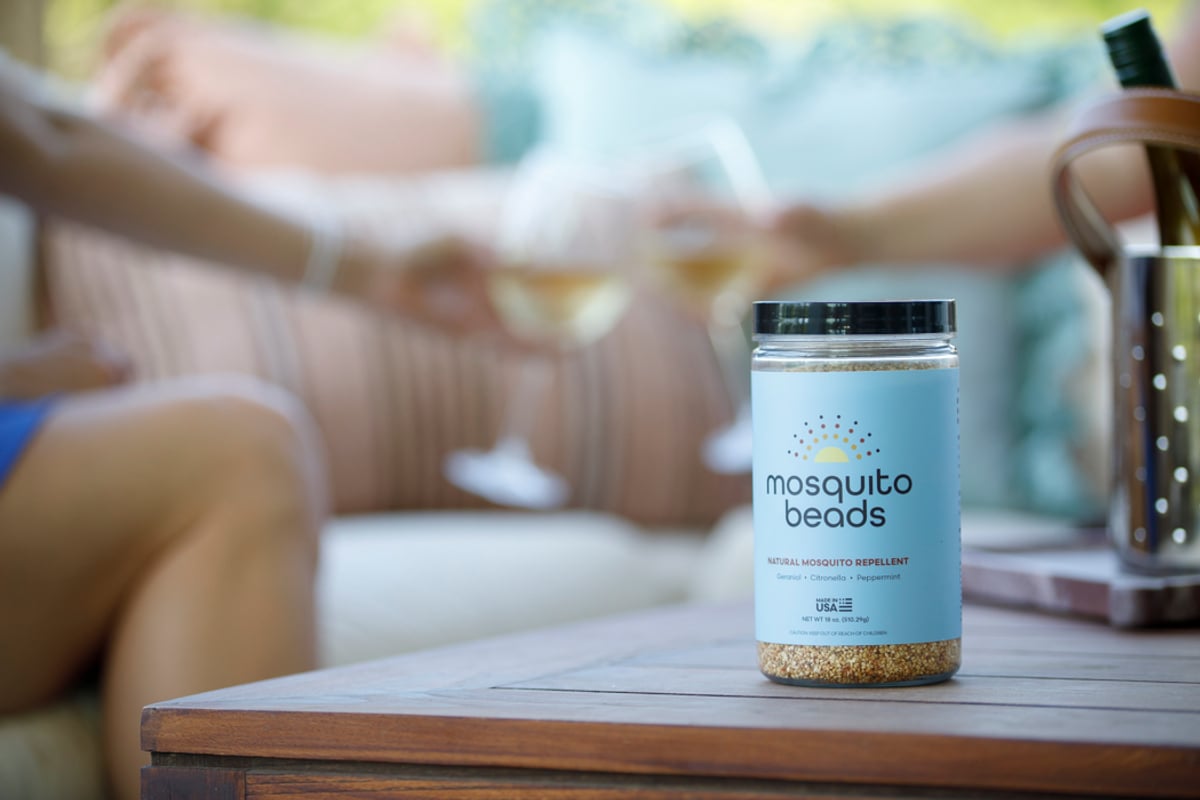
This ground-based method means nothing touches anyone's skin, no sticky spray residue coats furniture, and pets move freely through treated areas when used as directed. The corn-based granules biodegrade naturally, returning to earth after providing protection.
The shift from spray-dependent protection to space-based defense changes how you prepare for outdoor time. Rather than asking each family member to apply and reapply throughout an evening, one application protects everyone in the space. This approach particularly appeals to hosts who refuse to place spray bottles on beautifully set patio tables or ask dinner guests to interrupt conversation for reapplication.
Understanding Protection Duration And Reapplication
Different mosquito repellent for outside products offer varying protection windows. Matching product characteristics to your usage patterns ensures reliable coverage without waste.
Spray-on repellents require the most frequent reapplication. DEET formulations last three to six hours depending on concentration. Natural spray alternatives often need reapplication every one to two hours. Active outdoor activities, sweating, and water contact shorten these windows further.
Ground-based products typically provide longer protection periods. Quality formulations maintain peak effectiveness for one to three days per application. Environmental factors including rain, extreme heat, and high foot traffic may reduce duration.
| Protection Method | Peak Effectiveness | Coverage Area | Reapplication Frequency |
|---|---|---|---|
| DEET spray 25% | 4-6 hours | Individual person | Every activity session |
| Natural spray blend | 1-2 hours | Individual person | Hourly when active |
| Ground scent-masking | 1-3 days | Up to 1,000 sq ft | Per event or every 2-3 days |
| Citronella candle | While burning | 3-5 feet radius | Continuous burning required |
Planning around these timeframes helps avoid the frustration of protection failing mid-event. For weekend entertaining, apply ground-based repellent Friday afternoon to ensure full protection through Sunday evening.
The Future Of Natural Outdoor Protection
Innovation in mosquito repellent for outside continues advancing, particularly in natural and low-impact solutions. Research into odor-based push-pull strategies explores how combining repellent compounds with attractants can redirect mosquitoes away from protected spaces.
Encapsulation technologies improve how essential oils release over time, extending protection duration while reducing the amount of active ingredient needed. These delivery systems slowly release botanical compounds rather than dumping the full concentration immediately.
Consumer demand for products that protect without harming beneficial insects drives development toward more targeted approaches. Unlike broadcast insecticides that kill indiscriminately, scent-masking products allow pollinators and beneficial predators to continue their ecological roles while making human gathering spaces less appealing to mosquitoes.
The outdoor sanctuary host benefits from these advances through access to products that align with values around environmental responsibility, family safety, and effective protection. No longer must homeowners choose between tolerating mosquitoes or saturating their patio space with harsh chemicals.
Protecting your outdoor space from mosquitoes no longer requires sticky sprays or harsh chemicals. Ground-based scent-masking solutions let you reclaim your patio without asking everyone to coat themselves in repellent. Mosquito Beads offers biodegradable protection you simply pour where you gather, creating a protected zone that lets your family and guests enjoy outdoor time unbothered. Pour, don't spray, and take your evening back.