

Environmentally Friendly Mosquito Spray Alternatives
When you search for an environmentally friendly mosquito spray, you're looking for protection that won't harm the ecosystem you've worked so hard to cultivate. The traditional spray market has evolved significantly since the DEET-dominated era, but many homeowners are discovering that ground-based scent-masking solutions offer advantages over wearable applications entirely. This shift reflects a broader understanding of how mosquitoes hunt and what truly effective, low-impact protection looks like in 2026.
Understanding Environmental Impact in Mosquito Control
The term "environmentally friendly" in pest control carries weight beyond marketing language. Genuine environmental consideration addresses multiple dimensions: toxicity to non-target species, persistence in soil and water, effects on beneficial insects, and the manufacturing footprint of active ingredients.
Traditional synthetic repellents face scrutiny on several fronts. DEET, while effective, raises concerns about aquatic toxicity when washed into storm drains and waterways. Permethrin-treated fabrics persist in the environment and prove highly toxic to cats and aquatic life. Even some "natural" spray formulations contain carriers and propellants that contribute to volatile organic compound emissions.
The EPA's biopesticide program distinguishes between synthetic chemical pesticides and those derived from natural materials, including plants, bacteria, and certain minerals. This regulatory framework helps consumers identify products with lower environmental risk profiles, though registration alone doesn't guarantee a product fits every definition of "environmentally friendly."
What Makes a Mosquito Repellent Truly Green
Several measurable criteria separate genuinely low-impact products from greenwashed alternatives:
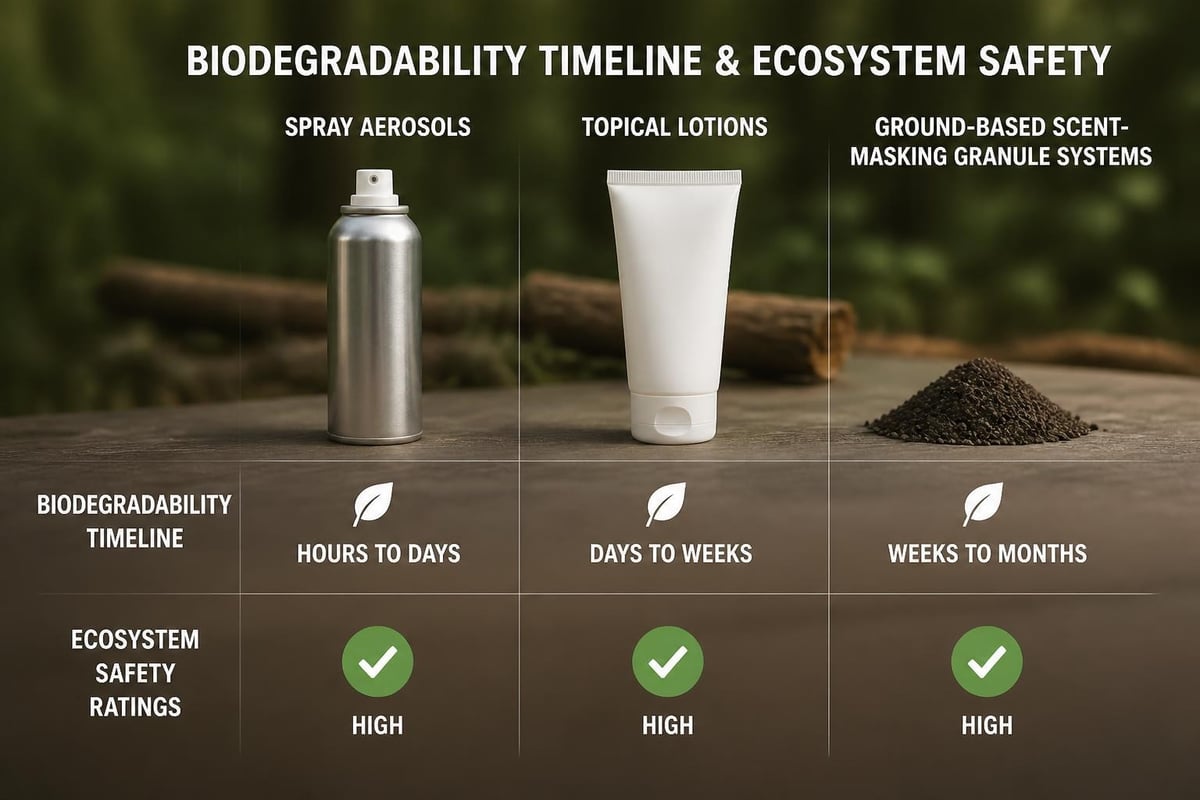
- Biodegradability: Active ingredients and carriers should break down in soil and water without accumulating
- Non-target safety: The product should pose minimal risk to bees, butterflies, birds, and beneficial insects
- Renewable sourcing: Plant-based ingredients from sustainable agriculture carry lower carbon footprints than petroleum derivatives
- Application efficiency: Formulations that protect spaces rather than requiring repeated skin application reduce overall chemical load
- End-of-life impact: Packaging and product residues should decompose or process cleanly
The most environmentally sound approach often eliminates the spray format entirely. Ground-applied granules, for instance, deliver protection where mosquitoes hunt at ankle level without requiring guests to coat exposed skin before entering your patio.
Active Ingredients: Botanical vs. Synthetic Options
The active ingredient defines both efficacy and environmental profile. Understanding the science behind common repellent compounds helps you evaluate products critically.
Plant-Derived Essential Oils
A systematic review of essential oils as mosquito bio-repellents synthesizes decades of laboratory and field research. The evidence shows genuine repellent properties in specific compounds, though duration and strength vary considerably.
Geraniol, derived from geranium and citronella plants, demonstrates consistent repellency against multiple mosquito species. Studies document protection windows ranging from 30 minutes to several hours depending on concentration and delivery method. When incorporated into biodegradable corn-based granules rather than sprayed on skin, geraniol maintains presence in the breathing zone where mosquitoes hunt by scent.
Citronella oil ranks among the most studied botanicals. While citronella candles show limited efficacy due to low concentration and smoke dispersal, concentrated citronella in ground-applied formats can maintain a scent barrier that disrupts mosquito host-seeking behavior.
A 2023 Scientific Reports study tested 20 essential oils against Aedes aegypti, the yellow fever mosquito. The research identified peppermint, eugenol (from clove), and rosemary oils as providing measurable protection, though with shorter duration than DEET when applied dermally. The study underscores a critical point: delivery method profoundly affects performance.
| Essential Oil | Primary Source | Typical Protection Duration (skin spray) | Environmental Concerns |
|---|---|---|---|
| Geraniol | Geranium, citronella grass | 1-3 hours | Low; biodegrades rapidly |
| Citronella | Cymbopogon grass | 30-90 minutes | Low; common in ecosystems |
| Peppermint | Mentha piperita | 45-150 minutes | Minimal; food-grade compound |
| Eugenol | Clove buds | 1-2 hours | Low; degrades in soil |
| Rosemary | Rosmarinus officinalis | 45-120 minutes | Minimal; culinary herb derivative |
Synthetic Chemical Repellents
DEET remains the gold standard for personal protection in high-risk disease zones, providing 6-8 hours of protection at 20-30% concentrations. However, its environmental profile includes aquatic toxicity and persistence in groundwater.
Picaridin offers comparable efficacy with lower environmental persistence and less damage to plastics and synthetic fabrics. Studies show faster biodegradation than DEET, making it a less impactful choice for those requiring skin-applied protection in endemic disease areas.
IR3535, derived from a naturally occurring amino acid, provides moderate protection with excellent safety and environmental profiles. Its biodegradability and low aquatic toxicity make it attractive for conscious consumers who need a wearable solution.
Delivery Systems: Rethinking the Spray Format
The "spray" delivery method creates inherent environmental and practical challenges. Aerosol propellants contribute to air quality issues. Pump sprays lead to overapplication and runoff. Lotion formats require touch, which many hosts find awkward when entertaining.
Ground-Based Scent Masking
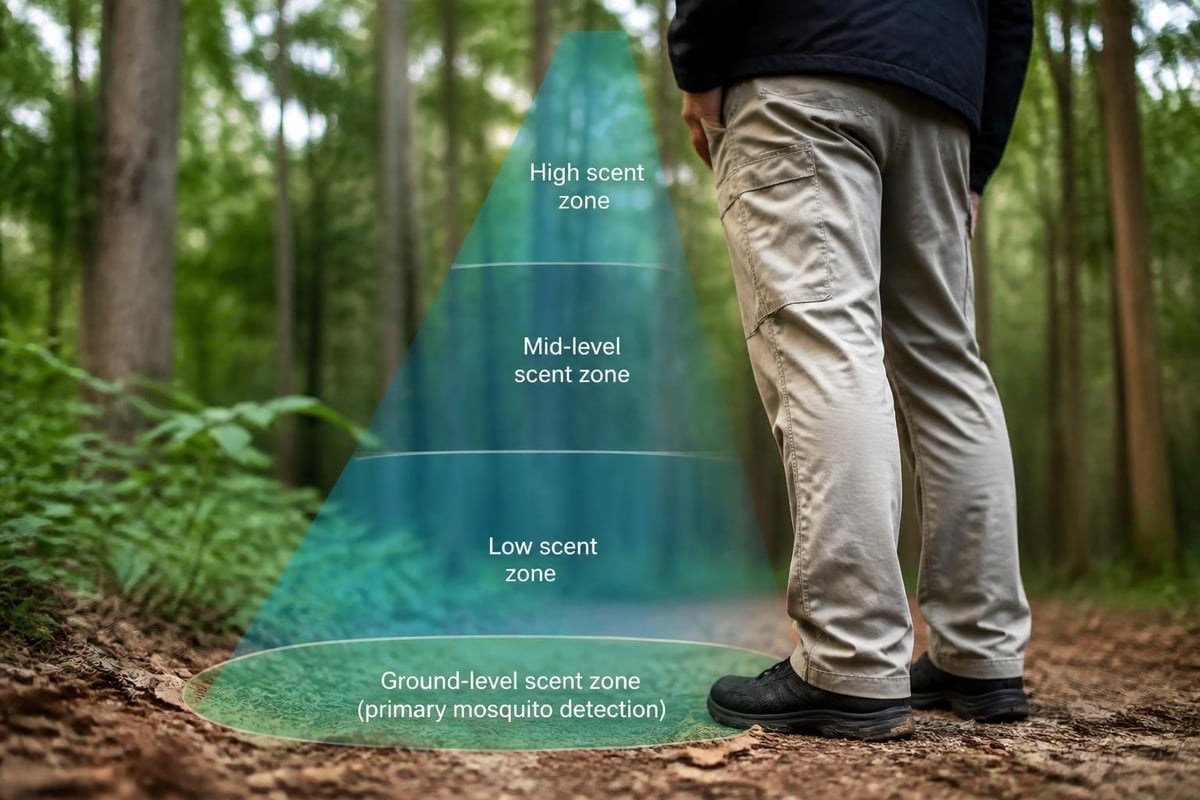
Rather than coating individual skin surfaces, ground-applied products target the zone where mosquitoes actually hunt. Mosquitoes detect human scent signatures including carbon dioxide, lactic acid, and other metabolic compounds that drift downward and pool at ground level.
Biodegradable granules infused with essential oil blends create a competing scent layer. When poured in a perimeter around seating areas, these products mask the human odor signature before mosquitoes close enough distance to land. Nothing touches skin. Nobody needs to spray down. Pets remain safe when products carry 25(b) designation under FIFRA regulations.
This approach particularly suits backyard patio protection where the goal centers on making a defined outdoor room comfortable rather than protecting a single person hiking through wilderness. The chemistry protects the space, not the individual.
Performance peaks during days one and two after application, then gradually diminishes as essential oils volatilize and granules biodegrade. Coverage scales with area: an 18-ounce container typically protects up to 1,000 square feet, while a 5-ounce portion suits smaller zones or portable use at sporting events.
Ground-based formats integrate seamlessly with outdoor aesthetics. For hosts who consider the patio an extension of the home, biodegradable beads poured discreetly at garden bed edges or beneath furniture beats clustering obvious citronella buckets on every table or asking dinner guests to spray themselves before sitting down.
Spatial Repellent Technologies
Thermacell devices and similar spatial repellents heat pads infused with allethrin, a synthetic pyrethroid. While these units avoid skin contact, allethrin carries environmental concerns including high toxicity to bees, fish, and cats. The WHO guidance on pesticide application emphasizes careful evaluation of pyrethroids near aquatic environments and pollinator habitat.
Fans and air curtains represent zero-chemical spatial solutions. High-velocity air disrupts mosquito flight and disperses attractant plumes. Effective but noisy, fans alter the ambiance many patio hosts cultivate.
Evaluating "Natural" Product Claims
The natural products market suffers from inconsistent terminology and unsubstantiated claims. Not every product labeled "natural mosquito repellent" delivers meaningful protection or environmental benefits.
Understanding EPA Registration
The EPA's Find the Repellent tool helps consumers identify products that have undergone efficacy and safety testing. Registration doesn't mean a product harms the environment, but it does confirm minimum performance standards.
Products exempt under 25(b) of FIFRA use active ingredients generally recognized as safe and don't require full EPA registration. This category includes many essential oil formulations. Exemption means lower regulatory burden but also less standardized efficacy testing, making third-party research and user reviews particularly valuable.
Red Flags in Product Marketing
- Vague duration claims: "All day protection" without species-specific data or testing conditions
- Unstated concentrations: Products that list active ingredients without percentage concentrations
- Broad-spectrum promises: Claims to repel mosquitoes, ticks, flies, gnats, and every other pest with one formulation
- Synthetic fragrance in "natural" products: Check full ingredient lists for petroleum-derived carriers
Thoughtful brands disclose active ingredient percentages, explain their mechanism of action, acknowledge duration limitations, and provide usage instructions calibrated to real-world performance.
Practical Application for Patio Protection
Creating a mosquito-free outdoor sanctuary requires integrated strategies. The most environmentally conscious approach layers multiple low-impact methods rather than relying on a single high-concentration chemical application.
Pre-Season Habitat Modification
Eliminating standing water remains the highest-impact intervention. Check gutters, flower pot saucers, birdbaths, and any container that holds rainwater. Mosquitoes complete their aquatic larval stage in as little as one week, so weekly dumping interrupts the reproduction cycle.
For hosts maintaining water features, mosquito dunks containing Bacillus thuringiensis israelensis (BTI) kill larvae without harming fish, birds, or plants. BTI represents highly targeted biological control with minimal environmental footprint.
Creating Buffer Zones
Strategic landscaping reduces mosquito pressure. Tall grasses and dense shrubs provide daytime resting spots for adult mosquitoes. Maintaining a groomed perimeter between wild edges and entertainment areas decreases mosquito density in the immediate patio zone.
Plants marketed as "mosquito repelling" offer limited protection through proximity alone. Crushing leaves to release essential oils provides temporary deterrence in immediate vicinity, but simply planting citronella grass or lavender won't create a protective barrier. The concentration matters more than the plant's presence.
Timing Outdoor Activities
Mosquito activity peaks at dawn and dusk when light levels trigger feeding behavior. Understanding when mosquitoes hunt most aggressively allows you to schedule high-exposure activities during midday hours when populations remain dormant.
For unavoidable evening entertaining, protection methods activated 30-60 minutes before guests arrive establish coverage before peak biting hours.
Comparing Environmental Costs Across Solutions
A complete environmental accounting considers manufacturing, transportation, use-phase impacts, and disposal. This lifecycle perspective often reveals surprises.
| Solution Type | Manufacturing Impact | Use-Phase Chemical Load | Disposal Considerations | Effective Coverage |
|---|---|---|---|---|
| DEET spray (aerosol) | High (petroleum-derived) | Moderate to high (dermally applied) | Aluminum can recycling | Single person, 6-8 hours |
| Picaridin lotion | Moderate (synthetic process) | Moderate (dermally applied) | Plastic bottle recycling | Single person, 8-10 hours |
| Citronella candle | Low to moderate (soy/paraffin) | Low (ambient release) | Wax composting, glass/metal recycling | Small radius, 3-6 feet |
| Essential oil spray | Low (plant extraction) | Low to moderate (dermally applied) | Glass/plastic bottle recycling | Single person, 1-3 hours |
| Biodegradable granules | Low (corn-based, essential oils) | Very low (ground application) | Complete soil biodegradation | 300-1,000 sq ft, 48 hours peak |
The granule approach minimizes chemical contact with people and pets while delivering spatial protection. When sourced from renewable agriculture and designed to biodegrade completely, these products close the environmental loop more effectively than most alternatives.
Special Considerations for Families and Pets
Households with children and animals face heightened concern about chemical exposure. Young children touch surfaces constantly and put hands in mouths. Pets groom themselves and absorb skin-applied products.
Pet safety varies dramatically across repellent types. DEET proves relatively safe for dogs when used according to label directions but should never be applied to cats. Permethrin, common in outdoor gear treatment, can be lethal to cats even in small doses. Essential oil products generally carry lower risk, though highly concentrated tea tree and pennyroyal oils can cause toxicity.
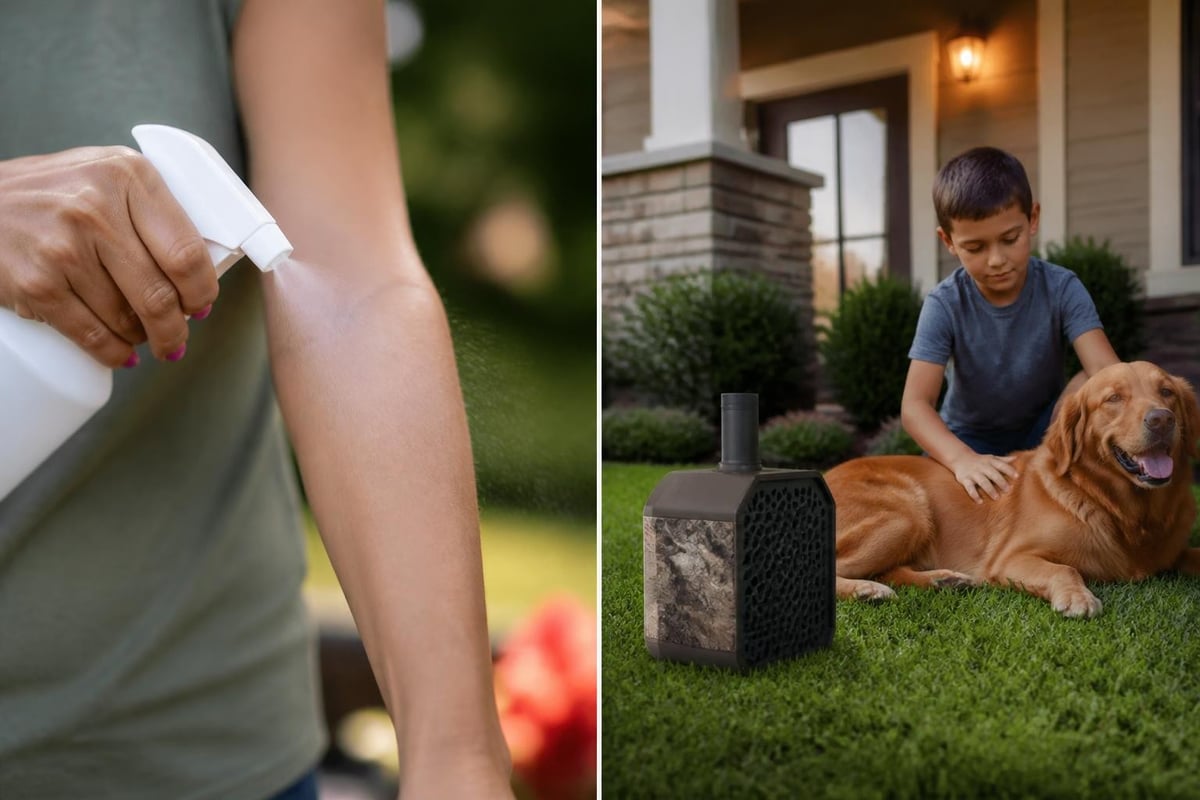
Ground-applied products eliminate the question entirely. When nothing touches fur or skin, accidental exposure drops to near zero. Brands offering detailed information about pet-friendly formulations and proper use protocols demonstrate responsible market participation.
For families prioritizing chemical-free living, alternatives to spray formulations align better with values around reduced toxin exposure. The difference between asking guests to coat arms and legs with spray versus discreetly treating the ground before they arrive carries social and health significance for conscious hosts.
Integrating wellness-focused approaches across household choices creates consistency. Just as families increasingly choose natural whole-food supplements for dogs rather than synthetic vitamins, selecting botanical-based spatial protection reflects parallel values in pest management.
Sustainability Beyond the Active Ingredient
True environmental responsibility extends to sourcing, packaging, and business practices. Conscious consumers increasingly scrutinize companies on multiple sustainability dimensions.
Packaging Innovations
Single-use plastic dominates the repellent market. Aerosol cans, pump bottles, and individual wipes generate substantial waste. Brands offering concentrated refills, recyclable containers, or biodegradable packaging demonstrate genuine commitment beyond formulation.
Some companies partner with sustainable retailers that curate plastic-free, ethically made products across categories, building broader ecosystems of conscious commerce. This network approach helps consumers make consistent choices and supports brands prioritizing genuine environmental values over greenwashing.
Transparent Supply Chains
Where do essential oils originate? Are agricultural workers compensated fairly? Does production damage sensitive ecosystems or displace indigenous communities? These questions matter increasingly to informed buyers.
Brands disclosing sourcing details, third-party certifications, and fair-trade commitments earn trust. Made-in-USA manufacturing reduces transportation emissions and supports domestic quality standards, though global supply chains for botanical ingredients remain common even in domestic production.
Community and Ecosystem Impact
The best environmental solutions create positive ripple effects. Supporting companies that contribute to habitat restoration, pollinator protection programs, or science-based conservation builds broader environmental health beyond individual product impact.
Investing in quality outdoor spaces encourages families to spend time in nature, fostering environmental appreciation in the next generation. Thoughtful patio design and hardscaping creates functional outdoor rooms that become true living spaces rather than neglected afterthoughts, deepening connection to the natural world even in suburban settings.
Real-World Performance Expectations
No environmentally friendly mosquito spray or alternative delivers 100% protection in all conditions. Setting realistic expectations prevents disappointment and wasteful product cycling.
Variables Affecting Efficacy
- Mosquito species: Different species show varying sensitivity to specific repellent compounds
- Population density: High mosquito pressure overwhelms lower-concentration products
- Weather conditions: Wind disperses scent barriers; rain washes away ground-applied products
- Application technique: Incomplete coverage or insufficient quantities reduce protection
- Individual attractiveness: Genetic factors make some people more detectable to mosquitoes regardless of repellent
During peak season in mosquito-dense regions like Florida or the Gulf Coast, layered approaches combining habitat modification, spatial protection, and personal repellent for the most sensitive individuals provide the most reliable coverage.
For moderate pressure situations-suburban patios on summer evenings, camping weekends, or youth sporting events-well-formulated botanical products deliver satisfying protection without chemical compromise.
Duration and Reapplication
Skin-applied sprays using plant-derived actives typically require reapplication every 1-3 hours. This frequency creates practical challenges during multi-hour gatherings and increases total chemical exposure.
Ground-applied granular products peak during the first 48 hours after application, then gradually diminish as essential oils volatilize. Weekly or bi-weekly application during active mosquito season maintains consistent coverage. This schedule requires planning but eliminates the need for constant reapplication during individual events.
Understanding performance curves helps optimize value. Apply ground protection the day before a planned gathering for peak coverage during the event. Use portable 5-ounce containers for spontaneous outings or supplemental coverage in high-pressure areas.
Integration with Outdoor Living Philosophy
For the outdoor sanctuary host, pest control represents one element in a broader vision of intentional outdoor living. The patio functions as an extension of indoor space, requiring the same attention to aesthetics, comfort, and values.
Creating Inviting Spaces
Visual noise undermines ambiance. Clusters of citronella torches, battery-powered zappers, and obvious pest control devices clash with carefully curated outdoor furniture and lighting.
Discreet protection methods preserve the atmosphere you've cultivated. Ground-applied granules scattered beneath plantings or along patio edges provide coverage without compromising sight lines. This approach mirrors thoughtful outdoor solutions that prioritize both function and visual harmony.
Guest Comfort and Hospitality
Asking guests to spray down before joining a dinner party creates awkwardness. The host-guest dynamic shifts when protection becomes the visitor's responsibility rather than the environment's inherent quality.
Spatial protection transfers that responsibility back to the host, creating seamless comfort. Guests arrive, sit, and enjoy without awareness of the protective measures in place. This invisible hospitality reflects higher-order entertaining skill.
Cost Analysis and Value Assessment
Environmental products often carry premium pricing. Understanding true cost requires accounting for coverage area, duration, and reapplication frequency.
Price Per Use Calculations
A $12 aerosol can providing 40 applications at $0.30 per use seems economical until you calculate that it protects only one person for one evening. A family of four requires $1.20 per event, with each person bearing sticky spray residue.
An 18-ounce granule container covering 1,000 square feet might retail for $35-45 and protect an entire patio for 8-12 applications at peak performance, working out to $3-5 per gathering for the whole space. No one touches chemicals. Pets roam freely. The cost per protected person drops significantly while eliminating skin contact entirely.
For frequent entertainers hosting weekly summer gatherings, the spatial approach delivers better value alongside environmental and comfort benefits. Those seeking occasional protection for solo outdoor activities might prefer personal spray options despite higher per-use environmental impact.
Professional Services vs. DIY
Professional mosquito treatment services spray synthetic pyrethroids monthly throughout the season, often costing $75-150 per treatment. These services effectively knock down adult populations but require accepting synthetic chemicals on all plant surfaces where beneficial insects and pollinators forage.
Ground-applied natural granules offer a middle path: more effective than citronella candles, less chemically intensive than professional barrier sprays, priced between the extremes. For the conscious consumer prioritizing environmental values, this sweet spot delivers adequate protection without compromise.
A detailed cost comparison of natural repellents versus professional services reveals that DIY natural approaches often provide the best value for suburban patio protection when quality of life factors beyond pure cost are weighted appropriately.
Making the Transition from Conventional Products
Shifting from DEET sprays or professional treatments to environmentally friendly alternatives requires mindset adjustment and realistic expectations.
Managing the Adaptation Period
Your first application of natural products may not deliver the immediate knockdown you've experienced with synthetic chemicals. Botanical formulations prevent landing through scent disruption rather than killing on contact. The outcome-fewer bites-remains the same, but the mechanism differs.
Give new products proper testing before rejecting them. Apply as directed, at recommended quantities, in appropriate conditions. Many users report gradual improvement as they refine application technique and timing.
Combining Multiple Strategies
The most successful natural mosquito management combines several elements:
- Eliminate breeding sites through weekly water removal
- Apply ground-based scent masking to high-use areas 24-48 hours before gatherings
- Use fans to create air movement in covered patio zones
- Schedule activities during lower-activity hours when possible
- Keep personal spray available for the most sensitive individuals or unexpected high-pressure situations
This layered approach reduces reliance on any single product while maintaining comfortable outdoor access throughout the season.
Tracking Results
Keep notes on application dates, weather conditions, and bite experiences. This record helps identify effective patterns and optimal reapplication timing for your specific environment. What works in arid climates differs from humid coastal regions. Your mosquito species mix, landscaping, and local water sources create unique variables that direct observation helps navigate.
The Broader Environmental Context
Choosing environmentally friendly mosquito protection connects to larger ecological health. Chemical pesticide runoff affects stream and lake ecosystems. Pyrethroid applications harm the beneficial insects that pollinate gardens and control other pest species.
The WHO Vector Control Advisory Group 2024 report emphasizes developing safer vector control technologies that minimize non-target effects while maintaining protection against disease-carrying mosquitoes. This international perspective confirms that even public health officials prioritize reducing environmental harm when alternatives prove viable.
For backyard use where disease transmission risk remains low, the environmental calculus tips heavily toward lower-impact solutions. Protecting families from nuisance bites doesn't require the same chemical intensity as controlling malaria vectors in endemic regions.
Supporting Biodiversity
Healthy ecosystems include predators that consume mosquitoes at all life stages. Bats, birds, dragonflies, and certain fish species reduce mosquito populations naturally when habitat supports these beneficial species.
Choosing selective pest management that doesn't harm these allies supports ecological balance. Over time, biodiverse yards require less intensive intervention as natural predation keeps mosquito numbers in check.
Chemical-free approaches align with best organic pest management practices that work with ecosystem processes rather than against them, building long-term resilience instead of creating dependence on repeated applications.
When families commit to reducing chemical load across all household decisions-from lawn care to natural pet wellness products to mosquito protection-the cumulative effect creates measurably healthier local environments. Every choice reinforces the next, building momentum toward genuinely sustainable living.
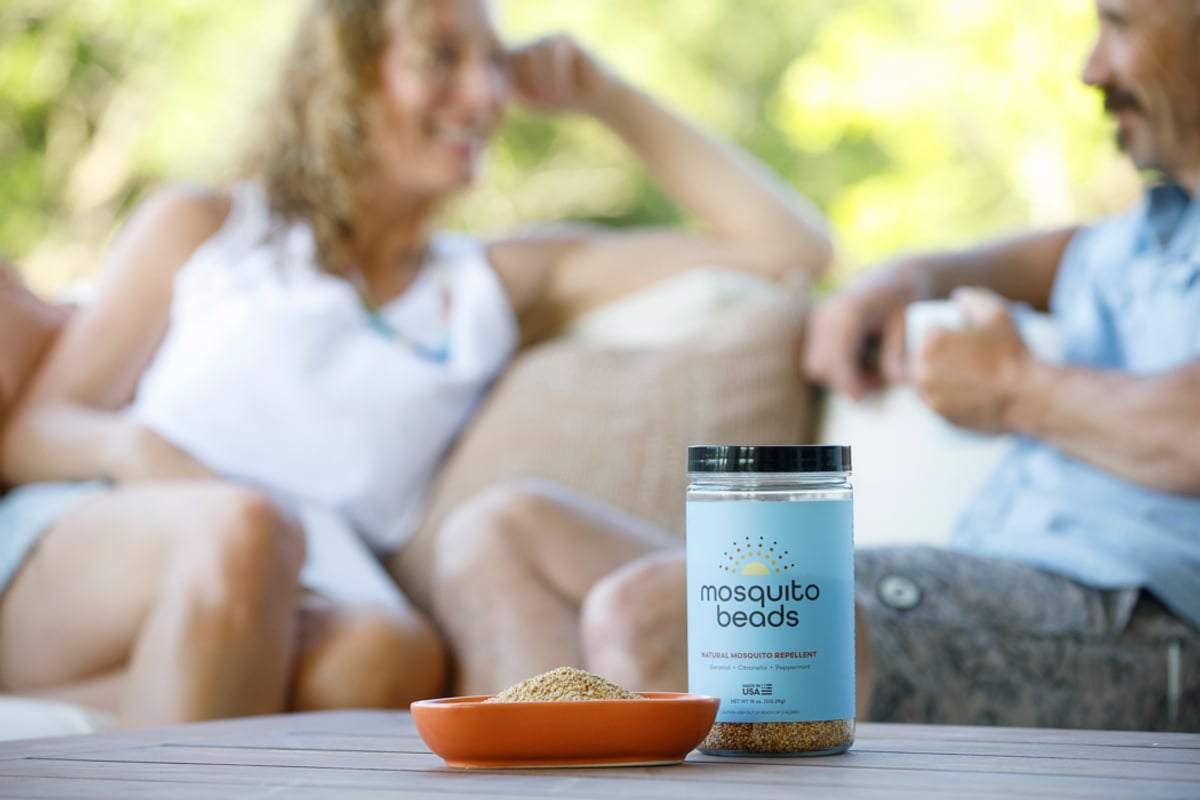
Mosquito Beads offer a scent-masking solution that protects your patio space without spray, smoke, or skin contact. Pour biodegradable granules infused with six essential oils where people gather, and mosquitoes drift past unable to detect their targets.
Selecting the Right Product for Your Situation
With dozens of environmentally friendly mosquito spray alternatives and ground-based options on the market, choosing requires evaluating your specific needs against product capabilities.
Key Decision Factors
Coverage area determines whether you need spatial protection for a defined outdoor room or portable personal protection for varied locations. Patio hosts benefit from products covering 500-1,000 square feet, while campers need lightweight portable options.
Usage frequency affects cost-benefit calculations. Weekly entertainers justify investing in bulk ground-applied products, while occasional users might prefer smaller trial sizes to test effectiveness before committing.
Chemical sensitivity in household members guides formulation choice. Families with asthma, allergies, or fragrance sensitivities should test products in limited areas before full application. Even natural essential oils can trigger reactions in sensitive individuals.
Pet considerations narrow options significantly. Products safe around dogs may harm cats. Always verify specific pet safety claims rather than assuming "natural" equals "pet-safe."
Aesthetic priorities matter for hosts who've invested in outdoor design. Products that integrate invisibly into landscaped spaces preserve the visual environment you've created.
Reading Labels Critically
Look beyond marketing language to concrete information:
- Active ingredient names and concentrations
- Coverage area per application
- Expected duration of effectiveness
- Specific mosquito species tested against
- Safety certifications and regulatory compliance
- Country of manufacture and ingredient sourcing
Products providing detailed, specific information demonstrate confidence in their formulation and respect for informed consumer choice. Vague claims and missing specifications signal either inexperience or intentional obscuring of limitations.
Starting Your Journey
Begin with realistic expectations and a experimental mindset. No product works identically across all environments, so success requires finding the right match for your specific conditions.
Order appropriately sized quantities for testing. A single 5-ounce container of ground-applied granules lets you evaluate performance during one or two gatherings before investing in larger volumes. Document results honestly, noting wind conditions, temperature, recent rain, and subjective bite experience.
Most environmentally conscious brands welcome questions and provide detailed application guidance. Reach out to companies directly when product information doesn't address your specific situation. Responsive customer service indicates genuine commitment to customer success rather than pure transaction focus.
Many hosts discover that the transition from spray-based protection to ground-applied alternatives improves their entire outdoor living experience. The absence of sticky skin applications, the discretion of invisible protection, and the peace of mind from chemical-free entertaining create benefits that extend beyond mosquito control into overall quality of life enhancement.
Protecting your outdoor sanctuary from mosquitoes doesn't require compromising your environmental values or coating guests in sticky chemicals. Environmentally friendly mosquito spray alternatives-especially biodegradable ground-based systems-deliver effective protection while respecting the ecosystem you've cultivated. Mosquito Beads provides scent-masking coverage by disrupting how mosquitoes detect humans at ground level, allowing you to pour protection where it matters and enjoy your patio without spray, flame, or skin contact.