

Vanilla Spray for Mosquitoes: Does It Really Work?
Vanilla extract sits in almost every kitchen, valued for baking and the warm scent it brings to desserts. Over the years, it has also earned a reputation as a natural mosquito deterrent. Search online for vanilla spray for mosquitoes, and you will find countless DIY recipes promising relief from biting insects without harsh chemicals. But does vanilla extract actually keep mosquitoes away, or is this simply another home remedy that sounds better than it performs? Understanding what the research says, how vanilla works in formulations, and what limitations exist can help you make informed decisions about protecting your outdoor sanctuary.
The Science Behind Vanilla as a Mosquito Deterrent
Vanilla itself is not a proven standalone mosquito repellent in the way that DEET, picaridin, or oil of lemon eucalyptus are. The confusion stems from vanillin, a compound found in vanilla beans and synthetic vanilla flavoring. Vanillin does appear in mosquito repellent research, but its role is more nuanced than simply spraying vanilla extract on your skin.
Vanillin as a Fixative and Synergist
Research shows that vanillin can extend the protection time of certain plant-based repellents when added to formulations. It acts as a fixative, slowing the evaporation of volatile essential oils. This means the active repellent compounds stay on your skin longer, extending the window of protection. One study demonstrated that vanillin increased the synergistic repellency of plant essential oil mixtures against Aedes aegypti mosquitoes, which transmit dengue and Zika.
The takeaway is important: vanillin helps other ingredients work better and longer. It does not repel mosquitoes effectively on its own.
What the Extension Services Say
University extension programs, which provide research-based guidance to the public, tend to be skeptical of vanilla as a mosquito repellent. The UW-Madison mosquito extension page reviews home remedies and notes limited evidence for vanilla or vanillin as an effective standalone repellent. While vanilla may provide very brief, minimal protection, it does not meet the standards for reliable mosquito defense.
The EPA lists vanilla and vanillin as inert ingredients or fragrance components in some formulations, not as active repellent ingredients. This regulatory classification underscores that vanilla plays a supporting role in products, not a primary protective one.

Why DIY Vanilla Spray Falls Short
Many online recipes for vanilla spray for mosquitoes call for mixing vanilla extract with water, witch hazel, or carrier oils. The instructions are simple: combine ingredients, pour into a spray bottle, and apply to skin or clothing. The appeal is obvious, especially for families seeking natural alternatives to synthetic chemicals. However, these homemade formulas encounter several practical problems.
Concentration and Consistency Issues
Pure vanilla extract contains only a small percentage of vanillin, typically around 1 to 2 percent. The rest is alcohol and water. When you dilute vanilla extract further in a spray recipe, the vanillin concentration becomes even weaker. Without sufficient concentration of active compounds, the spray offers minimal to no protection.
| Issue | Why It Matters | Result |
|---|---|---|
| Low vanillin concentration | Extract is already dilute; further mixing reduces potency | No measurable repellent effect |
| No true repellent actives | Vanilla lacks compounds proven to repel mosquitoes | Mosquitoes will still bite |
| Rapid evaporation | Alcohol-based extracts evaporate quickly from skin | Protection window is extremely short |
| Sticky residue | Sugar content in some extracts creates tacky feeling | Uncomfortable on skin, attracts ants |
The Sticky Problem
Applying any liquid to skin introduces inconvenience. Whether it is a vanilla spray for mosquitoes or a commercial DEET product, you deal with a wet, sometimes greasy or sticky application. For hosts who have invested in beautiful outdoor furniture, asking guests to spray themselves down before sitting is awkward. Children resist reapplication. Pets cannot be sprayed with human repellents.
The sticky factor is why many homeowners eventually abandon topical sprays altogether. They want protection that does not require constant skin contact or reapplication every hour.
What Vanilla Can and Cannot Do
To set realistic expectations, it helps to clarify what vanilla-based formulations might offer versus what they cannot deliver. This understanding prevents disappointment and helps you allocate resources to methods that actually work.
Limited, Short-Term Masking
Vanilla extract may provide a very brief masking effect, confusing mosquitoes for a few minutes by covering human scent. Mosquitoes hunt primarily by detecting carbon dioxide, body heat, and skin odors. A sweet vanilla scent might temporarily obscure those cues, but the effect is fleeting.
Think of it as walking through a cloud of perfume. The scent is strong at first, then fades within minutes. Mosquitoes are highly motivated to find a blood meal, and they will wait out or navigate around weak deterrents.
Not a Substitute for Proven Repellents
The World Health Organization emphasizes proven protective measures against mosquito-borne diseases: registered repellents, treated bed nets, and source reduction. Vanilla spray for mosquitoes does not appear on that list. Relying on vanilla alone in areas with disease-carrying mosquitoes is risky.
For backyard gatherings where disease risk is lower but comfort is the goal, you still need a solution that performs reliably. Vanilla extract simply does not meet that threshold.
The Broader Context of Natural Repellents
Interest in natural mosquito repellents has grown significantly as consumers seek environmentally friendly bug repellent options. Essential oils such as citronella, geraniol, peppermint, and rosemary have documented repellent properties, though they typically require higher concentrations and proper formulation to be effective.
Essential Oil Formulations
Research into bio-sourced mosquito repellents shows that blends of essential oils can provide meaningful protection, especially when formulated with fixatives like vanillin. The key is combining multiple active compounds at effective concentrations and ensuring they remain on the skin or in the environment long enough to work.
Some plant-derived compounds also show larvicidal effects, meaning they can kill mosquito larvae in standing water. This is distinct from repelling adult mosquitoes but represents another facet of botanical pest management.
Understanding essential oils and mosquito repellent formulations helps clarify why a single ingredient like vanilla extract cannot match the performance of carefully designed blends.
Ground-Based Alternatives to Topical Sprays
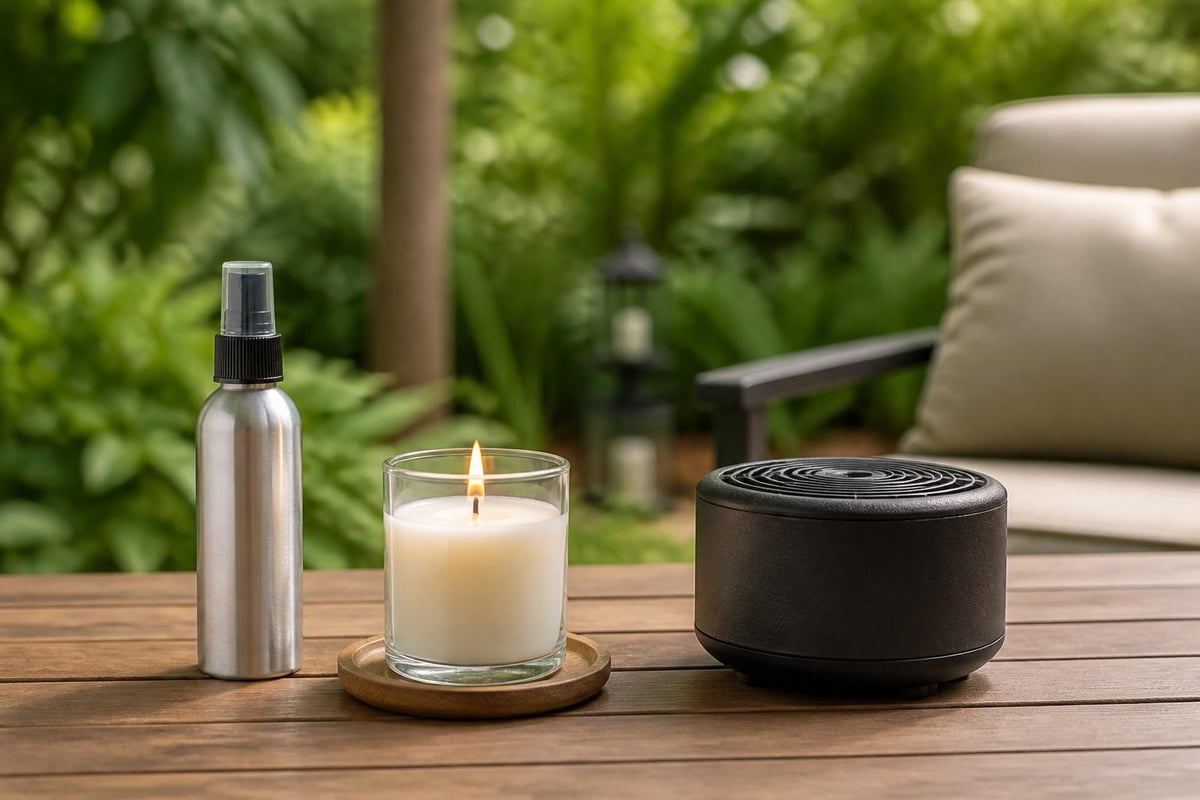
For homeowners who prioritize a chemical-free environment without the hassle of sticky sprays, ground-based repellent systems offer a compelling alternative. Rather than applying product to every person, these systems create a protective scent barrier at ground level where mosquitoes search for hosts.
How Scent-Masking Works
Mosquitoes navigate using scent cues that rise from the ground and disperse in the air. By deploying a repellent directly on the ground in the areas where people gather, you mask those human scent markers. Mosquitoes detect the masking scent instead of tracking people, causing them to drift past rather than land and bite.
This approach protects the space, not just one individual. Everyone in the treated area benefits without needing to spray, rub, or reapply anything to their skin.
Benefits Over Wearable Repellents
- No sticky residue: Nothing touches skin, clothing, or furniture
- Protects everyone: Guests, children, and pets all benefit from the same application
- No reapplication pressure: Apply once and the protection lasts days, with peak performance on days one and two
- No chemical exposure on skin: Ideal for families concerned about chemical load near children and pets
- No visual clutter: No citronella torches, no candles on the table, no bug zappers humming in the background
For those exploring mosquito repellent for outside spaces, ground-based options align with the desire to maintain aesthetic appeal while achieving effective protection.
If you are seeking a solution that addresses these priorities, Natural Mosquito Repellent beads made from biodegradable corn-based granules infused with six essential oils offer a no-spray approach. Pour the beads on the ground where people gather, set an open jar nearby, or clip a filled mesh bag when you are on the go. The beads mask human scent at ground level, so mosquitoes drift past instead of landing.

Vanilla Spray Recipes: What You Will Find Online
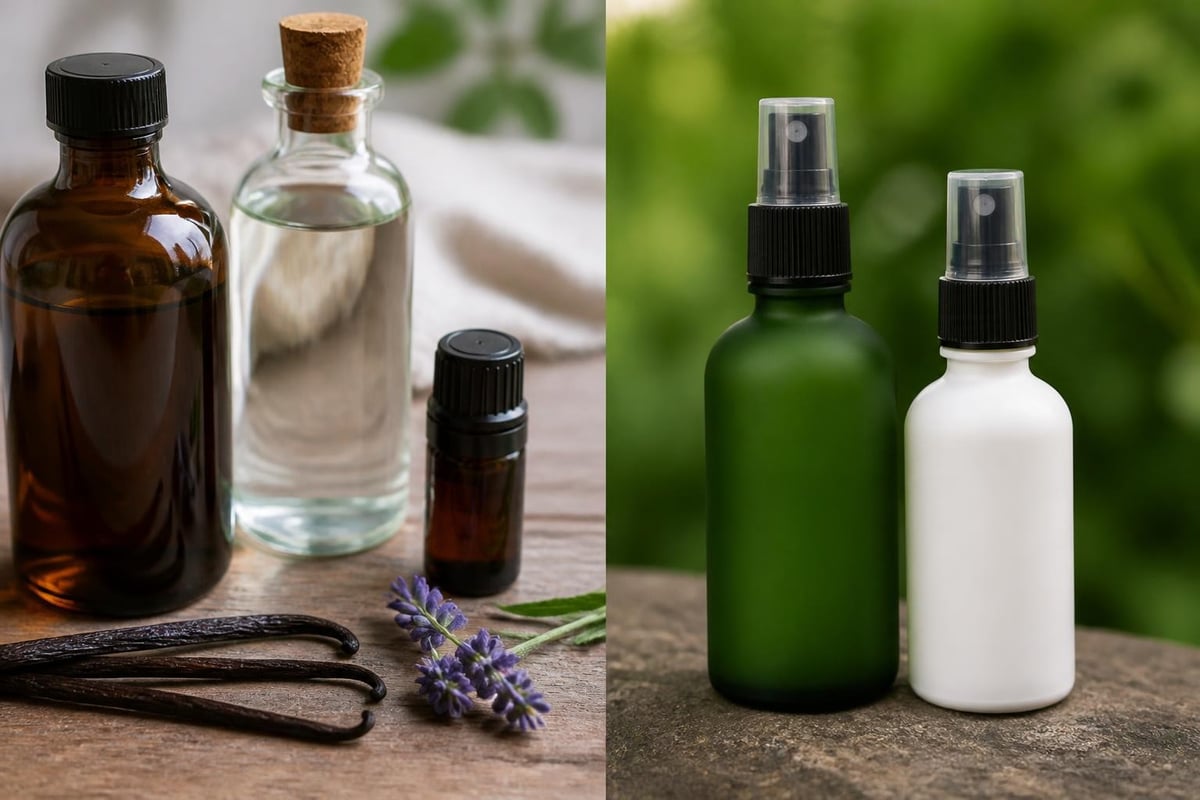
Despite limited efficacy, vanilla spray for mosquitoes recipes continue to circulate widely. Understanding what these formulas typically contain helps you assess their potential and shortcomings.
Common Ingredient Combinations
Most DIY vanilla spray recipes include:
- Pure vanilla extract: Usually one to two tablespoons
- Water or witch hazel: As a base liquid to dilute the extract
- Optional carrier oil: Such as coconut or jojoba, to help the mixture adhere to skin
- Optional essential oils: Citronella, lavender, or peppermint added for additional scent and minor repellent properties
The instructions direct you to combine ingredients in a spray bottle, shake well, and apply to exposed skin every 30 to 60 minutes.
Why These Recipes Persist
The persistence of vanilla spray for mosquitoes recipes is rooted in several factors:
- Accessibility: Vanilla extract is inexpensive and available in every grocery store
- Pleasant scent: Unlike some commercial repellents, vanilla smells sweet and familiar
- Natural appeal: Families want alternatives to synthetic chemicals
- Anecdotal success: Some users report feeling fewer bites, though this may be due to placebo effect or coincidental low mosquito activity
Anecdotal reports do not replace controlled testing. Without rigorous evaluation, it is impossible to know whether vanilla spray provides real protection or simply creates a false sense of security.
Practical Steps for Real Mosquito Protection
Rather than relying on vanilla spray for mosquitoes, consider a multi-layered approach that combines habitat modification, proven repellents, and space protection strategies.
Step 1: Eliminate Breeding Sites
Mosquitoes lay eggs in standing water. Walk your property and remove or treat water sources:
- Empty bird baths, plant saucers, and clogged gutters weekly
- Cover rain barrels with fine mesh
- Fill in low spots where puddles form
- Maintain swimming pools and ornamental ponds
Step 2: Choose Proven Repellents
For personal protection during hikes or travel, use EPA-registered repellents containing DEET, picaridin, IR3535, or oil of lemon eucalyptus. These products have undergone rigorous testing and provide documented protection times.
For those seeking the best organic bug repellent, look for formulations with high concentrations of proven essential oils, properly formulated to remain effective over time.
Step 3: Protect Your Outdoor Space
Instead of asking every guest to apply a wearable repellent, treat the space itself. Ground-based systems that use essential oil blends create a scent barrier that protects everyone in the area. This approach is especially valuable for:
- Patio dinners: Set the table without worrying about candles or sprays
- Children's play areas: Protect kids who will not tolerate frequent reapplication
- Pet-friendly zones: Ensure pets can roam without exposure to topical chemicals
| Method | Application | Coverage | Duration | Skin Contact |
|---|---|---|---|---|
| DEET spray | Apply to skin | One person | 4-6 hours | Yes, can be greasy |
| Citronella candle | Light and place on table | Small radius | While burning | No, but open flame |
| Ground beads | Pour on ground | Up to 1,000 sq ft | Days 1-2 peak | No contact needed |
| Vanilla spray | Apply to skin | One person | 15-30 minutes | Yes, sticky residue |
Step 4: Time Your Outdoor Activities
Mosquitoes are most active during dawn and dusk. When possible, schedule outdoor gatherings for mid-morning or early afternoon when mosquito activity is lower. Combine smart timing with space protection for maximum comfort.
Myths and Misconceptions About Vanilla Repellents
As with many home remedies, myths about vanilla spray for mosquitoes abound. Separating fact from fiction helps you avoid wasted effort and disappointment.
Myth: Vanilla Extract Is as Effective as DEET
Reality: Vanilla extract has not been proven to repel mosquitoes effectively in controlled studies. DEET, by contrast, has decades of research supporting its efficacy and safety when used as directed.
Myth: Natural Always Means Safe
Reality: Natural ingredients can still cause skin irritation or allergic reactions. Additionally, "natural" does not automatically mean "effective." Many natural substances have no repellent properties at all.
Myth: More Vanilla Equals Better Protection
Reality: Increasing the concentration of vanilla extract in a spray does not significantly improve its repellent effect. Vanilla lacks the specific compounds that interfere with mosquito host-seeking behavior.
Myth: If It Smells Strong, It Works
Reality: A strong scent may be unpleasant to humans, but mosquitoes are driven by specific chemical cues. A powerful smell does not necessarily disrupt those cues in a way that prevents bites.
When Vanilla Makes Sense in Formulations
While vanilla spray for mosquitoes is not effective on its own, vanillin does have a legitimate place in professionally formulated repellent products.
As a Fixative in Commercial Products
Some commercial natural repellents include vanillin to extend the longevity of essential oils. In these products, vanillin works alongside proven active ingredients, not as a standalone repellent.
In Scent-Masking Blends
Vanillin can contribute to complex scent profiles designed to mask human odor. When combined with multiple essential oils at proper concentrations, it may play a supporting role in reducing mosquito attraction.
In Non-Repellent Applications
Vanilla and vanillin are used in many cosmetic and household products for fragrance. While these applications have nothing to do with mosquito control, they underscore vanilla's versatility as an ingredient in formulations where scent matters.
Alternatives to Consider for Your Outdoor Space
If you have tried citronella candles and found them lacking, and you want to avoid sticky sprays, you have other options that align with your values and lifestyle.
Biodegradable Essential Oil Beads
Pour-on-the-ground beads infused with essential oils like geraniol, citronella, peppermint, eugenol, cornmint, and rosemary create a scent barrier without flames, smoke, or skin contact. These beads mask the human scent mosquitoes track at ground level, causing them to drift past your patio instead of landing on your guests.
Peak performance occurs during the first two days after application, and the beads biodegrade back into the earth. For a Signature 18 oz application covering up to 1,000 square feet, this means days of protection from a single pour.
Fans and Air Circulation
Mosquitoes are weak fliers. Positioning oscillating fans around your patio creates air currents that make it difficult for mosquitoes to land. Combine fans with scent-masking for a layered defense.
Screened Enclosures
For permanent solutions, consider adding screens to porches or gazebos. This physical barrier keeps mosquitoes out entirely, though it requires upfront investment and may not suit every aesthetic.
Mosquito Misting Systems
Automated misting systems spray insecticide at timed intervals. While effective, they introduce synthetic chemicals into the environment and require professional installation and maintenance.
Final Thoughts on Vanilla and Mosquito Control
Vanilla spray for mosquitoes appeals to anyone seeking a natural, pleasant-smelling alternative to harsh chemicals. The idea of mixing a common kitchen ingredient into a protective spray is both accessible and appealing. However, the scientific evidence does not support vanilla extract as a reliable mosquito repellent. Vanillin can enhance other repellents by acting as a fixative, but it does not repel mosquitoes on its own.
For homeowners who have moved beyond citronella candles and sticky DEET sprays, ground-based scent-masking systems offer a practical, aesthetically pleasing solution. These systems protect the space rather than requiring every person to apply product to their skin. They eliminate the stickiness, the reapplication cycle, and the chemical exposure concerns that drive families away from traditional repellents.
Understanding the limitations of vanilla spray for mosquitoes helps you make informed decisions about how to protect your outdoor sanctuary. Rather than chasing myths, invest in methods backed by research and real-world performance.
Vanilla spray for mosquitoes may sound promising, but the science reveals it falls short of delivering reliable protection. For families seeking a natural, no-spray solution that protects the entire outdoor space without sticky applications or chemical concerns, Mosquito Beads offers a ground-based alternative. Pour biodegradable beads infused with six essential oils where you gather, and let scent-masking do the work while you enjoy your patio unbothered.