

Peppermint Oil Mosquito Spray Guide (2026 Review)
Peppermint oil has emerged as one of the most popular botanical ingredients in natural mosquito repellents, valued for its sharp menthol scent and potential insect-deterring properties. Homeowners seeking alternatives to synthetic chemicals increasingly turn to peppermint oil mosquito spray formulations, hoping to protect their outdoor spaces without exposing family and pets to DEET or permethrin. While peppermint shows promise in laboratory settings, the real-world effectiveness of DIY and commercial sprays varies significantly depending on concentration, formulation, and application method. Understanding what peppermint oil can and cannot do helps you make informed decisions about protecting your patio sanctuary.
What Makes Peppermint Oil Effective Against Mosquitoes
Peppermint oil (Mentha piperita) contains two primary active compounds: menthol and menthone. These volatile organic compounds produce the characteristic cooling sensation and penetrating aroma that may interfere with mosquito sensory receptors.
Key mechanisms of action:
- Olfactory disruption – The strong scent can mask carbon dioxide and lactic acid cues that mosquitoes use to locate hosts
- Contact irritation – Direct contact with concentrated oil may repel or deter landing behavior
- Neurotoxic effects – Laboratory studies show larvicidal activity against mosquito larvae in water
Research published in peer-reviewed studies examining Mentha piperita extracts demonstrates measurable biocidal action against Culex quinquefasciatus larvae, though adult mosquito repellency requires higher concentrations and frequent reapplication.
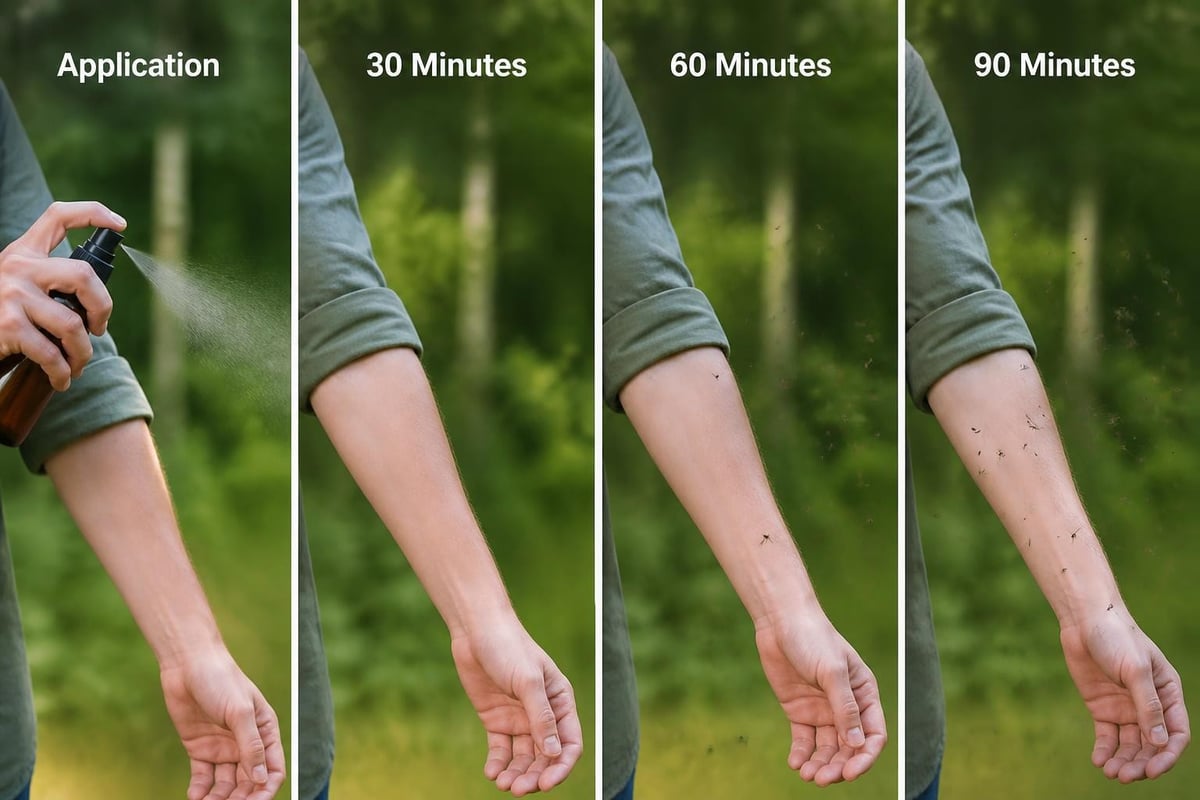
The challenge with peppermint oil mosquito spray lies in volatility. Essential oils evaporate quickly when exposed to air and sunlight, which means protection windows shrink rapidly. A spray that works for 30 minutes provides minimal value during a two-hour dinner on the patio.

Concentration Matters More Than You Think
Most DIY peppermint oil mosquito spray recipes recommend dilutions between 2% and 10% essential oil in a carrier base. Commercial formulations rarely exceed 5% due to skin sensitivity concerns and cost constraints.
| Concentration | Repellency Duration | Skin Safety | Typical Use |
|---|---|---|---|
| 2-5% | 20-45 minutes | Generally safe | Commercial sprays |
| 10-15% | 45-90 minutes | Possible irritation | Concentrated blends |
| 20%+ | 90+ minutes | High irritation risk | Rarely recommended |
Higher concentrations extend protection time but increase the likelihood of skin reactions, especially in children or individuals with sensitive skin. The tradeoff creates a persistent dilemma: effective repellency versus comfortable application.
How to Make Peppermint Oil Mosquito Spray at Home
DIY enthusiasts appreciate the control and cost savings of homemade formulations. Creating your own peppermint oil mosquito spray requires only a few ingredients and basic mixing skills.
Basic recipe (4 oz spray bottle):
- Add 3.5 oz distilled water or witch hazel to spray bottle
- Add ½ oz (1 tablespoon) high-proof vodka or rubbing alcohol as emulsifier
- Add 30-40 drops pure peppermint essential oil (approximately 5% concentration)
- Add 10 drops carrier oil (jojoba or sweet almond) to reduce skin drying
- Shake vigorously before each use
The alcohol serves as an emulsifying agent, helping oil disperse in water rather than separating into layers. Without proper emulsification, your spray delivers inconsistent concentrations with each application.
Enhanced multi-oil formula:
- 20 drops peppermint oil
- 15 drops citronella oil
- 10 drops eucalyptus oil
- 5 drops rosemary oil
- 3.5 oz witch hazel base
- ½ oz vodka
Combining multiple essential oils used in mosquito repellent formulations may provide broader-spectrum activity, though peer-reviewed evidence supporting synergistic effects remains limited. The witch hazel base offers mild astringent properties and feels less greasy than water-only formulations.
Application Frequency and Coverage Challenges
Peppermint oil mosquito spray requires reapplication every 30 to 90 minutes depending on concentration, activity level, and environmental conditions. Sweating, swimming, or rain exposure reduces effectiveness to 15-minute windows or less.
Factors that shorten protection time:
- High humidity accelerates evaporation
- Physical activity increases perspiration, washing away surface oil
- Wind disperses volatile compounds before they form a protective barrier
- UV exposure degrades active compounds
For a three-hour evening on the patio, you might need four to six applications per person. When hosting guests, asking everyone to reapply sticky spray repeatedly creates an uncomfortable dynamic that conflicts with relaxed outdoor entertaining.
Commercial Peppermint Oil Mosquito Spray Products
The natural repellent market has expanded significantly, with dozens of brands offering peppermint-based formulations. Product quality and effectiveness vary widely based on oil concentration, formula stability, and additional active ingredients.
What to look for in commercial products:
- Concentration disclosure – Reputable brands list essential oil percentages
- Additional actives – Geraniol, citronella, or lemongrass complement peppermint
- Emulsification quality – Shake test reveals how quickly oils separate
- Preservation system – Natural preservatives prevent bacterial growth in water-based sprays
- Third-party testing – Independent efficacy validation (rare but valuable)
Price points range from eight dollars for basic 4-oz bottles to 25 dollars for premium blends with certified organic oils. Cost per application becomes relevant when comparing to alternatives that protect space rather than individual skin surfaces.
A 2024 review comparing synthetic and natural repellents against Aedes aegypti found that botanical products containing peppermint constituents showed variable field performance, with protection times significantly shorter than DEET or picaridin-based products.
Regulatory Status and Label Claims
The EPA regulates insect repellents as pesticides, creating specific requirements for product claims and labeling. Peppermint oil mosquito spray products fall into two categories under federal law.
25(b) minimum-risk products:
- Contain only approved essential oils from EPA's exempted list
- Cannot make specific disease-prevention claims
- Subject to state-level registration in some jurisdictions
- Must follow EPA guidance on absence-of-ingredient claims
Registered pesticide products:
- Require EPA registration number on label
- Must provide efficacy data supporting claims
- Can make disease-vector protection claims
- Subject to more stringent testing requirements
Most peppermint oil mosquito spray products qualify as 25(b) minimum-risk formulations, which means manufacturers cannot legally claim they prevent mosquito-borne diseases without full EPA registration. A CDC evaluation of unregulated botanical products highlighted evidence gaps in field efficacy data for many minimum-risk ingredients, including peppermint derivatives.
Why People Move Away From Spray Applications
The outdoor sanctuary host values aesthetic appeal, ease of use, and protection that covers the entire space rather than individual guests. Spray applications, whether synthetic or botanical, create friction in these priorities.
Common frustrations with spray repellents:
- Sticky residue – Oils leave greasy film on skin and clothing
- Guest awkwardness – Cannot realistically ask dinner guests to spray down
- Incomplete coverage – Miss spots on back, ankles, or hairline
- Clothing stains – Some formulations discolor fabrics or leave marks
- Scent accumulation – Strong fragrance becomes overwhelming in enclosed patio spaces
When you have invested in comfortable outdoor furniture, quality table settings, and ambient lighting, asking guests to coat themselves in aerosol or pump spray conflicts with the refined atmosphere you have created. The experience should feel effortless, not medicinal.
Families with young children face additional challenges. Applying peppermint oil mosquito spray to a squirming toddler requires multiple reapplications as they touch their face, rub their eyes, or wash it off with pool water. The constant vigilance detracts from actually enjoying outdoor time together.
The Shift to Spatial Protection
Modern mosquito control increasingly focuses on treating the space rather than treating each person in it. This approach aligns with how mosquitoes actually hunt: by detecting scent plumes rising from ground level where carbon dioxide, lactic acid, and other attractants concentrate.
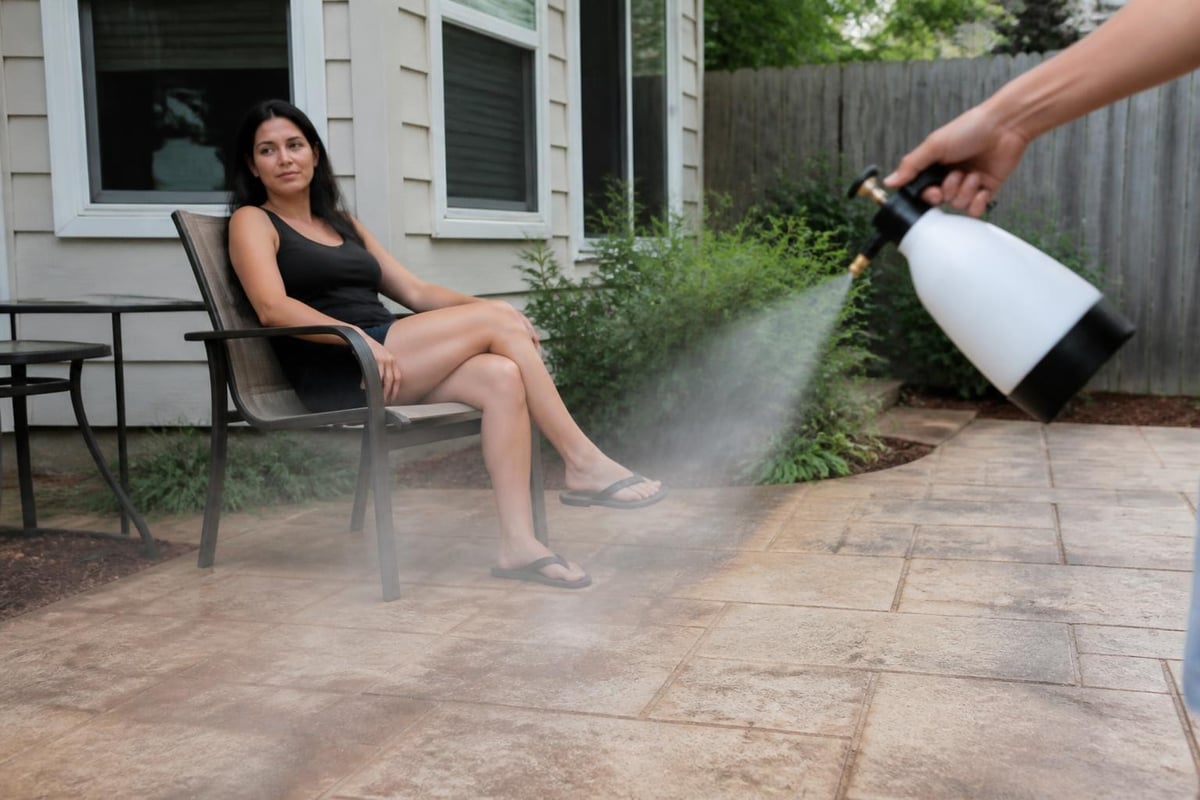
Rather than applying repellent to skin, spatial strategies deploy active ingredients at the source of scent emissions. Biodegradable granules infused with essential oil blends can be poured on the ground around seating areas, releasing scent-masking compounds that interfere with mosquito tracking at the detection point.
For those seeking environmentally friendly mosquito spray alternatives, ground-applied granular formulations offer several advantages over wearable sprays: nothing touches skin, protection covers everyone in the space equally, no reapplication during the evening, and biodegradable carriers dissolve naturally without residue.
Evidence Base and Realistic Expectations
Scientific literature on peppermint oil mosquito repellency presents a mixed picture. Laboratory cage studies often show promising results that do not translate consistently to field conditions where variables multiply.
A systematic review of essential oils as mosquito repellents analyzed human and laboratory studies across multiple Mentha species, finding efficacy variability based on oil quality, mosquito species, application method, and environmental conditions. Pure peppermint oil at 10% concentration provided 30 to 60 minutes of protection in controlled settings, significantly less than the 4 to 6 hours offered by 20% picaridin formulations.
Realistic performance benchmarks:
- 5% peppermint oil spray: 20-40 minutes in field conditions
- 10% concentrated spray: 45-75 minutes with ideal application
- Combination blends: 60-90 minutes when properly formulated
- Reapplication required: Every 30-60 minutes for sustained protection
These timeframes assume complete skin coverage with no sweating or water exposure. Real-world protection windows often fall below laboratory estimates.
Species-Specific Responses
Mosquito response to peppermint oil varies by species. Aedes aegypti (yellow fever mosquito), Aedes albopictus (Asian tiger mosquito), and Culex pipiens (common house mosquito) show different sensitivity levels to menthol and menthone compounds.
| Mosquito Species | Peppermint Sensitivity | Geographic Distribution | Disease Vector |
|---|---|---|---|
| Aedes aegypti | Moderate | Southern U.S., tropical | Zika, dengue, yellow fever |
| Aedes albopictus | Moderate-high | Eastern U.S., spreading | Zika, dengue, chikungunya |
| Culex pipiens | Low-moderate | Nationwide | West Nile virus |
| Anopheles quadrimaculatus | Low | Eastern U.S. | Malaria (rare in U.S.) |
If your region has high Culex populations, peppermint oil mosquito spray may provide less protection than in areas dominated by Aedes species. Local mosquito species composition matters when selecting botanical repellents.
Safety Considerations for Families and Pets
Pure essential oils carry safety considerations that commercial spray formulations attempt to mitigate through dilution. Peppermint oil, while generally recognized as safe in low concentrations, can cause adverse reactions in certain populations.
Human safety concerns:
- Skin irritation or contact dermatitis in sensitive individuals
- Eye irritation if spray mist contacts face
- Respiratory irritation in people with asthma or allergies
- Not recommended for infants under three months
- Potential mucous membrane irritation in high concentrations
Always perform a patch test on a small skin area before full application, especially with children. If redness, itching, or burning develops, discontinue use immediately.
Pet considerations:
Cats lack certain liver enzymes needed to metabolize essential oils efficiently, making them more vulnerable to toxicity. While dilute peppermint oil mosquito spray poses minimal risk to dogs when dry, direct application to cats should be avoided.
Birds and small mammals also show sensitivity to volatile organic compounds. If you keep outdoor aviaries or have free-roaming rabbits, use caution with any essential oil spray in shared spaces.
For families prioritizing pet-friendly mosquito protection, ground-applied products keep active ingredients away from pet fur and grooming behaviors while still providing spatial protection.
Integration With Comprehensive Mosquito Management
Peppermint oil mosquito spray works best as one component within a layered defense strategy rather than a standalone solution. Integrated mosquito management combines habitat modification, exclusion, and repellent methods for maximum effectiveness.
Foundation layer – habitat modification:
- Eliminate standing water in gutters, flowerpots, and bird baths
- Trim dense vegetation where mosquitoes rest during daytime
- Install fans to create airflow that disrupts mosquito flight
- Add mosquito-eating fish to decorative ponds
Exclusion layer – physical barriers:
- Screen porches and patios with fine mesh
- Use mosquito netting over dining areas or play spaces
- Deploy window and door screens in good repair
- Install screen doors on frequently used entries
Repellent layer – active protection:
- Ground-applied spatial repellents for patio and seating areas
- Personal sprays for individuals leaving protected zones
- Planted repellent herbs (rosemary, lavender, marigolds) as supplemental barriers
- Targeted application in high-traffic zones like doorways
The EPA provides guidance on skin-applied repellents and their proper use within broader mosquito control programs. Combining approaches provides redundancy: if one method underperforms on a humid evening, others maintain baseline protection.
Alternative Application Methods
Beyond traditional spray bottles, peppermint oil can be incorporated into other delivery systems that may better suit specific outdoor scenarios.
Diffuser systems:
Electric or solar-powered diffusers create continuous scent clouds around seating areas without requiring skin application. Effectiveness depends on wind conditions and diffuser placement. Calm evenings yield better results than breezy conditions that disperse volatile oils too rapidly.
Treated fabric strips:
Cotton ribbons or cloth strips soaked in concentrated peppermint oil solution can be hung from pergolas, umbrella poles, or fence posts. As oils evaporate, they create localized repellent zones. Resoaking every 2-3 hours maintains effectiveness.
Candle or lamp oil additives:
Adding peppermint essential oil to citronella candles or oil lamps creates dual-action repellency. The heat accelerates volatilization, dispersing scent over wider areas. However, open flames present safety concerns around children and in fire-prone regions.
Granular carriers:
Essential oils can be absorbed into biodegradable carriers like corn-based granules that slowly release volatile compounds when poured on the ground. This method provides longer-lasting protection (24-48 hours peak performance) compared to spray applications that evaporate within an hour.
For suburban homeowners seeking the best organic bug repellent approaches, granular delivery systems offer an appealing middle ground: natural ingredients without the sticky application.
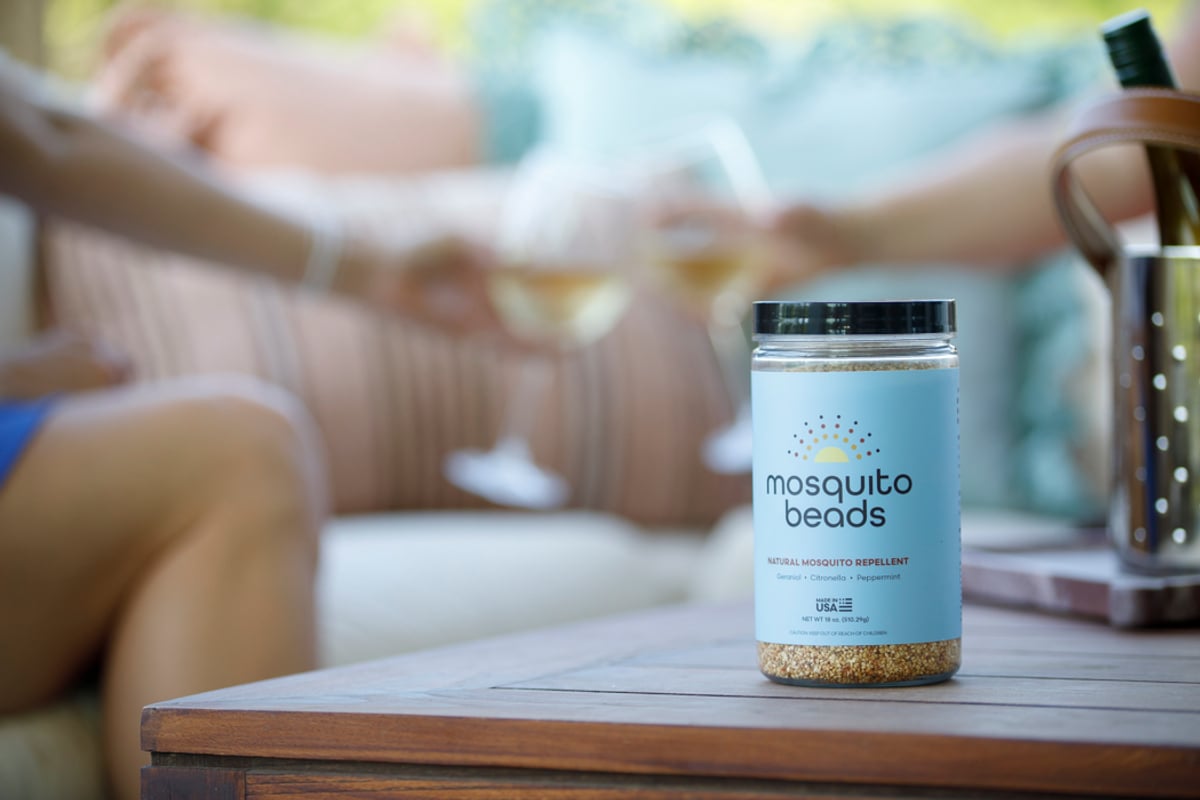
Mosquito Beads uses this granular approach, combining peppermint with five other essential oils (geraniol, citronella, eugenol, cornmint, and rosemary) in biodegradable corn-based beads. You pour the beads on the ground where your family gathers, creating a scent-masking barrier that interferes with mosquito tracking at ground level rather than on skin surfaces.
Cost Analysis and Value Proposition
Economic considerations influence repellent choices, especially for households that entertain frequently or have large outdoor spaces requiring consistent protection throughout mosquito season.
Peppermint oil mosquito spray costs (per season, April-October):
- DIY formula – $40-60 for ingredients yielding 30-40 bottles
- Commercial 4-oz spray – $12-18 per bottle, 8-12 bottles needed = $96-216
- Premium organic blend – $20-28 per 4-oz bottle, 8-12 bottles needed = $160-336
- Application time investment – 3-5 minutes per use, 2-4 uses per evening
For a family using patio space 3-4 evenings per week over a six-month season, spray costs accumulate quickly. If each evening requires two applications for four people, you consume one 4-oz bottle weekly, totaling 24-26 bottles per season.
Comparative cost per protected evening:
| Product Type | Cost Per Evening | Reapplication Needs | Skin Contact | Guest Friendly |
|---|---|---|---|---|
| DIY peppermint spray | $1.50-2.50 | Every 45-60 min | Yes | Awkward |
| Commercial botanical spray | $3.00-5.00 | Every 45-60 min | Yes | Awkward |
| DEET spray | $1.00-2.00 | Every 4-6 hours | Yes | Awkward |
| Ground-applied granules | $2.50-4.00 | Once per 2 days | No | Seamless |
Value extends beyond direct dollar costs to include convenience, aesthetic impact, and social dynamics. A solution that protects without requiring guests to spray themselves delivers premium value for the outdoor sanctuary host who treats their patio as an extension of their living room.
When Peppermint Oil Spray Makes Sense
Despite limitations, peppermint oil mosquito spray fills legitimate niches within comprehensive mosquito management strategies. Certain scenarios favor portable, skin-applied repellents over spatial protection methods.
Ideal applications for spray formulations:
- Hiking and trail activities where you move through mosquito habitat continuously
- Camping in unfamiliar territory without established base camp protection
- Portable protection when visiting others' outdoor spaces
- Quick coverage for unexpected mosquito encounters
- Supplemental barrier when leaving protected patio zones for yard work
A well-formulated peppermint oil mosquito spray serves as tactical protection during mobile activities. Keep a bottle in your camping gear, trail bag, or car for situations where you cannot establish spatial protection.
For your home patio sanctuary, however, sprays create friction. The ritual of coating skin, waiting for absorption, avoiding eye contact, reapplying hourly, and managing inevitable greasiness conflicts with effortless outdoor living.
Complementary Use With Spatial Systems
Strategic spray use supplements ground-applied protection during transitional moments. Apply peppermint oil mosquito spray when walking from house to protected patio area, retrieving items from the yard, or briefly leaving the scent-masked zone.
This layered approach provides redundancy without making spray your primary defense. The majority of mosquito protection derives from spatial scent-masking, with personal spray filling coverage gaps during brief excursions.
Making the Decision for Your Space
Choosing mosquito protection methods requires honest assessment of your priorities, outdoor lifestyle, and tolerance for maintenance routines. No single solution works perfectly for every household.
Questions to guide your decision:
- How frequently do you use outdoor spaces each week?
- Do you typically host guests or enjoy family-only evenings?
- What is your budget for seasonal mosquito protection?
- How much reapplication effort are you willing to invest?
- Do you have young children who resist spray application?
- Are pets present in your outdoor spaces?
- What aesthetic standards do you maintain for your patio?
If you answered that you host frequently, have young children or pets, value seamless guest experiences, and want minimal ongoing effort, peppermint oil mosquito spray likely creates more friction than protection. Spatial ground-applied methods better align with these priorities.
Conversely, if you primarily use outdoor spaces for solo activities, enjoy DIY projects, have minimal budget constraints, and do not mind frequent reapplication, botanical sprays may suit your needs adequately.
The outdoor sanctuary host invests in creating refined outdoor living spaces where details matter. From furniture selection to lighting design to table settings, every element contributes to an atmosphere of effortless elegance. Mosquito protection should integrate seamlessly rather than disrupting the experience you have carefully curated.
Peppermint oil mosquito spray offers a natural alternative to synthetic chemicals, though real-world protection windows require frequent reapplication that conflicts with relaxed outdoor entertaining. For homeowners who have transformed their patio into an outdoor sanctuary, ground-applied spatial protection eliminates sticky applications while covering everyone in the space equally. Mosquito Beads provides biodegradable granules infused with six essential oils including peppermint that you pour on the ground to mask human scent at the source, creating seamless protection for your family and guests without spray, flame, or chemicals on skin.