

Peppermint Oil Bug Repellent: Does It Really Work?
When you step onto your patio with guests arriving for dinner, the last thing you want is mosquitoes turning your sanctuary into their buffet. Many homeowners reach for peppermint oil bug repellent hoping for a natural solution that skips the DEET and keeps the evening pleasant. The promise sounds perfect: a fresh, botanical option that repels pests without sticky sprays or harsh chemicals. But before you invest in bottles of peppermint oil or products claiming peppermint-powered protection, you need to know what the research actually says about effectiveness, duration, and whether this single-ingredient approach can truly protect your outdoor space.
What Makes Peppermint Oil a Popular Choice for Bug Control
Peppermint oil has earned a reputation as a household remedy for everything from headaches to digestive discomfort, so it makes sense that people would turn to it for pest problems. The sharp, cooling scent comes from menthol and other volatile compounds that many insects find unpleasant.
Why homeowners choose peppermint oil bug repellent:
- Natural origin with a familiar, non-chemical scent
- Widely available in health stores and online
- No registration requirements as a minimum-risk pesticide ingredient
- Pleasant aroma compared to traditional repellents
- Generally recognized as safe for topical use in diluted form
The appeal becomes even stronger for families concerned about chemical exposure near children and pets. When you are hosting on a patio you treat as an extension of your living room, the idea of a botanical solution feels right. Essential oils and mosquito repellent have become a common conversation among outdoor sanctuary hosts who refuse to compromise their space with harsh products.

Understanding EPA Classification and Testing Requirements
Not all insect repellents face the same regulatory scrutiny. The EPA guidance on regulation of skin-applied repellents explains how products are categorized. Peppermint oil falls under the 25(b) minimum-risk category, meaning manufacturers can market it without the rigorous efficacy testing required for registered repellents like DEET or picaridin.
This creates a gap between marketing claims and verified performance. A product can legally contain peppermint oil and suggest bug-repelling benefits without proving how long protection lasts or what percentage of mosquitoes it actually deters.
Research on Peppermint Oil Bug Repellent Effectiveness
Laboratory studies and real-world testing reveal a complicated picture. A systematic review of essential oils as mosquito bio-repellents examined decades of research on botanical options, including Mentha species like peppermint. While initial studies showed some repellent activity in controlled settings, field performance told a different story.
The main findings break down like this:
| Test Condition | Peppermint Performance | Duration |
|---|---|---|
| Laboratory cage tests | Moderate initial repellency | 15-45 minutes |
| Human skin bioassays | Low to moderate protection | Under 1 hour |
| Field conditions (outdoor) | Minimal to no measurable effect | Negligible |
These numbers matter when you are planning an evening outdoors. If you apply peppermint oil bug repellent at sunset, you might get 30 to 40 minutes of reduced landings before mosquitoes overcome the scent barrier and resume normal hunting behavior.
Why Duration Falls Short for Outdoor Gatherings
The volatility that makes peppermint smell fresh also limits its staying power. Volatile compounds evaporate quickly, especially in warm weather with any breeze. A recent human-skin bioassay evaluating minimum-risk products confirmed what many users experience: peppermint-based formulas require reapplication every 30 to 60 minutes to maintain even modest protection.
For a patio dinner lasting two to three hours, that means multiple interruptions. You would need to excuse yourself, reapply the oil or spray, and return to the table repeatedly. Worse, if you are hosting guests, you cannot reasonably ask them to participate in this routine. The concept of protecting your space from mosquitoes shifts from product choice to constant maintenance.
Application Methods and Practical Challenges
Peppermint oil bug repellent comes in several formats, each with distinct limitations for someone trying to maintain an outdoor sanctuary.
Common application methods:
- Diluted skin sprays require direct application to exposed skin every 30-60 minutes
- Diffusers and burners release scent into the air but create uneven coverage
- Planted peppermint offers negligible actual repellency despite popular claims
- Cotton ball stations with drops of oil placed around seating areas
The sticky-spray problem becomes unavoidable with topical methods. Most peppermint formulations mix the oil with carrier oils or alcohol, leaving a residue on skin. This creates the exact experience many homeowners are trying to avoid: a greasy feel, potential staining on furniture when you lean back, and the need to wash off after your evening ends.
The Single-Person Protection Problem
Traditional spray repellents, whether chemical or botanical, protect only the person wearing them. When you host an outdoor gathering, you face an awkward choice: stock enough bottles for every guest or accept that some people will get bitten while others stay protected.

This limitation highlights why many hosts seek mosquito repellent for outside spaces rather than wearable products. The goal shifts from individual protection to creating a comfortable zone where everyone benefits equally.
Safety Considerations and Skin Sensitivity
The NCCIH overview of peppermint oil outlines important safety information often overlooked in marketing materials. While peppermint oil is generally safe for most adults when properly diluted, several groups need extra caution.
Populations requiring careful consideration:
- Young children under three may experience breathing difficulties from menthol
- Pregnant or nursing mothers should consult healthcare providers
- People with sensitive skin or allergies to mint family plants
- Pets, particularly cats, can experience toxicity from concentrated exposure
Proper dilution matters significantly. Pure peppermint oil applied directly to skin can cause burning, redness, and irritation. Most safe formulations dilute essential oils to 1-5% concentration in a carrier oil, which further reduces the already limited repellent effect.
The Chemical Load Question
Families concerned about DEET and synthetic repellents often assume natural botanical options carry zero chemical risk. This oversimplifies the reality. Peppermint oil contains dozens of chemical compounds, with menthol comprising 30-50% of the total. These are still active chemicals with biological effects, just derived from plants rather than synthesized in labs.
The real question becomes risk versus benefit. A CDC review in Emerging Infectious Diseases examining botanical repellents found that public perception often overestimates natural product effectiveness while underestimating reapplication needs. Users feel safer but may actually experience more bites due to inadequate coverage and short duration.
Why Blended Oils Outperform Single Ingredients
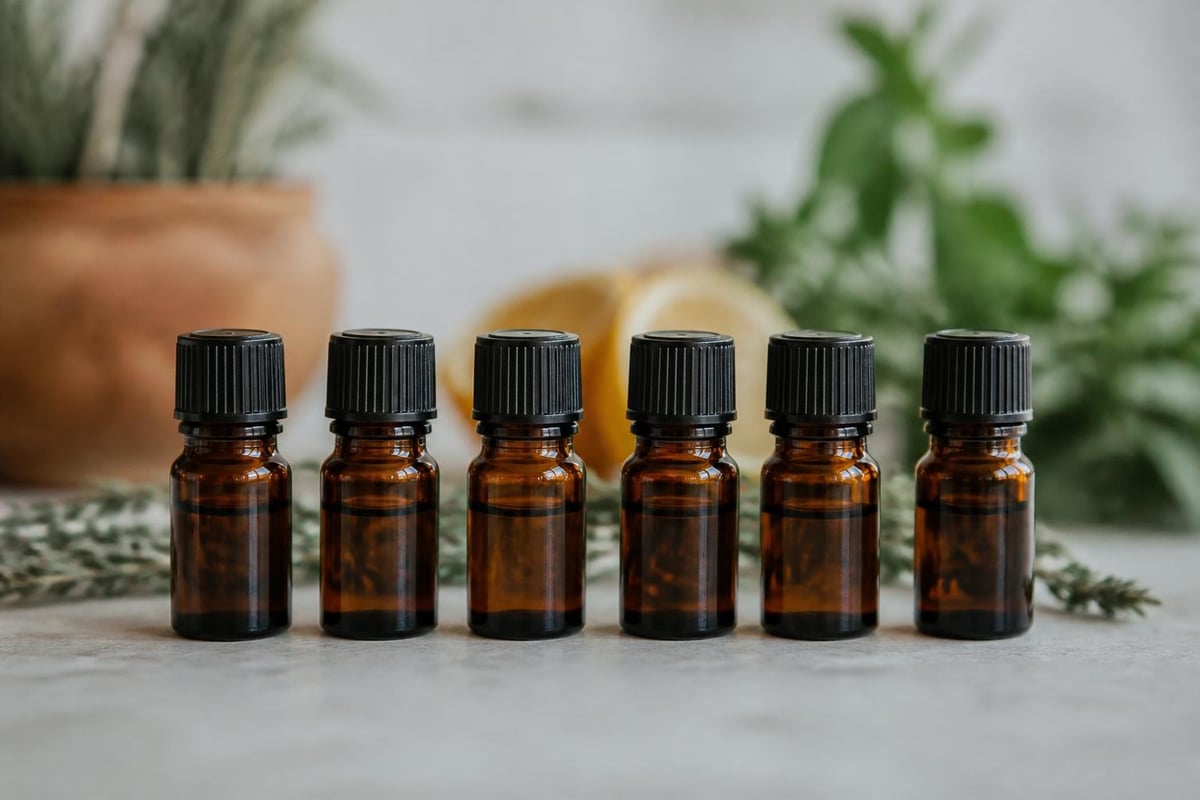
Research consistently shows that combinations of essential oils provide better results than any single botanical ingredient alone. The best organic bug repellent formulations use complementary oils that work through different mechanisms.
Effective essential oil combinations include:
- Geraniol (rose-scented, masks CO2 signatures)
- Citronella (lemon grass, disrupts scent tracking)
- Peppermint (cooling, sensory confusion)
- Eugenol (clove-derived, contact deterrent)
- Cornmint (similar to peppermint with different compound ratios)
- Rosemary (herbaceous, additional masking effect)
When mosquitoes hunt by tracking multiple scent cues, a single oil like peppermint addresses only one pathway. Blended formulations create overlapping disruption that proves harder for insects to work around. This explains why products containing peppermint as one component among several typically outperform pure peppermint oil bug repellent in field tests.
Ground Application Versus Skin Application
Traditional thinking assumes you must apply repellent directly to skin to gain protection. But mosquitoes hunt from the ground up, following scent plumes that rise from soil level. This behavior opens an alternative approach: treating the ground around your gathering space rather than every person in it.
Ground-applied scent-masking products work by disrupting the mosquito's ability to locate you in the first place. Instead of creating a chemical barrier on your skin that repels landing mosquitoes, these formulations make it difficult for mosquitoes to detect human scent signatures at their hunting level. For hosts managing a patio space, this means pouring biodegradable beads infused with multiple essential oils around seating areas rather than asking guests to spray themselves.
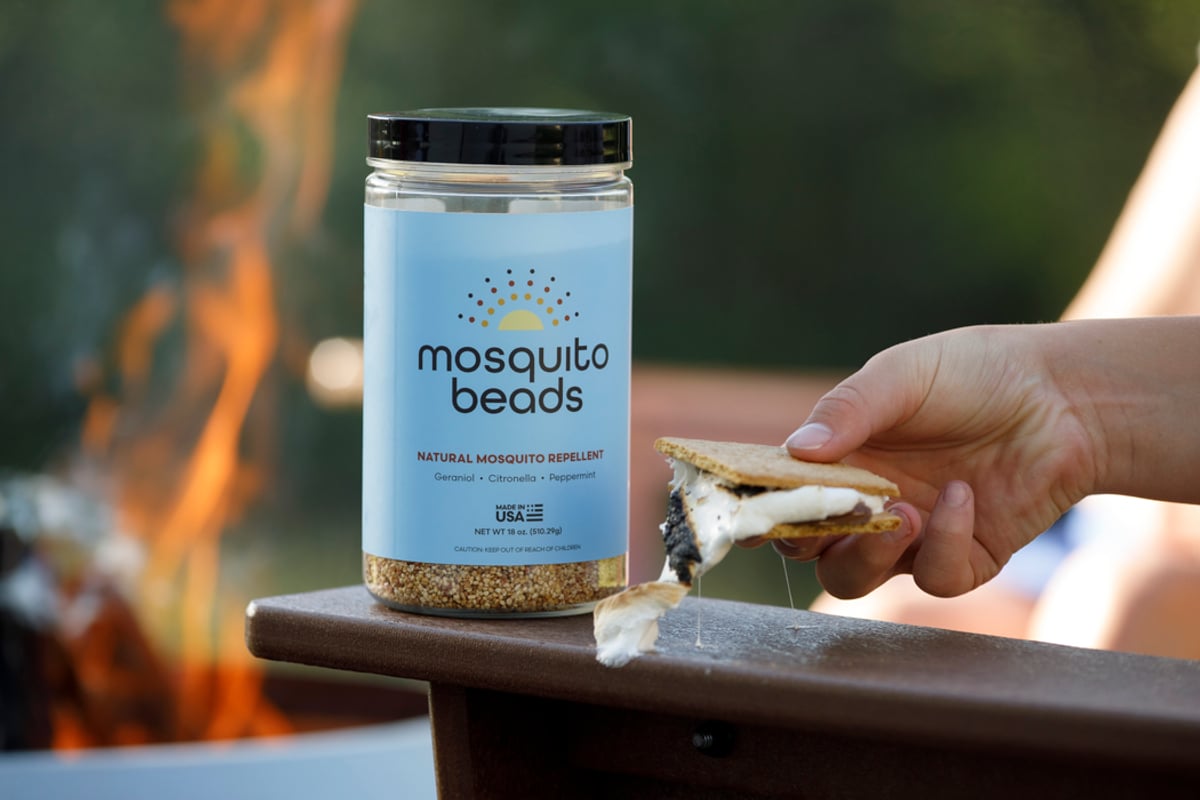
Products like Mosquito Beads use this ground-level approach with a blend of six essential oils including geraniol, citronella, peppermint, eugenol, cornmint, and rosemary. The biodegradable corn-based granules release scent at soil level where mosquitoes track human CO2 and body odor, masking those signatures so insects drift past rather than landing. Peak performance runs days one and two per application, covering up to 1,000 square feet with the Signature 18 oz size.
Comparing Peppermint Oil to Other Natural Repellents
When evaluating botanical options, context matters. A systematic approach to integrated pest management considers multiple tactics rather than relying on any single method.
| Repellent Type | Active Duration | Application Method | Coverage Area | Reapplication Frequency |
|---|---|---|---|---|
| Peppermint oil spray | 30-60 minutes | Skin application | Individual only | Every hour |
| Citronella candles | While burning | Stationary flame | 3-5 foot radius | Continuous |
| DEET sprays | 4-6 hours | Skin application | Individual only | Twice per evening |
| Lemongrass oil | 45-90 minutes | Skin or diffuser | Individual/small area | Every 1-2 hours |
| Blended oil beads | 1-2 days peak | Ground pour | 300-1,000+ sq ft | Every 2-3 days |
The table reveals why peppermint oil bug repellent alone struggles to meet the needs of outdoor sanctuary hosts. Short duration and individual-only protection create constant interruption and uneven results across a gathering space.
The Companion Planting Myth
Garden stores and blogs frequently recommend planting peppermint around patios as natural mosquito control. Unfortunately, a Washington State Extension review of companion planting found minimal evidence supporting aromatic plants as effective pest deterrents.
Living peppermint plants do not release enough volatile oil to create a protective barrier. You would need to crush fresh leaves constantly to release oils, and even then, the concentration dissipates almost immediately. The pleasant garden addition does little to protect your evening gathering from hungry mosquitoes.
Creating an Effective Natural Protection Strategy
Rather than relying on peppermint oil bug repellent as a standalone solution, successful outdoor sanctuary hosts build layered approaches. Environmentally friendly bug repellent strategies combine habitat management with effective botanical products.
Building your protection plan:
- Eliminate standing water where mosquitoes breed (gutters, planters, birdbaths)
- Time outdoor activities to avoid peak mosquito hours at dawn and dusk when possible
- Use fans to disrupt mosquito flight and disperse CO2 plumes
- Apply ground-level scent masking to create protected zones
- Keep supplementary spray for individuals who need extra coverage
This integrated method acknowledges that no single tactic eliminates all mosquitoes. Instead, you reduce populations through breeding site elimination, disrupt their hunting ability through air movement and scent masking, and maintain backup options for particularly sensitive individuals.
What Works for Different Outdoor Scenarios
The right repellent approach depends on your specific situation. A quiet evening for two requires different tactics than a graduation party for thirty guests.
Scenario-based recommendations:
- Intimate patio dinners (2-6 people): Ground-applied biodegradable beads around seating, supplemented with a fan if humid
- Larger gatherings (8-20 guests): Extended coverage with additional bead applications at entry points and perimeter zones
- Active play areas (kids, pets): Pet-friendly ground formulations that avoid sticky sprays on active bodies
- Portable protection (camping, sports events): Mesh bags filled with scent-masking beads clipped to chairs or tents
Each situation prioritizes protecting the space rather than coating every person. This shift from individual spray applications to area treatment transforms how you think about mosquito control.
Making Informed Choices About Natural Repellents
Peppermint oil bug repellent represents a single tool in a much larger toolkit. While it offers some short-term repellent effect in controlled conditions, field performance rarely matches laboratory results. The rapid evaporation, short duration, and need for constant skin application create practical challenges for anyone trying to maintain an outdoor sanctuary.
Understanding these limitations helps you make better decisions. If you prefer botanical options over synthetic chemicals, focus on products that address peppermint's weaknesses: blended formulations providing longer duration, ground-level applications avoiding sticky residue, and coverage that protects spaces rather than individuals.
The goal for any outdoor sanctuary host remains constant: create an environment where family and guests enjoy uninterrupted time together without chemical concerns, visual clutter, or constant maintenance. Products that align with this goal treat your patio as the room it deserves to be, keeping mosquitoes drifting past while you focus on what matters most.
When comparing options, look beyond single-ingredient marketing claims. Examine actual duration, application method, coverage area, and whether the product protects one person or an entire gathering. The difference between hourly reapplication of topical sprays and multi-day ground coverage fundamentally changes how you use your outdoor space.
Better Alternatives to Single-Oil Solutions
The evolution from basic peppermint oil bug repellent to more sophisticated botanical formulations reflects growing understanding of how mosquitoes hunt and how to disrupt that behavior effectively. Modern natural repellents combine multiple essential oils, deliver them at ground level where mosquitoes track scent, and provide protection measured in days rather than minutes.
For outdoor sanctuary hosts who have tried citronella candles without success and refuse to coat themselves in DEET, ground-applied scent-masking offers the control and aesthetic they demand. Nothing touches skin, no flames flicker on the table, and no sticky residue marks furniture. The space itself becomes protected, welcoming guests into comfort rather than asking them to spray down before sitting.
This approach also addresses the pet-safety concern that many suburban families prioritize. Ground-applied biodegradable beads used as directed keep formulations off pet fur while creating zones where the whole family, including four-legged members, benefits from reduced mosquito pressure. You pour where people gather, set jars nearby for passive release, or clip mesh bags when portability matters.
The shift from reactive spraying to proactive space protection marks a fundamental change in outdoor living. Rather than treating mosquito control as an ongoing battle requiring constant attention, you establish protected zones that maintain themselves for days at a time, freeing you to actually enjoy the sanctuary you have created.
Peppermint oil bug repellent alone cannot deliver the multi-day, space-level protection that outdoor sanctuary hosts need for uninterrupted gatherings. When you want a natural solution that eliminates sticky sprays, avoids harsh chemicals near family and pets, and actually protects your whole patio rather than one person at a time, ground-applied scent-masking with blended essential oils offers a better path forward. Mosquito Beads provide exactly this approach: biodegradable granules you pour on the ground that mask human scent for days, keeping mosquitoes drifting past while you focus on your guests instead of constant reapplication.