

Non DEET Mosquito Spray Alternatives for Your Patio
The outdoor living space you've curated deserves protection that matches your standards. Between family dinners on the patio and weekend gatherings around the fire pit, mosquitoes shouldn't dictate when you can enjoy your own backyard. Traditional DEET sprays have dominated the market for decades, but growing awareness of ingredient safety and environmental impact has prompted many homeowners to seek alternatives. The category of non deet mosquito spray has expanded significantly in 2026, offering botanical formulations, synthetic alternatives with improved safety profiles, and innovative delivery systems that eliminate the need for skin application entirely. Understanding your options helps you choose protection that aligns with your values without compromising effectiveness.
Understanding the Shift Away from DEET
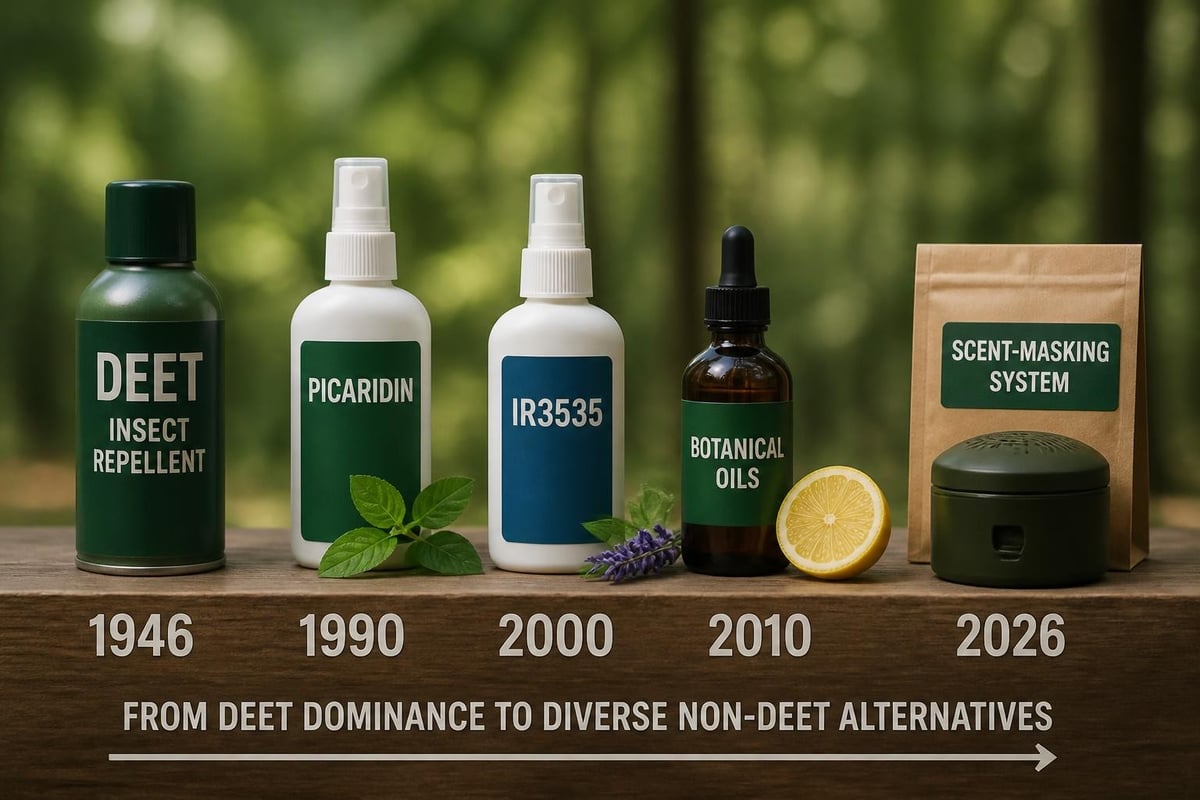
DEET (N,N-diethyl-meta-toluamide) became the gold standard for mosquito repellents after its development in 1946. While effective, concerns about skin absorption, potential neurotoxicity with prolonged use, and environmental persistence have driven consumers toward alternatives. The EPA maintains a registry of skin-applied repellent ingredients beyond DEET, including picaridin, IR3535, and oil of lemon eucalyptus.
The non deet mosquito spray market has matured considerably. What once consisted primarily of weak citronella candles now includes scientifically formulated botanicals and synthetic compounds with documented efficacy. Consumer preferences have shifted toward products that deliver protection without the greasy residue, chemical odor, or skin contact that traditional sprays require.
Why Families Choose DEET-Free Options
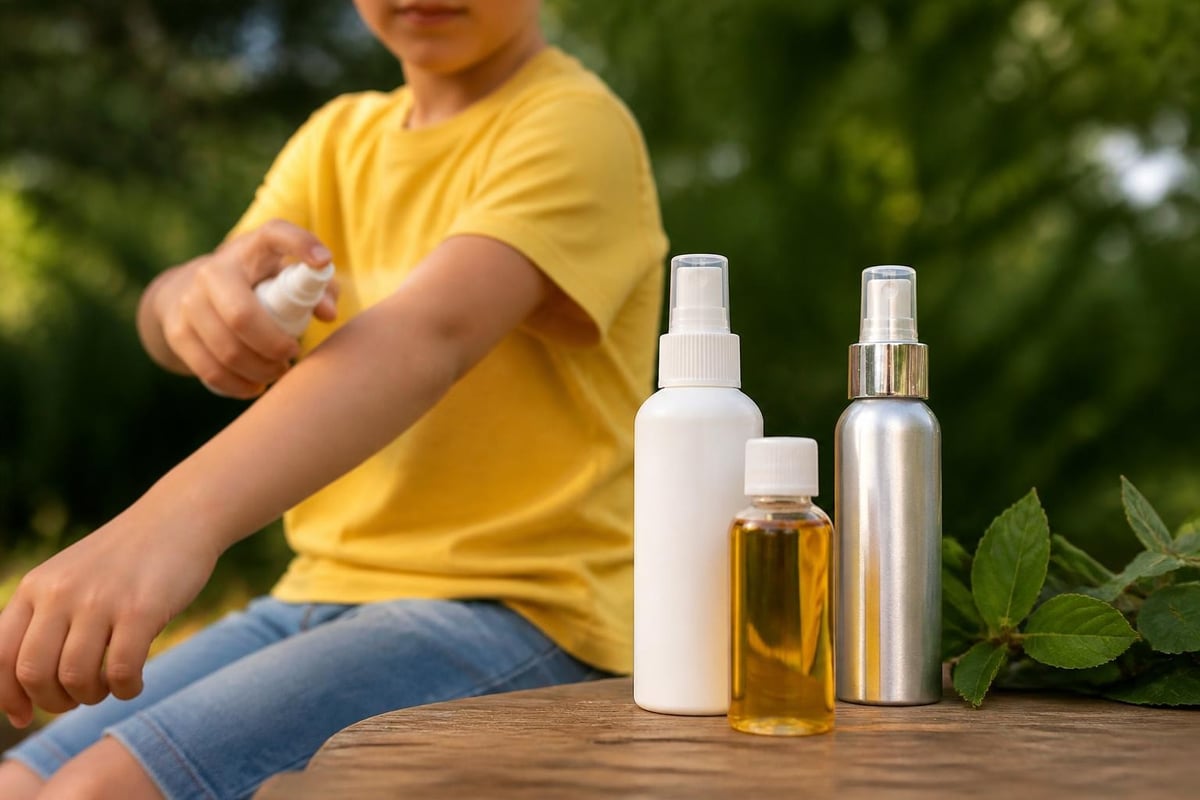
Safety considerations drive much of this transition. Parents hesitate to apply synthetic chemicals repeatedly on children's skin, especially during peak mosquito season when applications can occur daily. Pets wandering the patio add another layer of concern-what happens when a dog licks freshly sprayed skin or rolls in treated grass?
Skin sensitivity represents another major factor. DEET can cause irritation, particularly at higher concentrations or with repeated use. The sticky, oily texture feels unpleasant and can damage certain fabrics and plastics. Hosting guests creates an awkward dynamic when you're expected to offer mosquito protection but don't want to hand around a bottle of chemical spray before dinner.
Environmental awareness plays an increasingly prominent role in purchasing decisions. Suburban homeowners who maintain carefully landscaped yards worry about chemical runoff affecting beneficial insects, soil health, and watershed quality. The desire for environmentally friendly bug repellent reflects broader sustainability values.
Botanical Non DEET Mosquito Spray Formulations
Plant-derived repellents offer the appeal of natural ingredients with varying degrees of effectiveness. The challenge with botanical formulations lies in achieving protection duration comparable to synthetic alternatives. A recent systematic review on essential oils as mosquito bio-repellents highlights both the potential and limitations of these ingredients.
Common Botanical Active Ingredients
| Essential Oil | Typical Concentration | Protection Duration | Key Considerations |
|---|---|---|---|
| Citronella | 5-10% | 30-60 minutes | Requires frequent reapplication |
| Lemongrass | 5-10% | 30-90 minutes | Pleasant scent, moderate efficacy |
| Geraniol | 5-15% | 1-3 hours | EPA 25(b) exempt, studied effectiveness |
| Peppermint | 5-10% | 30-60 minutes | Cooling sensation, short duration |
| Eucalyptus (PMD/OLE) | 30-40% | 4-6 hours | Only botanical recommended by WHO |
Oil of lemon eucalyptus (OLE) or its refined component PMD (para-menthane-3,8-diol) represents the most robust botanical option. The WHO recognizes PMD/OLE alongside DEET, picaridin, and IR3535 for vector-borne disease prevention. However, it requires concentrations of 30% or higher to achieve meaningful protection, and the compound isn't suitable for children under three years.
Most other botanical sprays fall under EPA's 25(b) minimum-risk exemption. While this classification allows products to market without extensive efficacy testing, it also means evidence gaps persist regarding their real-world protection. Performance varies dramatically between formulations, application techniques, and environmental conditions.
Formulation Challenges with Botanicals
Essential oils are volatile by nature. They evaporate quickly, which explains why botanical non deet mosquito spray products require reapplication every 30 to 90 minutes. Encapsulation technologies and carrier systems attempt to extend duration, but they add cost and complexity. Many consumers who switch from DEET to botanicals express frustration with the constant reapplication cycle, especially when entertaining guests or supervising children at play.
Concentration matters significantly. A spray containing 2% citronella offers minimal protection, yet products with higher botanical concentrations can cause skin irritation in sensitive individuals. The tradeoff between efficacy and gentleness creates a narrow formulation window.
Synthetic Non DEET Alternatives
Chemical manufacturers developed several DEET alternatives that maintain effectiveness while addressing safety concerns. These synthetic compounds undergo rigorous EPA registration and demonstrate measurable protection in controlled studies.
Picaridin (Icaridin)
Developed in the 1980s, picaridin gained EPA approval in 2005. At 20% concentration, it provides protection comparable to 25-30% DEET. The compound feels less greasy on skin, doesn't damage plastics or synthetic fabrics, and carries a better safety profile for children.
A recent field trial in Ghana compared 20% IR3535 with 25% DEET, demonstrating that non-DEET synthetic alternatives can match traditional formulations in real-world conditions. Studies on picaridin show similar promise, though individual responses vary based on mosquito species and environmental factors.
IR3535 (Ethyl Butylacetylaminopropionate)
This synthetic amino acid derivative has been used in Europe since the 1970s. At concentrations of 20%, IR3535 offers 4-8 hours of protection against mosquitoes. It exhibits low toxicity and gentle skin interaction, making it popular for family-oriented products.
PMD (Para-menthane-3,8-diol)
While derived from lemon eucalyptus, PMD is often synthesized for commercial products. At 30-40% concentration, it provides protection equivalent to lower-concentration DEET. The compound has a distinctive scent that some find pleasant while others consider overpowering.
Beyond Spray: Alternative Delivery Methods
The assumption that mosquito protection requires skin application limits thinking about effective solutions. Several delivery methods bypass the spray-and-reapply cycle entirely while protecting outdoor spaces.
Spatial Repellents and Area Protection
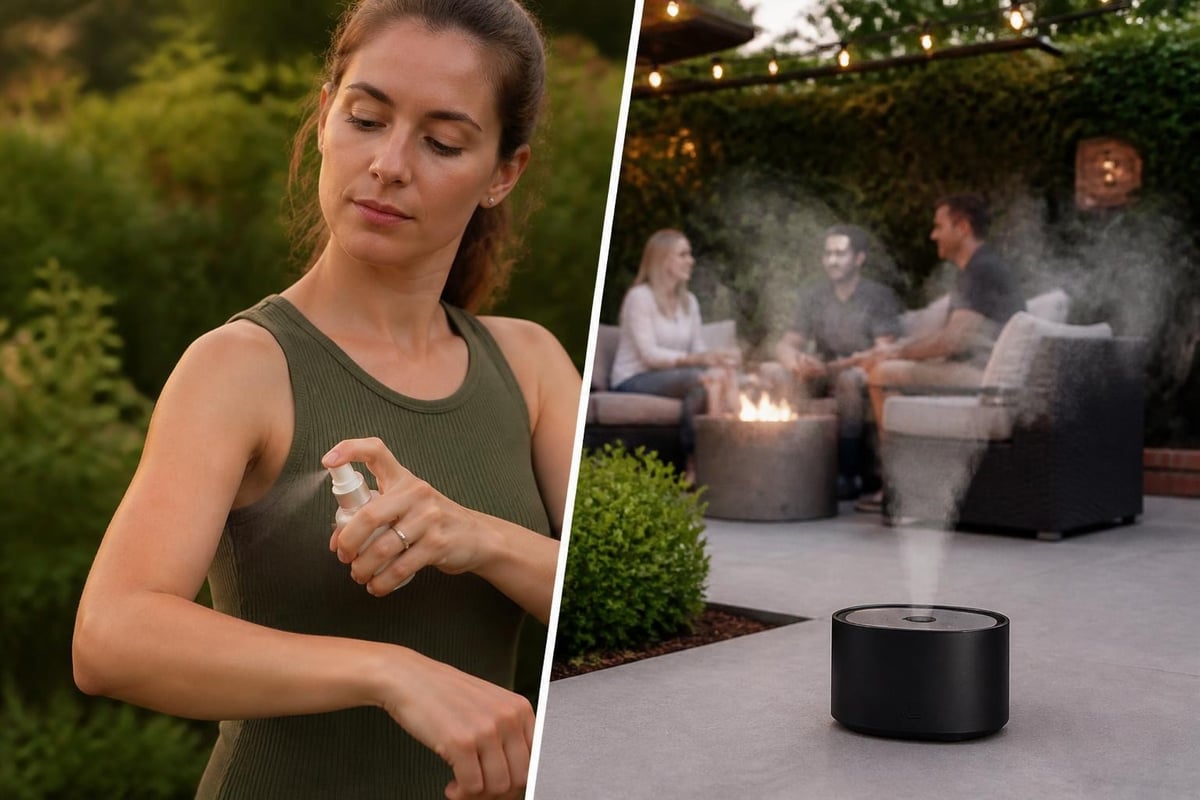
Rather than treating individual people, spatial approaches treat the environment. Thermacell devices heat repellent pads to create a protection zone. Coils release pyrethroid smoke. Candles diffuse citronella vapor. Each method attempts to create a barrier between mosquitoes and people without requiring skin contact.
The limitation of most spatial methods involves smoke, flame, or electrical power. Candles create visual clutter on dining tables and produce inconsistent coverage based on wind patterns. Battery-powered devices require maintenance and refills. For homeowners seeking an effective mosquito repellent for outside gatherings without these drawbacks, ground-application systems offer an alternative approach.
Ground-Application Scent-Masking Systems
Mosquitoes hunt primarily by detecting carbon dioxide and body odors at ground level. Research shows mosquitoes detect CO2 from 30 feet away, guiding them toward hosts. Scent-masking disrupts this detection system by overwhelming the mosquitoes' sensors with competing aromas before they locate people.
Mosquito Beads exemplify this approach. These biodegradable corn-based granules contain geraniol, citronella, peppermint, eugenol, cornmint, and rosemary oils. You pour them on the ground where people gather-around patio furniture, near doorways, along walkways. The beads mask human scent at ground level, causing mosquitoes to drift past rather than land. Nothing touches skin. No sticky application. No asking guests to spray down before enjoying your outdoor space.
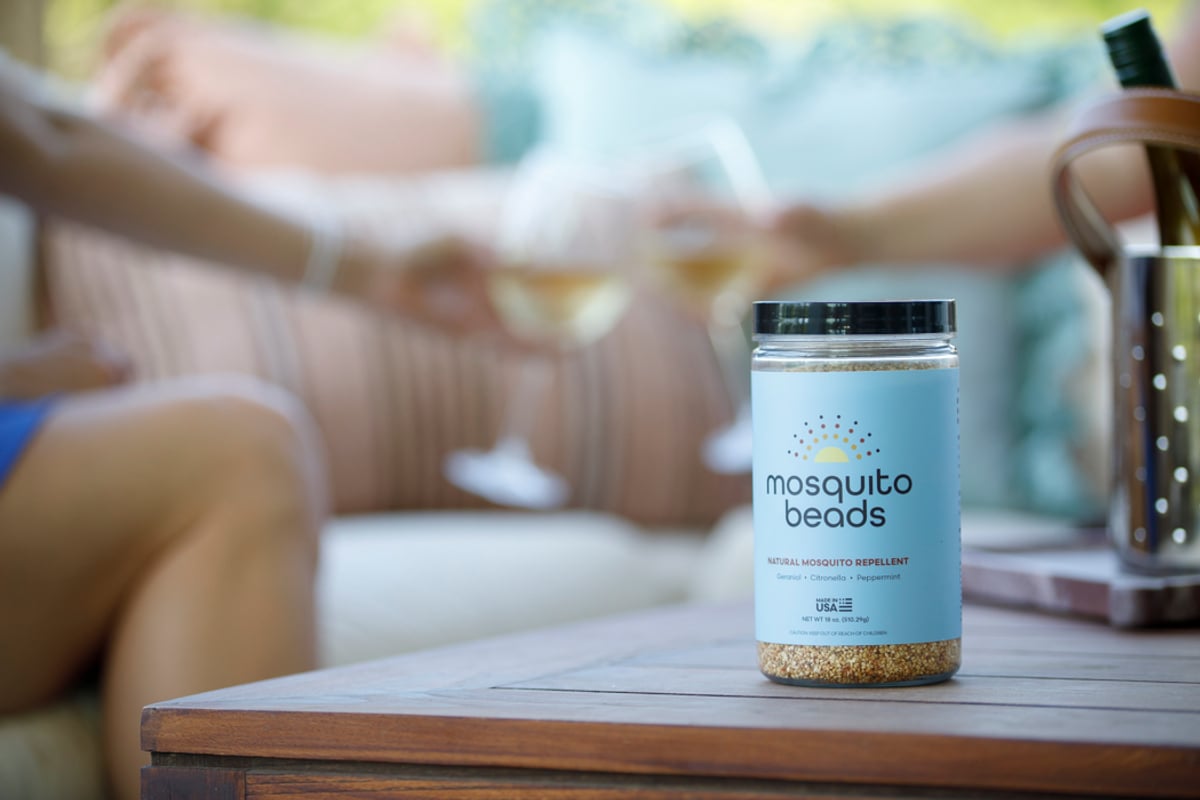
This method protects the entire space rather than individual people, which matters when hosting gatherings or when pets and children move freely across the yard. Peak performance occurs during days one and two after application, with coverage up to 1,000 square feet from an 18-ounce container. The beads dissolve back into earth, leaving no residue to clean or dispose of separately.
Evaluating Efficacy Claims and Testing Methods
Marketing claims for non deet mosquito spray products often outpace scientific evidence. Understanding how repellents are tested helps distinguish robust protection from wishful thinking.
Laboratory vs. Field Testing
A 2024 critical review of laboratory methods used to evaluate mosquito repellents reveals significant variation in study design. Some tests use arm-in-cage trials where participants insert treated forearms into cages of hungry mosquitoes and count landing attempts. Others use wind tunnels or observation chambers. Field trials expose volunteers to natural mosquito populations in endemic areas.
Each method produces different results. Laboratory conditions allow controlled variables but may not reflect real-world performance. Field trials capture authentic protection duration but introduce confounding factors like wind, temperature, humidity, and mosquito density fluctuations.
Complete vs. Partial Protection
Many studies report "protection time" as the duration until the first mosquito bite occurs. This metric matters for disease prevention but doesn't capture the full user experience. A product might allow occasional landings while still reducing bite frequency by 80%. For backyard entertaining, partial protection that prevents constant swatting may suffice, while travelers to malaria zones need complete protection.
Minimum-Risk Products and Evidence Standards
The EPA's 25(b) minimum-risk category includes many botanical repellents. These products skip the rigorous efficacy testing required for registered pesticides. The EPA issued guidance in February 2024 on how products can make "DEET-free" or "absence of ingredient" claims, clarifying that such statements must be truthful and not misleading about the product's characteristics or effectiveness.
This regulatory landscape means consumers must look beyond marketing claims to third-party testing, published studies, and verified user reviews when evaluating botanical non deet mosquito spray options.
Practical Considerations for Outdoor Spaces
Choosing protection for your patio involves more than comparing active ingredients. Application method, aesthetics, guest considerations, and pet safety all factor into decisions.
Application Frequency and Convenience
- Traditional sprays: Require reapplication every 1-8 hours depending on formulation
- Botanical sprays: Often need reapplication every 30-90 minutes
- Synthetic DEET alternatives: Provide 4-8 hours of protection
- Spatial devices: Operate continuously while powered
- Ground-application beads: Deliver peak performance over 1-2 days per application
The reapplication burden matters significantly when entertaining. Excusing yourself every hour to reapply spray disrupts conversation and hospitality. Asking guests to spray themselves creates awkwardness many hosts prefer to avoid.
Aesthetic Integration
Your outdoor space reflects personal taste and investment. Bulky devices, smoking coils, or clusters of candles may provide protection while detracting from the ambiance you've carefully created. Unobtrusive solutions that disappear into landscaping or sit discretely near seating areas preserve visual appeal while delivering function.
Multi-Person vs. Individual Protection
Spray-based repellents protect the person wearing them. If one family member forgets to reapply, they become a mosquito magnet while everyone else remains protected. Spatial and ground-application methods protect zones rather than individuals, ensuring consistent coverage across your gathering area regardless of who remembers to prepare.
This distinction matters particularly for families with young children who may resist spray application or wipe treated skin while playing. Pet owners also benefit from methods that don't require keeping animals away from freshly treated surfaces or worrying about ingestion from licking.
Health and Safety Profile Comparisons
Non deet mosquito spray options vary considerably in their safety characteristics. Understanding these differences helps match products to specific needs and risk tolerances.
Dermal Absorption and Systemic Exposure
All topically applied repellents enter the bloodstream to some degree. DEET shows measurable blood levels after application, though acute toxicity is rare at recommended concentrations. Picaridin demonstrates lower dermal absorption rates. IR3535 shows minimal systemic uptake. Botanical oils vary widely-some penetrate skin readily while others remain primarily on the surface.
The cumulative effect of daily applications throughout mosquito season raises different questions than occasional use. A family applying repellent every evening from May through September accumulates significantly more exposure than travelers using it for a two-week vacation.
Pediatric and Pregnancy Considerations
Age restrictions vary by product. DEET is approved for children over two months at concentrations up to 30%. Picaridin carries no age restriction in the United States, though Canadian guidance suggests use only above two years. PMD/OLE shouldn't be used on children under three. Many botanical formulations claim suitability for all ages, though rigorous pediatric safety data often lacks.
Pregnant women seeking protection face limited guidance. The Cochrane review on mosquito repellents for malaria prevention acknowledges that topical repellents play a role in disease control but notes that evidence quality varies significantly between products and populations. Most experts recommend DEET or picaridin for pregnant women in disease-endemic areas, while acknowledging that risk-benefit calculations differ for casual outdoor recreation.
Environmental Persistence and Aquatic Toxicity
Repellents applied to skin eventually wash off during showers, swimming, or rain. Where do these compounds go? DEET persists in aquatic environments and appears in groundwater samples near recreational areas. Picaridin demonstrates better biodegradation. Botanical oils break down rapidly but can stress aquatic ecosystems at high concentrations.
For homeowners with swimming pools, koi ponds, or properties near natural water bodies, choosing products with favorable environmental profiles matters. Ground-application methods that keep ingredients localized to treatment areas prevent the dispersion that occurs when swimmers enter pools with freshly applied spray.
Making Informed Choices in 2026
The expansion of non deet mosquito spray alternatives empowers consumers to align protection strategies with their values and circumstances. No single solution suits every situation.
Matching Method to Use Case
| Scenario | Recommended Approach | Why It Fits |
|---|---|---|
| Patio dinner party | Ground-application scent-masking | Protects space without asking guests to spray; no visual clutter |
| Hiking in tick country | Picaridin or PMD spray | Individual protection against multiple biting insects |
| Children's outdoor play | Spatial device or ground application | Reduces skin contact; maintains protection during active movement |
| Travel to endemic disease area | High-concentration picaridin or DEET | Maximized protection outweighs other considerations |
| Daily yard work | Botanical spray or ground application | Frequent use favors gentler ingredients; lower disease risk in suburbs |
Reading Labels and Verifying Claims
Active ingredient concentration determines effectiveness more than marketing language. A "natural" botanical spray at 2% essential oil concentration offers minimal protection compared to a 20% picaridin formulation. Look for:
- Specific concentration percentages for active ingredients
- EPA registration numbers for synthetic compounds (indicates testing occurred)
- Third-party testing certifications when available
- Realistic protection duration claims (be skeptical of 8+ hours from botanicals)
- Clear usage instructions including reapplication intervals
The best organic bug repellent for your specific needs may differ from what works for neighbors with different priorities around ingredients, application methods, and protection duration.
Combination Strategies
Layering approaches often delivers better results than relying on a single method. Consider:
- Using ground-application protection for frequently occupied spaces (patio, deck, poolside)
- Carrying personal spray for occasional ventures into unmaintained areas
- Eliminating standing water breeding sites to reduce mosquito populations
- Installing fans to disrupt mosquito flight patterns near seating areas
- Timing outdoor activities for periods when mosquitoes are less active
This multi-modal approach acknowledges that mosquito pressure varies throughout the day, across different areas of your property, and during different activities.
The Future of Mosquito Protection Innovation
Research continues into novel repellent compounds and delivery systems. Controlled-release formulations extend botanical protection duration. Microencapsulation technologies protect volatile compounds from rapid evaporation. New synthetic molecules undergo development to match DEET's efficacy while improving safety profiles.
Consumer demand drives innovation toward solutions that eliminate tradeoffs between effectiveness, safety, convenience, and aesthetics. The outdoor sanctuary host who refuses to compromise on any of these dimensions pushes manufacturers beyond incremental improvements in spray formulations toward fundamentally different approaches to mosquito management.
Understanding essential oils and mosquito repellent mechanisms at the molecular level may yield more stable formulations with extended activity. Research into mosquito olfaction reveals new targets for disrupting host-seeking behavior beyond simple repellency.
The market shift away from DEET reflects broader trends toward questioning traditional chemical solutions and demanding alternatives that perform without compromise. As the non deet mosquito spray category matures, evidence-based options replace wishful thinking, giving consumers genuine choices that align protection with principles.
Effective mosquito protection in 2026 no longer requires accepting sticky sprays or harsh chemicals on your skin and your family's. The diverse landscape of non DEET mosquito repellents now includes botanicals, proven synthetic alternatives, and innovative ground-application systems that protect your entire outdoor space without the constant reapplication cycle. If you're ready to reclaim your patio without compromising on safety, aesthetics, or effectiveness, Mosquito Beads offers a pour-and-protect approach that masks human scent at ground level, keeping mosquitoes drifting past instead of landing while you focus on what matters: enjoying your outdoor sanctuary with the people you love.