

Natural Bug Repellent for Mosquitoes: Best Options 2026
Mosquitoes hunt by scent, tracking carbon dioxide and skin chemicals from up to 30 feet away. When you want to reclaim your patio without covering your family in sticky chemicals or asking dinner guests to apply DEET, natural bug repellent for mosquitoes offers a different approach. The challenge is not every natural option works equally well, and understanding how mosquitoes find their targets helps you choose a repellent that actually protects your space instead of just sounding good on the label.
Understanding How Natural Mosquito Repellents Work
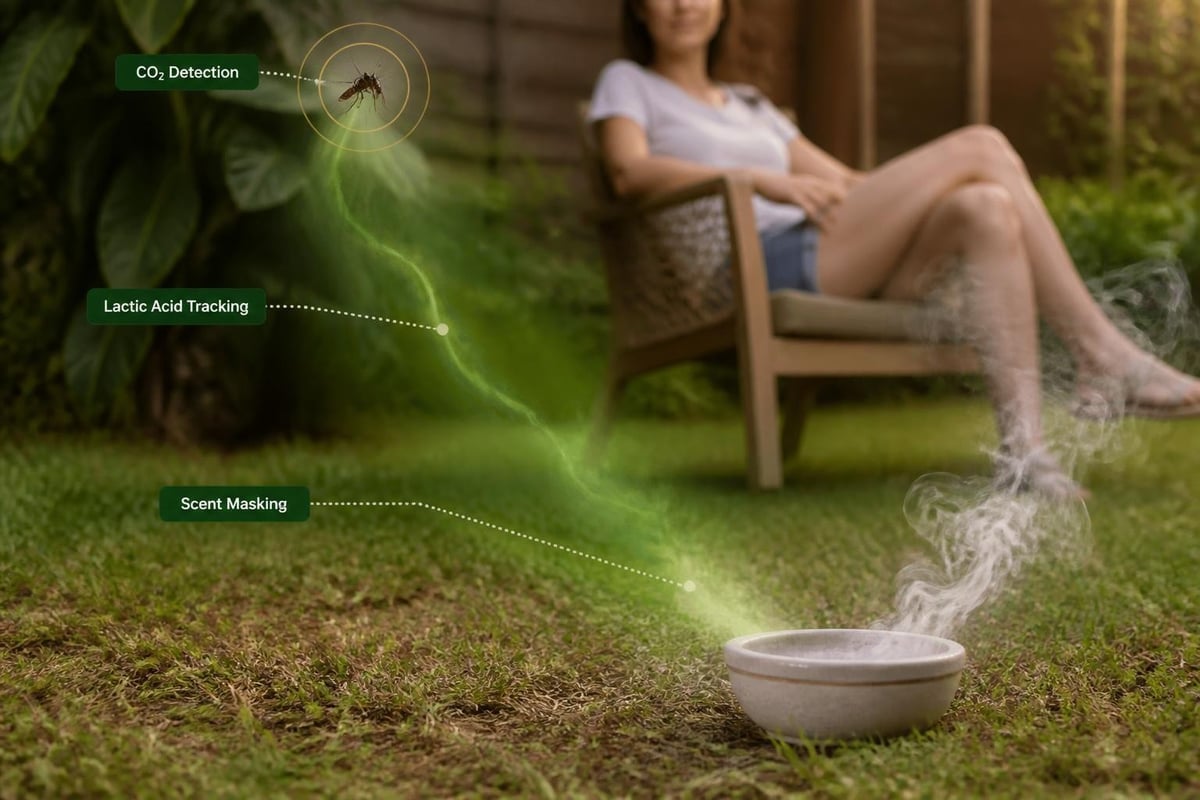
Natural bug repellent for mosquitoes functions through two primary mechanisms: masking the scent cues mosquitoes use to locate people, or creating an environment mosquitoes avoid. Unlike synthetic chemicals such as DEET that block mosquito scent receptors directly on skin contact, natural repellents rely on volatile plant compounds that either confuse the insect's ability to track carbon dioxide and lactic acid or trigger avoidance behavior.
Scent-Masking vs. Contact Repellents
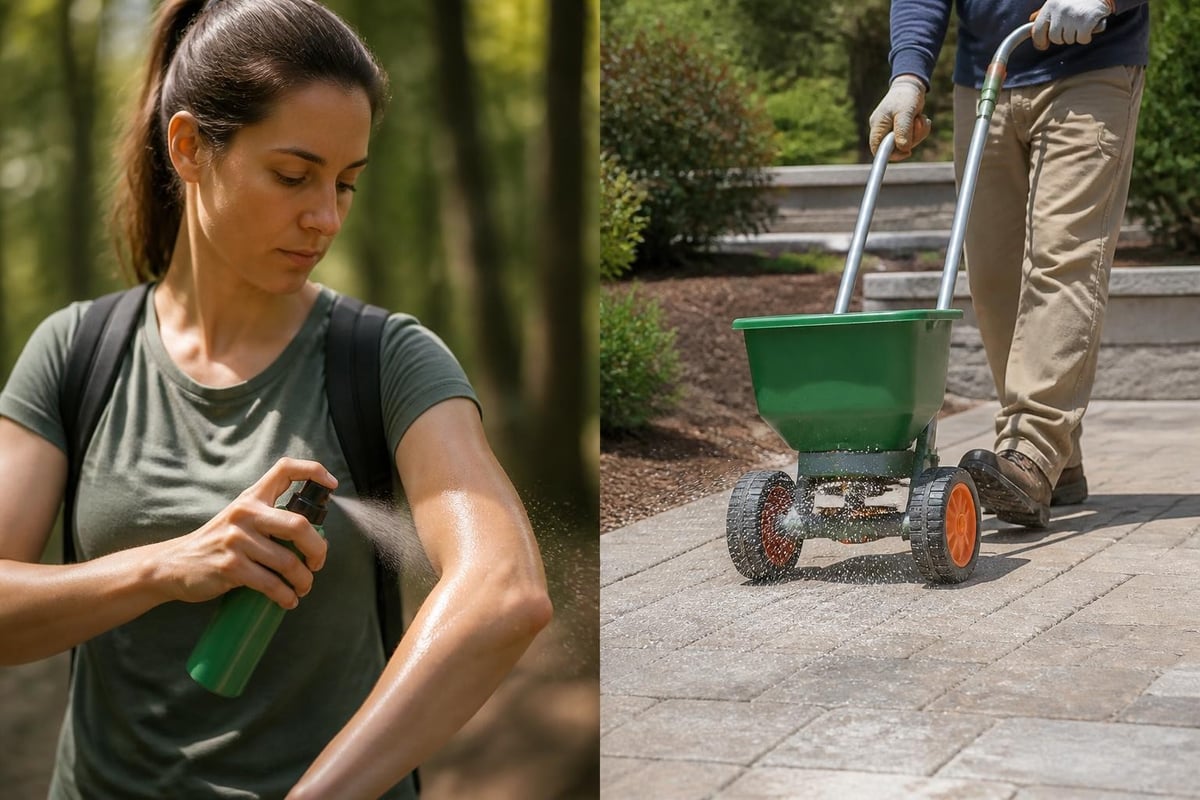
The distinction matters when you are choosing products for a backyard gathering. Contact repellents require application to skin or clothing-every person in your space must apply product individually. These topical formulas protect the wearer but leave unprotected zones where mosquitoes still hunt. Scent-masking products work at ground level where mosquitoes patrol for host scents rising from the area. When properly deployed, they reduce the detectable human signature across the entire treated zone.
Most natural bug repellent for mosquitoes falls into one of these categories:
- Essential oil sprays and lotions applied to skin
- Spatial repellents like citronella candles or diffusers
- Ground-based granules that release masking scent from the surface
- Permethrin-treated clothing (synthetic but non-DEET)
The EPA evaluates repellent efficacy using standardized protocols that measure protection time against specific mosquito species. Natural formulas often lack this validated data, which is why ingredient lists matter more than marketing claims.
The Most Effective Natural Ingredients Against Mosquitoes
Not all plant extracts repel equally. Research over the past decade has identified which essential oils provide meaningful protection and which function primarily as fragrance. A 2026 systematic review of essential oils as mosquito bio-repellents found wide variability in efficacy depending on concentration, mosquito species, and application method.
Top-Performing Natural Compounds
| Ingredient | Typical Protection Duration | Application Notes |
|---|---|---|
| Geraniol | 2-4 hours | Effective at 10-25% concentration; floral scent |
| Citronella | 30-60 minutes | Rapid evaporation; needs frequent reapplication |
| Oil of Lemon Eucalyptus (PMD) | 4-6 hours | CDC-recognized; not safe for children under 3 |
| Peppermint Oil | 45-90 minutes | Strong scent; works best in blends |
| Eugenol (Clove Oil) | 1-3 hours | Potent but can irritate skin at high concentration |
Geraniol stands out among natural bug repellent for mosquitoes for its balance of efficacy and pleasant scent. Derived from geraniums and roses, geraniol interferes with mosquito sensory receptors while smelling appealing to people-a rare combination in the botanical repellent category.
Citronella remains popular despite its limitations. The oil evaporates quickly, especially in warm outdoor conditions, which explains why citronella candles seem to work for twenty minutes then lose effectiveness. When formulated into slow-release carriers or combined with fixatives, citronella performs better than candles alone.
Combination Formulas Outperform Single Oils
Laboratory studies consistently show that blending complementary essential oils extends protection time and broadens the mosquito species affected. A six-oil blend incorporating geraniol, citronella, peppermint, eugenol, cornmint, and rosemary creates overlapping repellent effects that compensate for individual ingredient weaknesses. Understanding why mosquitoes target us helps explain why masking multiple scent cues simultaneously proves more effective than blocking just one pathway.
Ground-Based Natural Repellent Systems
Traditional mosquito control focuses on applying repellent to skin or burning it in candles. Ground-based systems represent a different strategy: saturate the zone where mosquitoes hunt, not the people. This approach addresses the core frustration of hosting outdoor gatherings-you cannot realistically ask every guest to apply sticky spray before sitting down to dinner.
How Biodegradable Granules Work
Biodegradable corn-based granules infused with essential oil blends release scent slowly from ground level. When poured around seating areas, fire pits, or play zones, the granules create a vapor barrier that masks human scent signatures rising from the patio. Mosquitoes drift past because they cannot detect the CO2 and lactic acid gradients they normally follow to land on a host.
Application guidelines for optimal coverage:
- Pour granules in a perimeter around the gathering space
- Focus on entry points and areas where mosquitoes rest during the day
- Apply 2-4 hours before guests arrive for full scent development
- Reapply after heavy rain or every 48-72 hours for continuous protection
Peak performance typically occurs during days one and two after application. The signature 18-ounce size covers up to 1,000 square feet-sufficient for most suburban patios and deck areas. Smaller 5-ounce sidekick formats handle portable needs like camping trips or youth sports sidelines.
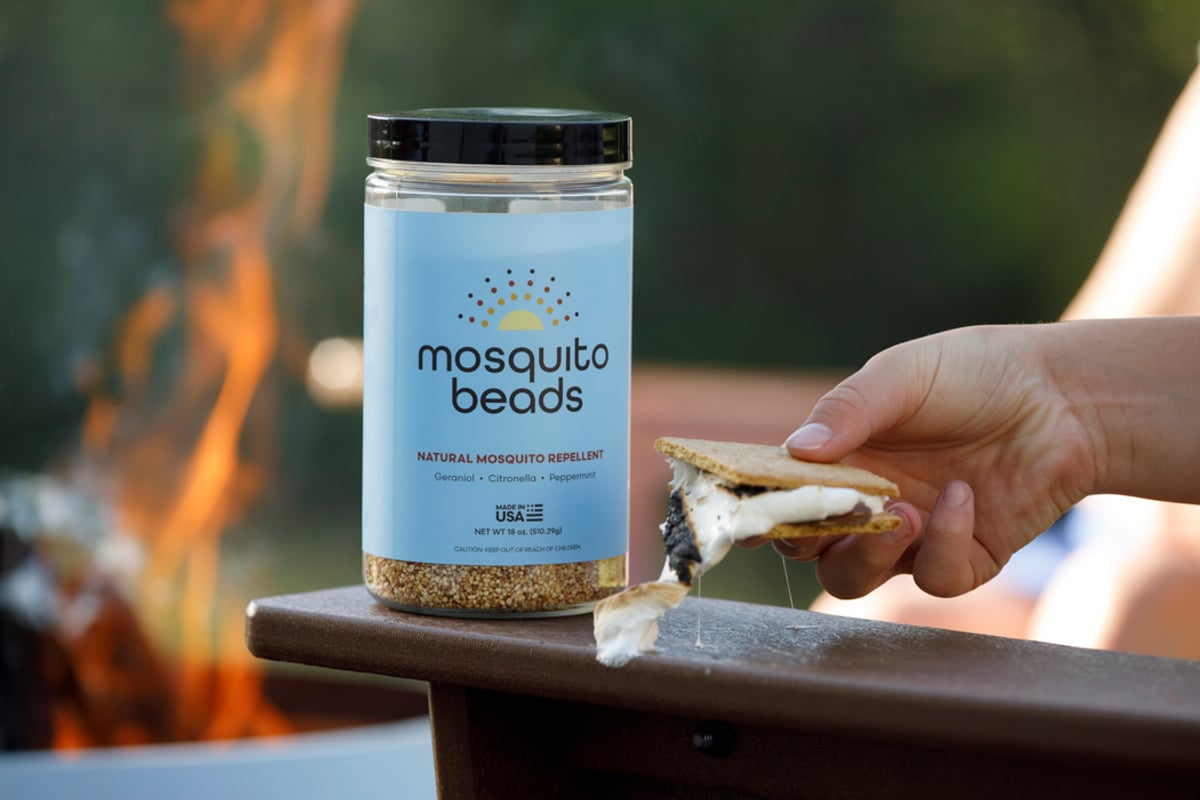
For families looking to protect their outdoor space without sticky sprays or chemical exposure near children and pets, ground-based natural bug repellent for mosquitoes offers a practical alternative. Mosquito Beads pour directly on the ground where people gather, delivering scent-masking protection without asking anyone to wear repellent. Pet-friendly when used as directed and made in the USA, the biodegradable formula disappears into the environment after protecting your space.
Comparing Ground Systems to Topical Sprays
The convenience factor matters when you treat your patio as an outdoor room. Consider the practical differences:
| Feature | Topical Sprays | Ground-Based Granules |
|---|---|---|
| Application | Each person individually | One application protects the zone |
| Reapplication | Every 1-4 hours | Every 48-72 hours |
| Skin contact | Direct chemical exposure | Zero skin contact |
| Guest friendliness | Requires asking guests to spray | Works invisibly for everyone |
| Pet concerns | Toxic if licked from fur | Pet-friendly when used as directed |
| Aesthetic impact | Greasy feel, chemical odor | Natural scent, no residue |
UC Davis Integrated Pest Management guidelines note that spatial repellents reduce reliance on skin-applied chemicals, particularly valuable for families with young children who touch their faces frequently or pets that groom themselves after outdoor time.
Essential Oils: Safety Considerations and Best Practices
Natural does not automatically mean safe for everyone in every concentration. Essential oils are chemically complex plant extracts that can cause allergic reactions, skin irritation, or toxicity when misused. Poison Control data on essential oils shows most incidents involve children accessing undiluted oils or adults applying concentrated formulas without dilution.
Safe Use Around Children and Pets
For children:
- Avoid oil of lemon eucalyptus (PMD) under age 3
- Dilute essential oils to 2-5% for skin application on kids
- Never apply near eyes, mouth, or on hands children put in mouth
- Store all repellent products out of reach
For pets:
- Cats lack enzymes to metabolize many essential oils-avoid direct contact
- Dogs tolerate most oils in diluted ground applications better than topical use
- Never allow pets to consume granules or concentrated oils
- Provide alternative routes if treating an area pets must cross
The advantage of ground-based natural bug repellent for mosquitoes is the separation between active ingredient and living beings. When granules sit on soil or stone surfaces, pets and children encounter the scent barrier without touching concentrated product.
Proper Dilution and Storage
Pure essential oils require dilution before safe use. The concentration that repels mosquitoes effectively often approaches the threshold for skin irritation. Commercial natural bug repellent for mosquitoes should arrive pre-diluted to safe working concentrations-typically 10-25% active ingredients in carrier materials.
Storage best practices include:
- Keep containers sealed to preserve volatile oils
- Store in cool, dark locations away from temperature extremes
- Check expiration dates-natural oils degrade faster than synthetics
- Dispose of expired products according to local hazardous waste guidelines
Evaluating Efficacy Claims and Protection Duration
The natural repellent market suffers from inconsistent testing standards and marketing claims that outpace scientific evidence. The Cochrane review of mosquito repellents highlights the challenge: many botanical products lack rigorous field trials demonstrating protection against disease transmission or even consistent bite reduction.
What "Natural" and "DEET-Free" Actually Mean
Under the Federal Insecticide, Fungicide, and Rodenticide Act (FIFRA), products making pest-control claims must register with the EPA or qualify for minimum-risk "25(b)" exemption. Recent CDC analysis found that while 25(b) botanical repellents use generally recognized as safe ingredients, efficacy data remains limited compared to conventional registered repellents.
DEET-free simply means the product does not contain N,N-diethyl-meta-toluamide. It makes no promise about effectiveness, duration, or safety of alternative ingredients. A DEET-free natural bug repellent for mosquitoes might work beautifully or fail completely depending on formulation, concentration, and application method.
Realistic Protection Timeframes
Marketing often suggests "all-day protection" from products that evaporate in under an hour. Realistic expectations for natural bug repellent for mosquitoes:
- Essential oil topical sprays: 30 minutes to 4 hours depending on oil type and concentration
- Citronella candles: Effective radius of 3-6 feet while burning
- Oil of lemon eucalyptus (PMD): 4-6 hours comparable to low-concentration DEET
- Ground-based granule systems: 48-72 hours with peak performance days 1-2
Weather conditions, mosquito pressure, and user activity level all impact actual protection duration. High humidity extends essential oil evaporation time. Wind disperses scent barriers. Heavy mosquito populations overwhelm marginal repellents quickly.
Integrated Approaches for Maximum Protection
No single natural bug repellent for mosquitoes eliminates every bite in every situation. Integrated mosquito management combines multiple tactics: eliminate standing water breeding sites, use physical barriers like screens and fans, time outdoor activities to avoid peak mosquito hours, and deploy repellents strategically where needed.
Layering Protection Methods
Start with habitat modification:
- Empty containers that collect rainwater weekly
- Maintain pools and water features with proper circulation
- Keep gutters clean and draining properly
- Trim vegetation where mosquitoes rest during daylight
Add physical barriers:
- Install or repair window and door screens
- Use mosquito netting over strollers, carriers, or sleeping areas
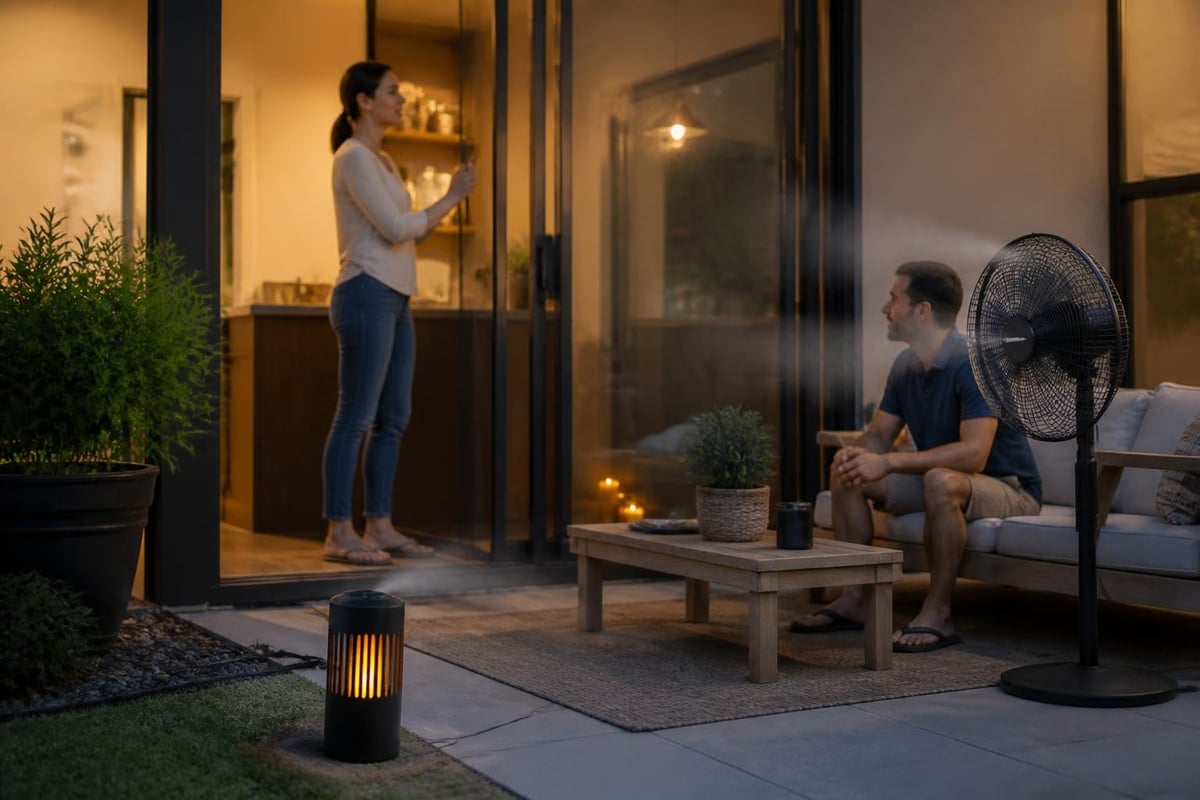
- Position fans to create airflow-mosquitoes cannot fly well in wind above 1-2 mph
Deploy targeted repellents:
- Apply ground-based systems around gathering zones
- Use topical natural bug repellent for mosquitoes on exposed skin during hikes or yard work
- Light citronella candles as supplemental scent layers for ambiance
The combination approach works because it addresses mosquitoes at multiple points in their lifecycle and hunting behavior. Reducing larvae through water management lowers adult populations. Fans and screens physically block access. Repellents mask or repel the mosquitoes that breach outer defenses.
Timing Applications for Outdoor Events
Mosquito activity peaks during dawn and dusk when temperatures drop and humidity rises. Backyard protection strategies should account for this pattern. Apply ground-based natural bug repellent for mosquitoes 2-4 hours before sunset to allow scent development before prime hunting hours.
For specific outdoor scenarios:
- Patio dinners: Apply perimeter treatment before setup; position seating away from vegetation edges
- Sporting events: Use portable formats in mesh bags clipped to chairs or placed under bleachers
- Camping trips: Pour granules around tent entrances and sitting areas after setup; reapply daily
- RV sites: Protect outdoor living spaces by treating the footprint area plus 3-5 feet beyond
Regional Considerations and Climate Impact
Mosquito species, population density, and active seasons vary dramatically by geography. What works in Florida's year-round mosquito environment differs from Kansas humidity and seasonal peaks. Understanding your local mosquito profile helps you choose and apply natural bug repellent for mosquitoes more effectively.
Climate and Mosquito Pressure
High-humidity regions extend the life of essential oil formulations because slower evaporation maintains scent concentration longer. Ground-based granules perform exceptionally well in humid climates, releasing scent steadily without the rapid dissipation seen in arid environments.
Hot, dry climates challenge volatile oil repellents through accelerated evaporation. Reapplication frequency increases. Formulations with fixatives or slow-release carriers compensate for environmental factors. Increasing application density-using more granules per square foot-can overcome rapid scent loss.
Temperate zones with distinct mosquito seasons allow strategic deployment. Apply natural bug repellent for mosquitoes during peak months (typically May through September in most U.S. regions) and scale back during cooler months when mosquito activity drops naturally.
Species-Specific Considerations
Different mosquito species respond differently to various natural repellents. Aedes aegypti (yellow fever mosquito) and Aedes albopictus (Asian tiger mosquito) bite aggressively during daylight hours and show varying sensitivity to botanical compounds compared to Culex species that peak at dusk.
For households concerned about disease vectors, WHO recommendations emphasize proven repellents with published efficacy data. While natural options appeal to families avoiding synthetic chemicals, understanding the limitations ensures realistic expectations during high-risk periods.
Beyond Mosquitoes: What Natural Repellents Do Not Address
Focusing exclusively on repellents misses critical aspects of mosquito-borne disease prevention. Natural bug repellent for mosquitoes reduces nuisance biting and some disease transmission risk, but it does not replace public health measures like vaccination (where available), protective clothing, or professional mosquito control in high-transmission areas.
The Limits of Scent-Based Strategies
Mosquitoes use multiple sensory systems to locate hosts: carbon dioxide detection, heat sensing, visual tracking, and chemical scent recognition. Scent-masking natural bug repellent for mosquitoes primarily disrupts the chemical detection pathway. A highly motivated mosquito in close proximity may still land based on visual cues or heat signature, particularly if no alternative hosts are nearby.
Systematic reviews of topical repellents for malaria prevention show that even effective repellents provide incomplete protection without complementary interventions. In disease-endemic regions, treated bed nets, indoor residual spraying, and larval control remain essential components beyond individual repellent use.
When Professional Intervention Makes Sense
Suburban outdoor sanctuary hosts typically face nuisance mosquitoes rather than disease outbreaks. Natural approaches work well for quality-of-life improvements-reclaiming the patio for evening gatherings, making yard work tolerable, allowing kids to play outside without constant swatting. When mosquito populations spike beyond manageable levels or disease transmission occurs locally, professional assessment and targeted control may be necessary alongside natural bug repellent for mosquitoes.
Professional services can identify breeding sites missed in routine yard checks, apply barrier treatments to vegetation where mosquitoes rest, and monitor trap data to assess population trends. Comparing costs between over-the-counter natural repellents and professional services reveals trade-offs in convenience, coverage, and chemical load that inform the right strategy for each household.
Making Informed Choices for Your Outdoor Space
Selecting natural bug repellent for mosquitoes requires matching product format to your actual use case. A formula perfect for patio entertaining fails at youth sports events where portability and quick setup matter more than sustained area coverage.
Questions to Ask Before Purchasing
Where will you use the product?
- Fixed location (patio, deck, poolside)
- Portable scenarios (camping, tailgating, sports fields)
- Mixed use requiring both area and personal protection
Who needs protection?
- Adults only
- Children and specific age ranges
- Pets that share outdoor space
What are your priorities?
- Maximum efficacy regardless of application method
- Avoiding all skin-applied chemicals
- Convenience and guest-friendliness
- Aesthetic concerns (no visible equipment, pleasant scent)
What is your tolerance for reapplication?
- Willing to reapply hourly
- Prefer once-daily applications
- Need multi-day protection per application
Honest answers guide you toward ground-based systems, topical sprays, spatial repellents, or permethrin-treated clothing depending on which factors matter most.
Reading Labels and Ingredient Lists
Quality natural bug repellent for mosquitoes lists active ingredients with concentrations, provides realistic protection duration estimates, and includes safety warnings for sensitive populations. Red flags include vague "proprietary blend" language without specifics, claims of "100% protection," or missing dilution information for concentrated oils.
Look for products that comply with 25(b) minimum-risk pesticide standards or carry EPA registration numbers. While registration does not guarantee effectiveness, it demonstrates the manufacturer submitted formulation details and safety data to federal oversight.
The Future of Natural Mosquito Control
Innovation in botanical repellents focuses on improving protection duration, reducing reapplication frequency, and developing delivery systems that maintain efficacy without increasing chemical concentration on skin. Encapsulation technologies show promise for sustained release of volatile oils, potentially extending protection times closer to synthetic alternatives.
Emerging Research Areas
Research continues into mosquito behavioral manipulation-using natural compounds not to kill or repel but to confuse host-seeking behavior. Scent-masking represents one approach; others under investigation include compounds that jam carbon dioxide receptors or block lactic acid detection. These mechanisms may eventually deliver long-duration protection from lower concentrations of active ingredients.
Genetic and biological controls-modified mosquitoes, bacterial larvicides, natural predators-complement repellent strategies by reducing mosquito populations rather than just protecting individuals. Integrated community-wide approaches combining habitat management, biological controls, and effective repellents offer the most sustainable path toward genuinely mosquito-free outdoor living.
Consumer Trends and Market Evolution
The outdoor sanctuary host demographic drives demand for effective natural bug repellent for mosquitoes that does not compromise aesthetics or expose families to unwanted chemicals. Products succeed when they honor this dual mandate: genuine protection without visible apparatus, sticky applications, or chemical concerns around the dinner table.
Expect continued growth in ground-based, zone-protection formats that shift mosquito control from personal application to environmental management. The model parallels outdoor heating (ambient patio heaters rather than everyone wearing coats) and outdoor cooling (misting systems or fans instead of individual cooling devices). Control the space, not just the person.
Natural bug repellent for mosquitoes works best when matched carefully to your specific outdoor environment and priorities. Whether you choose essential oil blends, ground-based granule systems, or integrated approaches combining multiple tactics, understanding how mosquitoes hunt and what each repellent type actually does helps you protect your space effectively. For families seeking DEET-free, skin-free mosquito control that lets you reclaim your patio without asking guests to spray down or tolerating citronella smoke, Mosquito Beads offer a biodegradable ground application that masks human scent where mosquitoes hunt-protecting the entire zone, not just one person.