

Mosquitoes Removal: A Complete Guide for Your Outdoor Space
Mosquitoes turn beautiful evenings into itchy nightmares. Whether you're hosting dinner on the patio, watching your kids play soccer, or simply trying to enjoy a quiet sunset, these persistent pests can ruin the experience. Effective mosquitoes removal requires understanding how these insects hunt, where they breed, and which control methods actually protect your space without forcing you to cover yourself in chemicals. The right approach combines prevention, strategic habitat modification, and proven repellent methods that work where people gather.
Understanding How Mosquitoes Find You
Mosquitoes are surprisingly sophisticated hunters. They don't randomly search for victims but instead follow specific sensory cues that lead them straight to warm-blooded hosts. Mosquitoes detect CO2 from breath at distances up to 30 feet away, using specialized organs called maxillary palps to sense carbon dioxide plumes in the air.
Beyond carbon dioxide, mosquitoes track body heat, moisture, and chemical compounds released through skin. They move up scent gradients, getting closer with each beat of their wings. This hunting behavior concentrates near ground level in many species, where human scent settles and pools around outdoor furniture, decks, and gathering spots.
Understanding this tracking behavior is essential for effective mosquitoes removal. If you know how they hunt, you can interrupt their ability to find you. That's why methods that mask human scent or eliminate breeding grounds near where people gather prove more effective than approaches that only address symptoms.
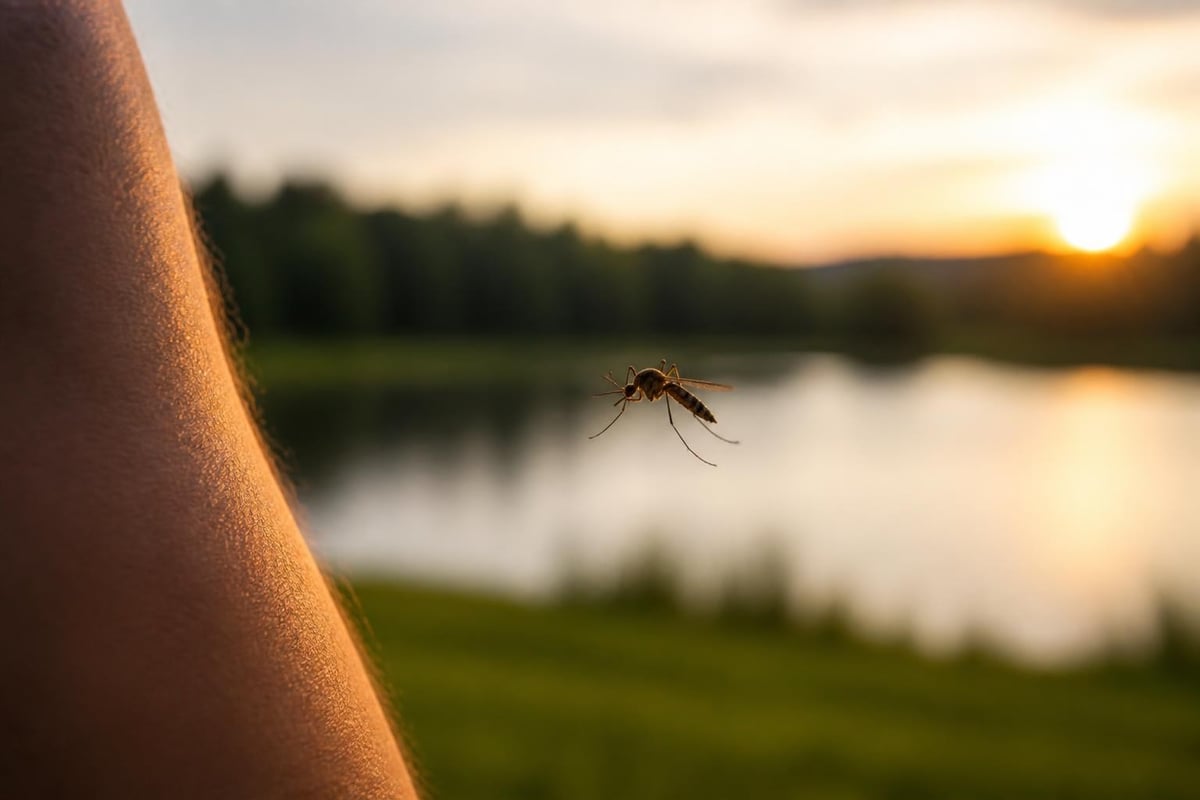
Source Reduction: The Foundation of Mosquitoes Removal
Eliminating breeding sites remains the most effective long-term mosquitoes removal strategy. Female mosquitoes lay eggs in standing water, and even tiny amounts can support entire populations. A bottle cap full of water can host hundreds of larvae.
Common Breeding Sites to Target
- Clogged gutters and downspouts
- Flower pot saucers and drainage trays
- Birdbaths that aren't refreshed weekly
- Tarps and covers that collect rainwater puddles
- Children's toys left in the yard
- Old tires and containers
- Low spots in landscaping that don't drain
Walk your property weekly during warm months. Dump, drain, or treat any standing water you find. The EPA's guidance on controlling mosquitoes at the larval stage provides detailed protocols for treating water sources that cannot be eliminated, including ornamental ponds and rain barrels.
For permanent water features, consider adding mosquito dunks containing Bacillus thuringiensis israelensis (Bti), a biological larvicide that kills mosquito larvae without harming fish, pets, or beneficial insects. Change birdbath water every three days. Ensure gutters slope properly and drain completely after rain.
| Water Source | Removal Method | Frequency |
|---|---|---|
| Flower saucers | Empty completely | After each watering |
| Birdbaths | Dump and refill | Every 3 days |
| Rain barrels | Screen openings, add Bti | Screen once, Bti monthly |
| Clogged gutters | Clean debris | Twice yearly minimum |
Habitat Modification for Long-Term Control
Beyond standing water, mosquitoes rest in cool, shaded, humid spots during daytime heat. Modifying your landscape reduces the number of mosquitoes that linger near your patio and outdoor spaces.
Trim vegetation around gathering areas. Mosquitoes rest in tall grass, thick shrubs, and overgrown ground cover. Keep lawns mowed to under three inches. Prune back dense shrubbery, especially along property lines and near decks or patios where you entertain.
Improve airflow across your outdoor living space. Mosquitoes are weak fliers, so even a gentle breeze makes it harder for them to land and feed. Position ceiling fans on covered patios to create constant air movement. Strategic placement of oscillating fans around seating areas provides a physical barrier that mosquitoes struggle to penetrate.
Consider the proximity of natural mosquito habitat. Understanding where mosquitoes come from helps you identify off-property sources you cannot control, such as wetlands, retention ponds, or neighbors' unmaintained yards. When you cannot eliminate the source, focus your removal efforts on creating protected zones around the spaces you use most.
Integrated Mosquito Management Principles
The Extension publication on Integrated Mosquito Management emphasizes combining multiple strategies rather than relying on any single method. This approach, endorsed by public health agencies worldwide, layers source reduction, habitat modification, biological controls, and targeted repellents to achieve sustained mosquitoes removal without excessive chemical use.
Chemical Versus Natural Mosquitoes Removal Methods
Traditional chemical approaches to mosquitoes removal fall into two categories: adulticiding (killing adult mosquitoes) and personal repellents applied to skin. Both raise concerns for families who treat their patios as outdoor rooms.
Professional fogging services spray synthetic pyrethroids across entire yards, killing adult mosquitoes on contact. While temporarily effective, these treatments require repeated applications every few weeks throughout the season. The EPA's standard operating procedure for ULV adulticide applications outlines safety protocols, including notifying neighbors, avoiding spray drift, and keeping people and pets inside during treatment.
The recurring cost adds up quickly. More importantly, many homeowners feel uncomfortable with regular pesticide applications in spaces where children play, pets roam, and food is served. Resistance also poses challenges, as mosquito populations exposed to the same chemicals repeatedly can develop tolerance.
DEET-based personal repellents work well for hiking or camping but feel intrusive for backyard entertaining. Nobody wants to ask dinner guests to spray themselves down before sitting at a beautifully set table. The sticky, greasy feel on skin, the chemical smell, and the need to reapply every few hours make DEET impractical for casual outdoor living.
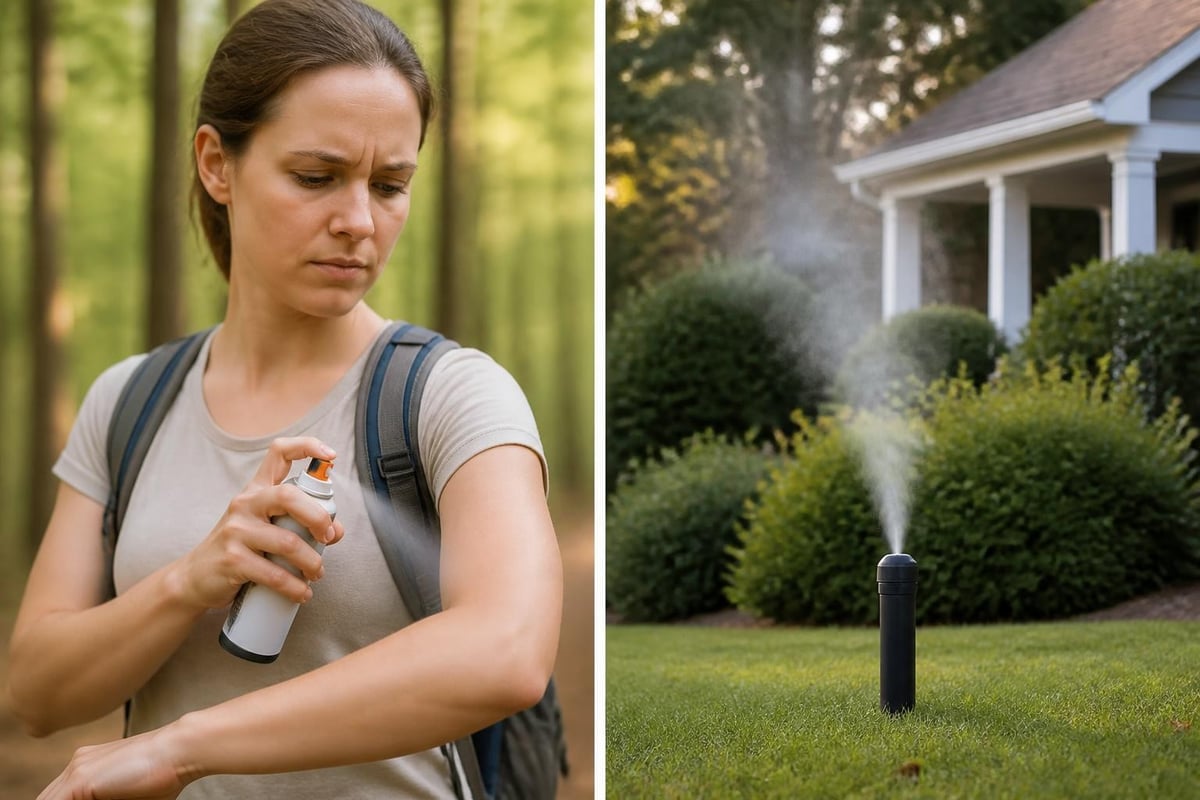
Scent-Masking: Protecting the Space Instead of the Person
A fundamentally different approach to mosquitoes removal focuses on masking the human scent that attracts mosquitoes in the first place. Rather than killing insects or coating people in chemicals, scent-masking methods interrupt the mosquitoes' ability to detect and locate hosts.
Since mosquitoes hunt by tracking scent at ground level, saturating an area with competing aromas can confuse their sensory systems. They drift past instead of landing because they cannot detect the carbon dioxide and body odor signals that normally guide them to targets.
Essential oils including geraniol, citronella, peppermint, eugenol, cornmint, and rosemary have documented mosquito-repelling properties. When these oils are released at ground level where people gather, they create a protective barrier that shields the entire space rather than just one person.
Why Ground Application Matters
Traditional candles and torches release scent upward, where it dissipates quickly into the air above head height. Mosquitoes hunting at ground level fly beneath this scent plume, reaching ankles and legs without interruption. Ground-based scent-masking addresses mosquitoes where they actually hunt.
This approach offers several advantages for the outdoor sanctuary host:
- Nothing touches skin: No sticky residue, no chemical absorption, no reapplication when you refill your drink
- Protects everyone in the space: One application covers the entire patio, not just the person who remembered to spray
- No visual clutter: No candles on the table, no devices to maintain, no flames to monitor
- Pet-friendly: When used as directed, properly formulated ground repellents pose no risk to dogs and cats sharing the space
For those seeking natural mosquito repellent for their patio, ground-based scent-masking delivers protection without the downsides of wearable sprays or chemical fogging services.
Biodegradable Solutions for Mosquitoes Removal
Modern mosquitoes removal increasingly emphasizes environmental responsibility alongside effectiveness. Biodegradable products that break down naturally after use reduce chemical persistence in soil and water while still delivering protection when you need it.
Corn-based granules infused with essential oils represent a significant advancement in this space. These biodegradable beads can be poured on the ground around patios, decks, and gathering areas where they release scent-masking compounds for days before dissolving back into the earth. For families concerned about chemical load near pets and children, ground-applied biodegradable options offer peace of mind that traditional pesticides cannot match.
Natural Mosquito Repellent products work by masking human scent at ground level, so mosquitoes cannot smell you and drift past instead of landing. You simply pour the beads where people sit, and peak performance runs on days one and two per application. This approach works well for RV enthusiasts, campers, and sports parents who need portable mosquitoes removal without aerosol cans or sticky sprays.
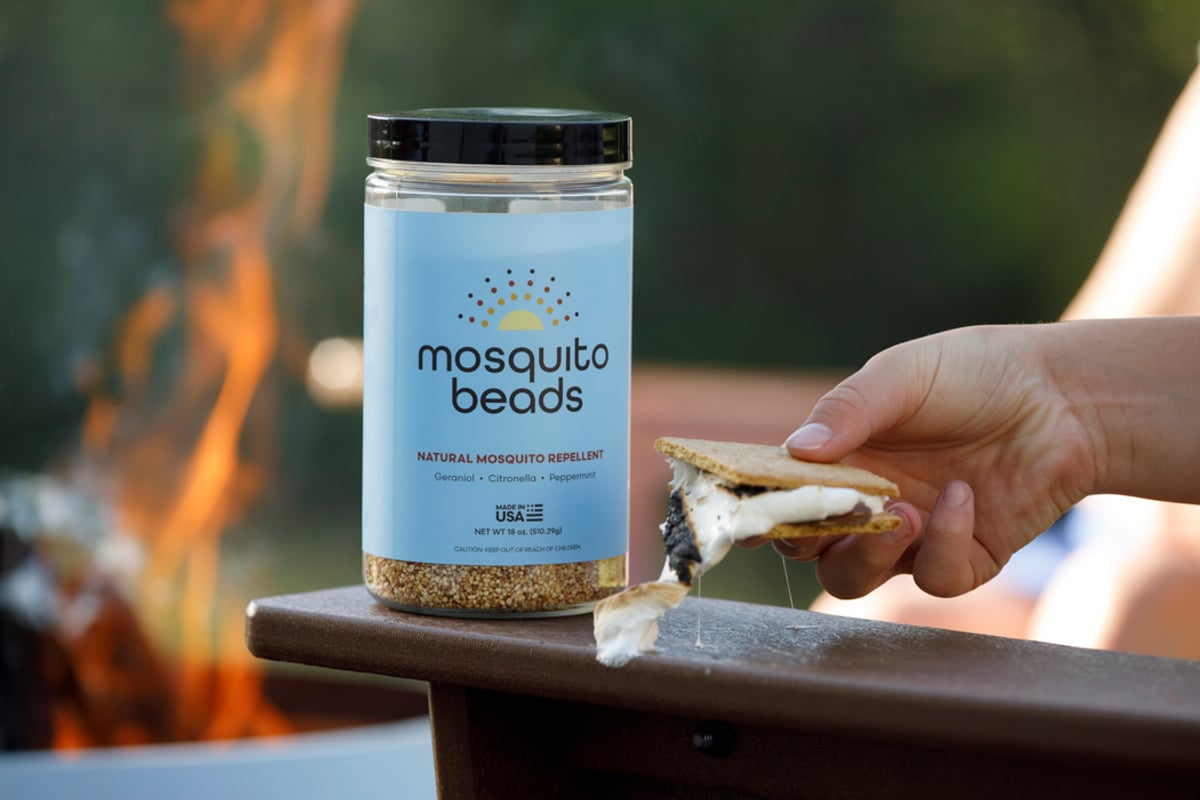
Coverage matters when selecting ground-based products. A typical 18-ounce container covers up to 1,000 square feet, sufficient for most patios and deck areas. Smaller 5-ounce sizes work well for portable applications at sports fields or campsites where you need focused protection in a defined area.
Physical Barriers and Mechanical Control
Screening and netting provide absolute mosquitoes removal for enclosed spaces. Fully screened porches keep mosquitoes out entirely, allowing you to enjoy evenings without any repellent at all. Ensure screens have no tears and fit tightly in frames. Repair or replace damaged sections immediately.
For patios that cannot be fully enclosed, consider temporary solutions:
- Mosquito netting canopies suspend above dining tables or seating areas
- Magnetic screen doors for patio access points
- Retractable screening systems that deploy when needed and store discreetly when not in use
Traps that use CO2, heat, and moisture to lure mosquitoes offer another mechanical removal option. These devices mimic human scent to attract and capture female mosquitoes before they can bite. Effectiveness varies by model, placement, and local mosquito species. Traps work best as supplemental tools within a broader integrated management strategy rather than standalone solutions.
Oscillating fans deserve special mention as low-tech mosquitoes removal tools. Set to medium speed, a 20-inch fan creates enough airflow to prevent mosquitoes from landing on people within eight to ten feet. The wind also disperses carbon dioxide and scent, making it harder for mosquitoes to track targets.
Community-Scale Mosquitoes Removal Efforts
Individual property owners can only accomplish so much when mosquitoes breed in public spaces or on neighboring properties. WHO resources on vector control strategy emphasize community-based approaches that coordinate efforts across entire neighborhoods.
Organize with neighbors to:
- Address shared water sources like storm drains and common green spaces
- Coordinate timing of treatments to prevent mosquitoes from simply shifting between properties
- Pool resources for professional services that treat larger areas more cost-effectively
- Educate everyone about source reduction basics
Municipal mosquito control programs often provide larviciding services for public water bodies and offer free inspections to help residents identify breeding sites. Contact your local health department to learn what resources are available in your area.
In regions with high mosquito-borne disease risk, coordinated mosquitoes removal becomes a public health priority. Even in areas where disease transmission remains rare, community cooperation significantly improves quality of life during peak mosquito season.
Timing Your Mosquitoes Removal Strategy
Mosquito activity follows predictable seasonal and daily patterns. Strategic timing maximizes the effectiveness of removal efforts while minimizing expense and effort.
Seasonal Considerations
Begin source reduction in early spring before mosquitoes emerge from winter dormancy. Female mosquitoes lay eggs in fall that overwinter and hatch with the first warm rains. Eliminating these early breeding sites prevents the first generation from establishing.
Peak mosquito season runs from May through September in most of the United States, with variations by region. Florida requires year-round vigilance due to warm temperatures that support continuous breeding. Northern states see concentrated activity from June through August.
Daily Activity Patterns
Most mosquito species feed during dawn and dusk when temperatures cool and humidity rises. Plan outdoor activities for mid-morning or early afternoon when mosquito activity drops naturally. When evening gatherings are unavoidable, implement protection measures before sunset.
Apply ground-based repellents 30 to 60 minutes before guests arrive, allowing scent to establish fully. Peak performance of most natural repellents occurs during the first two days after application, making them ideal for weekend entertaining or multi-day outdoor events.
| Time Period | Mosquito Activity | Action Needed |
|---|---|---|
| Dawn (5-7 AM) | High | Avoid or protect |
| Mid-day (11 AM-3 PM) | Low | Ideal outdoor time |
| Dusk (6-8 PM) | Very High | Maximum protection required |
| Night (10 PM-4 AM) | Moderate | Screening essential |
Evaluating Mosquitoes Removal Product Claims
The mosquito repellent market overflows with products making bold claims. Critical evaluation helps you distinguish effective solutions from marketing hype.
Look for products registered with the EPA or compliant with FIFRA 25(b), which governs minimum-risk pesticides made from specified essential oils and other safe ingredients. Registration numbers indicate the product has been reviewed for safety and efficacy claims.
Be skeptical of:
- Claims of 100% elimination (no product kills or repels every mosquito)
- Promises of multi-week protection from single applications
- Products that lack usage instructions or coverage information
- Devices that claim to work for acres when testing shows much smaller effective ranges
Compare cost per square foot of coverage rather than upfront price. A $30 product covering 1,000 square feet for two days costs less per use than a $15 product covering 100 square feet for the same duration.
Reviews from actual users provide valuable insight beyond marketing materials. Look for feedback from people in your climate zone using products in similar settings.
Making Mosquitoes Removal Work for Your Lifestyle
The best mosquitoes removal strategy fits seamlessly into how you actually use your outdoor space. A camping family needs different solutions than a patio entertainer, and both differ from a soccer parent spending hours at practice fields.
For patio hosts who treat outdoor dining rooms with the same care as interior spaces, mosquitoes removal must be invisible, effective, and free of chemical smells or sticky applications. Ground-based biodegradable options excel here, providing protection without visual clutter or asking guests to spray themselves.
For RV and camping enthusiasts, portability matters most. Look for solutions that pack easily, work without electricity, and protect temporary sites where you cannot control breeding sources. Natural mosquito repellent for RV living requires different form factors than permanent patio installations.
For sports families spending evenings at fields and parks, convenience and coverage area drive decisions. You need protection that deploys quickly, covers the space around bleachers or sidelines, and doesn't require constant attention during games.
Match your mosquitoes removal approach to your specific use case. Multi-method strategies work best: maintain source reduction at home, use portable ground repellents at away locations, and keep mechanical barriers like fans available for high-activity evenings.
Protecting Pets During Mosquitoes Removal
Dogs and cats sharing outdoor spaces deserve the same consideration as human family members. Many chemical repellents toxic to mosquitoes also pose risks to pets, especially cats who groom themselves constantly and cannot metabolize certain compounds.
DEET should never be applied to pets. Even products safe for human skin can cause neurological symptoms in cats and dogs. Permethrin, commonly used in yard sprays and tick prevention, is extremely toxic to cats while relatively safe for dogs.
When selecting mosquitoes removal methods for spaces pets use:
- Verify pet safety claims with your veterinarian
- Look for 25(b) minimum-risk products using essential oils documented as pet-safe
- Follow all usage directions regarding application areas and drying times
- Provide indoor access if applying any chemical treatment to yard areas
- Monitor pets for unusual behavior after introducing new products
Pet-friendly mosquito repellent options prioritize ground application rather than airborne sprays, reducing exposure through inhalation. Products that mask scent rather than kill insects pose minimal risk when used as directed since pets are not the target species.
Mosquitoes do bite dogs and cats, potentially transmitting heartworm and other parasites. Protecting pets from mosquito-borne disease while avoiding toxic repellents requires coordination with your veterinarian on preventive medications alongside environmental mosquitoes removal efforts.
The Future of Mosquitoes Removal Technology
Research continues advancing mosquitoes removal methods toward greater effectiveness with reduced environmental impact. Several emerging approaches show promise for homeowners seeking sustainable solutions.
Genetic modification programs target wild mosquito populations by releasing males carrying genes that prevent offspring from surviving to adulthood. While controversial, these programs have reduced disease-carrying mosquito populations in trial areas without chemicals or ongoing treatments.
Biological control using native mosquito predators, including certain fish species, dragonfly nymphs, and bats, offers long-term population suppression. Encouraging these predators through habitat enhancement provides continuous mosquitoes removal without human intervention.
Improved scent-masking formulations continue refining essential oil blends and delivery mechanisms. Microencapsulation technologies extend the release period of natural compounds, potentially offering longer protection from each application.
Understanding how to protect your space from mosquitoes increasingly means selecting from a diverse toolkit rather than defaulting to chemical sprays. As consumer demand grows for natural, effective, and convenient options, manufacturers respond with innovations that meet all three criteria.
Measuring Success in Mosquitoes Removal
How do you know if your mosquitoes removal efforts are working? Objective evaluation helps you refine strategies and allocate resources to the most effective methods.
Landing rate provides a simple measure: count how many mosquitoes land on your arm during a five-minute period before and after implementing control measures. A 70-80% reduction indicates effective protection for most social settings.
Track when and where you still notice mosquitoes. Persistent activity in specific corners or times of day points to breeding sources you missed or gaps in protection coverage. Adjust your strategy accordingly rather than assuming all methods work equally everywhere.
Bite counts offer another metric, though individual variation in attractiveness to mosquitoes complicates comparisons. Some people naturally attract more mosquitoes based on genetics, blood type, and skin chemistry, so compare your own experience over time rather than against others.
Consider quality of life improvements beyond numbers. Can you now enjoy dinner outside without rushing to finish before dark? Do guests comment on the lack of mosquitoes? Can your kids play in the yard at dusk without coming inside covered in bites? These subjective measures often matter more than exact population counts.
Effective mosquitoes removal balances multiple strategies tailored to your specific outdoor living needs. Whether you focus on eliminating breeding sources, modifying habitat, or implementing scent-masking protection, the right approach lets you reclaim your patio without sticky sprays or chemical concerns. Mosquito Beads offers a natural, biodegradable solution you pour on the ground where people gather, masking human scent so mosquitoes drift past instead of landing-no sticky application required, just protection for your entire outdoor sanctuary.