

Best Rated Mosquito Repellent: 2026 Buying Guide
Finding the best rated mosquito repellent means understanding what you actually need to protect. Are you coating one person for a trail run, or creating a comfortable zone for your whole family on the patio? The highest-rated product in a lab test might fail in your real-world scenario if it requires reapplication every hour or leaves a sticky film on skin. In 2026, consumers are evaluating repellents not just on efficacy scores but on lifestyle fit, ingredient transparency, and whether the solution disrupts the very outdoor experience they are trying to enjoy. This guide breaks down the key categories, what independent testing reveals, and how to match a repellent to your actual outdoor sanctuary.
Understanding Repellent Ratings and What They Actually Measure
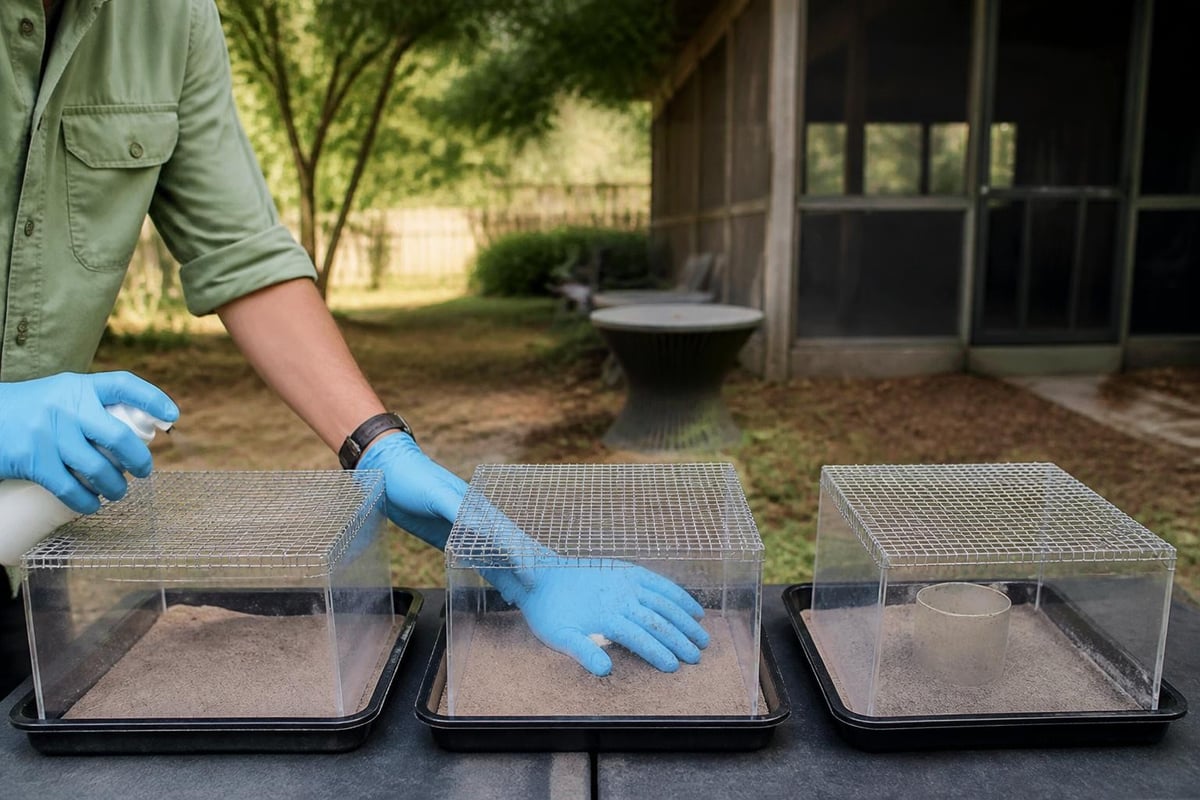
When you see "best rated mosquito repellent" claims, the underlying data usually comes from controlled laboratory trials. Researchers measure protection time, the duration a product keeps mosquitoes from biting a treated surface or person. Standard methods involve arm-in-cage tests, where mosquitoes attempt to land on treated skin, or spatial tests measuring repellent vapor zones.
Laboratory methods to evaluate mosquito repellents vary widely, making direct comparisons challenging. A product tested against Aedes aegypti in a controlled chamber may perform differently against Culex pipiens in your backyard at dusk. Protection time also depends on application density, sweat rate, and environmental conditions like wind and humidity.
The EPA registers repellent ingredients and provides public data on active compounds, but the agency does not rank products by performance. Independent testing from Consumer Reports offers valuable head-to-head comparisons based on real-use scenarios, including reapplication frequency and user satisfaction.
Key Performance Metrics
- Protection duration: hours of effective repellency per application
- Bite reduction: percentage decrease in mosquito landings or bites
- Application ease: spray, lotion, wipe, or spatial device
- Reapplication interval: how often you must renew protection
- Coverage area: personal (skin) versus spatial (environment)
| Repellent Type | Typical Duration | Application Method | Coverage Scope |
|---|---|---|---|
| DEET 25-30% | 4-6 hours | Spray or lotion to skin | Single person |
| Picaridin 20% | 8-10 hours | Spray or lotion to skin | Single person |
| IR3535 20% | 4-6 hours | Spray or lotion to skin | Single person |
| Natural oils (PMD, geraniol) | 2-4 hours skin / days spatial | Spray to skin or ground application | Varies by format |
| Permethrin clothing treatment | Through multiple washes | Soak or spray fabric | Treated garments only |
Synthetic Versus Natural: The Ingredient Debate
The best rated mosquito repellent for your neighbor may not be your top pick if ingredient origin matters to you. Synthetic compounds like DEET and picaridin dominate efficacy rankings, but they raise concerns about chemical exposure, especially for families with young children, pets, or those who spend hours daily in treated outdoor spaces.
DEET has decades of safety data and proven effectiveness. It works by confusing mosquito olfactory receptors, making it harder for them to locate human hosts. However, it can damage plastics, feels oily on skin, and requires reapplication every few hours. Harvard Health guidance on repellents for children recommends limiting DEET concentration and avoiding application to young children's hands.
Picaridin offers similar protection without the greasy feel or material damage, but it is still a synthetic compound applied directly to skin. For families seeking to minimize chemical load, the question becomes whether the trade-off in reapplication frequency justifies the reduced exposure.
Natural repellents use plant-derived essential oils, geraniol, citronella, peppermint, eugenol, and lemon eucalyptus. Research comparing synthetic and natural repellents shows that while natural oils typically have shorter skin-applied protection times, spatial applications (diffusers, ground-applied granules, or candles) can create effective zones without requiring anyone to wear the product.
The Spatial Protection Advantage
Spatial repellents work differently than skin-applied formulas. Instead of coating individuals, they release compounds into the air or saturate the ground to mask human scent cues that mosquitoes track. This approach protects an entire area, not just one person, and eliminates the need for sticky sprays on skin.
Understanding how mosquitoes detect CO2 from 30 feet away explains why scent-masking at ground level disrupts their hunt. Mosquitoes follow scent plumes upward from the ground. When those plumes are masked by essential oils saturating the area, mosquitoes drift past rather than homing in on human targets.
For outdoor sanctuary hosts who treat their patio as a room, spatial solutions offer control without asking every guest to spray down or worrying about residue on furniture and table settings.
Application Format: Spray, Lotion, or Ground-Applied
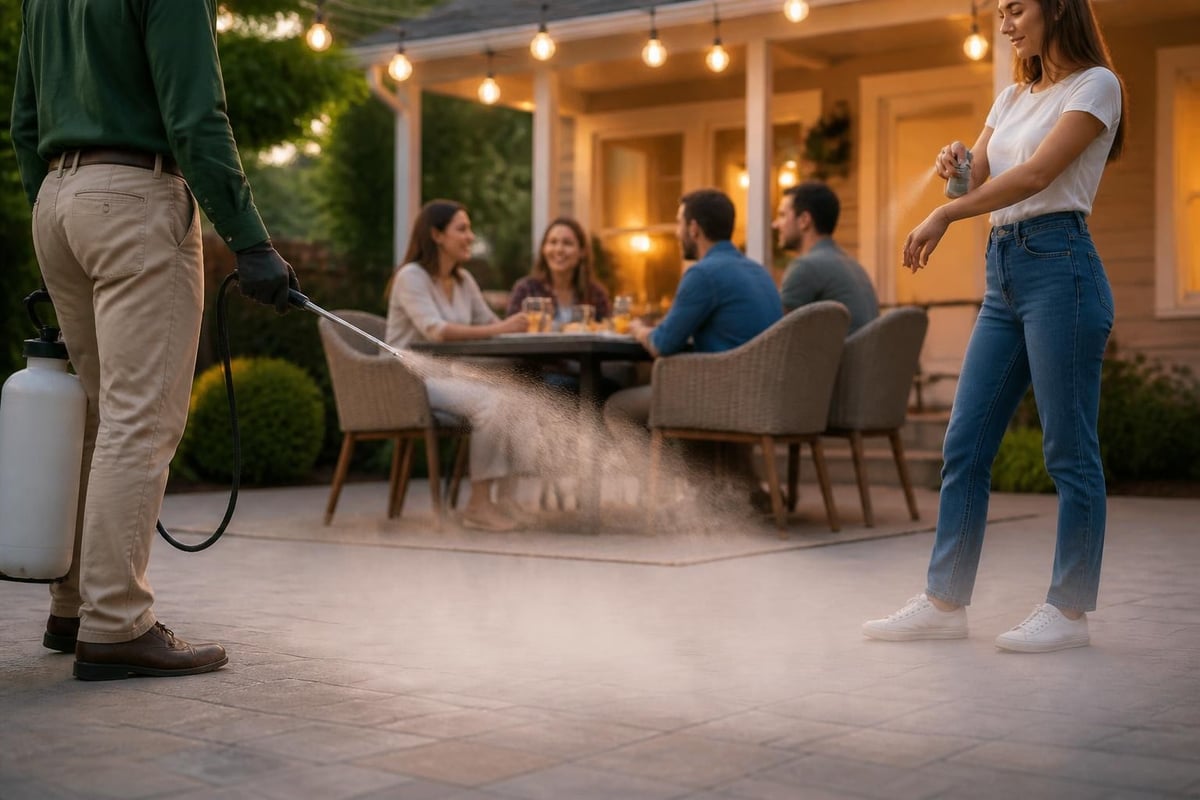
The best rated mosquito repellent is the one you will actually use correctly and consistently. Format drives compliance. Aerosol sprays deliver fast coverage but often result in uneven application and inhalation risk. Lotions allow precise control but feel greasy and require hand-washing before touching food or children. Wipes offer convenience for purses and day packs but limited coverage area.
Ground-applied biodegradable granules represent a newer category. You pour them where people gather, creating a protective scent barrier without touching anyone's skin. This format solves several problems at once: no sticky residue, no chemical contact with skin, no need to reapply to individuals, and protection for the whole space rather than isolated people.
For homeowners hosting weekend gatherings, the logistics matter. Asking a dozen guests to apply repellent before sitting down creates friction. Providing a spray bottle becomes a hosting task. Ground-applied solutions eliminate that awkwardness entirely while delivering multi-day protection from a single application.
Why People Avoid Sticky Sprays
- Skin sensitivity: synthetic compounds irritate some users or interact with sunscreen
- Reapplication burden: hourly or bi-hourly reapplication disrupts activities
- Greasy residue: DEET and oil-based formulas leave skin feeling coated
- Guest experience: hosts cannot require visitors to spray down
- Pet proximity: animals groom themselves and can ingest residue from human skin contact
When comparing the best rated mosquito repellent products, consider not just the protection percentage but the total user experience. A product with slightly lower lab scores but zero skin contact may deliver better real-world satisfaction.
Families concerned about pet-friendly mosquito repellent options need solutions that do not require keeping animals away from treated humans. Ground-applied, biodegradable formulas let pets roam freely without ingestion risk, since the product saturates the soil rather than coating people.
Evaluating Safety and Ingredient Transparency
Safety profiles vary by active ingredient, concentration, and application frequency. The EPA provides a tool to find registered repellents and understand label requirements, but registration confirms only that a product meets minimum safety thresholds, not that it is the best choice for your specific situation.
WHO guidance on topical and spatial repellents addresses global public health contexts, including malaria prevention in endemic regions. For suburban American families, the risk calculus differs. You are not preventing life-threatening disease but improving quality of life and reducing nuisance bites. This context allows for prioritizing low-toxicity, minimal-contact solutions.
Ingredient transparency matters when you host regularly and cannot control every variable. Knowing exactly what compounds are present, how they degrade, and whether they leave residue on furniture or grass helps you make informed decisions. Biodegradable formulas that break down naturally into soil avoid accumulation concerns.
| Ingredient | EPA Registered | Skin Contact Required | Biodegradable | Typical Protection |
|---|---|---|---|---|
| DEET | Yes | Yes | Limited | 4-6 hours |
| Picaridin | Yes | Yes | Moderate | 8-10 hours |
| IR3535 | Yes | Yes | Yes | 4-6 hours |
| Geraniol blend | Yes (25b exempt) | No (spatial use) | Yes | 1-2 days spatial |
| Citronella oil | Yes (25b exempt) | Optional | Yes | 2-4 hours skin |
| PMD (lemon eucalyptus) | Yes | Yes | Yes | 6 hours |
The 25b Exemption Category
Certain natural compounds, including geraniol, citronella, peppermint, eugenol, and rosemary oils, qualify for EPA 25b exemption. This category includes minimum-risk pesticides with low toxicity profiles and established safety. While exempt from full registration requirements, 25b products must still meet labeling and formulation standards.
For homeowners seeking natural ways to combat mosquitoes that work, 25b products offer regulatory assurance without synthetic chemical exposure. The trade-off is usually shorter skin-applied duration, but spatial formats can extend effective protection over days rather than hours.
Real-World Performance: What Ratings Miss
Laboratory scores measure one variable, protection time, under controlled conditions. Real-world performance includes wind dispersal, user error in application, activity level (sweating reduces skin-applied effectiveness), and mosquito species diversity. Your backyard likely hosts multiple mosquito species, each with slightly different sensory preferences and feeding times.
The best rated mosquito repellent in a journal article might have been tested against a single species in a windless chamber with precise application density. When you pour a glass of wine on your patio at sunset, conditions change. Wind carries spatial repellents unevenly. Humidity affects evaporation rates. Your natural body chemistry interacts with applied formulas.
Consumer Reports testing methodology includes real-use scenarios and subjective user feedback, which often reveals that the highest-scoring lab product is not the most satisfying in practice. Ease of application, scent acceptability, and freedom from reapplication all influence whether a product gets used consistently.
Duration Versus Convenience
A 10-hour protection claim sounds impressive, but if the product requires perfect skin coverage, dries into a sticky film, and cannot be applied near eyes or mouth, you may skip doses or apply inconsistently. A 24 to 48-hour spatial solution that requires no skin contact may deliver better aggregate protection despite lower instantaneous repellency scores.
Understanding how to protect your space from mosquitoes requires thinking beyond individual protection. Creating a defended zone lets everyone relax without personal application, and multi-day coverage means one setup protects an entire weekend.
Matching Repellent Type to Your Outdoor Lifestyle
Your best rated mosquito repellent depends entirely on your outdoor pattern. Trail runners need lightweight, long-duration skin protection. Campers may prefer permethrin-treated clothing plus a spatial campsite treatment. Patio hosts need solutions that protect groups without individual intervention.
Scenario-Based Recommendations
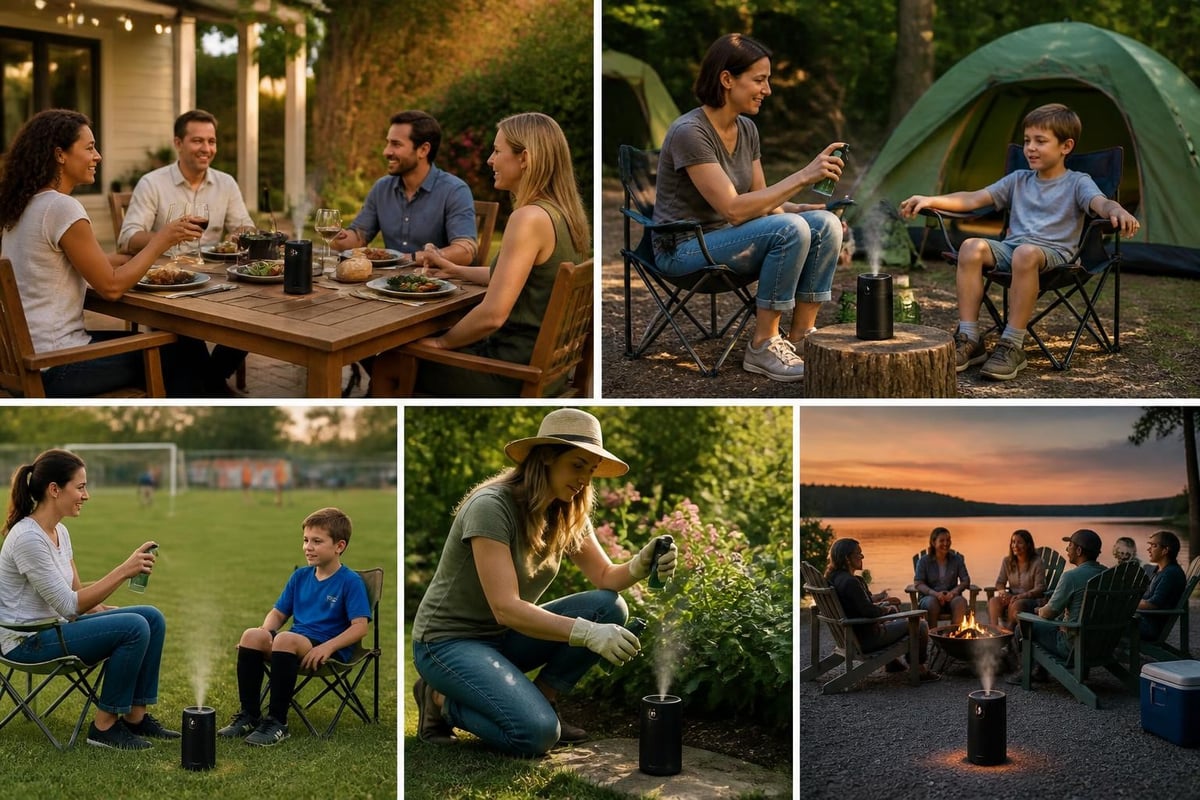
Weekend patio dining: Ground-applied biodegradable granules create a defended zone for the whole evening. Pour before guests arrive, and protection lasts through multiple nights without reapplication. No one wears repellent, no sticky bottles on the table, and pets can roam freely.
For those planning natural mosquito repellent for camping and RV use, portable formats that clip to gear or scatter around a campsite extend the protected area beyond just your tent door. Natural formulas also mean no concerns about chemical interaction with food prep surfaces.
Youth sports sidelines: Parents standing at soccer fields for hours face both direct sun and dusk mosquito activity. Mesh bags filled with scent-masking granules clipped to camp chairs create personal zones without requiring kids to spray down before and after games. This format also avoids the compliance problem of asking a dozen sweaty children to reapply lotion mid-game.
Gardening and yard work: Activities involving soil contact make skin-applied repellents less practical, since you will wash hands frequently and touch plants. Spatial protection from ground-applied products keeps mosquitoes at bay while you work without coating your hands in chemicals that transfer to vegetables or flowers.
Lakeside or poolside gatherings: Why the lake is mosquito paradise has everything to do with standing water breeding grounds and humidity. Spatial repellents that mask scent across wet environments work better than skin sprays that rinse off in the water. Ground application around seating areas creates a buffer zone between breeding sites and human gathering spots.
Cost Analysis: Upfront Price Versus Long-Term Value
The best rated mosquito repellent is not always the cheapest per ounce. Calculate cost per protected hour or cost per protected square foot to compare fairly. A low-price aerosol that requires reapplication every two hours and covers only one person becomes expensive when you host regularly.
Spatial repellents with multi-day duration and area coverage often deliver better value for residential use. One application protecting 1,000 square feet for two peak days translates to pennies per hour of protection for an entire family and their guests. Compare that to individual spray bottles requiring reapplication every few hours for each person.
Professional mosquito services charge hundreds of dollars per treatment and require monthly visits. Comparing cost of natural mosquito repellents versus professional services shows that homeowner-applied solutions offer control and flexibility without recurring service contracts or scheduled access requirements.
Hidden Costs of Skin-Applied Products
- Reapplication: hourly or bi-hourly renewals multiply per-use cost
- Waste: aerosol overspray and uneven application increase consumption
- Clothing damage: DEET degrades synthetics, requiring garment replacement
- Cleanup time: showering to remove residue before bed adds daily friction
Ground-applied biodegradable solutions eliminate these hidden costs. Pour once, protect for days, and the product naturally breaks down into soil. Nothing to wash off, no damaged clothing, and no daily reapplication routine.
The Role of Complementary Strategies
No single product is the best rated mosquito repellent for every situation. Integrated approaches combine habitat modification, repellent use, and behavioral timing for maximum protection. Eliminating standing water removes breeding sites. Wearing light-colored clothing reduces visual attraction. Timing outdoor activities to avoid peak mosquito hours (dusk and dawn) lowers exposure.
Why mosquitoes target us involves multiple cues, scent, carbon dioxide, heat, movement, and color. Addressing several cues simultaneously reduces bite risk more effectively than relying on repellent alone. For example, a spatial repellent that masks scent combined with light-colored clothing and a fan to disperse CO2 creates layered defense.
Homeowners seeking comprehensive protection might pair ground-applied biodegradable beads for patio zones with permethrin-treated cushions for outdoor furniture and strategic landscaping to reduce mosquito resting sites near seating areas.
When families gather outside, the goal is not just mosquito control but maintaining the experience. How to actually enjoy your backyard this summer means solutions that fade into the background rather than dominating the evening with constant reapplication reminders or visible repellent paraphernalia.
Natural, biodegradable solutions align with the values of homeowners who curate their outdoor spaces carefully. You choose furniture, lighting, and table settings with intention. Your mosquito repellent should not disrupt that aesthetic or introduce chemical concerns that conflict with organic gardening or pet safety priorities. Natural Mosquito Repellent products like Mosquito Beads pour on the ground where people gather, masking the human scent mosquitoes track without requiring sprays, flames, or skin contact, making them ideal for hosts who treat their patio as an extension of their home.

Regional Considerations and Species Variation
The best rated mosquito repellent for Florida may not top the list in Kansas due to different mosquito species and environmental conditions. Aedes aegypti dominates warm, humid regions and feeds aggressively during daylight. Culex pipiens prefers cooler evenings and breeds in urban catch basins. Anopheles species favor rural wetlands and are most active at night.
Florida's unique mosquito challenges include year-round breeding, high humidity that accelerates repellent evaporation, and species that have developed resistance to some synthetic compounds. Spatial repellents that saturate the ground and refresh scent barriers over days perform better in hot, humid climates than skin sprays that sweat off quickly.
Kansas mosquito patterns involve seasonal peaks and species that emerge after rain events. Ground-applied solutions that remain effective through dew and light rain offer more consistent protection than products requiring dry skin for adhesion.
Regional climate also affects product choice. Windy plains areas benefit from heavier granules that do not blow away versus light misting systems. High-UV sun belts need formulas that do not degrade rapidly in intense light. Texas mosquito control balances heat, humidity, and diverse species across varied terrain from Gulf Coast wetlands to Hill Country plateaus.
Understanding Labels and Making Informed Choices
Product labels contain critical information often overlooked in marketing claims. The active ingredient list, concentration percentages, and reapplication instructions determine actual performance. A product advertising "natural" may still contain synthetic carriers or fragrance masking agents. Reading the full ingredient panel reveals what you are actually applying.
EPA registration numbers confirm that a product has met safety and efficacy standards, but do not indicate superiority over other registered products. Finding the right repellent requires matching active ingredients and application format to your specific needs, not just choosing the product with the most aggressive marketing.
Be cautious of inflated protection duration claims. A product tested in a controlled lab may not deliver the same hours in real-world wind, heat, and activity. Independent third-party testing provides more reliable performance data than manufacturer claims alone.
For families concerned about natural patio protection, transparency about ingredient sourcing, biodegradability, and environmental impact matters as much as mosquito protection itself. Look for products that disclose all components, not just active ingredients, and explain their mechanism rather than making vague "repels mosquitoes" claims.
Frequently Asked Questions About Top-Rated Repellents
How long does the best rated mosquito repellent last? Duration depends on formulation and application type. Skin-applied synthetic repellents last four to ten hours. Natural skin sprays last two to four hours. Spatial ground-applied products can provide peak protection for one to two days, with diminishing effectiveness over subsequent days. Reapplication intervals also depend on activity level, sweating, water exposure, and environmental conditions.
Are natural repellents as effective as DEET? In skin-applied formats, natural oils generally provide shorter protection duration than DEET at equivalent concentrations. However, spatial natural repellents that saturate an area rather than coating skin can deliver longer aggregate protection for a defined space. Effectiveness also depends on mosquito species and user compliance. A natural product used consistently may outperform a stronger synthetic product applied inconsistently due to skin irritation or inconvenience.
Can I use mosquito repellent around pets? Skin-applied repellents pose ingestion risk when pets lick treated human skin or groom themselves after contact. Ground-applied biodegradable formulas designed for spatial use are generally pet-friendly when used as directed, since the product saturates soil rather than coating animals or people. Always check specific product labels for pet safety information and application restrictions. Products using essential oils common in pet-safe formulations (like peppermint and rosemary) typically present lower risk than synthetic compounds.
What about children and pregnant women? Safety guidance for children recommends lower DEET concentrations (10 percent maximum for young children) and avoiding application to hands, near eyes, or on broken skin. Spatial repellents that protect an area without skin contact eliminate direct exposure concerns for vulnerable populations. Pregnant women often prefer to minimize chemical exposure, making scent-masking spatial solutions attractive alternatives to skin-applied synthetic compounds.
Do ultrasonic repellent devices work? Scientific evidence does not support ultrasonic devices as effective mosquito repellents. Mosquitoes do not respond to ultrasonic frequencies in ways that alter feeding behavior. Visual and scent-based repellents demonstrate measurably better protection in controlled testing. Invest in proven methods rather than unvalidated electronic gadgets.
Making Your Decision: Prioritizing What Matters Most
The best rated mosquito repellent for you depends on which factors you prioritize: maximum protection duration, natural ingredients, ease of use, spatial versus personal coverage, cost per use, or environmental impact. No single product tops every category. Define your priorities clearly before evaluating options.
If you value convenience and hate reapplication, choose long-duration or spatial formats. If you prioritize natural ingredients, accept potential trade-offs in maximum protection hours. If you host frequently, spatial ground-applied solutions eliminate the guest compliance problem. If you have young children or pets, minimize skin contact with chemical repellents.
Test products in your actual environment before committing to bulk purchases. A repellent that works perfectly in a neighbor's shaded yard may underperform in your sun-exposed patio. Mosquito pressure, landscaping, and proximity to breeding sites all influence real-world results.
For those ready to move beyond the sticky spray routine and create a genuinely comfortable outdoor sanctuary, explore biodegradable ground-applied options that protect your whole space without touching anyone's skin. Visit resources on natural backyard mosquito control and scent-masking approaches for detailed information on how spatial protection differs from traditional wearable repellents.
Ultimately, the best rated mosquito repellent is the one that fits seamlessly into your outdoor lifestyle, protects your family and guests consistently, and aligns with your values around chemical exposure and environmental impact. Making an informed choice requires looking past marketing claims to understand actual mechanisms, application requirements, and real-world performance in your specific setting.
Finding the best rated mosquito repellent comes down to matching the product to your outdoor lifestyle, whether that means long-duration skin sprays for solo hikers or spatial scent-masking for weekend patio hosts. If you are ready to stop asking guests to spray down and eliminate sticky residue from your outdoor routine, Mosquito Beads offers a natural, ground-applied solution that masks human scent at the source, protecting your whole space for days without touching anyone's skin.