

Aloe Vera Bug Repellent: Benefits & Alternatives 2026
Natural alternatives to chemical insect repellents have gained significant attention as families seek safer ways to enjoy outdoor spaces without exposing themselves, children, or pets to synthetic compounds. Aloe vera bug repellent has emerged as a topic of interest for homeowners looking to protect patios, decks, and gathering areas where mosquitoes disrupt evening meals and sunset conversations. The promise of a plant with documented medicinal properties extending into pest control appeals to those who value both effectiveness and safety. Understanding what aloe vera actually offers, how it compares to other botanical options, and whether it delivers the protection your outdoor sanctuary needs requires examining both the science and the practical realities of mosquito behavior.
Understanding Aloe Vera as an Insect Deterrent
Aloe vera contains more than seventy-five potentially active compounds, including vitamins, minerals, enzymes, and polysaccharides that contribute to its well-documented skin benefits. The National Center for Complementary and Integrative Health provides detailed information about aloe's composition and traditional uses. When it comes to insect repellency, research focuses on specific compounds within the plant rather than the gel consumers typically associate with sunburn relief.
The active constituents that show insecticidal or repellent properties include anthraquinones, saponins, and certain volatile compounds present in much lower concentrations than the plant's primary components. Aloe emodin, one of the anthraquinones, has demonstrated activity against certain insect species in laboratory settings. However, the concentration and formulation significantly affect whether these compounds translate into practical outdoor protection.
How Aloe Vera Compounds Interact with Insects
Plant-based repellents work through multiple mechanisms. Some disrupt the sensory organs insects use to locate hosts, while others create irritation that drives insects away from treated surfaces. Aloe vera bug repellent formulations typically rely on the former mechanism, attempting to mask or confuse the chemical signals mosquitoes follow to find their next meal.
Mosquitoes hunt primarily by detecting carbon dioxide, body heat, and specific volatile organic compounds humans emit. A comprehensive review of plant-based insect repellents explains that effective botanical repellents must either block these detection pathways or overwhelm them with competing signals. Aloe vera's volatile fraction contains some compounds that theoretically interfere with mosquito olfaction, but the concentration in typical preparations remains considerably lower than proven essential oil repellents.
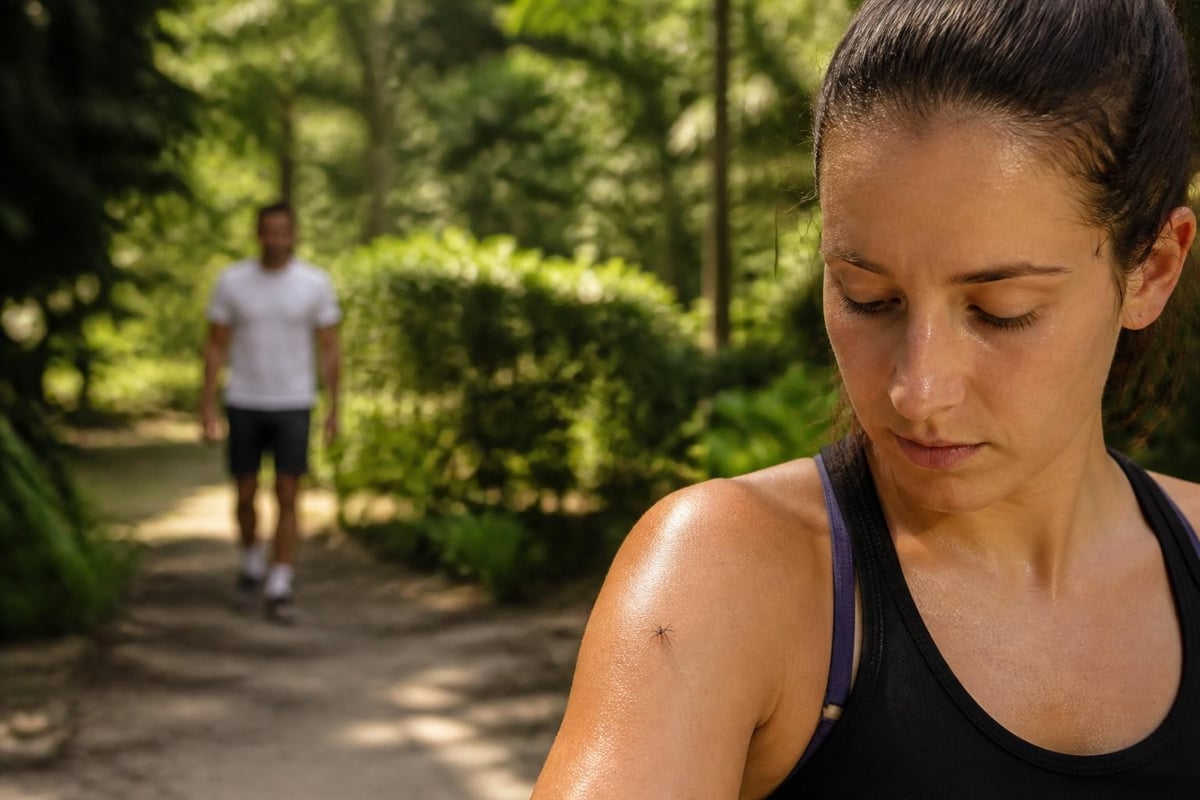
The Science Behind Aloe Vera Repellent Effectiveness
Laboratory studies have explored aloe vera's insecticidal properties against agricultural pests and disease vectors. A recent chemical fingerprinting study examined the active constituents across different Aloe species, identifying compounds with potential biological activity. The challenge lies in translating laboratory efficacy against controlled insect populations into real-world protection on a patio where wind, temperature, and mosquito density vary continuously.
Key factors affecting aloe vera bug repellent performance:
- Extract concentration and preparation method
- Presence of carrier oils or solvents
- Application surface and environmental conditions
- Target insect species and resistance profiles
- Duration since application and degradation rate
Testing protocols for repellent efficacy require standardized conditions that rarely match typical outdoor use. The World Health Organization's vector control documentation outlines testing frameworks for evaluating repellent products, emphasizing the difference between laboratory efficacy and field performance.
Comparing Natural and Synthetic Repellent Options
The conversation around environmentally friendly bug repellent has expanded beyond simple natural versus synthetic categorization. Effectiveness, duration of protection, application method, and user acceptance all factor into whether a product succeeds in practical settings.
| Repellent Type | Active Mechanism | Duration | Application | Environmental Impact |
|---|---|---|---|---|
| DEET sprays | Olfactory blocking | 4-6 hours | Skin application | Persistent in water |
| Aloe vera gel | Mild deterrent | 30-90 minutes | Skin application | Biodegradable |
| Essential oil blends | Scent masking | 2-4 hours | Skin or spatial | Biodegradable |
| Spatial repellents | Area protection | Days per application | Ground/perimeter | Biodegradable |
A 2024 comparative study examining synthetic versus natural repellents against Aedes aegypti mosquitoes found that while DEET remains the gold standard for personal protection, certain plant-derived options approach comparable efficacy when properly formulated and applied at sufficient concentrations. Aloe vera alone did not rank among the top-performing botanical options, though combinations incorporating aloe as a carrier for more potent essential oils showed improved results.
Practical Applications of Aloe Vera Bug Repellent
Homeowners considering aloe vera bug repellent face the question of how to actually deploy it around outdoor gathering spaces. Commercial formulations typically combine aloe gel or extract with other botanical ingredients to boost efficacy. Pure aloe gel applied directly to skin provides minimal mosquito protection, lasting perhaps thirty to sixty minutes before volatiles dissipate and mosquitoes resume normal feeding behavior.
DIY aloe vera repellent preparations often include:
- Aloe vera gel as the base carrier (2 ounces)
- Essential oils with proven repellent properties (20-30 drops total)
- Witch hazel or vodka as an emulsifier (1 ounce)
- Distilled water to achieve desired consistency
- Storage in spray bottles for easy application
The reality of hosting on your patio makes these formulations impractical for many situations. You cannot reasonably ask dinner guests to apply sticky gel before sitting down. Reapplication every hour interrupts conversation and creates awkward moments when someone needs to excuse themselves to spray down again.
Why Topical Applications Fall Short for Outdoor Spaces
The fundamental limitation of any skin-applied repellent, whether aloe vera bug repellent or conventional DEET spray, centers on coverage. Each person must apply product to all exposed skin, ensuring even distribution without gaps mosquitoes will exploit. Children squirm during application. Pets cannot be treated with most formulations. The person grilling cannot stop every forty-five minutes to reapply while managing food.
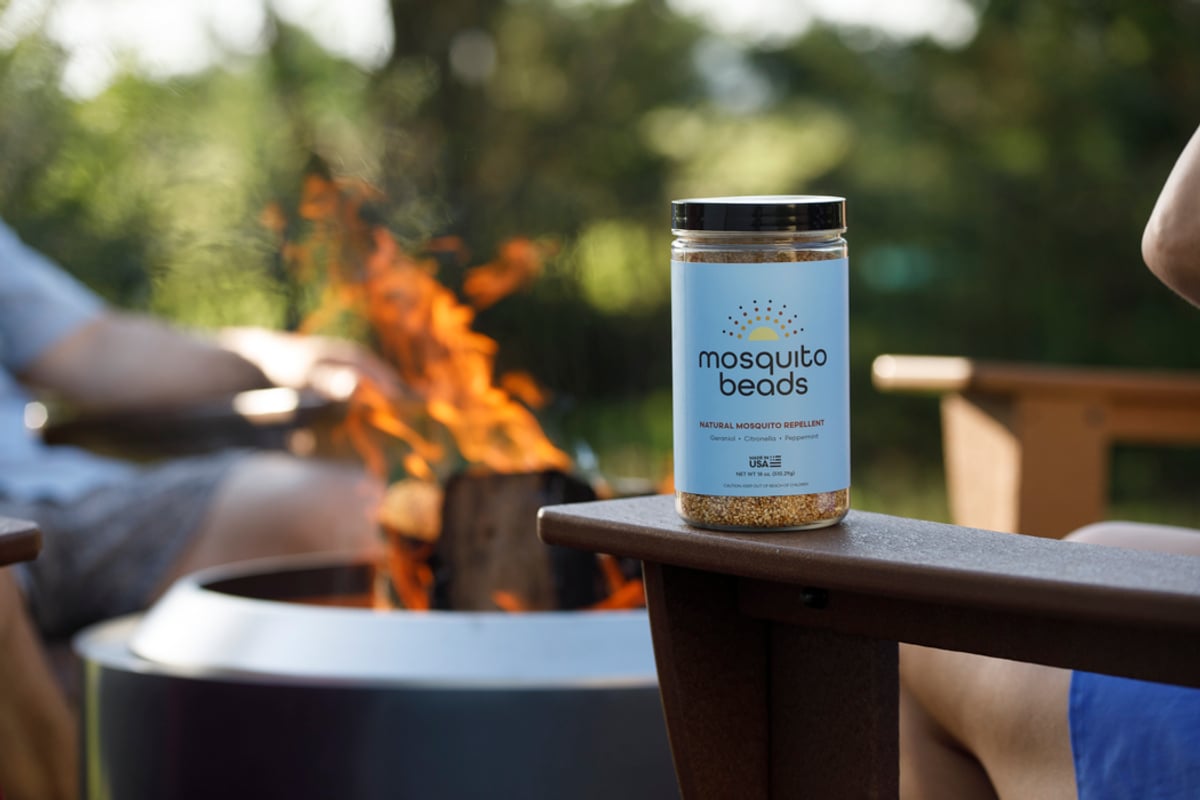
Ground-applied scent-masking repellents solve these problems by protecting the space rather than individual people. Products that work at ground level where mosquitoes hunt for the carbon dioxide and scent trails humans leave create a zone of confusion. Mosquitoes entering treated areas cannot lock onto their targets and drift past instead of landing. Mosquito Beads exemplify this approach, using biodegradable corn-based granules infused with six essential oils that mask human scent without requiring anyone to spray, apply, or wear anything.
Essential Oils That Outperform Aloe Vera Alone
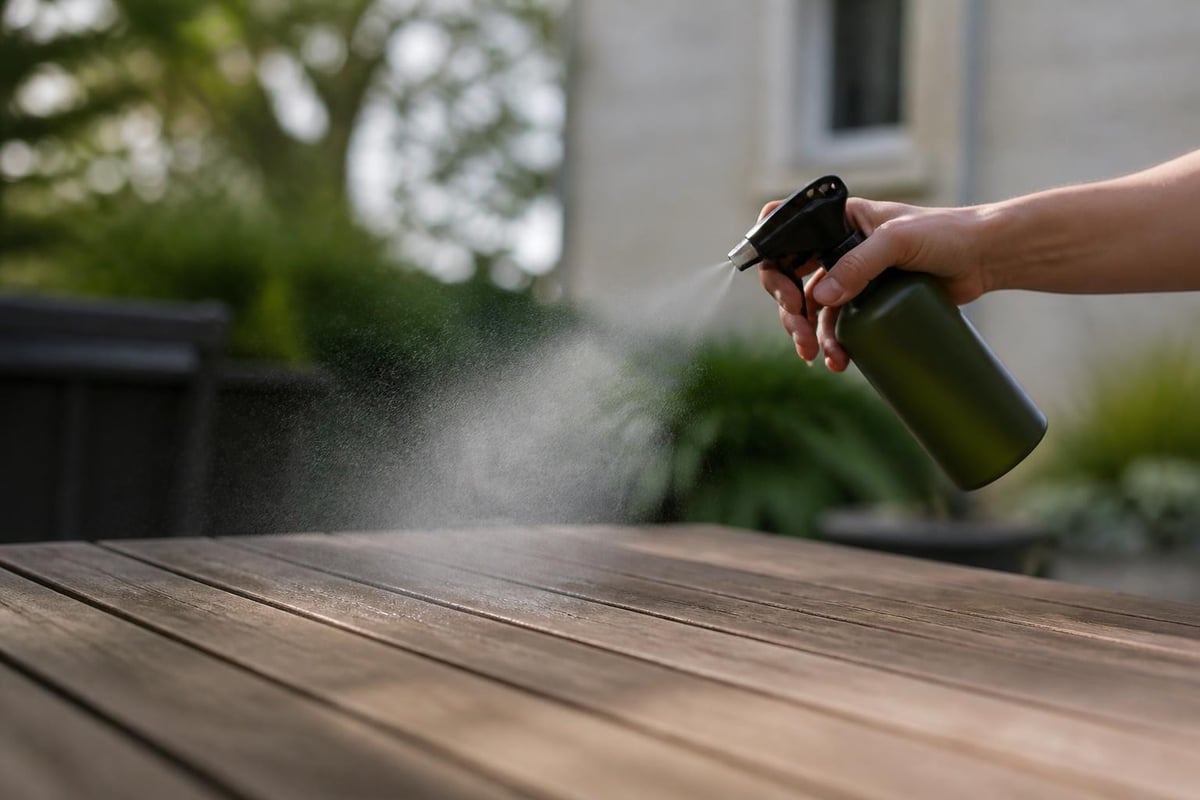
When examining essential oils and mosquito repellent effectiveness, specific compounds demonstrate superior performance compared to aloe vera's mild deterrent properties. The most effective botanical repellents contain concentrated volatile oils that directly interfere with mosquito sensory receptors.
Top-performing essential oils for mosquito protection:
- Geraniol: Disrupts mosquito olfactory receptors, making it difficult for insects to locate hosts even when carbon dioxide is detected
- Citronella: Masks attractant scents and creates an aversive stimulus for approaching mosquitoes
- Peppermint oil: Contains menthol and menthone compounds that repel multiple insect species
- Eugenol: Found in clove oil, provides both repellent and mild insecticidal properties
- Lemongrass derivatives: Create strong masking effects that confuse mosquito tracking systems
Research on lemongrass oil bug repellent shows that certain essential oils deliver protection approaching DEET in some testing conditions, particularly when applied at concentrations between 10% and 25%. Aloe vera bug repellent formulations that incorporate these proven essential oils essentially rely on the oils for efficacy while using aloe as a pleasant-feeling carrier that soothes skin.
Formulation Matters More Than Individual Ingredients
The best organic bug repellent options combine multiple essential oils to create synergistic effects. Single-ingredient botanical repellents rarely match the duration and effectiveness of multi-component formulations. This principle applies whether you are evaluating aloe vera bug repellent, citronella candles, or essential oil diffusers.
| Component | Primary Function | Typical Concentration | Limitations |
|---|---|---|---|
| Aloe vera gel | Carrier, skin soother | 50-70% | Minimal repellent activity |
| Geraniol | Active repellent | 5-15% | Requires reapplication |
| Citronella | Masking agent | 5-10% | Evaporates quickly |
| Carrier oils | Dilution, skin safety | 10-30% | Can feel greasy |
| Emulsifiers | Stability | 2-5% | No repellent effect |
Understanding what each ingredient contributes helps evaluate whether a product will perform as needed. Marketing materials often emphasize pleasant ingredients like aloe vera while burying the actual active repellents in fine print. Informed consumers look past the soothing carrier to identify which compounds actually drive mosquitoes away.
Alternatives for Protecting Outdoor Gathering Spaces
Families who treat their patios as outdoor rooms need solutions that protect the space without creating visual clutter, producing smoke, or requiring constant attention. Traditional mosquito repellent for outside settings includes citronella candles, tiki torches, bug zappers, and misting systems. Each option comes with significant drawbacks.
Citronella candles provide minimal protection beyond the immediate flame area. Wind disperses the scent before it creates an effective barrier. Tiki torches introduce open flames near children and pets. Bug zappers kill beneficial insects while missing mosquitoes, which are not attracted to UV light. Misting systems spray chemicals into the air everyone breathes and require professional installation.
Problems with conventional outdoor mosquito control:
- Spray applications land on furniture, food, and skin
- Candles create smoke and require wind-free conditions
- Zappers make noise and kill the wrong insects
- Professional treatments spray entire yards with chemicals
- Reapplication schedules interrupt outdoor activities
Ground-applied repellents that work through scent-masking represent a different approach entirely. Rather than trying to kill mosquitoes or create barriers, these products work with mosquito biology. Since mosquitoes hunt by detecting scent at ground level where carbon dioxide and body odor settle, saturating the ground with masking scents prevents them from locking onto targets. This method protects everyone in the treated area without requiring anyone to wear, spray, or apply anything to their skin.
Safety Considerations for Botanical Repellents
Even natural ingredients require attention to safety, particularly when used around children, pets, and pregnant women. The National Center for Complementary and Integrative Health notes that while topical aloe vera is generally safe, some individuals experience allergic reactions, and oral consumption carries different risks.
Essential oils concentrated enough to repel mosquitoes can irritate skin, cause allergic reactions, or prove toxic if ingested in sufficient quantities. Cats are particularly sensitive to certain essential oils due to their limited ability to metabolize specific compounds. Dogs tolerate most oils better but should never ingest concentrated formulations.
Reading Labels and Understanding Formulations
Products marketed as aloe vera bug repellent may contain significant concentrations of other ingredients that deserve closer scrutiny. EPA registration documentation provides insight into how products are formulated and tested, though many botanical repellents qualify for exemptions under minimum-risk pesticide provisions.
Questions to ask before using any botanical repellent:
- What are the active ingredients and concentrations?
- How long does protection last per application?
- Can it be used around pets and children?
- Does it require skin contact or work spatially?
- What testing supports efficacy claims?
Products that protect the space rather than requiring skin application eliminate many safety concerns. When repellent granules remain on the ground, pets and children avoid direct contact. The essential oils volatilize into the air at concentrations designed to confuse mosquitoes but remain well below levels that would irritate humans or pets in outdoor settings with normal air circulation.
Making Informed Choices for Your Outdoor Sanctuary
The decision between aloe vera bug repellent, conventional sprays, or alternative methods depends on your specific situation, priorities, and tolerance for tradeoffs. Families committed to avoiding DEET and other synthetic chemicals while maintaining effective mosquito protection need realistic expectations about what each option delivers.
Pure aloe vera gel offers minimal mosquito repellency. Formulations that combine aloe with effective essential oils work primarily because of those oils, not the aloe carrier. If you choose this route, prepare for frequent reapplication, potential skin sensitivity, and the practical challenges of treating every family member before outdoor activities.
Evaluation framework for outdoor mosquito control:
| Priority | Spray Repellents | Aloe Formulations | Spatial Repellents |
|---|---|---|---|
| No skin contact | Poor | Poor | Excellent |
| Protects whole space | Poor | Poor | Excellent |
| Duration | Moderate (4-6 hrs) | Poor (1-2 hrs) | Good (days) |
| Pet safety | Variable | Variable | Good |
| Ease of use | Moderate | Moderate | Excellent |
| Chemical avoidance | Poor (DEET) | Good | Good |
Understanding why mosquitoes target us helps evaluate whether a repellent strategy addresses the actual mechanisms mosquitoes use to find hosts. Products that only mask some attractant cues leave mosquitoes able to exploit others. Comprehensive protection requires either blocking multiple pathways or removing yourself from areas where mosquitoes hunt.
The Role of Environment in Mosquito Control
Even the most effective repellent cannot overcome poor environmental management. Standing water within 100 yards of your patio produces hundreds of new mosquitoes every week. Dense vegetation provides resting sites where mosquitoes wait between feeding attempts. Outdoor lighting attracts mosquitoes after dark when they are most active.
Combining natural ways to combat mosquitoes that work with environmental management creates layered protection. Remove water sources, trim vegetation, use yellow bug lights, and add fans to create air movement mosquitoes cannot navigate. Then deploy repellents that address remaining pressure.
Environmental mosquito reduction strategies:
- Empty containers that collect rainwater weekly
- Clean gutters to prevent standing water
- Trim grass and prune shrubs to eliminate resting sites
- Install fans to create wind speeds above 1 mph
- Use yellow LED bulbs instead of white lights
- Apply ground-level scent-masking repellents where people gather
These steps reduce mosquito populations and make repellents more effective by lowering the number of insects attempting to feed. A moderately effective repellent in a well-managed yard outperforms a strong repellent in an environment optimized for mosquito breeding.
Beyond Aloe Vera: Building Comprehensive Protection
The search for aloe vera bug repellent often stems from the desire to avoid harsh chemicals while still enjoying outdoor spaces. That goal is achievable, but it requires matching the solution to the specific challenge. Personal repellents protect one person. Spatial repellents protect defined areas. Environmental management reduces overall mosquito populations.
Most families benefit from combining approaches. Maintain a clean yard, eliminate breeding sites, and deploy spatial repellents around gathering areas. Keep personal repellents available for hiking or activities away from treated spaces. Choose products based on mechanism, duration, and ease of use rather than marketing claims about natural ingredients.
Products that let you pour and forget, protecting the space for days without reapplication, smoke, or sticky skin contact, align best with how people actually use outdoor spaces. You should not need to interrupt dinner to reapply spray. Guests should not arrive to a haze of citronella smoke. Children and pets should play freely without chemical exposure concerns.
Performance Expectations and Realistic Planning
Setting appropriate expectations prevents disappointment and helps match products to needs. Aloe vera bug repellent formulations vary dramatically in composition and efficacy. Some contain barely enough essential oil to provide scent, let alone mosquito protection. Others pack legitimate concentrations of proven repellent compounds but require reapplication every ninety minutes.
Reading reviews, checking ingredient concentrations, and understanding testing protocols help separate effective products from marketing hype. Look for specific efficacy claims backed by testing data. Be suspicious of vague promises about natural protection without details on duration or coverage area.
Red flags in mosquito repellent marketing:
- No listed active ingredient concentrations
- Claims of all-day protection from botanical products
- Absence of reapplication instructions
- No mention of target insects or testing methods
- Prices that seem too good to be true
Legitimate products clearly state what they contain, how long protection lasts, and how to apply them properly. Whether you choose aloe vera bug repellent, essential oil sprays, or ground-applied spatial repellents, knowing exactly what you are buying helps achieve the outdoor comfort your patio deserves.
Aloe vera offers mild deterrent properties but lacks the proven efficacy of dedicated essential oil repellents when used alone. For families seeking effective, chemical-free mosquito protection around patios and outdoor gathering spaces, spatial repellents that work at ground level provide superior coverage without requiring skin application or constant reapplication. Mosquito Beads deliver this approach through biodegradable corn-based granules infused with six essential oils, masking human scent where mosquitoes hunt so your family enjoys outdoor spaces without sticky sprays, smoke, or compromise.