

Essential Oil Bug Deterrent: Natural Protection Guide
Mosquitoes follow their nose. Every evening when you step onto your patio, you release a signature scent profile that draws them in from thirty feet away. For years, homeowners have reached for aerosol cans and sticky lotions, coating themselves in chemicals they'd rather avoid. The search for a better answer has turned millions toward nature's own defense system: an essential oil bug deterrent that works where mosquitoes hunt, not on your skin. Understanding how these plant-derived compounds disrupt mosquito tracking can transform how you protect your outdoor sanctuary without asking your family or guests to spray down before dinner.
How Essential Oils Interfere With Mosquito Tracking
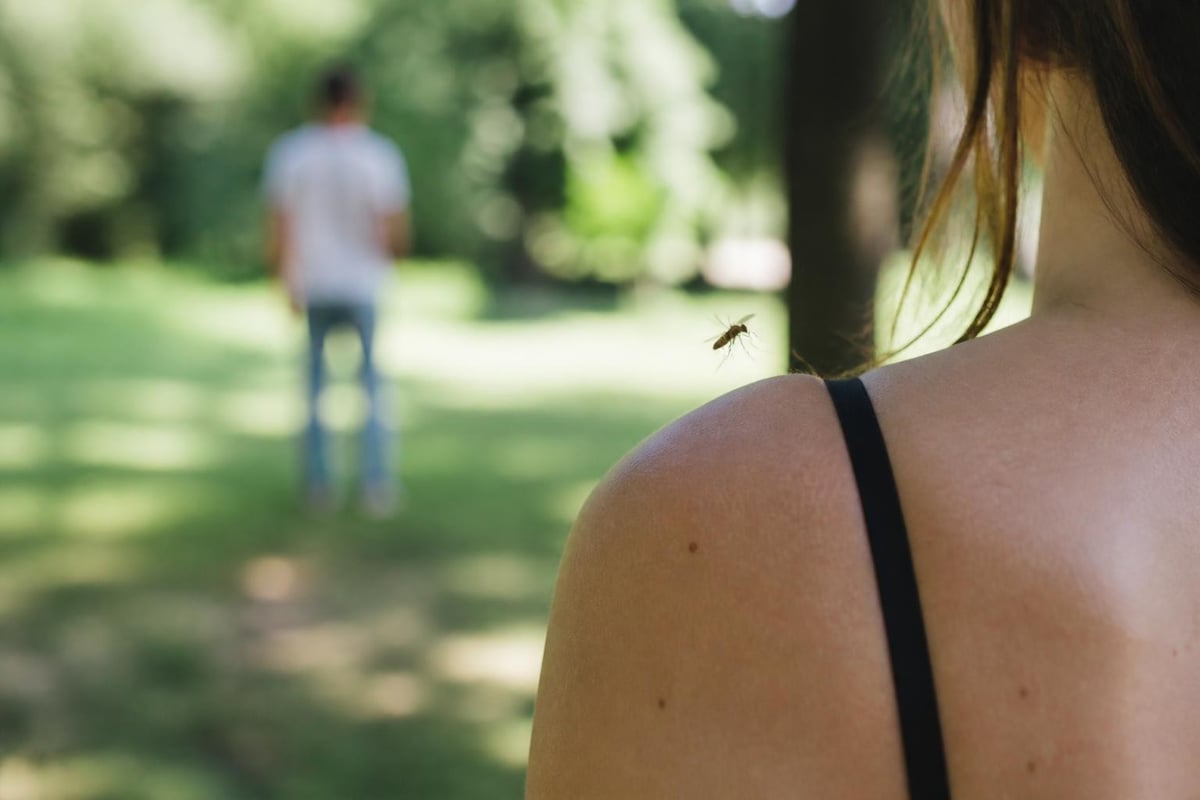
Mosquitoes don't see you first. They smell you. Carbon dioxide from your breath carries up to thirty feet, and mosquitoes detect this marker before they zero in on body heat and other chemical signals your skin releases. An essential oil bug deterrent works by saturating the air with competing scent molecules that confuse or overwhelm the insect's olfactory receptors.
Research published in recent systematic reviews demonstrates that specific plant oils create enough olfactory interference to reduce landing rates. Studies analyzing chemical composition and repellent activities confirm that compounds like geraniol, citronellal, menthol, and eugenol actively disrupt mosquito host-seeking behavior across Aedes, Anopheles, and Culex species.
The Scent-Masking Strategy
Rather than killing insects, most essential oil formulations mask or repel. When applied at ground level in outdoor spaces, the volatile compounds evaporate upward, creating a scent curtain between you and incoming mosquitoes. The insects lose the chemical trail they follow and drift past your gathering area instead of landing.
This mechanism differs fundamentally from synthetic repellents like DEET, which work primarily on skin by blocking mosquito receptors at close range. A ground-applied essential oil bug deterrent protects the entire space, not just one person.
Six Essential Oils With Documented Mosquito Deterrent Activity
Not every plant oil repels mosquitoes equally. Efficacy depends on active chemical constituents, concentration, and formulation method. According to a comprehensive review of essential oils as mosquito bio-repellents, the following six oils have consistent laboratory and field support.
| Essential Oil | Primary Active Compound | Typical Protection Duration (Neat Application) |
|---|---|---|
| Citronella | Citronellal, geraniol | 30–60 minutes |
| Geraniol | Geraniol | 60–90 minutes |
| Peppermint | Menthol | 45–75 minutes |
| Eugenol (Clove) | Eugenol | 60–120 minutes |
| Cornmint | Menthol, menthone | 45–90 minutes |
| Rosemary | 1,8-Cineole, camphor | 30–60 minutes |
Citronella and Geraniol
Citronella oil has been the face of natural mosquito control for decades. Extracted from lemongrass species, its effectiveness comes from citronellal and geraniol working together. Geraniol alone shows promise as a standalone deterrent, with some formulations extending protection beyond what citronella achieves in candles.
Peppermint and Cornmint
Both oils deliver menthol, a compound mosquitoes find highly unpleasant. Peppermint oil (Mentha piperita) and cornmint oil (Mentha arvensis) offer overlapping but slightly different terpene profiles. Field trials show that menthol-rich oils can reduce mosquito landings by more than fifty percent when used in spatial repellent applications.
Eugenol and Rosemary
Eugenol, the dominant compound in clove oil, demonstrates both repellent and mild insecticidal properties. Rosemary oil adds 1,8-cineole and camphor to the mix, creating a multi-layered scent profile that broadens the spectrum of deterrence. When blended, these oils cover more mosquito species than any single oil used alone.
Why Ground Application Beats Sticky Sprays
Most consumer insect repellents require direct skin contact. You spray, you rub, you wait for it to dry, and you smell like a chemical factory. For the Outdoor Sanctuary Host who values aesthetics and refuses to ask dinner guests to coat themselves before sitting down, that approach fails on every level.
Drawbacks of topical aerosol repellents:
- Sticky residue on skin and clothing
- Repeated reapplication every one to two hours
- Chemical exposure for children and pets
- Unpleasant odor that clings to hair and hands
- Individual protection only; each person must apply separately
A ground-applied essential oil bug deterrent sidesteps every one of these issues. You pour biodegradable granules infused with plant oils where people gather. The oils evaporate naturally, creating a protective zone without touching anyone. No greasy hands. No aerosol mist drifting into food. No awkward request that your guests spray down before appetizers.

Protecting the Space, Not Just One Person
Traditional sprays create a bubble of protection around a single person. If you host six people on your patio, you need six applications. If someone forgets to reapply after ninety minutes, mosquitoes find them. Ground-based spatial repellents flip the model. One application covers the entire seating area, and everyone benefits equally.
This approach aligns with how spatial repellents are tested and evaluated in public health settings. Instead of measuring protection time on an individual arm, researchers measure mosquito landing rates across a defined zone. The goal shifts from personal defense to area control.
How to Evaluate Essential Oil Bug Deterrent Products
The natural repellent market has exploded, and not every product delivers on its promise. When choosing an essential oil bug deterrent, scrutinize formulation, concentration, carrier method, and regulatory compliance.
Active Ingredient Transparency
Reputable manufacturers list specific essential oils and their concentrations. Vague labels that say "botanical blend" or "plant extracts" without naming the oils should raise red flags. The EPA regulates insect repellents, including those made from plant-derived ingredients, and registered products must disclose active components.
Look for products that specify:
- Which essential oils are included (citronella, geraniol, peppermint, etc.)
- Concentration percentages or total oil content
- Carrier or delivery system (spray, granule, wax, vapor)
- EPA registration or 25(b) exemption status under FIFRA law
Understanding 25(b) Exempt Ingredients
Many essential oil bug deterrents qualify as 25(b) minimum-risk pesticides, meaning the EPA considers their active and inert ingredients safe enough to skip full registration. This exemption applies when products use only approved essential oils and meet labeling requirements.
Common 25(b)-exempt essential oils include citronella, peppermint, geraniol, eugenol, rosemary, and lemongrass. These products still must follow federal guidelines but face less regulatory burden than synthetic chemicals like DEET or picaridin.
Realistic Duration Expectations
No essential oil bug deterrent lasts all day. Volatility is both the strength and the limitation. The same rapid evaporation that creates a scent barrier also means you'll need to refresh applications every one to three days, depending on temperature, humidity, and airflow.
Consumer Reports testing shows that most plant-based repellents offer significantly shorter protection than synthetic alternatives when applied to skin. Ground-based spatial products perform differently, with peak effectiveness typically occurring in the first forty-eight hours after application as oils volatilize at maximum rate.
Practical Tips for Maximizing Essential Oil Deterrent Performance
Even the best formulation will underperform if you misuse it. These strategies help you get the most from your essential oil bug deterrent while maintaining the visual and sensory experience you expect from your outdoor space.
Placement and Coverage
Pour or position your deterrent upwind of seating areas when possible. Mosquitoes approach from downwind, riding air currents. A scent curtain placed between their staging areas (shaded shrubs, standing water, lawn edges) and your patio intercepts them before they reach guests.
For ground-applied granules, distribute evenly rather than piling in one spot. Broad, thin coverage releases scent molecules across a wider area. If your product recommends one container per three hundred square feet, divide it proportionally rather than dumping the entire amount in the center of your patio.
Timing Your Application
Apply your essential oil bug deterrent thirty to sixty minutes before guests arrive. This allows the oils to begin evaporating and establish the scent zone. Mosquitoes become most active at dusk, so late-afternoon application aligns protection with peak biting hours.
Optimal application schedule:
- Day 1: Apply in late afternoon, expect maximum deterrent effect through evening
- Day 2: Strong protection continues as oils volatilize
- Day 3: Deterrent effect begins to fade; consider reapplication if hosting again
- Day 4+: Refresh for continued protection
Combining With Habitat Modification
No repellent works miracles if you're hosting mosquitoes in your yard. Eliminate standing water in plant saucers, clogged gutters, and bird baths. Trim overgrown shrubs where mosquitoes rest during the day. Understanding how to protect your space means addressing breeding sites alongside deterrent strategies.
An essential oil bug deterrent functions as one layer in an integrated approach. When you reduce the local mosquito population through habitat management, the deterrent handles the remaining pressure from mosquitoes drifting in from neighboring properties.
Comparing Natural Approaches: Candles, Torches, and Ground Granules
Citronella candles dominated the natural mosquito repellent market for years. Tiki torches followed. Today, ground-applied granules offer a third option that solves problems the first two never addressed.
| Method | Coverage Area | Duration | Visual Impact | Skin Contact | Relight/Refill |
|---|---|---|---|---|---|
| Citronella candle | 3–5 feet radius | 2–4 hours | High (flame, container) | None | Relight each use |
| Tiki torch | 6–8 feet radius | 3–6 hours | Very high (flame, pole) | None | Refill fuel |
| Ground granules | 300–1,000 sq ft | 1–2 days peak | Minimal (scattered beads) | None | Pour new application |
Why Candles Fall Short
Citronella candles release essential oils through combustion, but the scent plume rises quickly in still air and dissipates. Wind scatters the smoke before it can form a protective barrier. University extension guidance notes that citronella candles reduce mosquito landings only within a very small radius, often just a few feet from the flame.
For a host who refuses visual noise on a beautifully set table, candles also create clutter. Multiple candles occupy prime real estate, drip wax, and require constant monitoring. Open flames near children and pets add another layer of concern.
The Problem With Torches
Tiki torches expand the coverage area but amplify the aesthetic disruption. Tall poles, open flames, and fuel odor work against the refined outdoor room concept. They also demand more maintenance: refilling fuel canisters, replacing wicks, and storing flammable liquids safely.
Neither candles nor torches address the core issue: mosquitoes hunt at ground level, where CO₂ pools and human scent lingers. Releasing essential oils several feet above the patio misses the zone where mosquitoes search hardest.
Ground Granules as a Modern Solution
Biodegradable granules infused with essential oils solve the placement problem. You pour them where mosquitoes hunt, creating a scent-masking barrier exactly where it's needed. The beads release oils through slow evaporation rather than combustion, so there's no flame, no smoke, and no need to tend the product mid-event.
For families concerned about chemical exposure, ground application means nothing touches skin, hair, or clothing. Mosquito Beads, a natural mosquito repellent made from corn-based biodegradable granules infused with six essential oils-geraniol, citronella, peppermint, eugenol, cornmint, and rosemary-exemplify this approach. You pour the beads on the ground where people gather, and they mask human scent at the level mosquitoes track, so the insects drift past instead of landing.


Safety Considerations for Families and Pets
Essential oils carry a "natural" label, but natural doesn't automatically mean risk-free. Concentrated oils can irritate skin, trigger allergies, or cause adverse reactions in pets if misused. An essential oil bug deterrent designed for spatial use avoids most of these risks by keeping the product away from direct contact.
Skin Sensitivity and Allergic Reactions
Undiluted essential oils applied directly to skin often cause irritation, especially in children. The CDC cautions against using unformulated essential oils as topical repellents due to unpredictable skin reactions and short protection duration. When you choose a ground-applied deterrent, you eliminate this concern entirely.
Pet-Friendly Formulations
Cats and dogs process certain essential oils differently than humans. Concentrated tea tree oil, for example, can be toxic to cats. However, when essential oils evaporate from ground-level granules in an open outdoor space, exposure remains minimal. Products labeled pet-friendly when used as directed typically mean the oils disperse into the air rather than pooling in concentrations that harm animals.
Always supervise pets around freshly applied granules to prevent ingestion. Most biodegradable formulations pose low toxicity risk if a dog licks a few beads, but eating large quantities could cause mild gastrointestinal upset.
Children and Vulnerable Populations
Young children, pregnant women, and individuals with respiratory sensitivities may react to strong scents. Ground-applied essential oil bug deterrents offer an advantage here: the scent disperses across a large area rather than concentrating on skin or in enclosed air. Outdoors, air circulation keeps essential oil concentrations low enough to avoid overwhelming sensitive individuals.
If anyone in your household has asthma or scent sensitivities, test a small application first. Most people tolerate the gentle, ambient scent of evaporating plant oils far better than the chemical smell of DEET or the smoke from citronella candles.
Regional Considerations: Climate, Mosquito Species, and Oil Selection
Mosquito pressure varies dramatically by region. Coastal humidity, desert heat, and temperate zones each present different challenges. The essential oil bug deterrent that works in Texas might underperform in Florida, not because the oils change, but because the mosquito species and environmental conditions differ.
High-Humidity Environments
Florida, Louisiana, and coastal Texas experience year-round mosquito activity fueled by warm temperatures and frequent rain. Florida's unique mosquito challenges include aggressive Aedes species that bite during the day. In high humidity, essential oils evaporate more slowly, extending deterrent duration but sometimes reducing initial intensity.
Formulations with higher oil concentrations or layered blends (geraniol plus citronella plus peppermint) perform better in humid climates. The overlapping scent profiles maintain deterrence even as individual compounds evaporate at different rates.
Arid and Semi-Arid Regions
Desert and plains states see shorter mosquito seasons, but intense evening activity near irrigation, ponds, and river corridors. Kansas mosquito populations explode after spring rains and taper in summer heat. Dry air accelerates essential oil evaporation, delivering strong initial protection but requiring more frequent reapplication.
In these regions, apply your essential oil bug deterrent closer to the event start time. The rapid volatilization creates a powerful scent barrier for two to three hours, ideal for evening cookouts or game day gatherings.
Temperate Zones With Seasonal Peaks
Midwest and Mid-Atlantic states experience concentrated mosquito seasons from May through September. Peak activity aligns with warm, humid summer nights. Residents in these zones benefit from deterrents that balance evaporation rate with duration, providing strong protection through a full evening without dissipating in the first hour.
Blend formulations with both fast-evaporating oils (peppermint, cornmint) and slower-release compounds (eugenol, rosemary) to maintain consistent scent coverage as the evening progresses.
Beyond Mosquitoes: Deterring Other Biting Insects
While mosquitoes dominate backyard annoyance, gnats, no-see-ums, and black flies also disrupt outdoor gatherings. Many essential oils that repel mosquitoes also deter these smaller biters, though effectiveness varies by species.
Gnats and Midges
Geraniol and citronella show promise against biting midges (no-see-ums). These tiny insects swarm in humid, low-wind conditions near water. Because they fly low and bite exposed skin, a ground-level scent barrier intercepts them effectively.
Black Flies and Stable Flies
Black flies, common near rivers and streams, respond to different scent cues than mosquitoes. Peppermint and eucalyptus oils (not included in all formulations) deter black flies more reliably than citronella alone. If your property borders wooded areas or waterways, seek multi-oil blends that address a broader spectrum of biters.
Ticks and Chiggers
While ticks don't fly and chiggers inhabit ground vegetation rather than swarming in air, some essential oils discourage these pests. Rosemary and geraniol have shown tick-repellent properties in laboratory settings. Ground-applied granules won't protect against ticks the way a topical spray on clothing does, but they may reduce tick activity in treated areas over time.
Long-Term Value: Cost and Convenience Compared to Alternatives
Professional mosquito spray services cost hundreds of dollars per season. DEET sprays require constant repurchase and reapplication. Citronella candles burn out in hours. When evaluating an essential oil bug deterrent, consider cost per event and convenience over an entire season.
Professional Spray Services
Monthly or bi-weekly barrier treatments by pest control companies run between sixty and one hundred twenty dollars per visit in most markets. Comparing cost between natural repellents and professional services reveals that homeowners who entertain weekly can spend over a thousand dollars per season on spray contracts.
These services use synthetic pyrethroids that kill mosquitoes on contact but also impact beneficial insects. For hosts who prioritize pollinator health and chemical-free spaces, professional sprays conflict with their values.
Topical Repellent Expenses
A family of four applying DEET spray before each outdoor event goes through bottles quickly. At eight to twelve dollars per bottle and two to three applications per evening (as protection wears off), topical repellents add up. You also lose time coordinating application, waiting for sprays to dry, and managing the sticky aftermath.
Ground-Applied Granule Economics
A single eighteen-ounce container of biodegradable essential oil granules covers up to one thousand square feet for two days of peak protection. For typical patio use (three to four evenings per week), one container handles a week or more. Over a four-month season, the cost per event drops below two dollars, with no skin contact, no reapplication mid-event, and no aesthetic disruption.
Convenience compounds the value. Pour once, enjoy two evenings, refresh as needed. No flame to monitor, no spray to coordinate, no guests asking if they should reapply.
Integrating Essential Oil Deterrents Into Your Outdoor Lifestyle
The Outdoor Sanctuary Host doesn't just tolerate their patio-they curate it. Every detail, from furniture placement to lighting to scent, contributes to the experience. An essential oil bug deterrent fits seamlessly into this lifestyle when chosen and applied with intention.
For Patio Dining and Entertaining
Natural mosquito repellent for patios should be invisible and effective. Scatter granules around the perimeter of your dining area before guests arrive. The scent drifts upward naturally, creating protection without calling attention to itself.
Pair with low-profile LED string lights and unscented candles. Let the food, conversation, and ambiance take center stage while the essential oils work quietly in the background.
For Camping and RV Adventures
Camping and RV enthusiasts face intense mosquito pressure near lakes, forests, and rivers. Biodegradable granules offer a pack-and-pour solution that protects your campsite without aerosol restrictions or flame bans that limit candles and torches.
Pour around your tent perimeter, picnic table, or RV awning area. The scent-masking effect keeps mosquitoes from congregating where you cook and relax. When you break camp, the granules dissolve back into the earth, leaving no trace.
For Sports Events and Outdoor Gatherings
Parents at youth sports games spend hours on sidelines surrounded by standing water from irrigation and mosquito breeding habitat in unmaintained fields. Bringing a small pouch of essential oil granules and scattering them around your folding chair creates a personal zone of protection without spraying yourself or your kids.
The same approach works for picnics, concerts, and barbecues. Portable, lightweight, and easy to apply, ground-based deterrents adapt to any outdoor setting.
Evaluating Effectiveness: What to Expect and What Realistic Results Look Like
No repellent eliminates every mosquito. Setting realistic expectations prevents disappointment and helps you layer strategies effectively. An essential oil bug deterrent reduces mosquito pressure, not to zero, but to a level where you can enjoy your evening without constant swatting.
Measuring Success
Success looks like:
- Sitting through dinner without a single bite
- Kids playing in the yard without running inside from mosquitoes
- Guests commenting on how few mosquitoes they notice
- Going an entire evening without reapplying spray
Success does not mean you'll never see a mosquito. On high-pressure nights after rain, or when wind shifts and carries insects from neighboring yards, you may notice a few stragglers. The goal is comfort, not eradication.
Variables That Impact Performance
Wind speed, temperature, humidity, mosquito population density, and proximity to breeding sites all influence results. A product that delivers outstanding protection on a calm, seventy-five-degree evening may struggle when wind gusts scatter scent molecules or when a nearby storm drain hatches thousands of mosquitoes overnight.
Adjust application rates and refresh timing based on conditions. High-pressure nights may benefit from a second pour mid-event or a slightly heavier initial application.
Essential oil bug deterrents offer a practical, chemical-free path to reclaiming your outdoor space from mosquitoes without sticky sprays or open flames. By masking the scent cues mosquitoes follow at ground level, these plant-based solutions protect the entire gathering area while aligning with your commitment to family safety and aesthetic integrity. If you're ready to pour instead of spray and enjoy evenings unbothered, Mosquito Beads deliver six essential oils in biodegradable granules that mask human scent so mosquitoes drift past, giving you back the patio you designed to enjoy.