

Best Mosquitoes Repellent for Yard (2026 Guide)
Transforming your yard into a comfortable outdoor sanctuary requires more than furniture and landscaping. Mosquitoes can turn a beautiful patio into an unusable space within minutes. The best mosquitoes repellent for yard use depends on your specific needs, whether you prioritize natural ingredients, coverage area, application method, or pet safety. In 2026, homeowners increasingly seek alternatives to traditional chemical sprays that protect the entire outdoor space rather than requiring every guest to apply sticky products to their skin.
Understanding How Yard Repellents Work
Mosquito repellents fall into distinct categories based on their mechanism of action. Traditional topical repellents like DEET or picaridin create a chemical barrier on skin that interferes with mosquito receptors. According to recent research on topical repellents, these products demonstrate strong efficacy against Aedes aegypti and other species, but they require direct skin application and frequent reapplication.
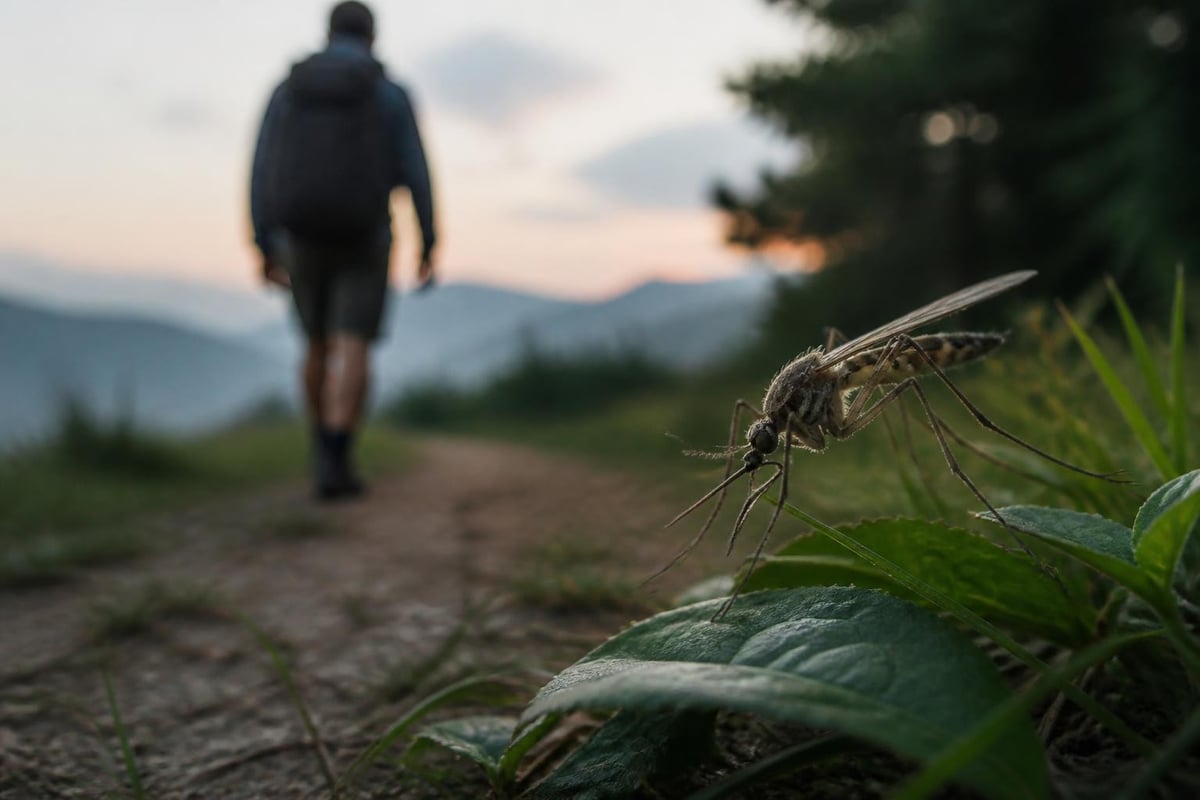
Spatial repellents operate differently. These products release active ingredients into the air or work at ground level to disrupt mosquito hunting behavior. Understanding how mosquitoes detect CO2 from 30 feet away helps explain why scent-masking approaches can effectively protect outdoor spaces. When mosquitoes cannot locate their target through scent cues, they drift past rather than landing.
Chemical Versus Natural Active Ingredients
The debate between chemical and natural repellents centers on efficacy, duration, and safety concerns. Synthetic options like DEET (N,N-diethyl-meta-toluamide) have decades of proven performance but raise questions for families worried about chemical exposure near children and pets. The EPA's repellent guidance provides detailed safety information for registered products.
Natural alternatives include plant-derived compounds such as:
- Geraniol: extracted from geranium and rose oils
- Citronella: distilled from lemongrass species
- Peppermint oil: produces strong aromatic compounds mosquitoes avoid
- Eugenol: clove-derived compound with repellent properties
- Oil of lemon eucalyptus (OLE): PMD-based natural repellent
These botanical ingredients offer DEET-free protection, though duration and effectiveness vary significantly between formulations. For homeowners seeking environmentally friendly mosquito spray alternatives, understanding active ingredient concentration and delivery method proves essential.
Yard Application Methods Compared
Different yard treatment approaches serve distinct purposes and living situations. The best mosquitoes repellent for yard spaces depends on coverage needs, aesthetic preferences, and maintenance commitment.
| Method | Coverage | Duration | Skin Contact | Pet Considerations |
|---|---|---|---|---|
| Topical sprays | Per person | 2-8 hours | Required | Avoid contact |
| Ground beads | Up to 1,000 sq ft | 1-2 days peak | None | Safe when used as directed |
| Misting systems | Whole yard | Hours | Potential drift | Keep away during spray |
| Barrier treatments | Perimeter | 3-4 weeks | None | Wait for dry-down |
| Citronella candles | 3-6 feet radius | While burning | None | Flame hazard |
Ground-Applied Scent Masking Solutions
Ground-level repellents represent an emerging category that addresses common homeowner frustrations. These products eliminate the need for guests to apply sticky substances before sitting down. Instead of protecting individual people, they protect the entire gathering space.
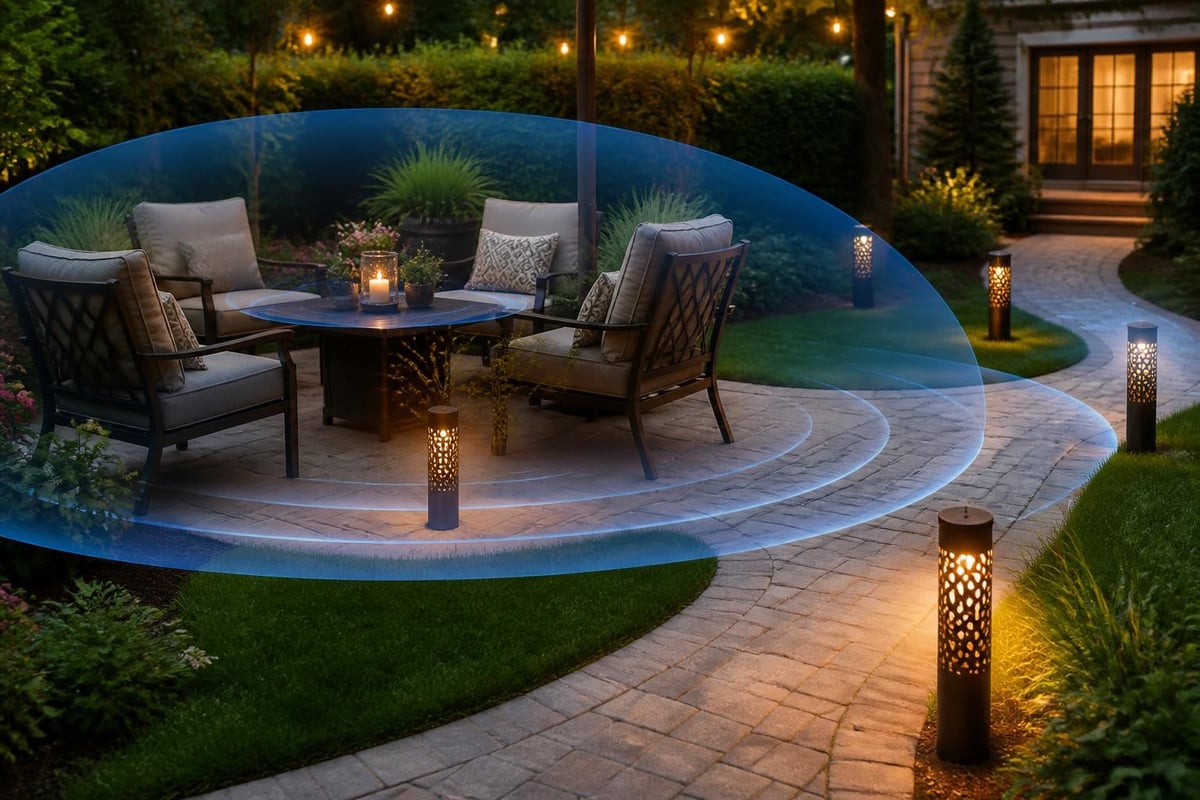
Biodegradable bead formulations infused with essential oil blends work by releasing aromatic compounds at ground level where mosquitoes hunt for scent trails. Since mosquitoes track scent at ground level, masking those detection cues prevents them from locating targets effectively.
The application process could not be simpler: pour the beads on the ground around seating areas, under tables, or along pathway edges. No flame required. No spray bottle. No asking dinner guests to coat themselves in repellent. This approach particularly appeals to the outdoor sanctuary host who refuses visual clutter on a beautifully set table and worries about chemical residue where children play and pets roam.
Automated Misting and Fogging Systems
Professional-grade misting systems installed around yard perimeters offer hands-free operation through programmable timers. These systems typically use pyrethrin-based insecticides or essential oil formulations sprayed through nozzle networks.
The American Mosquito Control Association evaluates misting systems and notes concerns about pesticide resistance, non-target insect impact, and the need for proper installation. Costs range from two thousand to five thousand dollars for installation plus ongoing maintenance and chemical refills.
While convenient, automated misters create a visible infrastructure that some homeowners find unappealing. The systems also require careful timing to avoid spraying during pollinator activity periods, as Penn State Extension recommends for pollinator-friendly mosquito control.
Barrier Spray Services
Professional mosquito control companies offer monthly barrier treatments that apply synthetic pyrethroids or natural pyrethrin to vegetation, fences, and structural surfaces. Technicians target mosquito resting spots, creating treated zones that kill or repel mosquitoes for weeks.
Effectiveness depends on weather conditions, vegetation density, and mosquito pressure. Rain degrades treatments, requiring reapplication. The best mosquitoesRepellent for yard perimeter protection typically combines barrier sprays with habitat reduction for comprehensive control.
Homeowners should weigh professional service costs against DIY alternatives. Monthly contracts often run eighty to one hundred fifty dollars depending on property size and regional pricing.
Integrated Mosquito Management for Yards
The most successful yard mosquito control combines multiple strategies rather than relying on a single product. The UC Statewide IPM program advocates for integrated pest management that addresses mosquito breeding sites while protecting beneficial insects.
Source Reduction Fundamentals
Eliminating standing water remains the most critical mosquito control measure. Female mosquitoes require water to lay eggs, and even small containers provide sufficient breeding habitat.
Weekly inspection and maintenance tasks include:
- Empty birdbaths, pet water bowls, and plant saucers
- Clear roof gutters of debris that traps water
- Drill drainage holes in tire swings and trash can lids
- Cover rain barrels with fine mesh screens
- Maintain swimming pools with proper chlorination
- Fix leaking outdoor faucets and hose connections
For unavoidable water features like ornamental ponds, the EPA recommends Bti larvicides that target mosquito larvae without harming fish, birds, or beneficial insects. Bacillus thuringiensis israelensis (Bti) dunks placed in standing water prevent larvae from developing into biting adults.
Landscape Modifications That Reduce Mosquitoes
Strategic landscaping choices impact mosquito populations significantly. Adult mosquitoes rest in dense vegetation during daylight hours, emerging at dusk to feed. Reducing these harborage areas makes yards less hospitable.
Consider these landscape adjustments:
- Trim shrubs and bushes to increase airflow and reduce humid microclimates
- Mow lawn regularly since mosquitoes avoid open, sunny areas
- Remove leaf litter and grass clippings where moisture accumulates
- Create air circulation with strategically placed fans on patios
Ground-level air movement proves particularly effective. Mosquitoes are weak fliers, and even gentle breezes disrupt their flight patterns. Ceiling fans rated for outdoor use can create mosquito-free zones on covered patios.
Natural Versus Synthetic: Making the Right Choice
The best mosquitoes repellent for yard use aligns with your household priorities. Families with young children and pets often prioritize natural formulations to minimize chemical exposure. Others value maximum efficacy regardless of ingredient origin.
Evaluating Natural Product Claims
The natural mosquito repellent market has expanded dramatically, but not all botanical products deliver equivalent performance. Consumer Reports testing of yard protection strategies reveals significant variance in natural product effectiveness.
Key factors influencing natural repellent performance:
- Essential oil concentration: Higher concentrations generally improve efficacy
- Carrier system: How oils are suspended and released affects duration
- Application coverage: Even distribution across the target area
- Weather resistance: Some formulations degrade rapidly in heat or moisture
Products combining multiple essential oils often outperform single-ingredient formulations. Geraniol, citronella, peppermint, eugenol, cornmint, and rosemary oils work synergistically when properly blended. Each compound targets different aspects of mosquito sensory systems, creating a more comprehensive scent-masking effect.
For those seeking the best organic bug repellent for yard spaces, examining third-party testing results and ingredient transparency matters more than marketing claims. Look for products that disclose specific active ingredient percentages and provide clear application instructions.
Understanding DEET-Free Advantages
DEET remains the gold standard for personal mosquito protection in wilderness settings, but yard applications present different priorities. The suburban homeowner hosting outdoor dinners faces distinct challenges compared to a backpacker in mosquito-dense wilderness.
DEET-free approaches offer several advantages for yard use:
| DEET Sprays | DEET-Free Ground Applications |
|---|---|
| Sticky, greasy skin feel | Nothing applied to skin |
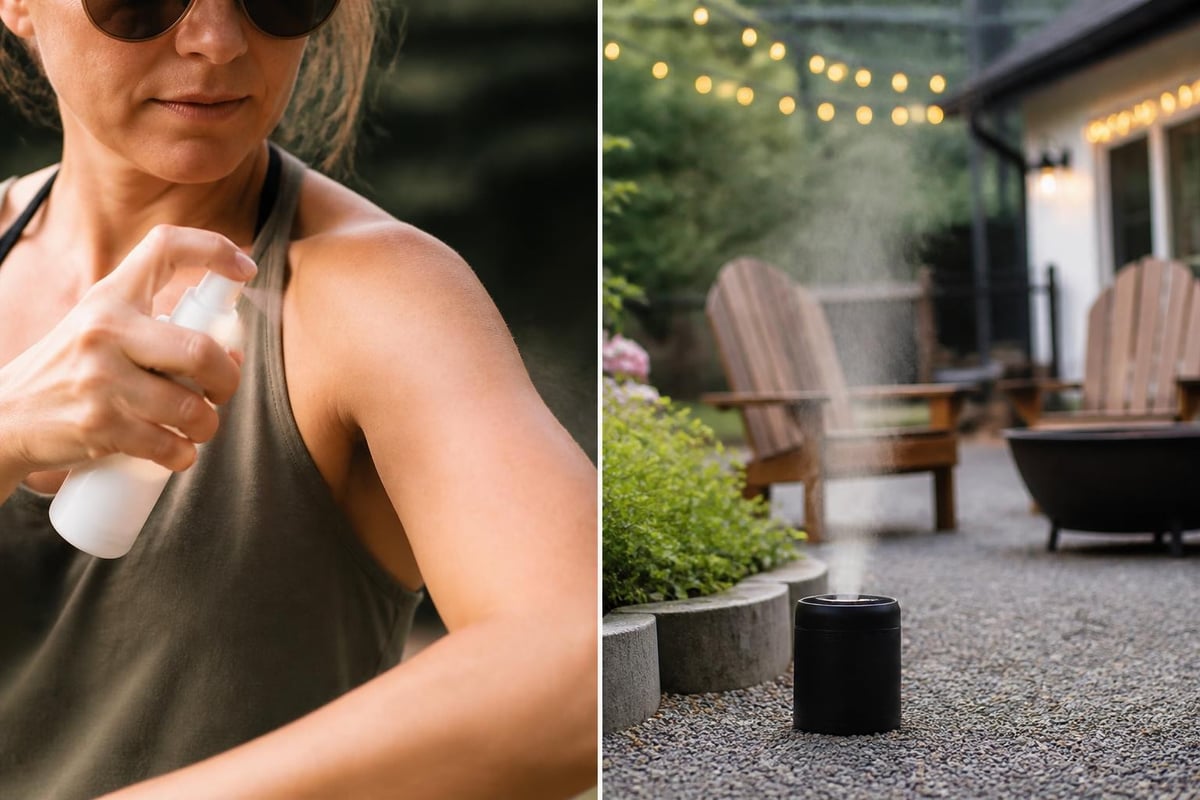
| Individual protection only | Protects entire gathering space |
| Reapply every 4-8 hours | Peak performance 1-2 days |
| Cannot ask guests to spray | Guests arrive to protected area |
| Potential fabric damage | No contact with furniture or clothing |
| Strong chemical odor | Natural essential oil aroma |
The shift from wearable to spatial protection fundamentally changes the outdoor entertaining experience. Rather than maintaining personal repellent applications, hosts prepare the space itself. This approach particularly benefits natural mosquito repellent patio environments where aesthetics and comfort matter as much as effectiveness.
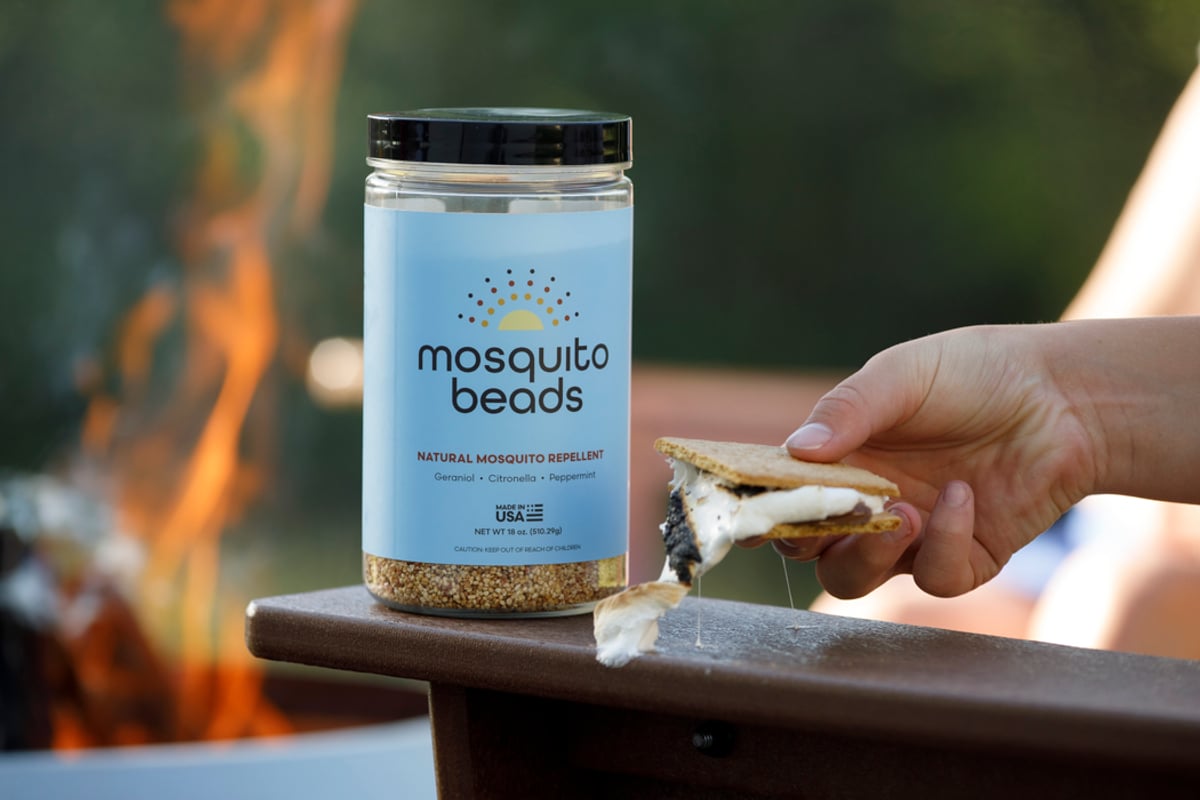
Biodegradable ground-applied beads infused with six essential oils offer a compelling DEET-free solution. These formulations work through scent-masking at ground level where mosquitoes hunt for human targets. Pour the beads where people gather, and the released aromatic compounds interfere with mosquito scent detection. Mosquitoes drift past rather than landing because they cannot locate their targets.
Coverage Area and Application Frequency
Determining appropriate coverage for your yard depends on several variables including property size, mosquito pressure, and primary gathering zones. Most homeowners need focused protection for specific areas rather than treating entire properties.
Calculating Your Protection Needs
Start by identifying high-priority zones where family and guests spend time. Typical residential applications include:
- Patio dining areas: 200-400 square feet
- Pool decks and lounging zones: 400-800 square feet
- Outdoor kitchen and bar areas: 150-300 square feet
- Play equipment and lawn game spaces: 300-500 square feet
An 18-ounce container of quality ground-applied repellent typically covers up to one thousand square feet with peak performance during the first two days. For smaller spaces like balconies or game-day seating, five-ounce portable sizes cover approximately three hundred square feet.
Timing Applications for Maximum Effectiveness
Mosquito activity follows predictable patterns based on species and environmental conditions. Most yard mosquitoes feed most actively during dawn and dusk periods when temperatures moderate and humidity rises. Understanding these patterns helps time applications for best results.
Apply yard repellents:
- Late afternoon before evening gatherings for immediate protection
- Morning of multi-day events to establish coverage
- After rain or heavy watering when previous applications wash away
- During peak mosquito season in your region (varies by climate)
The best mosquitoes repellent for yard use maintains effectiveness through typical evening entertainment periods without requiring mid-party reapplication. Products offering one to two days of peak performance align well with weekend entertaining schedules.
Special Considerations for Pet-Friendly Yards
Households with dogs and cats require extra attention to product safety and application methods. Pets encounter yard treatments differently than humans, often lying directly on treated surfaces and grooming their paws after outdoor time.
Pet-Safe Active Ingredients
Not all natural ingredients are automatically pet-safe. Essential oils can affect animals differently than humans, particularly cats with their unique liver metabolism. When selecting yard mosquito repellents, verify pet-safety claims and follow usage directions carefully.
Generally recognized pet-friendly approaches when used as directed include:
- Corn-based biodegradable carriers that break down naturally
- Diluted essential oil blends at appropriate concentrations
- Ground-applied scent masking that pets do not contact directly
- Barrier treatments after proper dry-down periods
Avoid applying any repellent directly to pet fur or allowing pets into freshly treated areas until products set properly. The American Mosquito Control Association guidance recommends keeping pets indoors during professional spray applications and waiting for complete surface drying before allowing access.
Creating Pet and Child Safe Zones
The outdoor sanctuary host with young children and pets needs yard protection that does not compromise safety. Ground-applied natural repellents that work through scent interference rather than toxic mechanisms offer an elegant solution. Since the product disperses aromatic compounds from ground level rather than requiring skin contact, there is nothing for children to touch or pets to lick.
For additional peace of mind:
- Store repellent containers in locked cabinets away from curious hands
- Apply products when children and pets are indoors until settled
- Choose DEET-free formulations to eliminate synthetic chemical exposure
- Monitor for any sensitivity reactions during first use, though rare with natural formulations
Understanding how to protect your space from mosquitoes while maintaining a safe environment for all family members requires balancing effectiveness with ingredient transparency.
Regional Considerations and Climate Factors
Mosquito species, population density, and seasonal patterns vary dramatically by region. The best mosquitoes repellent for yard use in humid Houston differs from optimal choices in temperate Kansas or tropical Florida environments.
High-Humidity Regions
Southern states and coastal areas face intense mosquito pressure with extended breeding seasons. Heat and humidity create ideal conditions for multiple mosquito generations per year. Homeowners in these regions often battle mosquitoes from March through November.
High-humidity climate strategies include:
- More frequent applications during peak season
- Higher concentration formulations for aggressive mosquito populations
- Combination approaches using source reduction plus spatial repellents
- Professional barrier treatments for perimeter protection
Ground-based scent masking performs particularly well in humid conditions where traditional citronella candles struggle. The biodegradable beads continue releasing aromatic oils even in warm, moist air that dissipates smoke and flame-based repellents quickly.
Temperate and Variable Climates
Northern and central states experience distinct mosquito seasons with winter die-off and spring emergence patterns. These regions allow more targeted seasonal protection rather than year-round vigilance.
Temperate zone considerations:
- Concentrate protection during June through September peak months
- Apply after spring rains when standing water creates breeding habitat
- Reduce applications during dry periods with lower mosquito activity
- Winterize water features to prevent spring mosquito emergence
Understanding your local mosquito species and their behavior patterns helps optimize treatment timing and product selection.
Cost Analysis and Value Comparison
Mosquito control represents an ongoing expense throughout warm months. Evaluating true cost requires considering product price, coverage area, application frequency, and convenience factors.
Professional Service Costs
Monthly professional barrier spray services typically range from eighty to one hundred fifty dollars depending on property size and regional pricing. Annual contracts for seven-month protection seasons total approximately six hundred to one thousand dollars.
Professional services offer convenience but require recurring payments and schedule coordination. Some homeowners prefer DIY approaches that provide control over timing and product selection.
DIY Product Economics
Ground-applied natural repellents offer cost-effective protection when properly used. An 18-ounce container covering one thousand square feet with peak effectiveness for two days provides approximately fifteen to twenty applications per container depending on coverage area needs.
Compared to purchasing individual spray bottles for every family member and guest, spatial protection products deliver superior value. One application protects everyone in the treated area without asking guests to spray down before sitting.
For detailed cost breakdowns, review comparing costs of natural mosquito repellents versus professional services to understand long-term investment implications.
Making the Final Selection
Choosing the best mosquitoes repellent for yard use requires matching product characteristics to your specific situation. Consider these factors when evaluating options:
Coverage area needs: Measure your primary outdoor living spaces to ensure adequate product quantity.
Application method preferences: Decide whether you prefer spray bottles, ground-applied beads, misting systems, or professional services.
Chemical versus natural priorities: Determine your household's comfort level with synthetic versus botanical ingredients.
Pet and child safety requirements: Select formulations appropriate for your family composition.
Aesthetic considerations: Choose solutions that align with your outdoor design preferences.
Maintenance commitment: Match product reapplication frequency to your schedule and effort tolerance.
The ideal yard mosquito repellent delivers reliable protection without compromising your outdoor sanctuary's comfort, appearance, or safety. For homeowners who have grown tired of sticky sprays and smoky candles, ground-applied scent-masking beads offer a fresh approach. These biodegradable formulations protect the entire gathering space through essential oil blends that mask human scent at ground level. Simply pour where people sit and enjoy mosquito-reduced evenings without asking guests to apply anything to their skin.
Effective yard mosquito control combines smart habitat management with appropriate repellent selection for your specific needs. Whether you choose natural ground-applied solutions, professional barrier treatments, or integrated approaches, the key is consistency and proper application. Mosquito Beads offer a simple, natural alternative for protecting your outdoor sanctuary. Pour biodegradable beads infused with six essential oils on the ground where you gather, and the scent-masking formula works at ground level where mosquitoes hunt. Nothing on your skin, no flame, no sticky spray, just protected space for you, your family, and your guests to enjoy.