

Best Mosquito Repellent: Natural, Safe & Effective Options
Finding the best mosquito repellent has never been more important for families who want to reclaim their outdoor spaces without compromise. Between sticky sprays, chemical concerns, and products that barely last an hour, most homeowners have tried everything from DEET bottles to citronella candles with mixed results. The right solution balances proven effectiveness with safety for children, pets, and the environment while actually fitting into how you live outdoors. This guide examines what makes a mosquito repellent truly effective, compares the main categories available in 2026, and helps you choose based on your specific needs rather than marketing claims.
How Mosquitoes Find Their Targets
Understanding how mosquitoes hunt is essential for evaluating any repellent product. Mosquitoes rely primarily on scent detection, tracking carbon dioxide from as far as 30 feet away and then honing in on body heat, sweat compounds, and other chemical signatures humans emit. They operate at ground level during their approach, sampling air currents near the surface before committing to a landing.
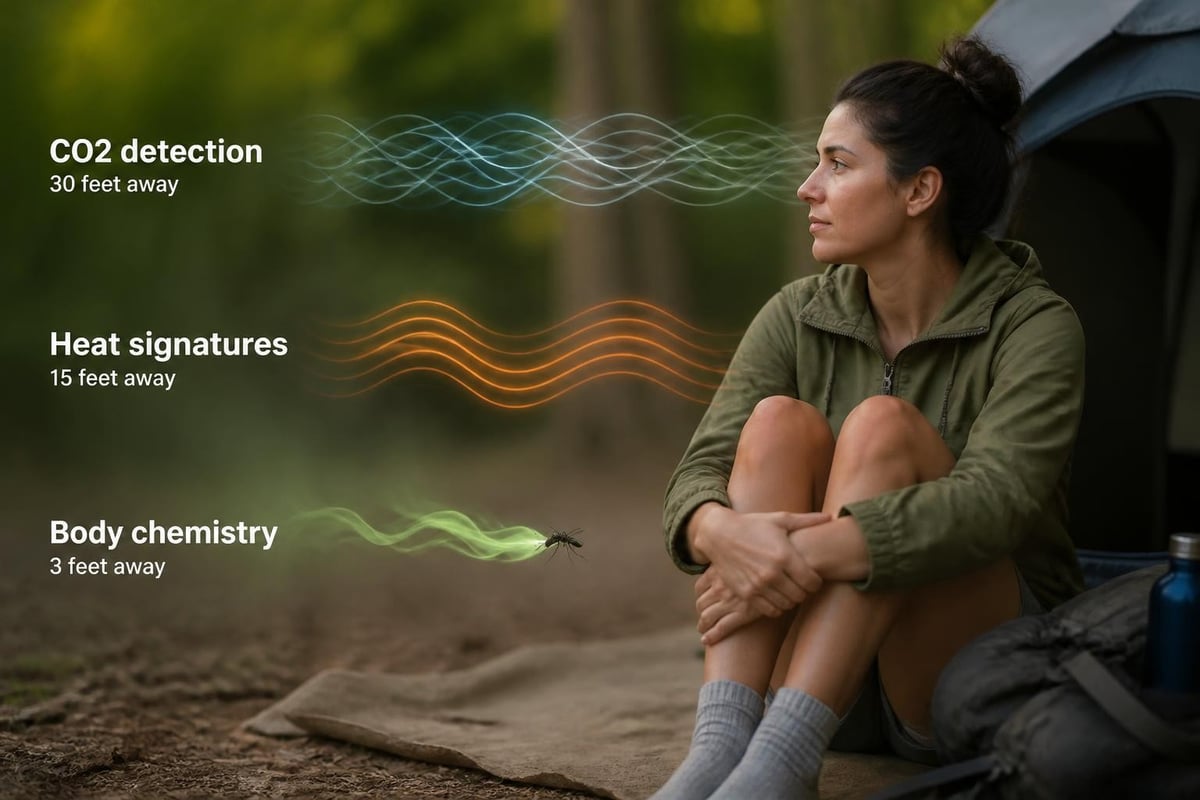
This hunting behavior explains why different repellent approaches work differently. Wearable sprays create a chemical barrier on skin that mosquitoes find unpleasant when they get close. Spatial repellents work by dispersing compounds into the air throughout an area. Ground-based scent-masking solutions interrupt the hunting process at the earliest detection stage, preventing mosquitoes from identifying targets in the first place.
The Science Behind Repellent Mechanisms
Research on mosquito sensory systems reveals that repellents function through several distinct pathways. Some ingredients overstimulate olfactory receptors, making it difficult for mosquitoes to process scent information. Others block specific receptor sites mosquitoes use to detect human markers. A third category masks the volatile compounds mosquitoes associate with a meal, essentially making people invisible to their detection systems.
The best mosquito repellent for your situation depends on matching the mechanism to your environment and usage pattern. A hiker moving through mosquito habitat faces different challenges than a family hosting dinner on a patio. One person needs portable protection that moves with them. The other needs area coverage that protects multiple people in a fixed location without asking guests to apply products.
Comparing Repellent Categories and Active Ingredients
The mosquito repellent market divides into several distinct categories, each with specific advantages and limitations. Understanding these differences helps you move past marketing language to select products that actually solve your problem.
DEET-Based Synthetic Repellents
DEET remains the gold standard for individual protection in high-risk environments. The EPA recognizes DEET as highly effective, with concentrations between 10% and 30% providing protection for two to six hours depending on conditions. DEET works by interfering with mosquito olfactory receptors, making it difficult for them to locate landing sites on treated skin.
| Feature | DEET 10-15% | DEET 20-30% | DEET 40%+ |
|---|---|---|---|
| Duration | 2-3 hours | 4-6 hours | 6-8 hours |
| Best use | Low-risk areas | Moderate exposure | High mosquito density |
| Reapplication | Frequent | Moderate | Less frequent |
| Skin feel | Somewhat greasy | Greasy, plasticizes | Very greasy |
The drawbacks center on user experience and chemical exposure concerns. DEET feels sticky and greasy on skin, damages synthetic fabrics and plastics, and requires careful application away from eyes and mucous membranes. Many parents hesitate to apply DEET to children regularly, especially when hosting neighborhood gatherings where asking other families to spray down feels awkward.
Picaridin and IR3535 Alternatives
Picaridin emerged as a DEET alternative with similar effectiveness but better cosmetic properties. At 20% concentration, picaridin provides protection comparable to DEET without the greasy residue or fabric damage. IR3535, derived from an amino acid, offers another synthetic option with a gentler profile suitable for sensitive skin.
Both ingredients require skin application and regular reapplication, though picaridin feels less objectionable than DEET. The fundamental limitation remains: these are wearable repellents designed to protect one person at a time. They excel for individual protection during activities like hiking or yard work but become impractical for protecting an entire patio gathering.
Oil of Lemon Eucalyptus and Plant-Derived Repellents
Plant-based active ingredients have gained recognition for effectiveness. PMD (para-menthane-3,8-diol), the active compound in oil of lemon eucalyptus, performs comparably to low-concentration DEET in clinical trials. Consumer Reports testing confirms that OLE-based products provide reliable protection for two to three hours.
Essential oil repellents containing citronella, geraniol, peppermint, rosemary, and other botanicals occupy a separate regulatory category. These 25(b) minimum-risk products offer varying effectiveness depending on formulation, concentration, and delivery method. While pure essential oils applied to skin rarely last more than 30 to 60 minutes, formulations that work through spatial scent-masking can maintain protection across multi-day applications.
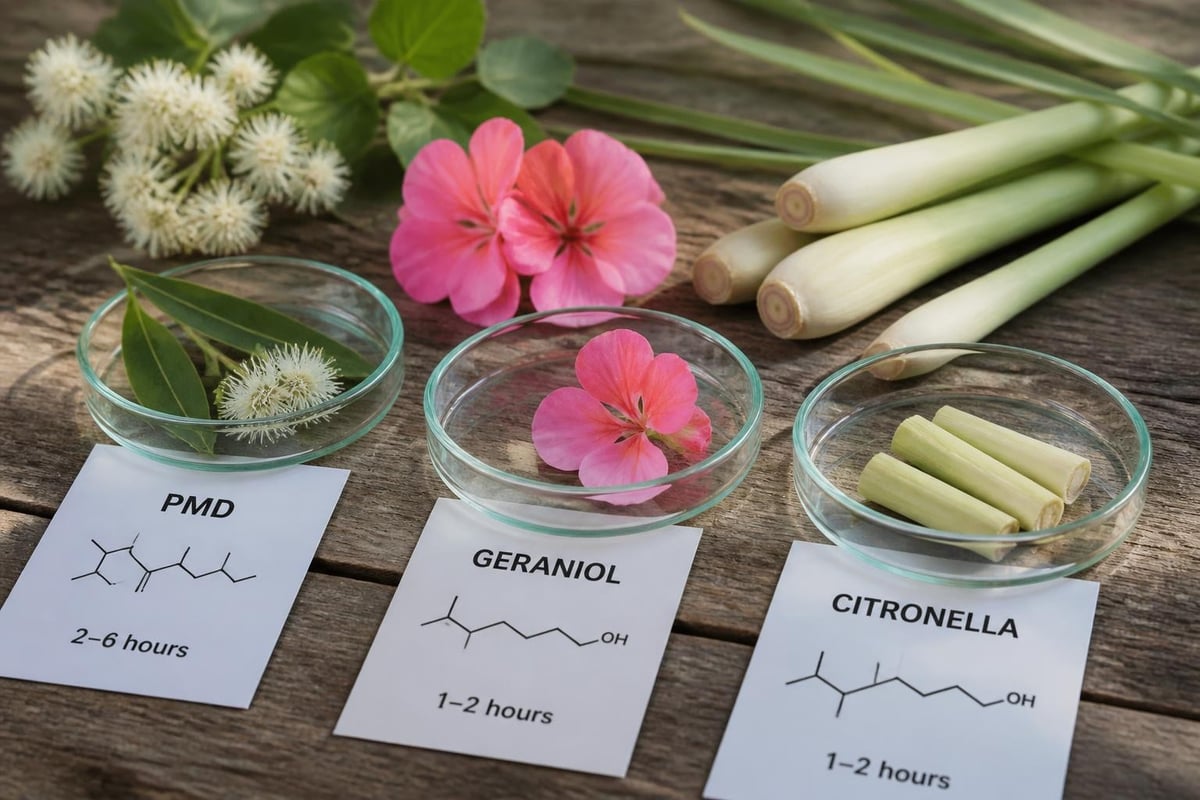
The distinction between wearable essential oil sprays and ground-applied scent-masking systems matters significantly. A spray bottle of diluted citronella applied to skin evaporates within an hour. Biodegradable beads that slowly release multiple essential oils at ground level create a scent barrier that disrupts mosquito hunting for days.
Spatial Protection vs. Personal Application
The best mosquito repellent strategy often involves choosing between personal and spatial protection based on your specific scenario. This choice affects convenience, coverage area, chemical exposure, and overall effectiveness.
Individual Wearable Protection
Sprays, lotions, and wipes applied directly to skin provide reliable protection for the treated person. They work well for:
- Solo outdoor activities
- Travel to high-risk mosquito areas
- Situations requiring guaranteed individual protection
- Short-duration exposure
The limitations become apparent in group settings. Asking dinner guests to spray DEET or picaridin before joining you on the patio creates an awkward hosting moment. Children resist reapplication. Pets cannot use skin-applied products safely. The protection radius ends at the individual, leaving untreated areas of your outdoor space exposed.
Area-Wide Spatial Solutions
Spatial mosquito control protects the space rather than individual people. Options range from citronella candles and coils to thermacell devices and ground-applied granular products. University of California IPM guidance emphasizes integrated approaches that combine habitat reduction with area protection methods.
Key advantages of spatial protection:
- Protects everyone in the treated area simultaneously
- No skin application required
- Guests need not take any action
- Pet-friendly options available
- Better suited for stationary outdoor living
Traditional spatial solutions like citronella candles provide minimal protection beyond a few feet and require active flames. Professional mosquito misting systems deliver pyrethroid insecticides on timed schedules, raising concerns about beneficial insect impacts and chemical exposure near food preparation areas.
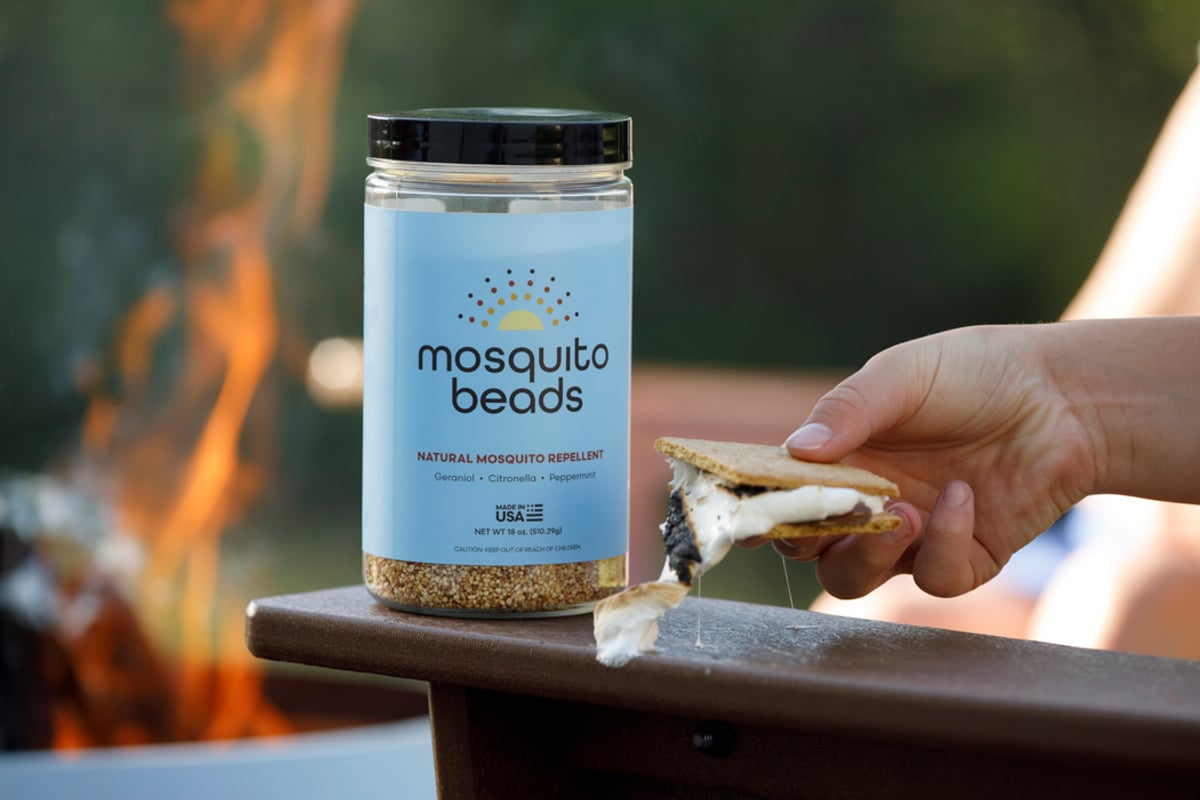
Ground-applied biodegradable granules represent an evolution in spatial protection. By releasing essential oil blends at ground level where mosquitoes hunt, these products create a scent-masking zone that makes it difficult for mosquitoes to detect people in the protected space. Natural Mosquito Repellent options using this approach deliver multi-day protection without flames, electricity, or skin contact, addressing the core concerns of families who want chemical-free outdoor entertaining.
Effectiveness Factors and Real-World Performance
Laboratory effectiveness and real-world performance often diverge significantly. The best mosquito repellent in controlled conditions may underperform in your specific environment due to factors testing protocols cannot replicate.
Environmental Variables That Impact Performance
Temperature, humidity, wind, and mosquito species all affect how well any repellent works. High temperatures increase evaporation rates for wearable products, shortening protection time. Wind disperses spatial repellents but also disrupts mosquito flight patterns, creating complex interactions. Different mosquito species show varying sensitivity to specific active ingredients.
Critical performance factors:
- Application density and coverage consistency
- Time since application or activation
- Physical activity level increasing sweat and evaporation
- Competing attractants like food odors or lights
- Local mosquito population density and hunger level
Consumer Reports independent testing provides valuable real-world data showing that identical active ingredients can perform differently across brands due to formulation differences. A 20% picaridin spray from one manufacturer may significantly outperform another brand's 20% picaridin product because of carrier ingredients, droplet size, or adherence properties.
Protection Duration and Reapplication Realities
Manufacturers often cite maximum protection duration under ideal conditions. Real-world use typically delivers 50 to 70% of claimed duration. A product labeled for six-hour protection may realistically provide three to four hours before mosquitoes start landing again.
This gap between claims and experience frustrates users and leads to the common complaint that "nothing works." The product may be working exactly as designed, but user expectations based on packaging claims set them up for disappointment. Understanding realistic protection windows helps you select products matching your actual needs rather than marketing promises.
Ground-applied granular repellents follow a different performance curve. Rather than declining steadily from application, they typically deliver peak performance on days one and two as essential oils release, then gradually decrease over the following week. This pattern better matches how people actually use outdoor spaces: peak activity on weekend evenings with lighter use during the week.
Safety Considerations for Families and Pets
The best mosquito repellent must balance effectiveness with safety, especially for households with children, pets, and concerns about chemical exposure. CDC guidance for travelers provides age-specific recommendations that apply equally to backyard use.
Children and Chemical Exposure
Parents rightfully question the wisdom of regularly applying synthetic chemicals to children's skin. While DEET and picaridin have established safety profiles when used as directed, many families prefer to minimize chemical exposure when alternatives exist. The "as directed" requirement itself creates stress: proper application to squirming toddlers challenges even experienced parents.
Age restrictions vary by product type:
- DEET not recommended under 2 months
- Picaridin safe for all ages per EPA
- OLE not recommended under 3 years
- Essential oil products vary by formulation
Concentration matters as much as ingredient choice. A 10% DEET product applied carefully poses less concern than 30% DEET applied liberally. The challenge emerges during multi-hour outdoor events when reapplication becomes necessary. Each reapplication adds to total chemical exposure.
Pet Safety and Outdoor Spaces
Pet-friendly mosquito protection requires special consideration since dogs and cats share outdoor spaces with families. DEET toxicity in cats makes most conventional repellents inappropriate for homes with feline family members. Dogs tolerate DEET better but should never have it applied directly to their coat.
Ground-applied essential oil products designed for area protection rather than skin application offer advantages for pet owners. When used as directed, biodegradable granules containing geraniol, citronella, peppermint, and rosemary create protected zones without requiring direct pet contact. Pets naturally avoid concentrated areas and can move freely through treated spaces after initial application settles.
| Safety Factor | DEET Spray | Picaridin Spray | Ground Granules |
|---|---|---|---|
| Cat safety | High concern | Moderate concern | Safe when used as directed |
| Dog safety | Moderate concern | Low concern | Safe when used as directed |
| Child skin contact | Direct exposure | Direct exposure | No skin contact |
| Reapplication frequency | Every 2-6 hours | Every 4-6 hours | Every 1-2 days |
Matching Repellent Type to Use Case
Different outdoor scenarios demand different protection strategies. The best mosquito repellent for a camping trip differs fundamentally from the best choice for patio entertaining, and trying to force one solution into every situation leads to poor results.
High-Mobility Activities
Hiking, camping in mosquito-dense areas, fishing, and similar activities where you move through mosquito habitat require wearable protection. Natural mosquito repellent for camping scenarios benefits from a layered approach: treat clothing with permethrin for long-lasting protection, apply a skin repellent to exposed areas, and use ground-applied products at your campsite base.
For these situations, picaridin or DEET sprays provide reliable coverage that moves with you. Higher concentrations justify their drawbacks when mosquito exposure is intense and disease risk is elevated. The goal is preventing bites during movement, not creating a mosquito-free zone.
Stationary Outdoor Living Spaces
Patio mosquito protection presents different requirements. You want to create a comfortable zone where family and guests can relax without constantly reapplying products or sitting in smoke. The space itself becomes the focus rather than individual protection.
Effective patio strategies include:
- Eliminate standing water breeding sites within 100 feet
- Use fans to disrupt mosquito flight at seating height
- Apply ground-based scent-masking products in gathering areas
- Consider residual barrier treatments on vegetation perimeters
- Time outdoor events for lower mosquito activity windows when possible
Ground-applied biodegradable products excel in these settings because they protect the entire entertainment area without requiring guest participation. Pour granules around seating areas, dining tables, and conversation zones to create overlapping protection that lasts through the weekend. No sticky sprays, no open flames, no asking visitors to coat themselves in chemicals before sitting down to dinner.
Youth Sports and Community Events
Parents spending hours at outdoor sports fields face a unique challenge: protecting kids and adults in open areas with unpredictable mosquito pressure. Mosquito protection for sports requires portable solutions that work without asking the entire team to spray down.
Small portable formats of ground-applied products solve this problem elegantly. Set up near team benches, coolers, and spectator seating to create protected pockets. The five-ounce size covers approximately 300 square feet, enough for a team huddle area or family seating section. Parents appreciate not having to spray children every hour while still providing meaningful protection.
Environmental Impact and Sustainability
Environmental consciousness increasingly drives purchasing decisions for mosquito control products. The best mosquito repellent balances personal protection with minimal ecological impact, a goal that requires understanding how different product types affect the broader environment.
Biodegradability and Chemical Persistence
Synthetic repellents like DEET and picaridin persist in the environment after washing off skin or clothing. While not classified as major pollutants, their accumulation in waterways and soil raises questions about long-term effects. Studies detect these compounds in rivers and streams near recreational areas, though concentrations typically remain below toxicity thresholds for aquatic life.
Biodegradable formulations break down through natural processes within days or weeks rather than persisting for months or years. Corn-based granular carriers decompose completely, returning to soil as organic matter. Essential oils evaporate or degrade relatively quickly compared to synthetic alternatives. This shorter environmental half-life reduces accumulation concerns for families using products regularly throughout mosquito season.
Impact on Beneficial Insects
Broad-spectrum insecticides used in professional mosquito misting systems kill mosquitoes but also affect butterflies, moths, bees, and other beneficial insects. Research on integrated pest management emphasizes targeting mosquitoes specifically rather than eliminating all insects from outdoor spaces.
Repellents that work through scent disruption rather than toxicity offer a more selective approach. Mosquitoes drift past protected areas but remain alive to serve their role in food webs supporting birds, bats, and fish. This selectivity appeals to homeowners who value their gardens and want to support pollinator populations while still enjoying mosquito-free evenings.
Making Your Selection Decision
Choosing the best mosquito repellent requires honest assessment of your priorities, typical use patterns, and tolerance for different product characteristics. No single product excels in every category, so identifying your non-negotiables helps narrow options quickly.
Key Decision Framework
Start by answering these fundamental questions:
Protection scenario: Do you need to protect yourself during movement through mosquito habitat, or protect a fixed outdoor space where people gather?
Chemical exposure tolerance: Are you comfortable with DEET and picaridin on skin regularly, or do you prefer avoiding synthetic chemicals when possible?
Application convenience: Will you reliably reapply products every few hours, or do you need longer-lasting protection requiring less intervention?
Number of people: Are you protecting yourself, or creating mosquito-free zones for family and guests?
Pet considerations: Do cats or dogs share your outdoor spaces, limiting certain product types?
Your answers reveal which product categories align with your situation. Someone hiking alone in mosquito-heavy wilderness needs maximum-strength DEET regardless of skin feel. A family hosting weekend patio dinners needs area protection that lasts days without requiring guest participation.
Reading Labels and Understanding Claims
The EPA's repellent finder tool helps decode label claims and identify registered products meeting specific criteria. Pay attention to active ingredient concentration, not just presence. A product listing citronella oil at 1% concentration performs differently than one with 10% citronella.
Protection duration claims require skepticism. Manufacturers test under controlled conditions that rarely match real-world use. Divide claimed duration by two for a realistic estimate, then decide if that performance meets your needs. A product claiming eight-hour protection may realistically deliver four hours, which might be perfect for an evening event but inadequate for an all-day festival.
Understand the difference between EPA registered and 25(b) minimum-risk products. Registration provides standardized testing data and quality controls. Minimum-risk classification under FIFRA allows products using approved low-risk ingredients to skip full EPA registration while still being legal and safe. Neither designation alone guarantees effectiveness, but both provide useful information about regulatory oversight.
Cost Analysis and Value Assessment
Comparing costs across mosquito control approaches reveals significant long-term differences. A six-dollar bottle of DEET spray protects one person for perhaps 10 applications. A professional mosquito service runs $50 to $80 per monthly treatment. Ground-applied granular products covering 1,000 square feet for several days per application fall between these extremes on a cost-per-event basis.
Calculate based on how you actually use outdoor spaces. If you host patio dinners twice weekly through mosquito season (roughly 24 weeks), you need approximately 48 effective protection periods. Wearable sprays might require one bottle per person per season at $6 each. Ground products might need 12 applications at $20 each. Professional service totals roughly $480 per season. The math changes dramatically based on number of people protected and frequency of use.
Alternative and Complementary Approaches
The best mosquito repellent strategy often combines products with habitat management and behavioral modifications. Comprehensive mosquito protection layers multiple interventions rather than relying on a single solution.
Source Reduction and Habitat Management
Eliminating mosquito breeding sites reduces population pressure more effectively than any repellent. Walk your property weekly during mosquito season looking for standing water. Dump bird baths, check gutter drainage, empty plant saucers, and remove debris that collects rainwater. A single bottle cap of stagnant water can breed dozens of mosquitoes.
Container mosquitoes like Aedes aegypti and Aedes albopictus complete their life cycle in tiny water volumes close to human habitation. Unlike wetland mosquitoes that breed in natural areas beyond your control, container breeders respond dramatically to aggressive source reduction. Reducing the breeding population means fewer mosquitoes to repel.
Clothing and Physical Barriers
Long sleeves, pants, and closed shoes reduce exposed skin requiring repellent coverage. Permethrin-treated clothing provides an additional defense layer that lasts through multiple wash cycles. Some outdoor enthusiasts treat their favorite patio entertaining outfits with permethrin before season starts, creating wearable protection that requires no reapplication.
Mosquito netting over strollers, screen rooms for patios, and strategic fan placement create physical or aerodynamic barriers. Mosquitoes are weak fliers struggling in wind speeds above six miles per hour. A simple box fan aimed across seating areas disrupts their approach patterns while providing welcome cooling on humid evenings.
Timing and Behavioral Modifications
Mosquito activity peaks at dawn and dusk, though some species feed throughout the day. Scheduling outdoor activities for mid-afternoon when possible reduces exposure. When evening events are unavoidable, starting after the initial dusk feeding frenzy passes (about 45 minutes after sunset) can reduce bite pressure significantly.
Understanding what attracts mosquitoes helps minimize drawing them in. Dark clothing, especially navy, black, and red, attracts more mosquitoes than lighter colors. Reducing carbon dioxide output is impractical, but being aware that exercise and alcohol consumption both increase CO2 exhalation helps explain why mosquitoes become more aggressive during active entertaining.
Choosing the best mosquito repellent comes down to matching protection method to your specific outdoor lifestyle and priorities. Whether you need wearable coverage for wilderness adventures or area protection for weekend entertaining, effective options exist across the spectrum from synthetic to natural formulations. For families seeking chemical-free patio protection that keeps guests comfortable without sticky sprays or open flames, Mosquito Beads offers ground-applied scent-masking that protects your space for days at a time. Pour where you gather, skip the reapplication cycle, and reclaim your outdoor sanctuary from mosquitoes without compromise.