

Plants to Prevent Mosquitoes: What Actually Works
Every spring, garden centers fill their shelves with plants marketed as mosquito repellents. The promise sounds perfect: add a few attractive plants to your patio, enjoy beautiful greenery, and never swat another mosquito. The reality is more nuanced. While certain plants contain compounds that mosquitoes dislike, simply planting them in your yard rarely provides meaningful protection. Understanding what plants to prevent mosquitoes can actually accomplish versus what marketing suggests requires a closer look at how these plants work and where they fit into a comprehensive outdoor comfort strategy.
The Science Behind Mosquito-Repelling Plants
Plants produce essential oils as a natural defense mechanism against insects and herbivores. Many of these compounds have documented mosquito-repellent properties when extracted and concentrated. Research published in peer-reviewed journals demonstrates that essential oils from citronella, lemon eucalyptus, peppermint, rosemary, and other botanicals can repel mosquitoes effectively when applied properly.
The challenge lies in concentration and delivery. A living plant releases these oils in extremely low quantities, usually only when leaves are crushed or damaged. The volatile compounds quickly dissipate into the air rather than forming a protective barrier. Clemson University extension experts explain that the concentration of essential oils released by intact plants is typically too dilute to provide meaningful protection beyond a few inches from the foliage.
How Essential Oils Actually Work
When extracted and concentrated, essential oils interfere with mosquito sensory receptors. Mosquitoes hunt primarily by detecting carbon dioxide, body heat, and human scent markers. Certain botanical compounds mask these attractants or confuse mosquito olfactory systems. The EPA recognizes several plant-derived active ingredients as effective repellents when formulated at appropriate concentrations, including oil of lemon eucalyptus, citronella oil, and catnip oil.
However, this effectiveness depends entirely on application method and concentration. A bottle of pure citronella oil contains hundreds of times more active compound than the same volume of citronella plant leaves. This concentration gap explains why citronella candles provide modest protection while a citronella plant five feet away offers virtually none.

Common Plants Marketed for Mosquito Prevention
Garden retailers promote dozens of plant varieties as natural mosquito deterrents. Most contain genuinely repellent compounds but face the fundamental limitation of concentration and delivery. Here are the most common options and what they actually offer.
Citronella Grass
True citronella grass (Cymbopogon nardus and Cymbopogon winterianus) is the source of commercial citronella oil. The plant grows in large clumps, reaching four to six feet tall in warm climates. While it contains the same compounds found in citronella candles and sprays, the intact plant releases minimal amounts into surrounding air.
Realistic expectations:
- Provides no measurable repellent effect unless leaves are crushed
- Requires tropical or subtropical climate (zones 10-12)
- Works as an attractive ornamental grass
- Offers no advantage over non-citronella grasses for mosquito control
Lavender
Lavender (Lavandula species) produces fragrant oils containing linalool and other compounds mosquitoes dislike. The plant thrives in well-drained soil and full sun, making it an excellent addition to many landscapes. Its purple flowers attract pollinators while the aromatic foliage appeals to gardeners.
| Aspect | Reality |
|---|---|
| Repellent effect from living plant | Minimal to none beyond direct contact |
| Extracted oil effectiveness | Moderate when applied topically |
| Landscape value | High for aesthetics and pollinators |
| Maintenance requirement | Low in appropriate climate |
Rosemary
This Mediterranean herb contains camphor, cineole, and other volatile oils with documented insect-repelling properties. Rosemary grows as a perennial shrub in mild climates and serves culinary purposes alongside ornamental value. The woody branches release more fragrance when brushed or trimmed but still lack the concentration needed for meaningful mosquito deterrence.
Marigolds
Marigolds (Tagetes species) contain pyrethrum, a compound used in many commercial insecticides. Despite widespread marketing claims, University of Florida extension specialists debunk the notion that planting marigolds around your patio will reduce mosquito activity. The pyrethrum concentration in living plants is far too low, and mosquitoes readily fly over or around marigold borders.
Catnip
Catnip (Nepeta cataria) produces nepetalactone, which studies show can be more effective than DEET when properly extracted and formulated. The living plant, however, faces the same concentration challenges as other candidates. Additionally, if you have cats, planting catnip may create an entirely different outdoor entertainment issue.
What University Extension Services Say About These Plants
Multiple state university extension programs have addressed the persistent myths surrounding plants to prevent mosquitoes. University of Nebraska-Lincoln extension published a comprehensive factsheet that acknowledges the appeal of botanical mosquito solutions while emphasizing realistic expectations.
These research-backed sources consistently note several key points:
-
Passive planting provides minimal protection. Simply having these plants in your landscape will not noticeably reduce mosquito bites.
-
Crushing or burning releases more compounds. Rubbing rosemary or lavender leaves on skin provides short-term, localized protection. Burning herbs creates smoke that temporarily disperses mosquitoes.
-
Proper mosquito management requires multiple strategies. Relying solely on plants while ignoring standing water, peak activity times, and other factors will leave you disappointed.
-
Some plants create mosquito habitat. Ornamental ponds, birdbaths near plantings, and dense foliage that holds moisture can attract more mosquitoes than the plants theoretically repel.
Strategic Use of Mosquito-Repelling Plants
While plants alone will not solve your mosquito problem, they can play a supporting role in a comprehensive strategy. The key is understanding their limitations and integrating them thoughtfully rather than expecting them to work independently.
Create Sensory Barriers with High-Oil Varieties
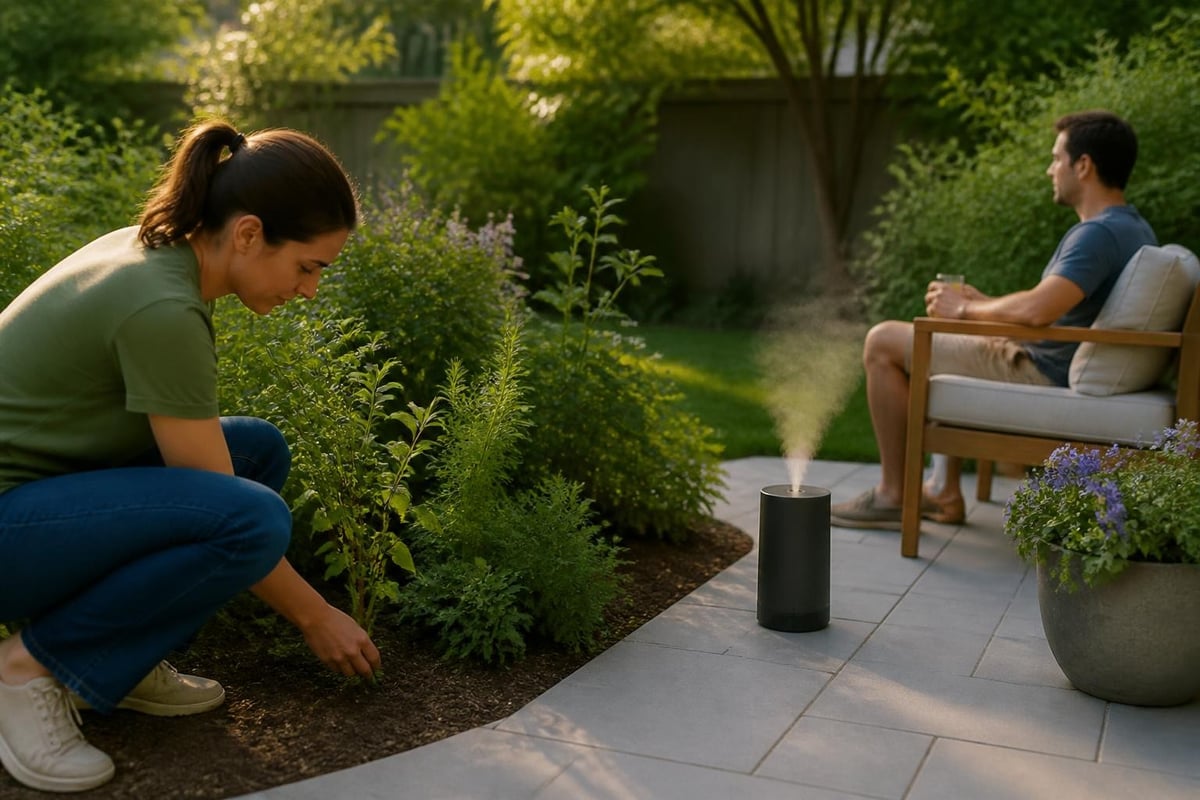
Position aromatic plants where people will naturally brush against them. Plant rosemary along pathway edges, lavender beside patio steps, or mint near seating areas where foot traffic will release oils. This approach maximizes the minimal volatile release these plants produce.
Grow Your Own Repellent Ingredients
Rather than expecting the plants to repel mosquitoes directly, grow herbs you can harvest for DIY preparations. Fresh rosemary, mint, and basil leaves can be crushed and rubbed on skin for short-term protection during quick outdoor tasks. This gives you control over concentration and application.
Consider these practical applications:
- Toss fresh rosemary or sage sprigs on hot grill coals for aromatic smoke
- Steep crushed herbs in witch hazel to create a simple spray
- Fill small sachets with dried lavender and peppermint to place near seating
- Keep potted herbs on tables where guests can crush leaves if desired
Combine with Effective Ground-Level Protection
Plants work best when paired with solutions that address how mosquitoes actually hunt. Mosquitoes track human scent from ground level, where carbon dioxide and other attractants settle. Understanding how mosquitoes detect their targets helps explain why perimeter planting provides minimal benefit while ground-level scent masking proves more effective.
Modern approaches focus on disrupting mosquito hunting behavior at the point where they search for landing zones. Rather than applying sticky sprays to every person or hoping distant plants will create a protective bubble, you can mask the scent markers mosquitoes track at ground level throughout your entire patio space.

For homeowners seeking a no-spray alternative that protects the whole gathering space rather than requiring each guest to apply something sticky, Natural Mosquito Repellent offers a different approach. Pour biodegradable beads infused with geraniol, citronella, peppermint, rosemary, eugenol, and cornmint oils on the ground where people gather. The concentrated essential oil blend masks human scent at the level where mosquitoes hunt, so they drift past instead of landing. Nothing touches skin, no flame or smoke, and the beads protect the space for everyone.
Plants That Actually Make Mosquito Problems Worse
Some popular landscape choices inadvertently create ideal mosquito breeding habitat, negating any theoretical repellent benefit. Mosquitoes require standing water for reproduction, and certain plants hold water or create conditions that encourage moisture accumulation.
Water-Holding Plants and Features
Bromeliads, pitcher plants, and large-leafed tropicals naturally collect water in their foliage. Each water-filled leaf axil becomes a potential mosquito nursery. Similarly, bamboo stumps cut horizontally rather than at an angle hold rainwater and provide perfect breeding sites.
Ornamental grasses planted too densely can prevent air circulation and keep soil surfaces damp. Thick groundcovers may hide containers, toys, or depressions that fill with water after rain. Before adding any plants marketed for mosquito prevention, assess whether your landscape already has mosquito habitat issues that need addressing first.
Poor Drainage Creates Breeding Zones
The World Health Organization emphasizes larval source management as a fundamental vector control strategy. Your beautiful garden beds mean nothing if puddles form under downspouts or the flower pots sit in saucers full of stagnant water.
Common landscape features that breed mosquitoes:
- Clogged gutters and downspout splash blocks
- Decorative pot saucers and cache pots
- Tire planters and upcycled container gardens
- Rain barrels without tight screens
- Fountain basins with stagnant zones
- Low spots in lawns that puddle after storms
Fixing these issues provides exponentially more mosquito reduction than planting any combination of lavender and citronella grass.
Building a Realistic Mosquito Management Plan
Effective mosquito control for your outdoor living space requires a layered approach that addresses multiple factors. Plants to prevent mosquitoes play a minor supporting role rather than the starring position marketing suggests.
Priority One: Eliminate Breeding Sites
Walk your property weekly during mosquito season and dump, drain, or treat any standing water. This includes obvious sources like birdbaths and less obvious ones like the tarp over your grill or the toy dump truck in the sandbox. Mosquitoes complete their aquatic life stages in as little as seven days, so vigilance matters.
Priority Two: Understand Peak Activity Timing
Most mosquito species feed most actively during dawn and dusk hours. Planning outdoor activities during mid-day reduces exposure regardless of what plants you grow. When evening gatherings are unavoidable, acknowledge that additional protective measures will be necessary.
Priority Three: Create Physical Barriers
Screening, fans, and spatial arrangements matter more than plant selection. A strong ceiling fan over your seating area disrupts mosquito flight patterns and disperses the carbon dioxide plume that attracts them. Strategic placement of your dining table away from shaded, still areas reduces encounters.
Priority Four: Add Scent-Masking at Ground Level
Since mosquitoes hunt by tracking human scent markers that settle near ground level, addressing this zone with concentrated essential oil blends provides coverage for your entire gathering space. This approach protects everyone present without requiring each person to apply something to their skin. Ground applications also avoid the visual clutter of multiple candles and the limitations of smoke-based solutions that dissipate in any breeze.
The Role of Professional Mosquito Services
Some homeowners turn to professional mosquito treatment services that spray barrier treatments around property perimeters. These services typically use synthetic pyrethroids applied to vegetation, which kills mosquitoes on contact and provides residual deterrent effects for several weeks.
The trade-offs include:
| Factor | Barrier Spray Services | Plant-Based Approaches |
|---|---|---|
| Effectiveness | High initial reduction | Minimal direct effect |
| Duration | 3-4 weeks per treatment | Continuous but weak |
| Environmental impact | Kills beneficial insects | Neutral to positive |
| Chemical exposure | Regular pesticide application | None from living plants |
| Cost | $75-150 per treatment | One-time plant purchase |
| Maintenance | Professional scheduling | Regular gardening care |
Comparing natural alternatives to professional treatments helps homeowners understand the full spectrum of options and make informed decisions based on their priorities regarding chemical use, environmental impact, and effectiveness expectations.
For families concerned about chemical load near children and pets, the regular pesticide applications required by barrier services may feel incompatible with their outdoor sanctuary vision, even if the treatments prove effective.
Creating Your Mosquito-Resistant Landscape
If you still want to incorporate plants to prevent mosquitoes into your landscape design, do so with realistic expectations and complementary strategies. The plants offer aesthetic value, support pollinators, provide culinary herbs, and create pleasant fragrance even if they will not single-handedly eliminate mosquito problems.
Design Principles That Help
-
Position aromatic plants along circulation paths where people naturally brush against foliage, releasing oils.
-
Choose sun-loving herbs that thrive in your climate rather than struggling plants that require constant care.
-
Maintain proper spacing to prevent dense, moisture-trapping growth that creates mosquito habitat.
-
Combine with hardscaping that eliminates standing water and provides clear, dry surfaces around seating areas.
-
Create herb-harvesting stations near the kitchen or grill where you can easily gather fresh sprigs for cooking and occasional rubbing on skin.
Avoid These Common Mistakes
Many homeowners undermine their mosquito management efforts by making landscape choices that sound good but create unintended consequences:
- Planting mosquito-repelling varieties in shaded, damp locations where mosquitoes already thrive
- Adding water features "for mosquito fish" without proper maintenance and circulation
- Creating dense border plantings that trap humid air and block breezes
- Neglecting container drainage while focusing on plant selection
- Expecting perimeter plants to create a force field that mosquitoes cannot cross

Alternative Approaches to Consider
Beyond plants, several natural mosquito control methods deserve consideration for homeowners seeking chemical-free solutions. Each has strengths and limitations worth understanding.
Mosquito Dunks and Bits
These products contain Bacillus thuringiensis israelensis (Bti), a naturally occurring bacterium that kills mosquito larvae without harming other organisms. Place dunks in rain barrels, ornamental ponds, or any standing water you cannot eliminate. This biological control method prevents adult mosquito emergence without synthetic chemicals.
Bat and Bird Houses
Bats and purple martins consume flying insects, including mosquitoes. However, mosquitoes represent only a small fraction of their diet. Installing bat houses or martin condos provides ecological benefits and entertainment value but should not be considered a primary mosquito control strategy. The return on investment for mosquito reduction specifically is minimal.
Outdoor Fans
High-velocity air movement disrupts mosquito flight and disperses the carbon dioxide and scent plumes they track. Positioning fans strategically around seating areas provides genuine relief. This mechanical solution requires electricity but involves zero chemicals and works regardless of weather conditions that might reduce the effectiveness of other methods.
Spatial Repellents Applied to Ground Surfaces
Modern spatial repellents focus on protecting entire gathering areas rather than individual people. By applying concentrated essential oil blends to the ground where mosquitoes hunt, you mask the human scent markers they track while avoiding the sticky feel of sprays applied to skin. Natural approaches that protect your space appeal to hosts who refuse to ask dinner guests to spray themselves down before enjoying the patio.
Understanding What You Are Really Buying
When garden centers promote plants to prevent mosquitoes, they are selling the appeal of an easy, natural solution. The plants themselves are legitimate herbs and ornamentals with genuine aromatic compounds. The misleading part is the implied promise that simply having them in your yard will noticeably reduce mosquito bites.
Savvy gardeners buy these plants for their actual benefits: culinary use, pollinator attraction, pleasant fragrance, and landscape interest. Any mosquito deterrence is recognized as a marginal bonus rather than the primary value proposition.
Before purchasing plants marketed specifically for mosquito prevention, ask yourself:
- Would I want this plant even if it provided zero mosquito protection?
- Do I have a realistic plan for addressing standing water and peak activity timing?
- Am I expecting the plant to work independently or as part of a comprehensive strategy?
- Have I verified this plant will thrive in my specific growing conditions?
If you cannot answer yes to these questions, reconsider whether these plants deserve space in your landscape or budget.
Practical Expectations for Different Outdoor Spaces
The effectiveness of any mosquito control strategy varies based on your specific outdoor environment. What works for a small urban patio differs from what a sprawling suburban yard needs.
Compact Patios and Decks
Smaller spaces allow for more concentrated protection strategies. A single strong fan, careful attention to nearby container drainage, and ground-level scent masking can create genuinely comfortable conditions. Plants add visual appeal but compete for limited space with furniture and activities.
For these environments, protecting your patio with targeted approaches that address the specific hunting patterns of mosquitoes makes more sense than filling precious square footage with plants offering minimal direct benefit.
Large Yards and Entertaining Spaces
Bigger properties face bigger challenges. Mosquitoes can breed in neighboring yards, natural areas, and storm drains you cannot control. Perimeter planting strategies fail because mosquitoes simply fly over or around plant borders.
Focus on protecting the specific zones where people gather rather than attempting whole-yard coverage. Define your primary outdoor living area and concentrate protection efforts there. Plant your aromatic herbs in this core zone while accepting that the back forty will remain mosquito territory.
Waterfront and Wooded Properties
Properties adjacent to natural water bodies or dense vegetation face near-constant mosquito pressure from sources beyond your control. No combination of plants will overcome this environmental reality. These settings require either acceptance of limited outdoor evening use or implementation of multiple simultaneous strategies including professional treatments, aggressive spatial repellents, and carefully scheduled activities.
Moving Forward with Confidence
Understanding the realistic role of plants to prevent mosquitoes allows you to make informed decisions about your outdoor comfort strategy. These plants offer genuine value as landscape elements, culinary herbs, and pollinator support. They simply do not function as the mosquito force field marketing sometimes suggests.
Build your approach on proven foundations: eliminate standing water religiously, understand mosquito activity patterns, create physical barriers with fans and screens, and add concentrated essential oil protection at ground level where mosquitoes hunt. Add aromatic plants because you love lavender, appreciate fresh rosemary for cooking, or enjoy the visual texture of ornamental grasses, not because you expect them to solve your mosquito problem independently.
The outdoor sanctuary you envision requires a realistic strategy that addresses how mosquitoes actually behave rather than how we wish they would respond to beautifully landscaped borders. For more detailed guidance on creating comfortable outdoor spaces without sticky sprays or chemical concerns, explore resources specifically designed for natural backyard mosquito control that align with your values and lifestyle.
Your patio deserves better than false promises and marginal solutions. By combining proper habitat management, strategic timing, and effective scent-masking approaches, you create the outdoor room you have always wanted, where guests linger comfortably and family dinners extend into evening without constant swatting and retreat indoors.
Plants to prevent mosquitoes offer aesthetic and culinary value but cannot carry the weight of mosquito control alone. Effective outdoor comfort requires understanding how mosquitoes hunt and addressing their behavior at ground level where they track human scent. Mosquito Beads provides a natural alternative that protects your entire gathering space by masking scent markers with concentrated essential oils poured on the ground. No sticky sprays, no chemicals on skin, no candles cluttering your table. Pour biodegradable beads where people gather and reclaim your patio as the outdoor sanctuary you envisioned.