

Mosquito and Peppermint Oil: Natural Repellent Facts
Peppermint oil has emerged as one of the most discussed natural ingredients in the fight against mosquitoes. The relationship between mosquito and peppermint oil is rooted in science, tradition, and a growing desire for DEET-free protection. Homeowners who value their outdoor spaces now face a choice: continue with chemical-heavy sprays that leave skin sticky and greasy, or explore plant-based solutions that work differently. Peppermint oil does not kill mosquitoes outright. Instead, it disrupts their ability to hunt by scent, masking the carbon dioxide and body odors they rely on to locate their next meal.
How Mosquito and Peppermint Oil Interact
Mosquitoes navigate the world through their sense of smell. They detect carbon dioxide from as far as 30 feet away, using specialized receptors to track humans and animals. Peppermint oil contains menthol and other terpenoids that interfere with these receptors. When mosquitoes encounter the scent of peppermint, their sensory organs become overwhelmed or confused, making it harder to zero in on a target.
A systematic review of essential oils tested as mosquito bio-repellents examined recent lab and field studies on Mentha spp., the genus that includes peppermint. Results showed variable efficacy depending on concentration, application method, and mosquito species. The review identified gaps in methodology but confirmed that peppermint oil can provide short-term deterrence when used at sufficient concentrations.
The Active Compounds in Peppermint
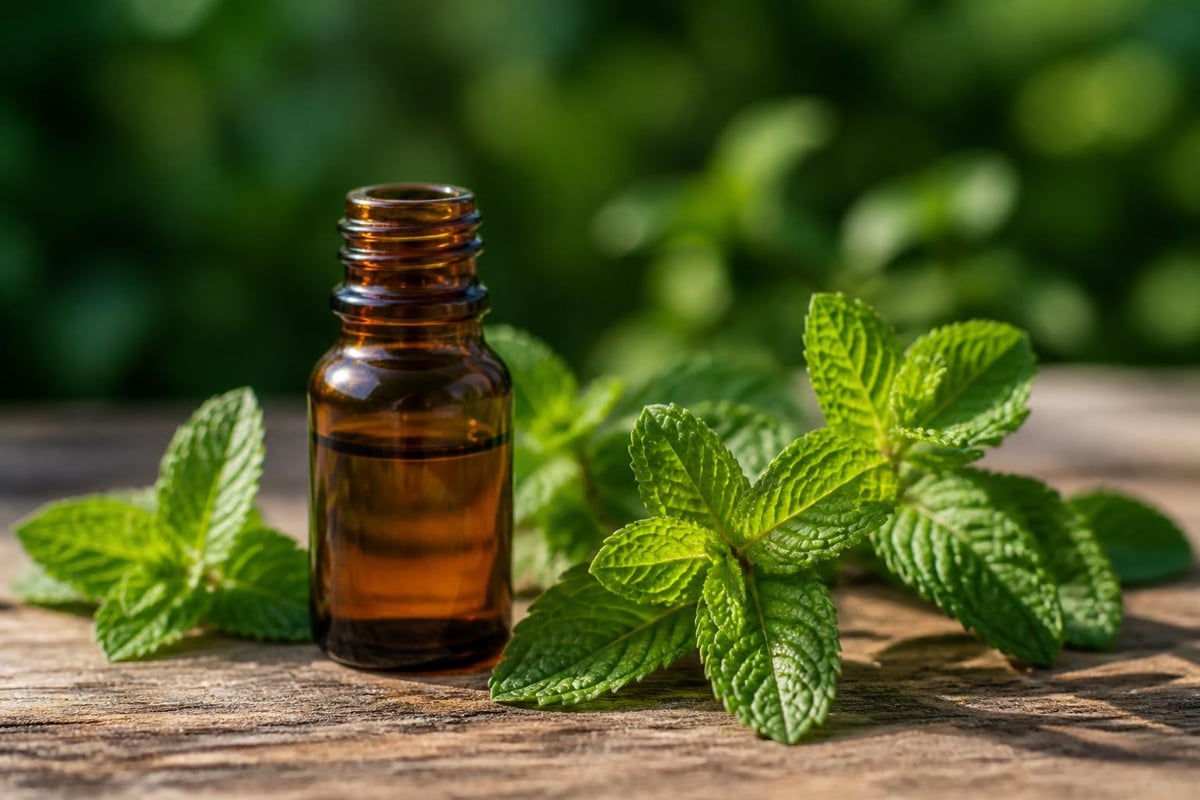
Peppermint oil is not a single substance. It is a blend of volatile organic compounds, with menthol typically making up 30 to 50 percent of the oil. Other active components include menthone, menthyl acetate, and limonene. These compounds evaporate quickly, releasing a strong aroma that mosquitoes find disruptive.
- Menthol: The dominant terpenoid, responsible for the cooling sensation and intense scent.
- Menthone: A ketone that contributes to the oil's overall repellent profile.
- Limonene: A citrus-scented compound also found in lemon and orange peels.
Each compound plays a role in the oil's effectiveness, but concentration and freshness determine real-world performance. Peppermint oil degrades when exposed to heat, light, and air, which is why proper storage and application timing matter.
Regulatory Status of Peppermint Oil Repellents
The EPA regulates insect repellents under two main categories: registered products and minimum-risk products. Registered products contain synthetic active ingredients like DEET or picaridin and undergo rigorous testing. Minimum-risk products, often called 25(b) products, contain ingredients the EPA considers safe without registration. Peppermint oil appears on the EPA's list of active ingredients eligible for minimum-risk pesticide products, meaning it can be used in repellents without the same regulatory burden as DEET.
This distinction is important. Minimum-risk products do not require the same efficacy testing as registered repellents, so performance can vary widely. A CDC analysis of unregulated minimum-risk products found that botanicals, including peppermint oil, showed limited effectiveness against mosquitoes and ticks compared to DEET and picaridin. The study highlighted the need for realistic expectations when choosing plant-based options.
What Minimum Risk Means in Practice
Products labeled as 25(b) must meet specific criteria. All ingredients must be on the EPA's approved list, and labels must follow strict guidelines. Manufacturers cannot make unsubstantiated claims, but they also do not need to prove efficacy through the same studies required for registered products. For consumers, this means reading labels carefully and understanding that "natural" does not automatically mean "effective."
| Category | Registration Required | Efficacy Testing | Examples |
|---|---|---|---|
| Registered Repellent | Yes | Extensive lab and field trials | DEET, picaridin, IR3535 |
| Minimum-Risk (25b) | No | Not required by EPA | Peppermint oil, citronella, geraniol |
Application Methods for Mosquito and Peppermint Oil Solutions
The way peppermint oil is delivered determines its effectiveness. Skin-applied sprays, diffusers, and ground treatments all work differently. Each method has trade-offs in coverage, duration, and user experience.
Topical Sprays and Skin Application
Many peppermint-based repellents are formulated as sprays meant for skin or clothing. These products require frequent reapplication, often every one to two hours, because the volatile compounds evaporate quickly. The National Center for Complementary and Integrative Health warns that peppermint oil can cause skin irritation, especially in undiluted or high-concentration formulas. Sensitive skin may react with redness, itching, or burning sensations.
Families with young children or pets face additional concerns. Applying sprays means direct contact with skin, which some households prefer to avoid. Sticky residue, strong odors, and the need to reapply every hour make topical sprays inconvenient for patio gatherings or backyard events.
Ground-Based Scent Masking
An alternative approach involves protecting outdoor spaces at ground level rather than treating individuals. Ground-based repellents release scent where mosquitoes first approach, creating a barrier that masks human odors before insects come close enough to land. This method keeps chemicals off skin and eliminates the need for guests to spray down before joining a gathering.
Biodegradable beads infused with essential oils, including peppermint, offer a no-spray solution. You pour the beads around seating areas, fire pits, or entry points. The beads release a blend of scents that disrupt mosquito tracking behavior. Nothing touches skin. No sticky residue. No need to reapply every hour.
For homeowners who treat their patios as outdoor rooms, this method fits seamlessly into the aesthetic. No candles cluttering the table. No aerosol cans in sight. Just a discreet application that works while you relax.

Comparing Peppermint Oil to Other Essential Oils
Peppermint oil is one ingredient in a broader category of plant-based repellents. Citronella, geraniol, lemongrass, eucalyptus, and rosemary all appear in natural mosquito products. Each oil has unique properties, and blending multiple oils can enhance overall performance.
A review of insect repellents from synthetic and natural origins compared active components and efficacy. Peppermint oil showed moderate repellency, but its short duration limited its use as a standalone solution. The review noted that combining oils with complementary mechanisms could extend protection time and broaden the range of mosquito species affected.
Why Blends Outperform Single Oils
Mosquitoes are not all the same. Species vary in their sensory preferences and feeding behavior. A repellent that works well against one species may be less effective against another. Multi-oil blends address this variability by targeting different sensory pathways. For example:
- Citronella disrupts carbon dioxide tracking.
- Geraniol interferes with olfactory receptors.
- Peppermint creates a cooling, overwhelming scent barrier.
- Rosemary adds a woody note that deters certain species.
- Eugenol (from clove oil) acts as a contact irritant.
- Cornmint provides additional menthol content.
When these oils work together, they create a more comprehensive scent shield. Blends also reduce the risk of mosquitoes adapting to a single scent over time.
Safety Considerations for Families and Pets
Natural does not mean risk-free. Peppermint oil is generally recognized as safe, but misuse can cause problems. Understanding proper dilution, application, and storage protects both people and pets.
Human Safety
Undiluted peppermint oil should never be applied directly to skin. Even diluted formulas can cause irritation in sensitive individuals. The NCCIH notes that peppermint oil may interact with certain medications and should be used cautiously by people with gastroesophageal reflux disease (GERD) or gallbladder issues. While these concerns primarily apply to ingestion, topical use still warrants attention.
For families with young children, avoiding skin application altogether eliminates these risks. Ground-based repellents keep essential oils away from contact with skin, reducing the chance of irritation or accidental ingestion.
Pet Safety
Cats, dogs, and other pets react differently to essential oils. Cats lack certain liver enzymes needed to metabolize many terpenoids, making them more vulnerable to toxicity. Peppermint oil can cause drooling, vomiting, and lethargy in cats if they ingest it or if it is applied to their fur.
Dogs tolerate peppermint oil better, but high concentrations can still cause upset stomachs or skin reactions. Pet-friendly repellents should be used according to label directions, with proper ventilation and no direct contact with animals.
Ground-based scent-masking products designed for outdoor use typically pose lower risk because pets do not come into direct contact with concentrated oils. The beads dissolve into the ground, and the scent disperses into the air rather than coating fur or skin.
Practical Tips for Using Mosquito and Peppermint Oil Products
Success with peppermint oil repellents depends on realistic expectations and proper use. These strategies help maximize effectiveness while minimizing hassle.
Timing and Reapplication
Peppermint oil evaporates quickly. Most topical sprays require reapplication every one to two hours. For ground-based products, peak performance typically occurs during the first 24 to 48 hours after application. After that, scent intensity fades, and reapplication is necessary.
Plan applications around your schedule. If you are hosting an evening gathering, apply repellent in the late afternoon. For multi-day events, refresh the application each morning.
Coverage Area and Concentration
More is not always better. Over-applying can waste product and create an overwhelming scent. Under-applying leaves gaps in coverage. Read product labels to determine the recommended amount per square foot.
For ground-based repellents, focus on areas where people sit, walk, or gather. Mosquitoes approach from ground level, so treating the perimeter of a patio or seating area creates an effective barrier. A typical 18-ounce container covers up to 1,000 square feet, while a 5-ounce container covers up to 300 square feet.
Combining Methods for Best Results
Peppermint oil repellents work best as part of a layered approach. Remove standing water, trim overgrown vegetation, and use fans to disrupt mosquito flight. Natural ways to combat mosquitoes include habitat modification, physical barriers, and scent-based deterrents.
Ground-based scent-masking products complement these efforts by addressing the immediate zone where people gather. They do not replace habitat management, but they add a layer of protection that makes outdoor spaces more comfortable.
For families seeking a DEET-free solution that requires nothing on the skin, Natural Mosquito Repellent beads combine peppermint with five other essential oils for multi-pathway scent masking. Pour the biodegradable beads around your patio, and they mask the human scent mosquitoes track at ground level. Peak performance lasts through the first two days, covering up to 1,000 square feet per 18-ounce container.

Limitations and Realistic Expectations
Peppermint oil is not a silver bullet. Understanding its limitations helps set realistic expectations and prevents disappointment.
Duration of Protection
Even the best peppermint oil products provide shorter protection than DEET. Registered synthetic repellents can last six to eight hours, while peppermint-based options typically max out at two hours for topical sprays. Ground-based products extend this by maintaining a scent barrier over a larger area, but they still require regular reapplication.
Efficacy Against Different Mosquito Species
Not all mosquitoes respond equally to peppermint oil. Some species are more sensitive to menthol and related compounds, while others show minimal deterrence. Field conditions also matter. Wind, humidity, and temperature affect how scent disperses and how long it remains effective.
Regulatory and Evidence Gaps
Because peppermint oil products fall under the 25(b) category, they do not undergo the same rigorous efficacy testing as registered repellents. This creates uncertainty. Some products work well in real-world conditions, while others provide minimal benefit. Consumer reviews and third-party testing can help, but official efficacy data remains limited.
The Penn State Extension provides practical guidance on ticks and mosquitoes, noting that plant-based repellents can be useful as part of an integrated approach but should not be relied upon as the sole method of protection in high-risk areas.
Why Homeowners Choose Peppermint Oil Over DEET
The shift toward natural repellents reflects broader consumer priorities. Families want effective mosquito control without the trade-offs that come with chemical sprays.
Chemical Load and Family Health
Parents worry about the cumulative exposure to synthetic chemicals, especially when children play outdoors daily. DEET is effective, but it is also a pesticide. Long-term effects of repeated skin exposure remain a concern for many households. Peppermint oil and other plant-based options offer a perceived safety advantage, even if efficacy is lower.
User Experience and Aesthetics
Sticky sprays leave residue on skin, clothing, and furniture. Guests at a backyard gathering do not want to be handed a can of repellent at the door. Hosts who curate their outdoor spaces as extensions of their homes find sprays and citronella candles visually and practically unappealing.
Ground-based scent-masking eliminates these issues. No one needs to spray down. No sticky residue. No aerosol cans cluttering the table. The experience is seamless, allowing everyone to enjoy the space without interruption.
Pet and Environmental Considerations
Families with pets face additional constraints. Spraying chemicals around dogs and cats raises safety questions. Environmentally friendly bug repellent options made from biodegradable materials reduce environmental impact and eliminate concerns about runoff or toxicity to beneficial insects.
Biodegradable beads dissolve back into the earth, leaving no trace. This aligns with values many homeowners hold about sustainability and responsible outdoor living.
Blending Peppermint Oil with Other Essential Oils
The relationship between mosquito and peppermint oil improves when peppermint is combined with complementary oils. Multi-oil blends address different sensory pathways, extend duration, and broaden the range of mosquito species affected.
Synergistic Combinations
Certain oil pairings create synergistic effects. For example, pairing peppermint with citronella enhances carbon dioxide masking while adding a cooling scent barrier. Geraniol disrupts olfactory receptors, while rosemary adds a woody note that deters specific species. Eugenol provides contact irritancy, and cornmint boosts menthol content.
Together, these oils create a more comprehensive shield than any single oil could achieve. The blend also reduces the chance of mosquitoes adapting to a single scent over time.
Customizing Blends for Specific Needs
Some households experiment with DIY blends, adjusting ratios to suit their preferences. While this can be effective, consistency and proper dilution are critical. Commercial blends formulated by reputable manufacturers offer convenience and quality control, ensuring the right balance of oils for optimal performance.
The Future of Mosquito and Peppermint Oil Research
Interest in plant-based repellents continues to grow, driving new research and product development. Scientists are exploring ways to extend the duration of essential oil repellents, improve delivery methods, and enhance efficacy against resistant mosquito populations.
Emerging technologies include microencapsulation, which slows the release of volatile compounds, and controlled-release formulations that maintain scent intensity over longer periods. These innovations could address one of the primary limitations of peppermint oil: its short-lived effectiveness.
Researchers are also investigating genetic and biochemical mechanisms behind mosquito sensory systems. Understanding how mosquitoes detect and respond to peppermint oil could lead to more targeted and effective formulations.
As regulatory frameworks evolve, we may see more rigorous testing requirements for minimum-risk products, providing consumers with clearer information about efficacy and safety.
The connection between mosquito and peppermint oil is grounded in scent disruption, not toxicity. Peppermint oil interferes with mosquito hunting behavior by masking the carbon dioxide and body odors they rely on to locate hosts. For homeowners who prioritize family safety, aesthetic appeal, and environmental responsibility, ground-based scent-masking offers a practical alternative to sticky sprays and chemical treatments. Mosquito Beads delivers this approach through biodegradable beads infused with six essential oils, including peppermint, creating a scent barrier that protects your entire patio without touching anyone's skin. Pour where you gather, and take your outdoor space back.