

Mosquito Repellent for Yard: Protect Your Space Naturally
Your backyard should be your sanctuary, not a breeding ground for frustration. Yet every spring and summer, mosquitoes reclaim outdoor spaces that homeowners have invested thousands of dollars to create. The search for an effective mosquito repellent for yard use has led many families through a disappointing cycle of citronella candles that barely work, sprays that leave everyone sticky and uncomfortable, and expensive professional treatments that raise concerns about pets and children. The good news is that protecting your outdoor space does not require compromising on safety, comfort, or the aesthetic you have worked so hard to create.
Understanding How Mosquitoes Find Your Yard
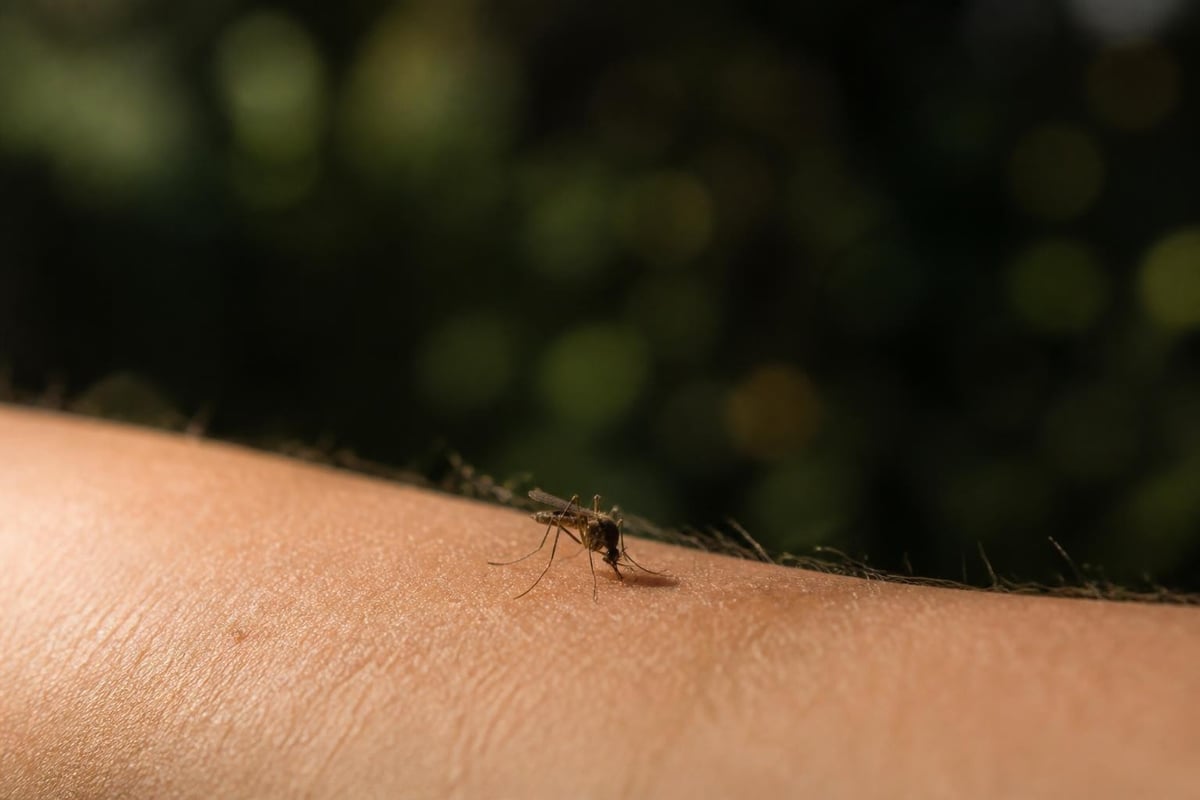
Mosquitoes do not randomly wander into your space. They hunt with remarkable precision using multiple sensory systems that have evolved over millions of years. Research shows mosquitoes can detect carbon dioxide from up to 30 feet away, tracking the breath of every person and pet in your yard. Beyond CO2, they track body heat, movement, and most importantly, human scent signatures released at ground level.
Key attractants in your yard include:
- Carbon dioxide plumes from human and pet respiration
- Lactic acid released through skin and settled on surfaces
- Body heat signatures that register on mosquito thermal sensors
- Standing water sources where females lay eggs
- Shaded areas where adults rest during daylight hours
Understanding this hunting behavior is the foundation of selecting the right mosquito repellent for yard protection. If mosquitoes cannot detect you, they drift past your space entirely.
The Ground Level Scent Problem
Most homeowners focus on personal protection, applying repellent directly to skin. This approach protects one person at a time, requires reapplication every few hours, and creates an uncomfortable experience for anyone who dislikes the feeling of products on their skin. More critically, it does nothing to address the scent markers that settle at ground level where your family gathers.
When people occupy outdoor spaces, their scent footprint extends beyond their bodies. Skin cells, perspiration residue, and exhaled breath settle on patio surfaces, grass, and furniture. These markers create an invisible buffet line that guides mosquitoes directly to your gathering spot long after the initial scent was released.
Traditional Mosquito Repellent for Yard Options
The market offers several established categories of yard protection, each with distinct trade-offs that matter to families who value both effectiveness and safety.
Spray-Based Perimeter Treatments
Professional mosquito control services typically apply synthetic pyrethroid sprays to vegetation, creating a barrier around your property. These treatments kill mosquitoes on contact and provide residual protection for several weeks.
| Feature | Professional Spray | DIY Spray Treatment |
|---|---|---|
| Duration | 21-30 days | 7-14 days |
| Cost per treatment | $70-150 | $30-50 |
| Active ingredient | Synthetic pyrethroids | Pyrethrins or permethrin |
| Application skill required | Professional | Homeowner |
| Pet/child restrictions | 30-60 min post-spray | 30-60 min post-spray |
The EPA provides guidance on mosquito misting systems that some homeowners install for automated barrier protection. These systems release timed bursts of insecticide, requiring careful placement away from areas where children and pets play.
Wearable Sprays and Lotions
DEET-based products have dominated personal protection since 1946, offering proven efficacy at concentrations ranging from 10% to 100%. Picaridin and IR3535 provide DEET-free alternatives with comparable performance in laboratory testing.
Common complaints about wearable repellents:
- Greasy, sticky sensation that transfers to furniture and clothing
- Chemical odor that clashes with outdoor dining
- Hourly reapplication requirements during peak mosquito activity
- Difficulty asking dinner guests to spray themselves before sitting
- Concerns about repeated chemical exposure to young children
These products protect the individual wearing them but do nothing for the space itself. A guest who forgets to apply repellent becomes an immediate target, disrupting the comfort of your gathering.
Candles, Torches, and Combustion Devices
Citronella candles remain popular despite limited evidence of effectiveness beyond a small radius. The National Pesticide Information Center notes that combustion-based repellents provide protection only when users remain within the smoke plume, typically 3 to 4 feet from the source.
Tiki torches create ambiance but require open flame management near children, pets, and outdoor furniture. The protection radius rarely extends beyond 6 feet, making them decorative elements rather than comprehensive solutions for mosquito repellent for yard coverage.
Natural and Plant-Based Alternatives
Growing interest in reducing chemical exposure has driven innovation in botanical mosquito repellents. Recent systematic reviews of essential oils and plant-based repellents demonstrate that certain compounds offer measurable protection when formulated and applied correctly.
Essential Oil Efficacy
Six essential oils have shown consistent repellent properties across peer-reviewed studies:
- Geraniol - extracted from rose and citronella plants
- Citronella - the compound behind citronella candle claims
- Peppermint - creates sensory disruption for mosquito receptors
- Eugenol - derived from clove oil
- Cornmint - closely related to peppermint with distinct properties
- Rosemary - interferes with mosquito host-seeking behavior
The challenge lies in delivery mechanism. Technological advances in plant-based mosquito repellents have focused on creating sustained-release formulas that maintain effective concentrations over hours rather than minutes.
When these six essential oils are infused into biodegradable carriers and applied at ground level, they create a scent-masking layer that disrupts the hunting patterns mosquitoes rely on. Rather than killing insects, this approach makes your outdoor space invisible to their sensory systems.

The Myth of Repellent Plants
Many homeowners invest in lavender, basil, lemongrass, and marigolds with the expectation that simply planting them will repel mosquitoes. University of Florida extension experts have debunked this myth, explaining that crushing or burning the plants is required to release enough essential oil to have any effect.
A planted herb releases insufficient volatile compounds to create a protective barrier. You would need to rub the leaves vigorously on your skin or burn them continuously to achieve even minimal protection, and the scent would dissipate within minutes.
Ground Application Versus Wearable Protection
The fundamental divide in mosquito repellent for yard strategies comes down to where you apply protection: on people or on the space itself.
Wearable protection approach:
- Each person must apply product individually
- Reapplication required every 1-2 hours
- Guests feel uncomfortable being asked to spray themselves
- Children resist sticky applications
- One person without protection attracts mosquitoes to the entire group
- No protection for pets in the space
Ground application approach:
- Single application protects everyone in the treated area
- Nothing touches skin, hair, or clothing
- Guests require no preparation or compliance
- Pet-friendly when using appropriate formulations
- Scent masking works at the source where mosquitoes hunt
- Peak effectiveness extends across 24-48 hours
For households that view their patio as an outdoor room, ground application aligns with how we think about indoor spaces. You would not ask dinner guests to spray themselves with air freshener before entering your dining room. The same logic applies outdoors when you have the right tools.
For families concerned about chemical load near children and pets, biodegradable ground-applied solutions offer an alternative to synthetic sprays. These formulations work with corn-based granules that dissolve back into soil, avoiding the residue concerns associated with barrier sprays on vegetation.

Habitat Management and Prevention
No mosquito repellent for yard will deliver perfect results if your property actively supports mosquito breeding. The EPA recommends habitat modification as the foundation of any integrated mosquito management plan.
Eliminating Standing Water
Female mosquitoes require standing water to complete their reproductive cycle. A bottle cap holding a tablespoon of water can produce dozens of mosquitoes within a week during peak season.
Weekly inspection checklist:
- Empty saucers under potted plants
- Clear roof gutters of debris that traps water
- Flip wheelbarrows, buckets, and toys upside down
- Change birdbath water twice weekly
- Treat ornamental ponds with mosquito dunks (Bti)
- Repair leaking outdoor faucets and hoses
- Cover rain barrels with fine mesh screening
Vegetation and Airflow Management
Adult mosquitoes rest in dense vegetation during daylight hours, emerging at dusk to hunt. Thinning overgrown shrubs, raising tree canopies, and maintaining lawn height below 3 inches reduces resting habitat significantly.
Installing outdoor fans creates airflow that mosquitoes cannot navigate. These weak fliers struggle in wind speeds above 2 miles per hour. Ceiling fans on covered patios or oscillating floor fans on open decks provide dual benefits of cooling comfort and flight disruption.
| Prevention Strategy | Effort Level | Cost | Effectiveness Duration |
|---|---|---|---|
| Water elimination | Weekly | $0 | Ongoing |
| Vegetation trimming | Monthly | $0-50 | 4-6 weeks |
| Fan installation | One-time | $50-300 | Years |
| Mosquito dunks (Bti) | Bi-weekly | $15-25/season | 30 days per application |
Coverage Area and Application Density
Determining how much mosquito repellent for yard coverage you need depends on where people actually gather, not the total property size. Most families concentrate outdoor activity in defined zones: the patio, the deck, the area around the firepit, or the sideline at sports fields.
Calculating Your Protection Zone
Measure the primary gathering area, not the entire lawn. An 800-square-foot patio requires different coverage than a 10,000-square-foot backyard, even though both are "yard" applications. Focus protection where human scent concentrates.
Coverage considerations:
- A 20x20-foot patio (400 sq ft) requires moderate coverage
- Add 2-3 feet of perimeter beyond furniture edges
- Pool decks need coverage around lounging areas, not the water
- Dining areas benefit from concentrated application under tables where feet rest
- Firepit circles require ring application around seating
For portable needs like youth sports or camping, smaller coverage areas of 200-300 square feet protect bleacher sections or campsite perimeters effectively. Natural mosquito repellent options for camping and RV use offer flexibility for families who move between locations.
Application Timing and Frequency
Most ground-applied repellents deliver peak performance during the first 24-48 hours after application. Understanding this window allows strategic timing around specific events rather than attempting continuous season-long coverage.
Apply mosquito repellent for yard protection 2-4 hours before guests arrive, allowing the scent-masking layer to fully develop. Reapplication needs vary by product formulation, weather conditions, and mosquito pressure in your region.
Regional Considerations and Seasonal Patterns
Mosquito species, population density, and active seasons vary dramatically across the United States, affecting which yard protection strategies deliver the best results.
High-Pressure Regions
Florida residents face year-round mosquito activity with minimal winter die-off in southern counties. Gulf Coast and Southeast states experience extended seasons from March through November with peak pressure during humid summer months.
Texas presents unique challenges with multiple aggressive species and drought-flood cycles that create unpredictable population surges. Coastal areas battle salt marsh mosquitoes that travel several miles from breeding sites.
Moderate Pressure Regions
Midwest and Mid-Atlantic states typically see mosquito activity from May through September, with June and July representing peak months. These regions benefit from cold winters that provide complete population resets each spring.
Northern states experience compressed but intense mosquito seasons, with certain species emerging in overwhelming numbers for 4-6 week windows. Black fly and mosquito pressure can overlap in May and June.
Cost Analysis of Protection Methods
Annual spending on mosquito repellent for yard protection varies widely based on approach, property size, and regional pressure.
Professional Service Costs
Monthly barrier spray contracts range from $500 to $1,800 per season (April-October in most regions), depending on property size and treatment frequency. Add-on services like larvicide treatments and special event applications increase costs.
DIY Product Costs
| Product Category | Initial Investment | Monthly Restock | Season Total |
|---|---|---|---|
| DEET spray family pack | $25-40 | $15-25 | $110-180 |
| Natural spray (picaridin) | $30-50 | $20-30 | $140-200 |
| Citronella candles (24-pack) | $40-60 | $20-30 | $120-160 |
| Ground repellent (natural) | $35-45 | $25-35 | $135-185 |
| Outdoor fan installation | $150-300 | $0 | $150-300 (one-time) |
Comparing the costs of natural mosquito repellents versus professional services reveals that most families spend $120-250 per season regardless of approach. The differences lie in application frequency, convenience, and ingredient preferences rather than total cost.
Safety Considerations for Families and Pets
The question "Is this safe?" drives many purchasing decisions around mosquito repellent for yard use. Safety encompasses chemical exposure, environmental impact, and practical use around vulnerable populations.
Chemical Exposure in Shared Spaces
Synthetic pyrethroids used in professional barrier sprays are toxic to bees, butterflies, and aquatic organisms. While generally considered safe for humans and pets after drying, these products require everyone to vacate the yard during application and avoid the space for 30-60 minutes afterward.
DEET concentrations above 30% raise concerns for repeated use on young children. The American Academy of Pediatrics recommends DEET-free alternatives for children under two months and limited use for older children.
Natural formulations using 25(b) exempt ingredients under FIFRA regulations offer reduced risk profiles. These products use essential oils and plant-derived compounds that do not require EPA registration due to their minimal risk classification. Pet safety when using mosquito repellent requires checking specific ingredient lists, as some essential oils irritate certain animals even when generally recognized as safe.
Environmental Impact and Biodegradability
Spray residues accumulate on leaf surfaces, patio furniture, and grass, creating transfer potential to hands, paws, and outdoor toys. Products that break down through photodegradation or microbial action reduce this exposure window.
Biodegradable carriers made from corn-based materials dissolve naturally, avoiding persistent residues entirely. These formulations align with the principles outlined in global vector control guidance emphasizing integrated approaches that minimize environmental disruption.
Making Your Outdoor Space Work for You
Effective mosquito repellent for yard use should integrate seamlessly into how you already use your outdoor space. The best solution is one you will actually deploy consistently rather than the theoretically perfect option you use once and abandon.
Aesthetic Integration
Outdoor spaces represent significant investments in furniture, lighting, landscaping, and design. Protection methods that clash with this aesthetic create resistance to regular use.
Citronella candles add visual clutter to carefully set tables. Tiki torches limit furniture placement and create safety zones around open flames. Spray applications on vegetation leave visible residue that dulls plant color.
Ground-applied repellents that work invisibly preserve the visual environment you have created. No flames to manage, no devices to conceal, no residue on surfaces your guests touch.
Guest Experience
When you invite people to your outdoor space, you want them to focus on conversation, food, and relaxation, not mosquito avoidance. Asking guests to spray themselves creates an awkward moment that frames your patio as a problem to manage rather than a sanctuary to enjoy.
Solutions that protect the space rather than requiring individual compliance deliver hospitality that matches indoor standards. Your guests should never need to think about mosquitoes.
Seasonal Storage and Shelf Life
Products purchased in bulk during spring require proper storage to maintain effectiveness through the season. Mosquito repellent for yard use comes in various formulations with different stability profiles.
Storage best practices:
- Keep aerosol cans below 120°F to prevent pressure buildup
- Store liquid concentrates in original containers away from sunlight
- Seal granular products in airtight containers to prevent moisture absorption
- Rotate stock using oldest products first
- Check expiration dates on natural formulas (typically 2-3 years)
Extreme temperature fluctuations in garage storage can degrade certain formulations. Climate-controlled storage extends product life for items purchased during off-season sales.
Protecting your yard from mosquitoes requires understanding how these insects hunt and selecting solutions that align with your family's values around safety, convenience, and aesthetics. Whether you choose habitat management, ground-applied repellents, or a combination of strategies, consistency matters more than any single product. For families seeking a natural mosquito repellent for yard use that protects the space without chemicals on skin, Mosquito Beads offers a pour-and-forget approach using six essential oils in biodegradable granules. Cover up to 1,000 square feet with ground application, nothing to wear, and peak performance across the first two days when you need protection most.