

Bug Deterrents: Natural Ways to Protect Your Space
When you've invested in creating the perfect outdoor sanctuary, the last thing you want is bugs driving everyone inside. Bug deterrents have evolved far beyond the sticky sprays and smoky candles that dominated backyards for decades. Today's homeowners demand solutions that protect their space without compromising comfort, visual appeal, or family safety. Understanding which deterrents work, how they function, and where they fit into your outdoor strategy makes all the difference between an evening spent swatting and one spent relaxing.
Understanding How Bug Deterrents Work
Bug deterrents operate through several distinct mechanisms, each addressing a different aspect of insect behavior. The most common approaches include chemical barriers that repel on contact, scent-masking systems that hide human odors, physical barriers that block access, and biological controls that interrupt breeding cycles.
Chemical repellents work by creating an unpleasant sensory experience for insects. Traditional options like DEET interfere with insects' ability to detect carbon dioxide and body odors. When applied to skin, these compounds create a protective envelope around an individual person. However, they require direct application, frequent reapplication, and many families worry about chemical exposure near children and pets.
Scent-masking deterrents take a different approach entirely. Rather than repelling through chemical irritation, these systems flood an area with competing scents that confuse mosquitoes' hunting mechanisms. Mosquitoes detect CO2 from impressive distances, but when their olfactory receptors are overwhelmed by essential oils or other aromatic compounds at ground level, they drift past instead of landing. This approach protects the entire space rather than just one person.
Physical and Environmental Barriers
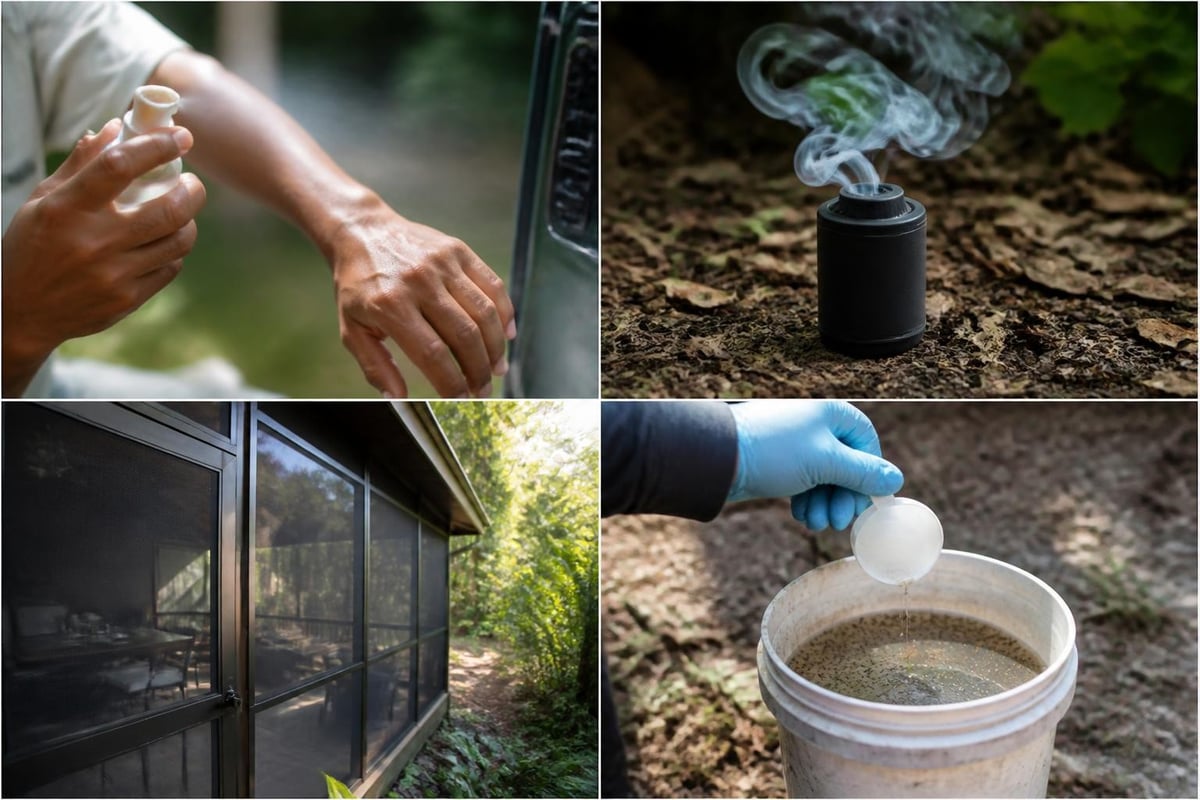
Physical bug deterrents remain the gold standard for enclosed spaces. Properly installed screens on porches, gazebos, and outdoor rooms create impenetrable barriers when maintained correctly. However, they fundamentally change the outdoor experience by blocking breezes and views.
Mosquito netting offers temporary protection for specific activities. Parents use netting over playpens, campers drape it over sleeping areas, and some outdoor dining setups incorporate decorative netting. The limitation is obvious: you're still creating walls, even if they're see-through.
Environmental modifications address the root cause by eliminating breeding sites. The UC Statewide IPM Program recommends source reduction as the first line of defense. This means dumping standing water from planters, cleaning gutters, and maintaining proper drainage. For water features that can't be eliminated, larvicides containing Bacillus thuringiensis israelensis (Bti) interrupt the breeding cycle without harming fish or beneficial insects.
Evaluating Natural Bug Deterrents
Natural bug deterrents have gained substantial ground as families seek alternatives to synthetic chemicals. The category includes plant-based oils, botanical extracts, and biodegradable formulations that leverage nature's own defense mechanisms.
Essential Oil-Based Systems
Essential oils like citronella, geraniol, peppermint, and rosemary have demonstrated mosquito-deterrent properties in controlled studies. The challenge has always been delivery. Candles burn off quickly and require open flame. Sprays dissipate rapidly outdoors and still require skin application. Diffusers work indoors but lack the coverage needed for patios and decks.
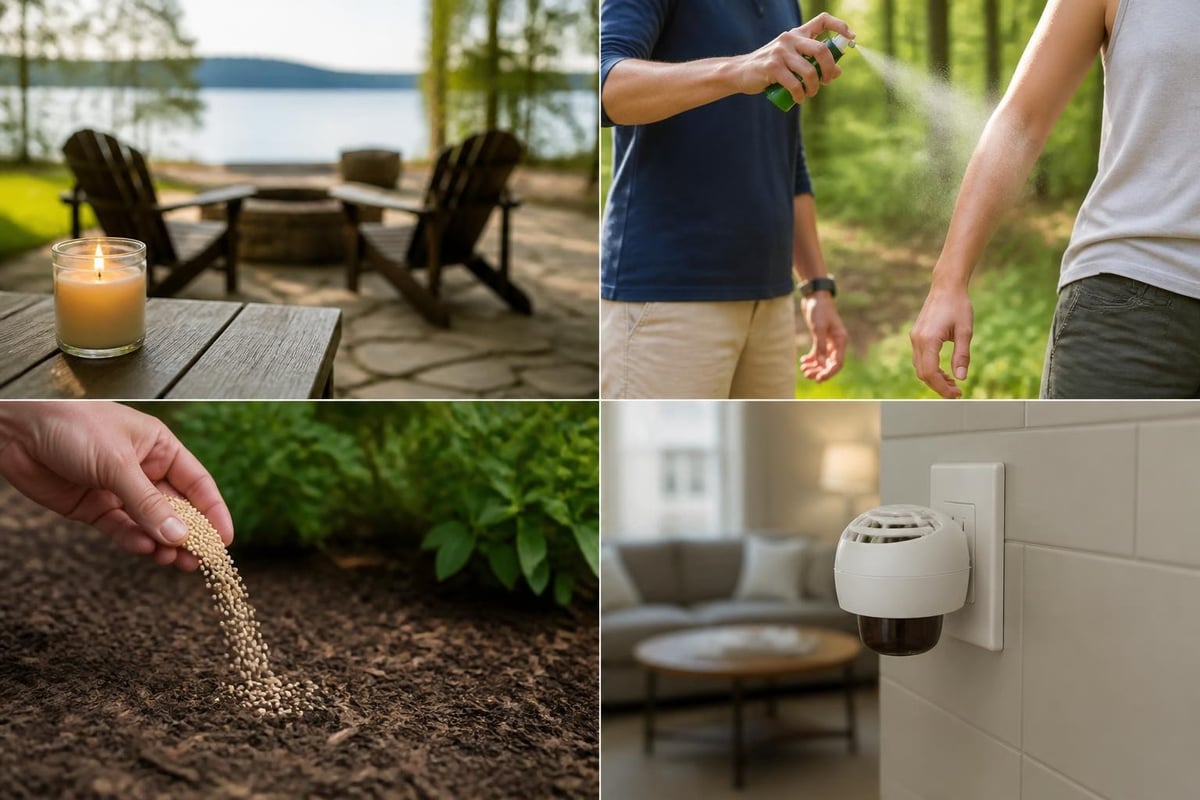
Ground-application systems solve the delivery problem by placing concentrated essential oils exactly where mosquitoes hunt: at ground level where scent pools most effectively. Rather than asking guests to spray themselves down, you treat the space itself. This approach aligns with how families actually use their outdoor areas in 2026, where comfort and ease matter as much as effectiveness.
The EPA provides guidance on choosing repellents that balance efficacy with safety profiles. While DEET and picaridin top the list for duration on skin, plant-based alternatives earn recognition for lower toxicity and suitability around pets and children when used as directed.
| Deterrent Type | Coverage Area | Duration | Application Method | Chemical Exposure |
|---|---|---|---|---|
| DEET Spray | Single person | 2-6 hours | Skin application | Direct contact |
| Citronella Candle | 3-5 ft radius | 2-3 hours | Open flame | Smoke inhalation |
| Ground Beads | 300-1000 sq ft | 1-2 days peak | Pour on ground | None to people |
| Screen Enclosure | Enclosed space | Permanent | One-time install | None |
Strategic Placement of Bug Deterrents
Where you position bug deterrents matters as much as which type you choose. Mosquitoes don't distribute randomly across your yard. They concentrate in specific zones based on carbon dioxide plumes, shade patterns, and proximity to breeding sites.
Perimeter defense creates the first line of protection. Treating the edges of patios, deck perimeters, and the boundary between lawn and seating areas intercepts mosquitoes before they reach your guests. This strategy uses less product than saturating an entire area while delivering protection where it counts most.
High-traffic zones demand concentrated coverage. The area immediately around dining tables, lounge chairs, and conversation groupings should receive primary attention. Unlike sprays that protect only the person wearing them, spatial repellents and area treatments benefit everyone in the protected zone equally.
Timing Applications for Maximum Impact
Bug deterrent effectiveness varies dramatically by time of day. Mosquitoes exhibit crepuscular behavior, meaning they're most active at dawn and dusk. Applying deterrents 30 to 60 minutes before these peak periods ensures systems reach full effectiveness when you need them most.
- Apply ground treatments before guests arrive
- Refresh high-traffic zones between events
- Time applications to match peak mosquito activity
- Monitor weather for rain that may dilute outdoor deterrents
- Plan coverage based on actual space usage patterns
Wind direction influences spatial deterrents significantly. Scent-masking systems work best when positioned upwind of seating areas, allowing the masking compounds to drift across the space naturally. On calm evenings, central placement ensures even distribution.
Integrated Approaches to Bug Management
No single deterrent handles every situation. Penn State Extension recommends Integrated Pest Management (IPM) that combines multiple strategies for comprehensive control. This means layering habitat modification, biological controls, and active deterrents based on your specific environment.
Habitat assessment comes first. Walk your property during mosquito peak hours and note where they concentrate. Check for standing water in unexpected places: tire swings, tarp folds, clogged drains, even tree holes. These breeding sites can produce hundreds of mosquitoes daily within 50 feet of your patio.
Water features require special attention. Birdbaths need weekly cleaning, ornamental ponds benefit from circulation pumps, and decorative containers should be dumped after rain. For permanent water bodies, the EPA approves Bti larvicides that kill mosquito larvae while remaining safe for birds, fish, and mammals.
Layering Deterrents for Events
Special occasions demand extra protection. Birthday parties, evening gatherings, and outdoor dinners bring groups together for extended periods. A layered approach provides overlapping protection that compensates if one system underperforms.
Start with environmental prep: mow the lawn, trim vegetation near seating areas, and eliminate standing water two days before your event. Dense grass and overgrown shrubs provide mosquito harborages that undermine other deterrents.
Add spatial protection the day of your gathering. Ground-application systems excel here because they protect the entire space rather than requiring each guest to spray themselves. Nothing derails a dinner party faster than asking everyone to coat themselves in sticky repellent before sitting down.
For those who prefer wearing protection, guests can supplement with personal repellents on exposed skin. This hybrid approach gives individuals control while maintaining area-wide coverage for those who skip personal application.

Many families have discovered that natural mosquito repellent designed for ground application transforms their outdoor experience. Instead of passing around spray bottles or lighting multiple candles, you simply pour biodegradable beads where people gather. The essential oil blend masks human scent at ground level, creating a protected zone that lets everyone enjoy the space comfortably.
Evaluating Bug Deterrent Safety
Safety considerations matter intensely for families who view their patio as an extension of their home. Products that go on skin, into the air, or onto surfaces where children and pets play deserve careful scrutiny. Understanding the distinction between synthetic pesticides, natural botanicals, and physical deterrents helps you make informed choices.
DEET remains highly effective but carries baggage. It melts certain plastics, feels greasy on skin, and requires careful application around children. The WHO vector control guidelines acknowledge DEET's efficacy while noting that many consumers seek alternatives due to texture and odor concerns.
Plant-based options typically carry lower toxicity ratings. Essential oils like geraniol, citronella, and peppermint have Generally Recognized as Safe (GRAS) status for many uses. However, concentration matters. Pure essential oils can irritate skin and should never be applied undiluted.
Ground Application Versus Skin Application
The application method fundamentally changes risk profiles. Bug deterrents applied directly to skin create unavoidable exposure. Every person must apply the product, and children often resist or apply unevenly. Reapplication every few hours means repeated exposure throughout an evening.
Ground-application systems eliminate skin contact entirely. The deterrent stays where you pour it, working at ground level where mosquitoes hunt without touching anyone. This approach particularly appeals to families with young children, individuals with sensitive skin, and pet owners who worry about chemical transfer.
Pet safety deserves specific attention. Dogs and cats explore yards with their noses and mouths. Products safe for humans may pose risks to pets who might ingest or repeatedly contact treated areas. Look for formulations explicitly labeled pet-friendly when used as directed, and always allow treated areas to settle before letting pets access them.
| Safety Factor | Skin Sprays | Candles/Coils | Ground Beads | Screens |
|---|---|---|---|---|
| Skin Contact | Required | None | None | None |
| Inhalation Risk | Moderate | Smoke present | Minimal | None |
| Pet Exposure | Transfer risk | Flame hazard | Low when directed | None |
| Child Safety | Requires supervision | Burn risk | No direct contact | Safest |
Performance Expectations and Limitations
Understanding what bug deterrents can and cannot do prevents disappointment. No system creates an absolute barrier. Mosquitoes are persistent, adaptable, and driven by powerful biological imperatives. Realistic expectations lead to appropriate product selection and proper use.
Peak performance windows vary by deterrent type. Skin sprays work immediately but fade within hours. Ground-based scent-masking systems typically perform best during their first 48 hours, with gradual decline as volatile compounds dissipate. Candles protect only while burning. Physical barriers work continuously but require maintenance.
Environmental conditions affect all deterrents. Heavy rain dilutes ground treatments and extinguishes candles. Wind disperses scent barriers and makes spatial repellents less effective. Extreme heat accelerates evaporation of volatile compounds. Understanding why certain locations become mosquito paradise helps you adjust strategies based on your specific setting.
Coverage Area Reality
Manufacturer coverage claims assume ideal conditions: minimal wind, moderate temperatures, and even terrain. Real-world performance typically runs 20 to 30 percent below stated maximums. A product rated for 1,000 square feet might effectively protect 700 to 800 square feet under normal outdoor conditions.
Terrain matters significantly. Flat, open patios allow even distribution of spatial deterrents. Multilevel decks, dense plantings, and structures that block airflow create protection gaps. Increasing application density in complex spaces compensates for these challenges.
User compliance drives real-world results more than any other factor. The most effective deterrent fails if applied incorrectly, too late, or in insufficient quantity. Follow label directions precisely, especially regarding coverage rates and reapplication schedules.
Maintenance and Reapplication Strategies
Bug deterrents work only when maintained properly. Unlike permanent solutions such as screens, active deterrents require regular attention. Developing consistent routines ensures continuous protection without last-minute scrambling before events.
Calendar-based schedules work well for regular outdoor users. If you use your patio three evenings weekly, establish a treatment routine that aligns with that pattern. Monday and Thursday evening applications might cover weekend through midweek use if your chosen deterrent offers 48-hour peak performance.
Weather monitoring improves efficiency. Rain forecasts should trigger either delayed application or acceptance that coverage will be shortened. Applying ground treatments immediately before storms wastes product. Wait until weather clears, then treat fresh.
Storage affects product longevity and performance. Essential oil-based deterrents should be kept in cool, dark locations with containers tightly sealed. Exposure to heat and light degrades active ingredients. Sprays lose pressure over time. Check expiration dates and replace products that have sat unused for extended periods.
Seasonal Adjustment Protocols
Mosquito pressure varies dramatically across the season. Early spring brings the first mosquitoes but populations remain low. Midsummer sees peak numbers. Fall populations decline but can spike after warm, wet periods. Adjust deterrent frequency and intensity to match actual pressure.
- Spring: Establish baseline protection, monitor for population increases
- Summer: Maximum coverage during peak season, daily attention if needed
- Fall: Gradual reduction as temperatures drop, watch for warm-weather spikes
- Winter: Minimal to no treatment in most regions, prepare supplies for spring
Some regions experience year-round mosquito activity. Florida's climate supports persistent populations that require continuous management. Tailoring your approach to local conditions prevents both under-protection and wasteful over-application.
Cost-Effectiveness Analysis
Bug deterrents represent recurring expenses that add up across a season. Evaluating cost per use, coverage efficiency, and performance duration helps identify which solutions deliver genuine value versus which simply sound appealing.
Professional mosquito services typically cost $300 to $800 per season for barrier spraying programs. Technicians visit every three to four weeks, applying synthetic pyrethroids to vegetation. Coverage is comprehensive but chemical-intensive. Many homeowners who prioritize natural approaches find this option conflicts with their values.
DIY ground treatments range from $20 to $60 per application depending on area size. A product covering 1,000 square feet that lasts two days costs roughly $0.30 to $0.90 per evening of protection. For families using outdoor spaces several times weekly, seasonal costs run $150 to $400 when applied strategically.
Skin sprays appear inexpensive initially but costs accumulate quickly. A family of four needs substantial product for full-body application before each outdoor session. Premium natural sprays run $8 to $15 per bottle, providing perhaps 10 to 15 applications. Heavy users can spend $200+ annually just on personal repellents.
Value Beyond Price
Direct costs tell only part of the story. The hidden value of bug deterrents includes reclaimed outdoor time, reduced irritation and itching, decreased disease transmission risk, and enhanced quality of life. When outdoor spaces go unused due to mosquito pressure, the investment in creating those spaces loses value.
Convenience factors heavily into value calculations. Deterrents requiring minimal effort to deploy get used consistently. Those demanding complex setup or frequent attention often sit unused while mosquitoes thrive. The best deterrent is one you'll actually use repeatedly.
Consider also the social dynamics. Hosting outdoor gatherings becomes simpler when you can protect your space rather than asking each guest to spray themselves. The absence of sticky bottles, smoky candles, and constant swatting improves the experience for everyone.
Making Your Selection
Choosing appropriate bug deterrents requires matching solutions to your specific situation. Your outdoor space, usage patterns, family composition, and personal preferences all influence which approaches work best. No single answer fits everyone.
Space assessment comes first. Measure the areas you actually use. Many homeowners overestimate needed coverage by including yard sections they rarely occupy. Protecting a 400-square-foot dining and conversation area costs far less than trying to cover an entire half-acre lot.
Consider who uses the space. Families with young children benefit from systems that eliminate skin application and reduce chemical exposure. Pet owners need explicitly pet-safe formulations. Individuals with sensitivities to scents or chemicals may tolerate some plant-based options better than synthetic alternatives.
Usage Pattern Analysis
How often you use outdoor spaces influences which deterrents make sense. Weekend-only users can prepare Friday and enjoy protection through Sunday. Daily users need either long-lasting solutions or willingness to maintain frequent applications. Event hosts need reliable coverage that doesn't require guest participation.
Think through typical scenarios:
- Quiet evenings with family: simple, low-maintenance deterrents
- Dinner parties: comprehensive coverage that doesn't create visual clutter
- Children's playtime: maximum safety with minimal exposure
- Extended outdoor living: durable, cost-effective solutions
- Special events: reliable performance for specific dates
Aesthetic considerations matter more than most product developers acknowledge. If you've created a beautiful outdoor space, you likely resist cluttering it with devices, bottles, or equipment. Families who want natural mosquito protection often seek solutions that work invisibly, protecting without announcing themselves visually.
Effective bug deterrents balance protection, safety, and practicality in ways that align with how you actually live outdoors. By understanding the mechanisms behind different approaches and matching solutions to your specific needs, you can reclaim your patio from mosquito pressure without compromising comfort or values. Mosquito Beads offers a natural alternative that protects your space through scent-masking technology: simply pour biodegradable beads infused with essential oils where people gather, creating a protected zone without sticky sprays, open flames, or anything touching skin.