

Keep Bug Away: Natural Solutions for Your Outdoor Space
Creating an outdoor sanctuary means taking control of every element that affects your comfort. When you invest time and resources into building a patio space that functions as an extension of your home, you need effective strategies to keep bug away without compromising your aesthetic vision or introducing harsh chemicals near family and pets. The modern homeowner demands solutions that protect the entire space rather than forcing each person to spray down individually, and understanding the full spectrum of pest prevention methods helps you build a defense that actually works.
Understanding How Bugs Find You
Insects navigate your yard using multiple sensory systems working in concert. Mosquitoes track carbon dioxide from breathing at distances up to 30 feet, detect body heat patterns, and follow the scent signature your skin produces through a combination of sweat, bacteria, and natural oils. Other common pests rely on similar detection methods, which explains why simply standing outside can trigger an immediate response from biting insects.
The joint guidance from the EPA and CDC on insect repellents emphasizes understanding how insects locate hosts before choosing control methods. Different species hunt at different heights and times of day. Mosquitoes typically feed at ground level during dawn and dusk, while other flying insects may patrol higher zones throughout the day.
Breaking the Scent Trail
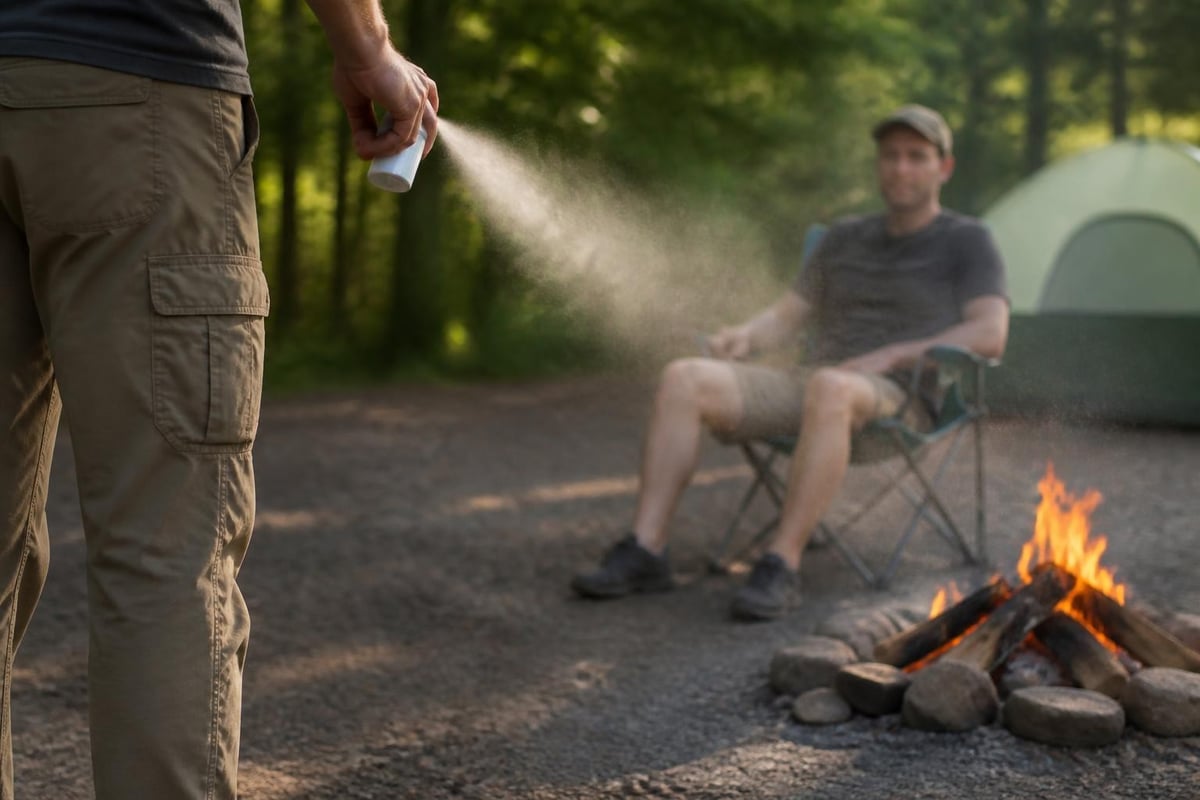
When you know insects hunt by scent, you can interrupt their tracking system at multiple points. Traditional approaches focused on killing individual bugs or coating every exposed inch of skin with chemical barriers. Modern integrated pest management recognizes that masking human scent at the source point disrupts hunting behavior before insects ever reach landing range.
This principle applies whether you want to keep bug away from a dinner party, an afternoon reading session, or a weekend gathering. The goal shifts from building a personal chemical shield to creating a protected zone where insects lose the scent trail entirely.
Habitat Modification That Actually Works
Your yard's physical layout determines how many insects breed, rest, and hunt near your gathering spaces. Standing water serves as the primary breeding ground for mosquitoes, with eggs hatching in containers as small as a bottle cap. Shaded, humid areas provide daytime resting spots for adult mosquitoes waiting for evening feeding times.
Consumer Reports outlines practical tactics for homeowners to reduce insect populations through environmental management:
- Empty and scrub birdbaths, pet water bowls, and decorative containers weekly
- Clear debris from gutters to prevent water accumulation
- Trim vegetation away from gathering areas to increase airflow
- Remove leaf litter and mulch piles where insects shelter
- Position outdoor lighting away from seating areas to avoid attracting flying insects
Creating Buffer Zones
The distance between breeding habitat and your patio directly impacts how many insects reach your space. A mosquito can travel up to three miles under ideal conditions, but most stay within a few hundred feet of their emergence site. When you eliminate breeding sites within your property boundaries, you dramatically reduce the local population pressure.
Strategic landscaping creates natural barriers without sacrificing visual appeal. Native plants that attract dragonflies and other mosquito predators add ecological value while reducing pest populations. Proper spacing between shrubs and hardscaping increases light penetration and air movement, making the environment less hospitable to insects that prefer still, humid conditions.
Ground-Based Protection Strategies
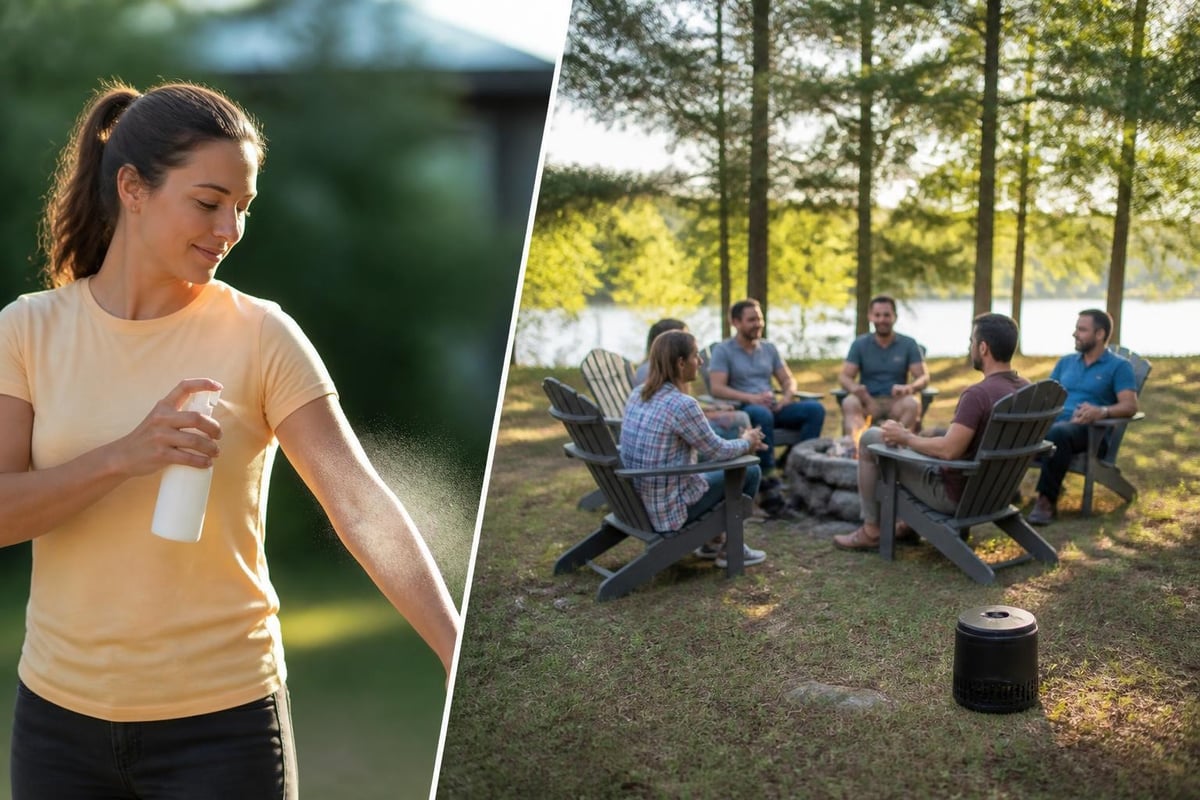
The traditional approach to keep bug away centers on applying repellent directly to skin. DEET, picaridin, and IR3535 all work by creating a chemical vapor barrier around treated areas, forcing insects to avoid landing. This method protects one person at a time, requires reapplication every few hours, and creates the sticky, greasy sensation most homeowners specifically want to avoid.
Ground-based approaches flip this model by treating the space instead of the people. When you protect the gathering area at its foundation, everyone benefits without individual application. This matters particularly for families with young children, guests who arrive unexpectedly, or anyone who simply refuses to coat themselves in chemicals before relaxing on their own patio.
| Protection Method | Application Site | Duration | Coverage Area | Reapplication Needs |
|---|---|---|---|---|
| DEET Spray | Skin surface | 2-4 hours | One person | Every few hours |
| Citronella Candle | Tabletop | While burning | 3-5 feet radius | Continuous flame |
| Ground Beads | Patio floor | 1-2 days peak | Up to 1,000 sq ft | Every 2-3 days |
| Misting System | Overhead | 2-3 hours | Treated zone | 2-3 times daily |
Scent Masking at Source Level
Mosquitoes and many biting insects hunt from ground level upward, following scent plumes that rise from human activity. When you disrupt that scent signature where it originates, insects lose their primary navigation tool before they invest energy in approaching. Essential oil blends containing geraniol, citronella, peppermint, and other compounds create confusion in the insect's detection system.
The principle mirrors how smoke from a campfire can temporarily displace mosquitoes. Rather than killing insects, scent-based deterrents make the treated area unreadable to their sensory equipment. Insects simply drift past because they cannot locate the carbon dioxide and body odor signals they normally follow.
Understanding why mosquitoes target us helps explain why ground-level intervention works more efficiently than individual skin application. When the entire zone becomes obscured to insect detection, protection extends to every person, pet, and activity happening in that space.
Natural Alternatives Without Compromise
The suburban homeowner who treats their patio as an outdoor room faces a specific challenge. Chemical foggers, smoke-producing coils, and aerosol sprays all clash with the visual standards expected in a carefully designed entertainment space. Nobody wants to ask dinner guests to apply bug spray before sitting down, and the lingering odor from synthetic repellents conflicts with the natural atmosphere most hosts work to create.
Natural solutions must meet multiple criteria simultaneously:
- Effective protection across the entire gathering area
- Zero application to skin for host convenience and guest comfort
- Clean aesthetic that matches the space's design standards
- Safe for pets who share the outdoor environment
- Minimal maintenance that fits into existing routines
The Ground Application Advantage
When you need to keep bug away without sticky sprays or visible devices, ground-applied solutions offer unique benefits. Biodegradable formulations break down naturally without leaving residue on furniture, fabric, or stone surfaces. The protection operates quietly without flames, smoke, or mechanical noise that disrupts conversation.
For families concerned about chemical exposure, natural options using plant-derived essential oils provide protection without DEET or synthetic compounds. These formulations work through the same scent-masking principle while maintaining pet-friendly safety profiles when used according to directions. The Penn State Extension guidance on Integrated Pest Management emphasizes selecting the least toxic effective method, particularly in residential settings where children and animals frequent treated areas.
Pour-and-protect methods eliminate the reapplication burden that makes skin-based repellents impractical for long gatherings. Set the protection at the start of your outdoor time, then focus on enjoying your space rather than managing spray intervals.
Seasonal Adjustments and Timing
Insect pressure varies significantly across the calendar year. Spring emergence brings the first wave of mosquitoes as standing water warms and eggs hatch. Summer heat intensifies feeding behavior during cooler morning and evening hours. Fall sees a final surge as insects prepare for winter dormancy.
Each season requires adjusted strategies to keep bug away effectively:
Spring (March-May): Focus on eliminating breeding sites as temperatures climb above 50°F consistently. Check gutters, drainage areas, and any containers that collected winter precipitation.
Summer (June-August): Peak mosquito season demands consistent protection during prime patio hours. Ground treatments need reapplication every 2-3 days to maintain effectiveness through heavy use periods.
Fall (September-November): Cooler temperatures reduce mosquito activity but bring stink bugs, box elder bugs, and other overwintering pests seeking shelter. The K-State Extension advice on overwintering pests recommends sealing entry points before insects cluster around warm structures.
Time-of-Day Protection
Mosquito feeding patterns follow predictable daily cycles. Most species hunt most aggressively during the two hours after sunset and the hour before sunrise. Midday sun and heat suppress activity in many species, though shaded areas may still harbor active insects.
Planning outdoor activities around these natural cycles helps reduce exposure, but realistically, the best patio weather coincides with peak mosquito hours. Sunset dinners, evening gatherings, and morning coffee sessions all happen when insects feed most aggressively, making effective protection non-negotiable for outdoor comfort.
Building a Multi-Layer Defense System
No single method eliminates 100% of insects under all conditions. Professional pest managers recommend stacking multiple approaches to create overlapping zones of protection. This redundancy ensures comfort even when one element underperforms.
The Four-Point Prevention Framework
Physical barriers include screens, netting, and structural modifications that exclude insects from indoor-outdoor transition zones. Properly fitted door sweeps and window screens stop most flying insects from entering homes, while screened porches or gazebos create protected outdoor rooms.
Environmental management targets breeding sites, resting areas, and attraction factors. Weekly water removal, vegetation trimming, and strategic lighting placement reduce the insects available to invade your space.
Zone protection treats the gathering area itself with scent-masking or repellent formulations. Ground-applied solutions create a protected bubble around high-use zones without requiring individual application.
Personal protection serves as the final layer for extended exposure situations or travel beyond protected zones. This might include clothing choices that reduce skin exposure or minimal skin repellent application for hiking and camping.
For the homeowner who wants to protect their space from mosquitoes while maintaining design standards and chemical concerns, emphasis on layers two and three delivers results without compromising comfort or aesthetics.
What Actually Works: Evidence-Based Selection
Marketing claims and traditional wisdom do not always align with research findings. Some widely promoted solutions deliver minimal real-world protection, while others perform better than their reputation suggests.
Tested Approaches and Their Limitations
Citronella candles create localized protection within 3-5 feet under still air conditions. Any breeze disperses the scent plume and eliminates effectiveness. Visual appeal makes them popular despite limited coverage.
Bug zappers kill insects attracted to ultraviolet light, but research shows most victims are non-biting species. Mosquitoes show minimal attraction to UV wavelengths, making zappers largely ineffective for the insects most homeowners want to control.
Ultrasonic devices produce no measurable impact on mosquito behavior in controlled studies. Despite persistent marketing, these products fail to deliver protection.
Spatial repellent devices using heated pads or liquid formulations create protection zones through vaporized repellent compounds. Effectiveness depends on wind conditions and device placement. These work but require continuous power and regular cartridge replacement.
Propane mosquito traps mimic human carbon dioxide output to attract and capture mosquitoes. These reduce local populations over time but cost significantly more than other options and require ongoing propane and attractant purchases. Our cost comparison of natural mosquito repellents versus professional services breaks down long-term expenses.
Ground Beads: How They Fit Your Needs
When you need reliable protection that respects your space and your standards, biodegradable corn-based granules infused with essential oils offer a distinct approach. Pour them where people gather and the scent blend masks human odor at ground level, making it difficult for mosquitoes to locate and target anyone in the treated zone.
Natural Mosquito Repellent formulations using geraniol, citronella, peppermint, eugenol, cornmint, and rosemary create confusion in the insect detection system without harsh synthetic chemicals. Nothing touches skin, nothing needs spraying, and there is no flame or smoke to manage. The Signature 18 oz jar covers up to 1,000 square feet for peak performance during the first two days after application.

This approach specifically addresses the concerns suburban patio hosts face: protecting family and guests without asking anyone to spray down, avoiding chemical exposure near pets and children, and maintaining the clean aesthetic that makes outdoor entertaining enjoyable.
Pet-Friendly Practices That Keep Everyone Safe
Cats and dogs share outdoor spaces and face their own insect pressure. Mosquitoes readily bite pets, and fleas, ticks, and other pests pose additional risks. Protection methods must account for animals who walk through treated areas, investigate new scents, and occasionally ingest items they should not.
The NC State Extension guidance on creating healthy homes emphasizes pet-safe pest management as a core component of residential IPM. Essential oil concentrations safe for human exposure may still cause reactions in cats, who lack certain liver enzymes needed to metabolize these compounds.
Safe Application Protocols
When using any ground treatment to keep bug away, follow these pet-safety guidelines:
- Allow products to settle and dry before permitting pet access to treated areas
- Store concentrated products in sealed containers away from pet reach
- Monitor pets for any unusual behavior after treatment and discontinue use if reactions occur
- Choose formulations specifically tested and labeled for pet-friendly use
- Never apply any repellent product directly to pet fur or skin unless specifically formulated for that purpose
Ground-applied solutions keep active compounds away from pet contact better than sprays that coat surfaces animals touch directly. When used according to package directions, biodegradable bead formulations provide the separation needed for safe coexistence with family pets.
Making It Work for Your Specific Space
Every patio, deck, and yard presents unique challenges based on size, vegetation, proximity to water, and typical wind patterns. Successful insect management requires adapting general principles to your specific conditions.
Coverage Calculations
Measure your primary gathering area to determine product quantities needed. A typical suburban patio runs 200-400 square feet, while larger entertainment spaces may exceed 1,000 square feet. Account for furniture placement, which creates protected zones underneath where protection may be less critical.
Small patios (under 300 sq ft): Single application point often sufficient with proper placement near seating areas
Medium patios (300-700 sq ft): Multiple application zones ensure even coverage across entire space
Large patios (over 700 sq ft): Perimeter treatment plus central zones provide comprehensive protection
Wind direction matters significantly. Position protection products upwind of seating areas so natural air movement carries scent masking across the zone rather than away from it. You can find additional guidance in our FAQ section addressing specific property configurations.
Maintenance Schedules
Protection degrades over time as essential oils evaporate, rain dilutes concentrations, and foot traffic disperses granules. Peak performance typically runs 1-2 days per application, with diminishing effectiveness continuing several days longer.
Establish a simple routine:
- Weekend prep: Apply fresh protection Friday afternoon for weekend entertaining
- Midweek refresh: Reapply Tuesday or Wednesday if you use the space regularly
- Event boost: Add extra coverage 2-3 hours before guests arrive for parties
- Weather check: Reapply after heavy rain that might wash away ground treatments
Consistency matters more than quantity. Regular light applications maintain better protection than irregular heavy doses, and scheduled treatments prevent the disappointment of planning outdoor time only to discover protection has lapsed.
Beyond Mosquitoes: Broader Insect Management
While mosquitoes dominate summer outdoor concerns, flies, gnats, wasps, and other insects also interfere with patio comfort. Each species responds to different stimuli and requires tailored approaches.
Houseflies and fruit flies track food odors and organic decomposition. Keep trash sealed, clean grills promptly after use, and remove pet waste daily. These simple sanitation measures eliminate the primary attractants.
Wasps and yellow jackets build nests in eaves, underground cavities, and hollow structures. Early season nest removal prevents large populations later. These insects also scavenge protein and sugar sources, so cover food and drinks during outdoor meals.
Gnats and no-see-ums breed in moist soil, compost, and decaying vegetation. Improving drainage and reducing organic mulch near gathering areas cuts breeding habitat. Their small size allows passage through standard window screening, making zone protection essential.
Stink bugs and box elder bugs invade in fall seeking overwintering sites. The UC IPM guide to stink bug management recommends sealing exterior cracks and managing outdoor lighting to reduce attraction.
The Reality of Chemical-Free Living
Complete elimination of all synthetic compounds from your outdoor space requires commitment and tradeoffs. Natural solutions work, but they operate differently than synthetic alternatives. Understanding these differences prevents frustration and helps set realistic expectations.
Natural essential oil blends provide shorter protection windows than DEET formulations. Where a 30% DEET spray might protect for 6-8 hours, natural alternatives typically deliver 2-4 hours of skin protection or 1-2 days of zone protection depending on formulation and conditions. This means more frequent reapplication to maintain consistent coverage.
The benefit comes through reduced chemical exposure, particularly important for families with young children or individuals with chemical sensitivities. When you want to keep bug away without the neurological concerns associated with DEET or the environmental persistence of pyrethroids, natural options provide meaningful alternatives worth the extra attention they require.
| Concern Factor | Synthetic Repellents | Natural Alternatives |
|---|---|---|
| Duration per application | 6-8 hours | 1-4 hours or 1-2 days (zone) |
| Chemical exposure | DEET, picaridin, IR3535 | Essential oil blends |
| Skin application required | Yes | No (zone protection) |
| Pet safety concerns | Moderate to high | Low when used properly |
| Environmental persistence | Weeks to months | Days (biodegradable) |
| Effectiveness rating | Very high | Moderate to high |
Taking control of your outdoor sanctuary means understanding how insects find you, modifying your environment to reduce populations, and choosing protection methods that align with your values around chemical exposure and family safety. Ground-based scent-masking solutions that protect the entire space rather than coating individual skin offer a practical path forward for homeowners who refuse to choose between comfort and chemical concerns. Mosquito Beads provide that balance: pour the biodegradable granules where you gather, let the essential oil blend mask human scent at ground level, and enjoy your patio without sticky sprays, harsh chemicals, or compromising the outdoor room you have worked to create.